Our verdict
Merlot sits on Splaiul Nistrului in Timișoara, placing it along one of the city's riverside addresses that Romanian dining has increasingly claimed as a territory for serious restaurant projects. The name signals a European wine-table tradition that Timișoara, with its Habsburg-era café culture and proximity to the Serbian and Hungarian borders, absorbs more naturally than most Romanian cities. For context on what surrounds it, see our full Timisoara restaurants guide.

Pearl is the En Primeur Club membership app — saves, bookings, and concierge access live there. Same editors, same standards.
- Address
- Splaiul Nistrului 1, Timișoara, Romania
- Phone
- +40356177247
- Hours
- Daily 12–10 PM
- Website
- restaurant-merlot.ro
- Directions
- Get directions
The menu
What to order
- Sabres Trio Supreme
- Wiener Schnitzel
- Beef Wellington
Riverside Timișoara and the Wine-Table Tradition
Splaiul Nistrului is not one of Timișoara's show streets. It runs along the water without the pedestrian theatre of Piața Victoriei or the café density of the old town, which means restaurants that settle there are generally positioning for a different kind of customer: one who arrives with intent rather than impulse. That positioning matters when reading a name like Merlot, which in a Romanian context carries a specific shorthand. It implies a European wine-table register, the kind of dining room where the glass in your hand is as much the point as the plate in front of you.
Romania's relationship with wine-forward dining is older and more layered than most visitors expect. The country sits among Europe's larger wine-producing nations by volume, and regions like Dealu Mare, Cotnari, and the Banat plain that surrounds Timișoara have supplied tables here for centuries. A restaurant name drawn from a single grape variety is not merely decorative in this context; it positions the room inside a tradition where wine literacy and kitchen ambition tend to travel together. Whether Merlot the restaurant leans hard into that pairing or treats the name as atmosphere is the kind of question leading answered on the ground, since the venue data available to us does not confirm a wine program, a chef, or a format.
What Timișoara's Dining Scene Looks Like Right Now
Timișoara earned the title of European Capital of Culture for 2023, and the designation accelerated something that had already been moving: a consolidation of the city's more ambitious restaurants into a smaller, more confident tier. The city has never had Bucharest's volume, but it has historically punched above its weight on food culture, partly because of its geographic and cultural overlap with Central Europe. The Habsburg legacy is not just architectural; it shows up in how the city eats, with a comfort around formal table service, pastry traditions, and wine-led meals that distinguishes Timișoara from Romania's more easterly cities.
Within that context, the restaurants that define the upper register of Timișoara dining tend to cluster around a few readable signals: address quality, format discipline, and a kitchen that takes European technique seriously without abandoning local produce. La Calul Alb represents one thread of that tradition, holding to a format that reads as deliberately rooted in the region. Pescada approaches the city's dining from a seafood-focused angle, which in a landlocked city requires both sourcing discipline and a customer base willing to trust the supply chain. Cartofisserie operates in a more casual register, as does Coffeerize Botanic, which skews toward the daytime trade. Restaurant Bun Timișoara occupies yet another position in the ecosystem.
The Banat Table: Cultural Roots of the Cuisine
The Banat region, of which Timișoara is the capital, has historically been one of Romania's most ethnically and culturally plural territories. Hungarian, Serbian, German, and Romanian communities have shared the region for centuries, and that layering produced a kitchen tradition that does not map neatly onto any single national cuisine. Banat cooking draws on the Ottoman-influenced stews and paprika-heavy preparations that move across the Serbian border, the pork-curing and fermenting traditions of the German settlers, and the pulse- and grain-based foundations of Romanian village cooking. It is a cuisine of accumulation rather than purity, and restaurants in Timișoara that engage with it seriously tend to present a more interesting table than those that default to a generic Central European format.
A wine-branded restaurant in this context has a natural opportunity: the Banat plain produces its own grapes, and a locally-anchored wine list alongside a kitchen working from regional ingredients would be a coherent and defensible position. What the address and name together suggest is a room that has at minimum made a deliberate choice about register and aspiration.
For comparison across Romania's dining scene, Bogdania Bistro in Bucharest takes a similarly regional-rooted approach in the capital, while Caru' cu bere in București represents the older, grander end of Romanian dining tradition. Outside Romania, the contrast is sharper still: Le Bernardin in New York City and Atomix in New York City show what happens when a cuisine's defining ideas are subjected to a decade of progressive refinement and Michelin scrutiny. Timișoara's ambitious restaurants are not operating at that tier, but the cultural raw material in the Banat kitchen is rich enough that the gap is one of investment and critical infrastructure rather than ingredients.
Elsewhere in Romania, Eat IT casual gourmet kitchen in Oradea and Lo Sfizio in Târgu Mureș illustrate how mid-size Romanian cities are building their own dining identities, often working with similar Central European influences to Timișoara but arriving at different conclusions based on local demographics and kitchen talent. Cofeels in Cluj-Napoca represents yet another model, leaning into the coffee-and-café culture that Romanian cities have adopted with particular energy over the past decade. For coastal contrast, Vatos Restaurant in Agigea and Cafeneaua Nației in Ploiești show how Romania's dining culture shifts register depending on geography and clientele. Butterfly Events in Chiscani, Cocteleria Urban Garden in Florești, and Cartofisserie in Suceava complete a picture of a national dining scene in active, uneven development.
Planning a Visit
Merlot is located at Splaiul Nistrului 1, Timișoara. The riverside address puts it slightly outside the densest pedestrian zones of the city centre, which in practical terms means it rewards a deliberate visit rather than a passing detour. For a broader orientation to the city's restaurants before committing to an itinerary, our full Timisoara restaurants guide maps the dining scene across registers and neighbourhoods.
Frequently asked questions
What's the address for Merlot?
Merlot is located at Splaiul Nistrului 1, Timișoara, Romania, Timisoara.
Is Merlot a good choice for a wine-focused dinner in Timișoara?
The name and Splaiul Nistrului address position Merlot squarely within Timișoara's wine-attentive dining tier, a segment of the city's restaurant scene that has grown noticeably since the 2023 European Capital of Culture designation. The Banat plain produces its own appellations, and Timișoara increasingly functions as the commercial and cultural hub for those wines. Whether Merlot draws formally from regional producers has not been confirmed, but the framing is consistent with that direction.
What's the must-try dish at Merlot?
Confirmed dish data for Merlot is not available at this stage. Given the wine-table register the name and Splaiul Nistrului address suggest, the kitchen likely centres on Banat-rooted preparations designed to hold up alongside serious wine. Contacting the restaurant directly will give you the clearest picture of current menu focus.
Do they take walk-ins at Merlot?
Walk-in policy for Merlot has not been confirmed. At riverside addresses in Timișoara's more considered dining tier, reservation-first approaches tend to apply on weekends and during the city's busier cultural calendar. Booking ahead is the safer route, particularly given Timișoara's accelerated dining scene post-2023 European Capital of Culture.
What's the signature at Merlot?
The positioning on Splaiul Nistrului and the wine-led name point toward a kitchen that treats the food-and-wine relationship as the central editorial decision rather than an afterthought. For current specifics, reaching out to the restaurant directly is the most reliable step.
Can Merlot adjust for dietary needs?
Timișoara's more considered restaurants generally field these requests at the reservation stage rather than on arrival, so flagging requirements when you book — if Merlot operates a reservation system — gives the kitchen the best lead time.
Is Merlot good value for money?
Price data for Merlot has not been confirmed. Timișoara's dining market sits at a significant discount relative to Bucharest or Western European cities at comparable quality levels, which means a wine-table restaurant on a riverside address here tends to offer stronger value per cover than the setting might suggest elsewhere in Europe.
Cost and Credentials
Comparable venues nearby, for context on price, style, and recognition.
| Venue | Cuisine | Price | Notes |
|---|---|---|---|
| MerlotThis venue — the venue you are viewing | Mediterranean Fine Dining with French and Italian Influences | $30–50 | Not listed |
| Pescada | Mediterranean Seafood | $20–30 | Iulius Mall area, Mediterranean Seafood |
| Restaurant Sabres | Mediterranean Fine Dining with Fresh Seafood | $50–100 | Timisoara, Mediterranean Fine Dining with Fresh Seafood |
| Cartofisserie | Loaded Fries Fast Food | Not listed | Old Town, Loaded Fries Fast Food |
| La Calul Alb | Modern Banat Regional European Grill | $30–50 | Cetate, Modern Banat Regional European Grill |
| Restaurant Bun Timișoara | Modern Romanian | Not listed | Central Timisoara, Modern Romanian |
Merlot
Featured Guides
Continue exploring
More in Timisoara
Restaurants in Timisoara
Browse all →
Wineries in Timisoara
Browse all →

Details
- Elegant
- Classic
- Date Night
- Special Occasion
- Live Music
- Extensive Wine List
- A La Carte
- Vegetarian Friendly
- Vegan Options
- Gluten Free Options
Current opening hours
- Monday
- 12–10 PM
- Tuesday
- 12–10 PM
- Wednesday
- 12–10 PM
- Thursday
- 12–10 PM
- Friday
- 12–10 PM
- Saturday
- 12–10 PM
- Sunday
- 12–10 PM
Hours can change for holidays and private events. Last verified .
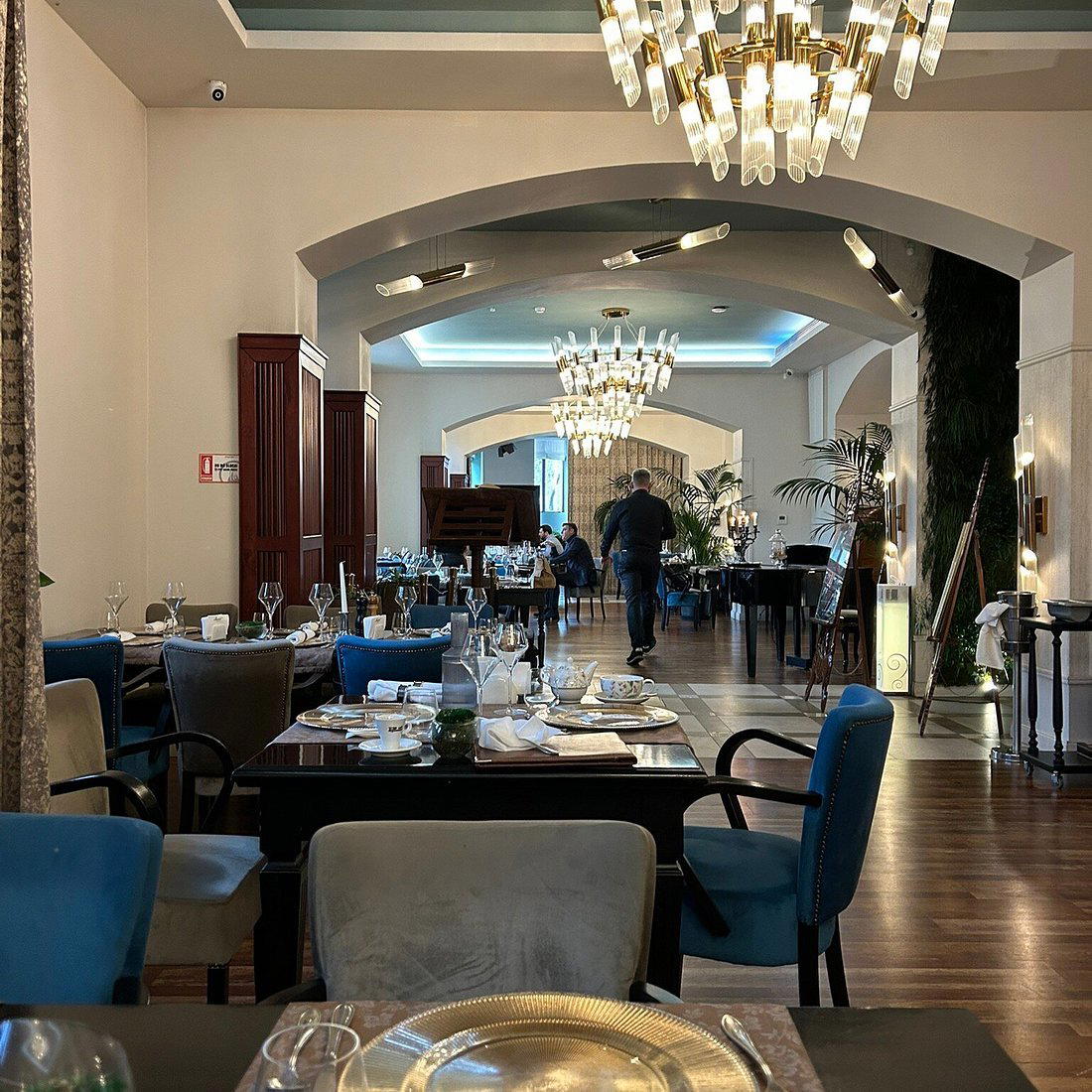
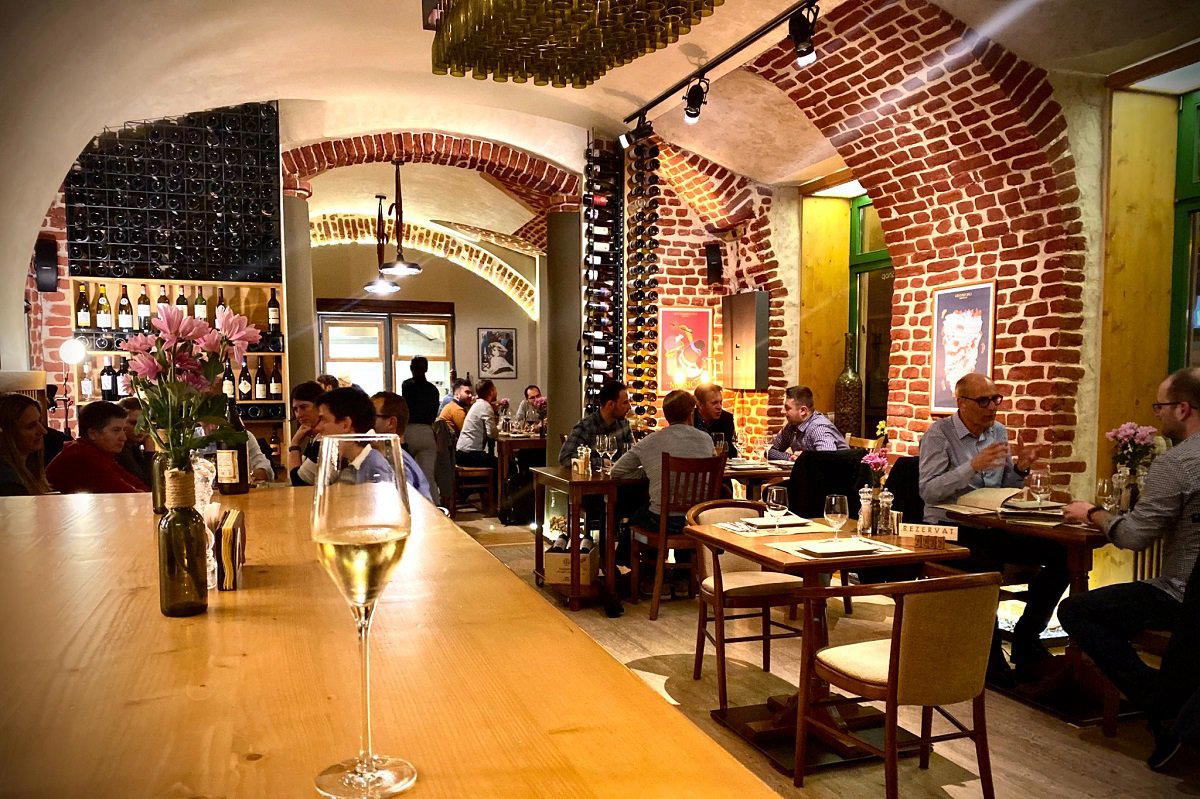
Elegant ambiance with Art Nouveau decor, warm atmosphere, and attention to detail.