Restaurant Bündner Stube
Restaurant Bündner Stube sits in Samnaun, the Swiss alpine enclave near the Austrian border known for its duty-free status and high-altitude character. The Stube format — a panelled, wood-lined dining room rooted in Graubünden tradition — signals a kitchen that works within a specific regional idiom rather than against it. For visitors to this remote corner of the Engadin valley, it represents a grounded counterpoint to the resort's broader dining options.
Pearl is the En Primeur Club membership app — saves, bookings, and concierge access live there. Same editors, same standards.
- Address
- Dorfstrasse 17, 7563 Samnaun, Switzerland
- Phone
- +41818619500
- Website
- hotel-silvretta.ch
- Directions
- Get directions
 Saves & bookings on Pearl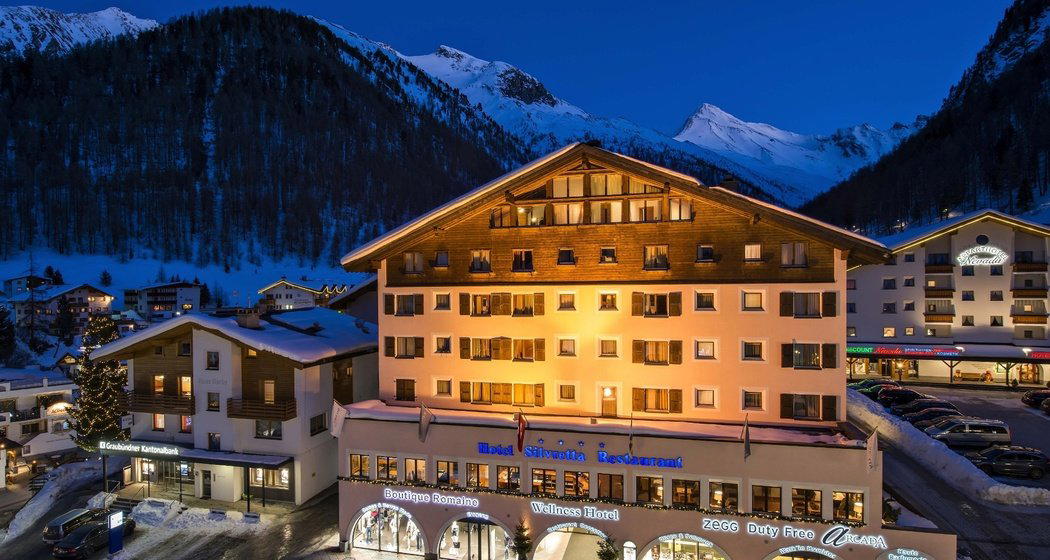
Alpine Regionalism at the Table: What the Stube Format Tells You
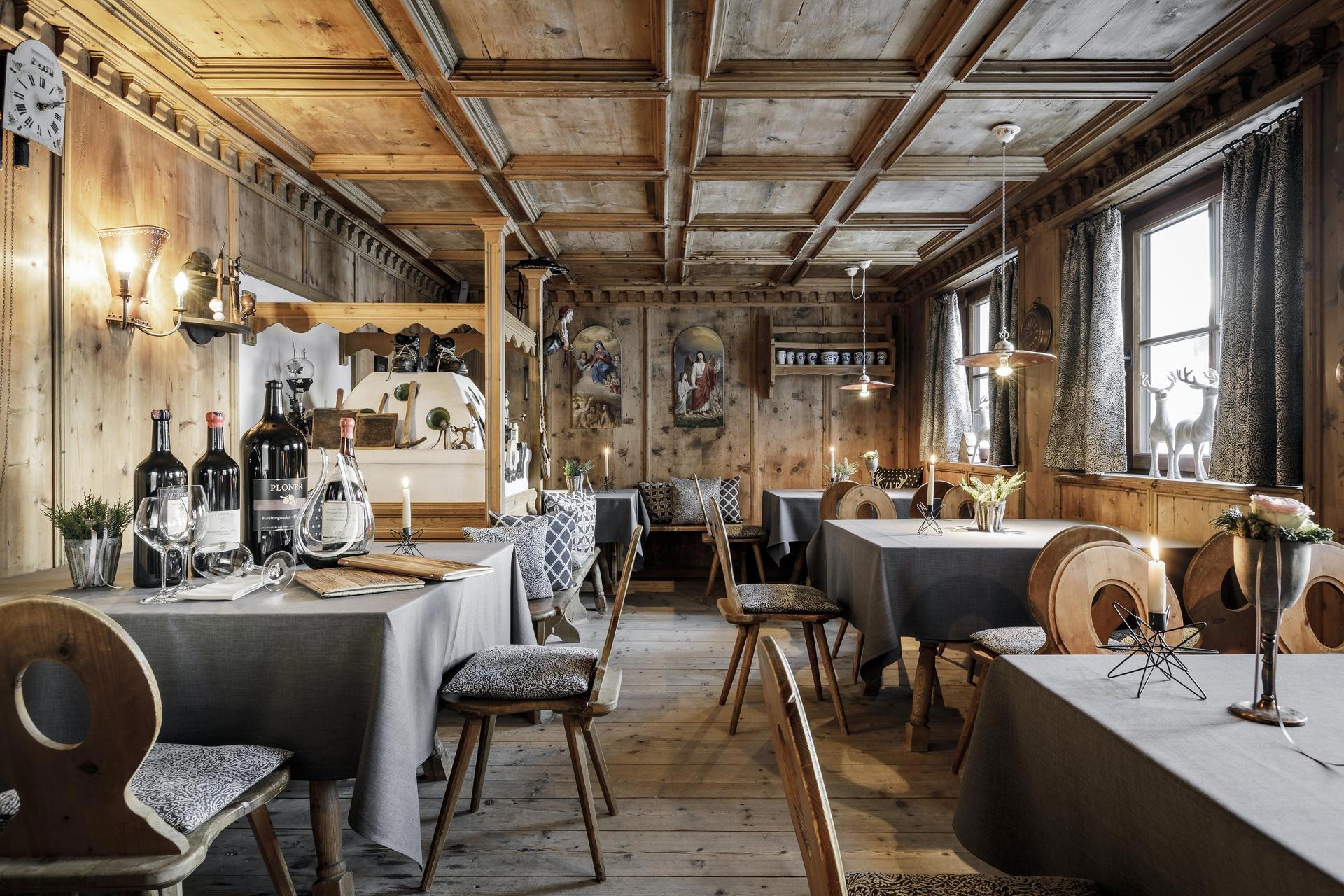
The word Stube carries precise meaning in Swiss German dining culture. It refers to a panelled, often wood-beamed room where warmth is architectural rather than decorative, and where the menu is expected to honour the canton rather than transcend it. In Graubünden, Switzerland's largest and most geographically isolated canton, that tradition runs through rye bread, air-dried meats, barley soups, and slow-braised preparations that reflect altitude, short growing seasons, and the practical ingenuity of mountain communities cut off for months each winter. Restaurant Bündner Stube, situated on Dorfstrasse 17 in Samnaun, operates within this culinary grammar — a deliberate positioning that places it in a different category from the modern Swiss fine dining houses like Memories in Bad Ragaz or focus ATELIER in Vitznau, where the reference points are international and the ambition is comparative.
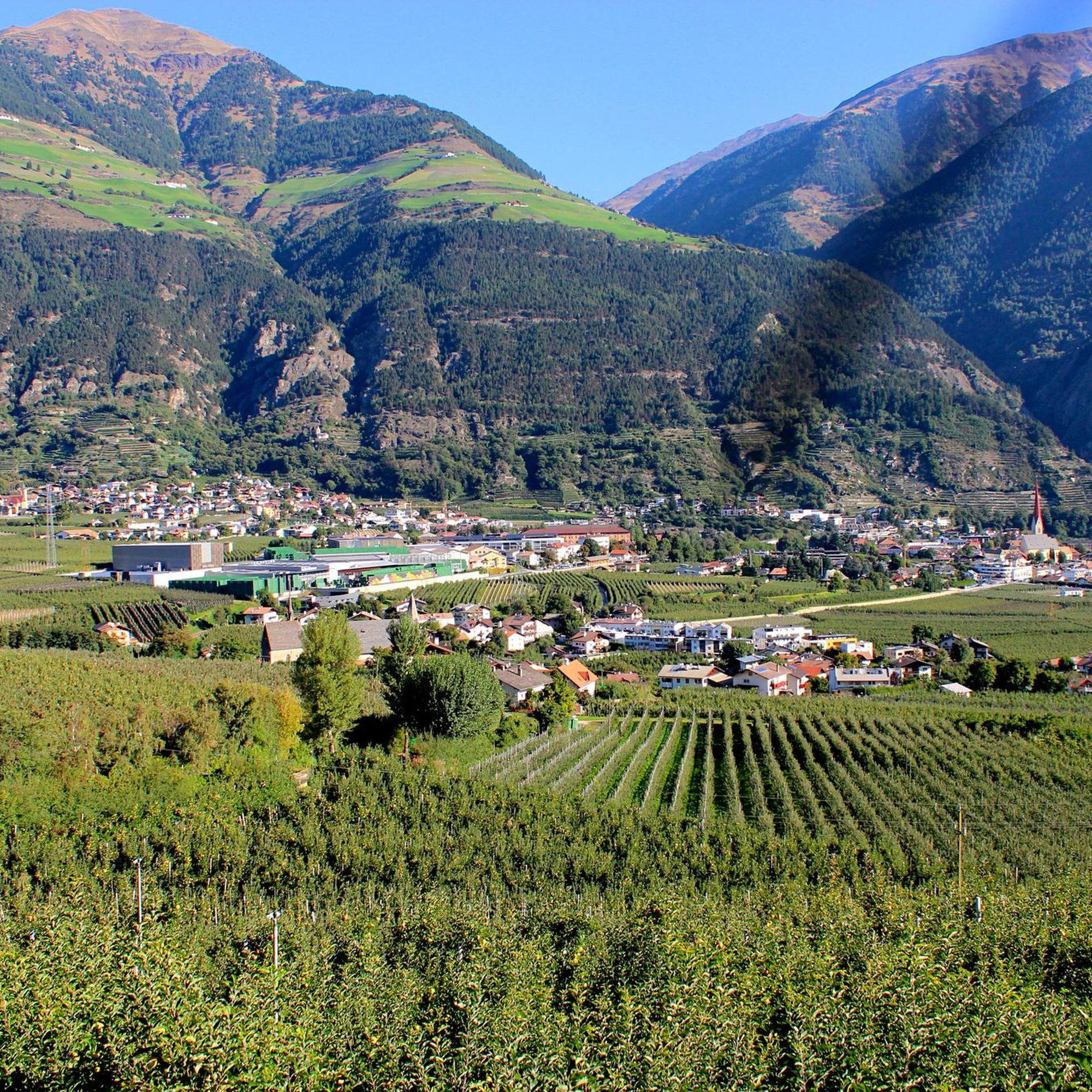
Samnaun itself sharpens that context. The village sits at roughly 1,840 metres above sea level in a valley accessible, for much of its history, only through Austria. That geographic accident gave Samnaun a duty-free status it retains today, and it shapes the town's character: a mix of ski resort infrastructure, cross-border commerce, and an underlying alpine community that predates both. The dining scene here is smaller and more locally anchored than in St. Moritz or Davos. Where Da Vittorio in St. Moritz imports Italian luxury into the Alps, the Stube format works from the inside out, using regional identity as the organising principle.
Graubünden Sourcing and What It Means on the Plate
Graubünden's ingredient traditions are among the more codified in Switzerland. Bündnerfleisch — the air-dried beef produced in the canton under controlled conditions of altitude and dry mountain air, is a protected product, and it appears on serious regional tables not as a novelty but as a structural element of the meal. Maluns, the pan-fried potato and flour preparation specific to the region, and Capuns, the chard-wrapped dumplings filled with dried meat and spätzle dough, represent a cuisine built on preservation, fermentation, and the intelligent use of what the short mountain summer yields.
In kitchens that take this sourcing seriously, the supply chain is necessarily short. At altitude, that isn't a marketing stance, it's a logistical reality. Producers in the Inn valley and surrounding Engadin communities supply what grows or grazes at elevation: dairy with higher fat content from alpine pastures, game from local hunting seasons, foraged herbs and mushrooms that differ markedly in intensity from their lowland equivalents. For a restaurant framing itself within the Bündner tradition, that sourcing context is both constraint and identity. The parallels with how Schloss Schauenstein in Fürstenau has built a serious kitchen around Graubünden's agricultural specificity are instructive, even if the Bündner Stube operates at a different register of ambition and price.
The Physical Room and What It Signals
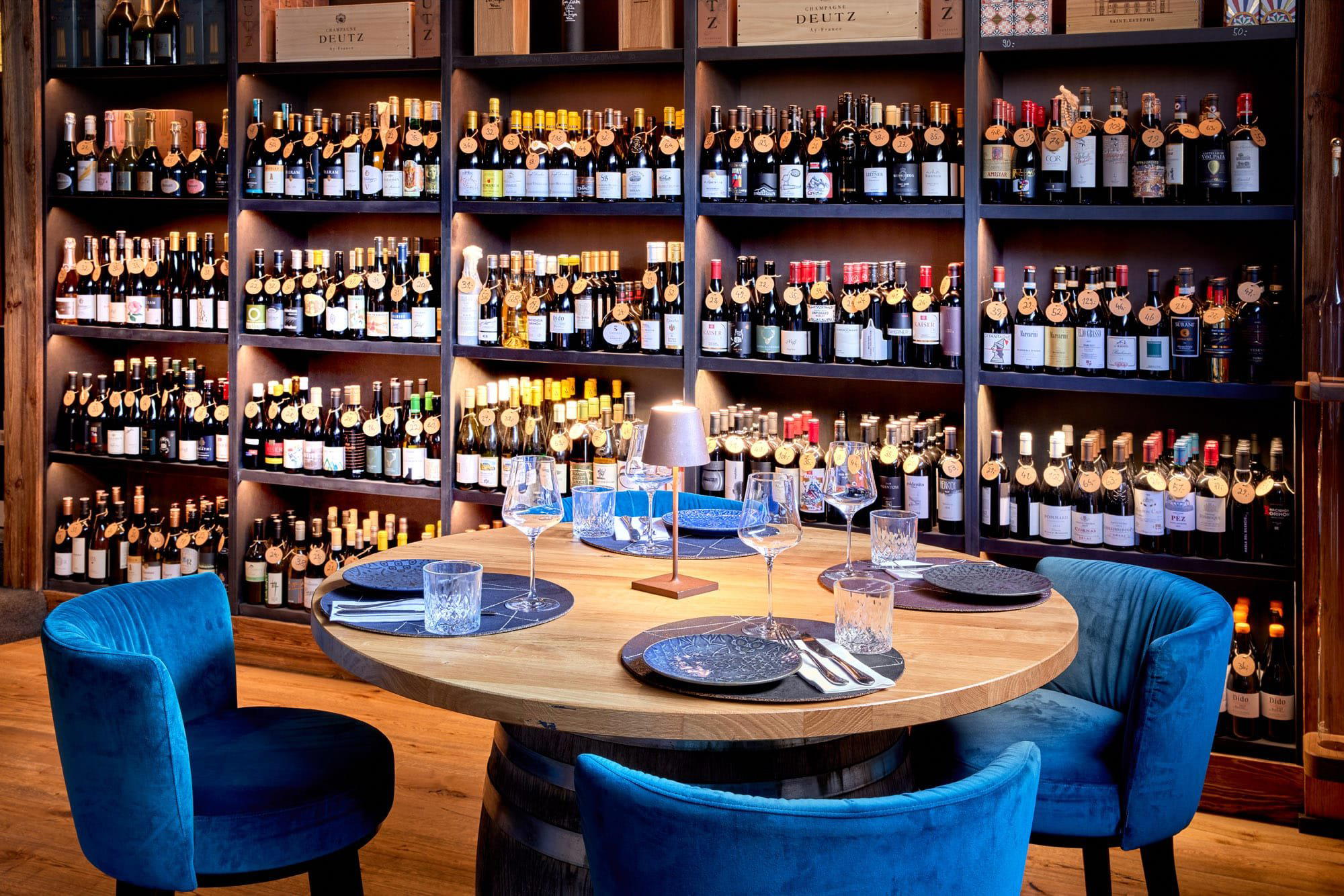
Approaching a Stube-format restaurant in a Swiss mountain village, the visual language is consistent: dark wood panelling, low ceilings that retain heat, furnishings that prioritise longevity over trend. This is not minimalism in the contemporary design sense but rather the absence of the unnecessary, arrived at by a different route. The room communicates something about what you're going to eat before the menu arrives, a continuity between architecture and cooking that the more internationally styled restaurants in Switzerland's larger cities deliberately disrupt. IGNIV Zürich by Andreas Caminada and Cheval Blanc by Peter Knogl in Basel make different spatial statements, signalling a global fine dining conversation. The Stube makes a local one.
In Samnaun specifically, that spatial character matters because the town's other commercial layer, duty-free shops, ski rental operations, après-ski bars, runs counter to it. The Bündner Stube operates as a counterweight to the resort surface, a place where the architectural and culinary logic of Graubünden is maintained regardless of seasonal tourism patterns. That positioning has a particular value for visitors who arrive during ski season but want something that connects to the place rather than floating above it.
Where This Fits in Switzerland's Broader Dining Picture
Switzerland's restaurant scene has split into two fairly distinct tiers over the past decade. One tier, represented by Hotel de Ville Crissier in Crissier, La Table du Lausanne Palace in Lausanne, and L'Atelier Robuchon in Geneva, operates in international fine dining mode, where the reference points are French classical technique and global luxury hospitality. The other tier is more regionally specific, drawing on Swiss cantonal traditions and shorter supply chains. Magdalena in Schwyz and Einstein Gourmet in Sankt Gallen sit in middle positions within that spectrum. The Bündner Stube anchors itself more firmly in the regional idiom, closer in spirit to a Beiz with serious kitchen intent than to a modern tasting-menu destination.
That is not a criticism. In alpine destinations where much of the dining offer defaults to the international ski resort formula, a kitchen that maintains fidelity to Graubünden's culinary logic serves a real function. The comparison set for the Bündner Stube is not 7132 Silver in Vals or Colonnade in Lucerne, it's the network of cantonal restaurants that treat regional tradition as sufficient ambition. Within Samnaun itself, the more contemporary local option is La Miranda Gourmet Stübli, which operates at a different register. For a full picture of what the village offers at the table, our full Samnaun restaurants guide maps the options across formats and price points.
Planning Your Visit
Samnaun is a seasonal destination with two pronounced peaks: winter ski season running roughly from late November through April, and a shorter summer walking season. Restaurant reservations in alpine resort towns at peak season fill earlier than the size of the place might suggest, and a restaurant maintaining a regional identity in a tourist-heavy context often has a loyal local following that competes with visitor demand. Dorfstrasse 17 puts the restaurant within the walkable core of Samnaun village. For visitors arriving by road, the standard approach is via Austria through the Martina border crossing, since the valley lacks direct road access from the Swiss side.
How Restaurant Bündner Stube Samnaun compares with similar nearby venues.
| Venue | Cuisine | Price |
|---|---|---|
| La Miranda Gourmet Stübli | Modern Cuisine | €€€€ |
Continue exploring
More in Samnaun
Restaurants in Samnaun
Browse all →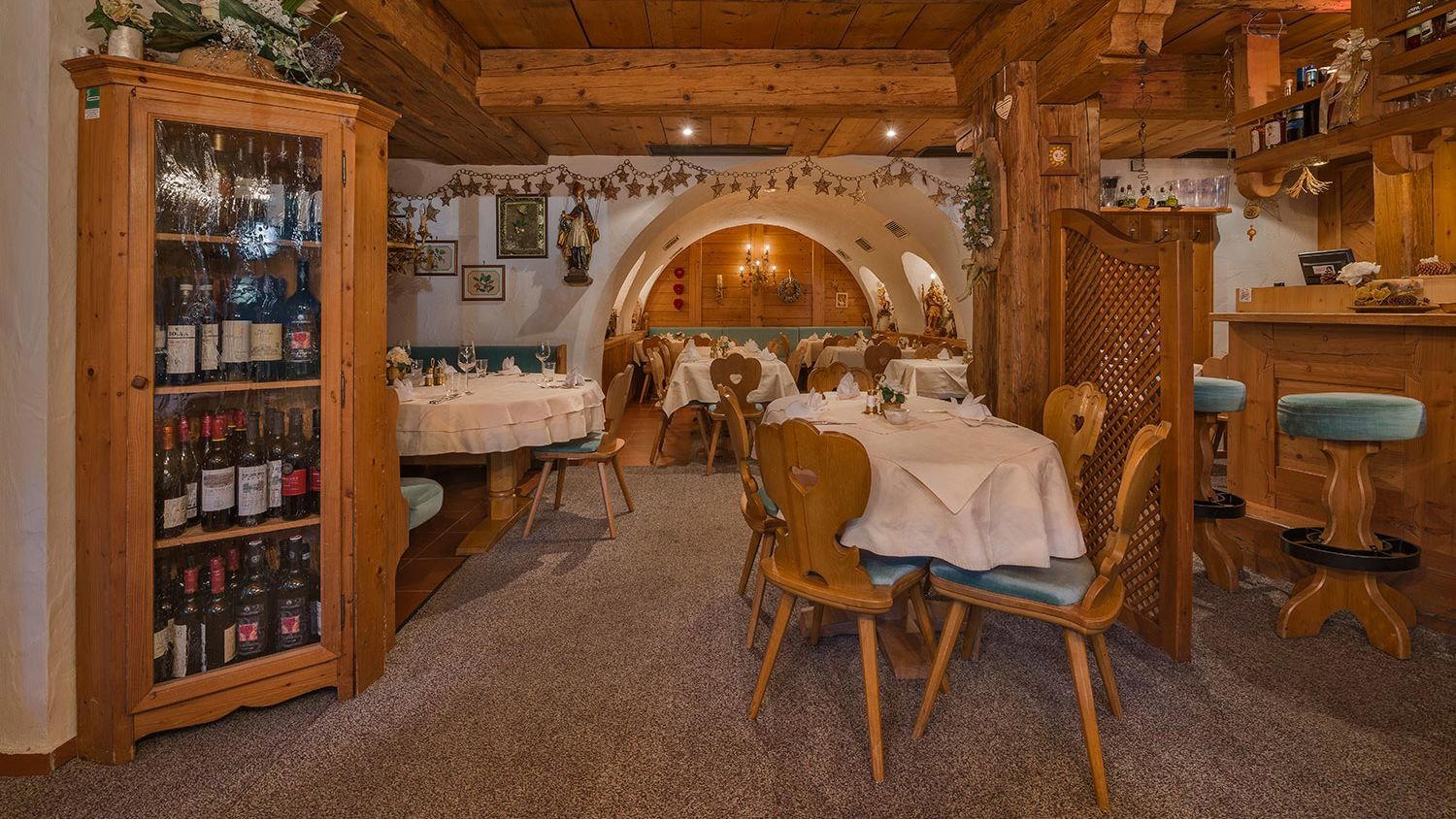
Bars in Samnaun
Browse all →

Hotels in Samnaun
Browse all →

At a Glance
- Cozy
- Rustic
- Classic
- Family
- Special Occasion
- Hotel Restaurant
- Local Sourcing
- Mountain
Current opening hours
- Monday
- 12–2:30 PM, 6–9 PM
- Tuesday
- 12–2:30 PM, 6–9 PM
- Wednesday
- 12–2:30 PM, 6–9 PM
- Thursday
- 12–2:30 PM, 6–9 PM
- Friday
- 12–2:30 PM, 6–9 PM
- Saturday
- 12–2:30 PM, 6–9 PM
- Sunday
- 12–2:30 PM, 6–9 PM
Hours can change for holidays and private events. Last verified .
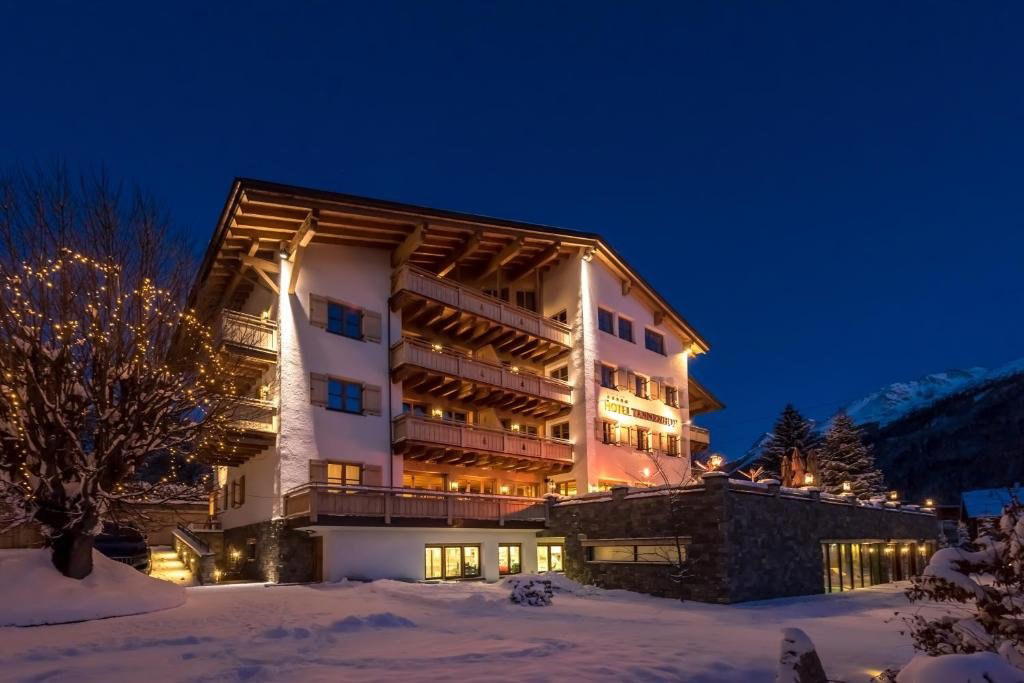
Cozy and rustic atmosphere evoking traditional Swiss charm with warm, intimate lighting.