Schlössli Sax
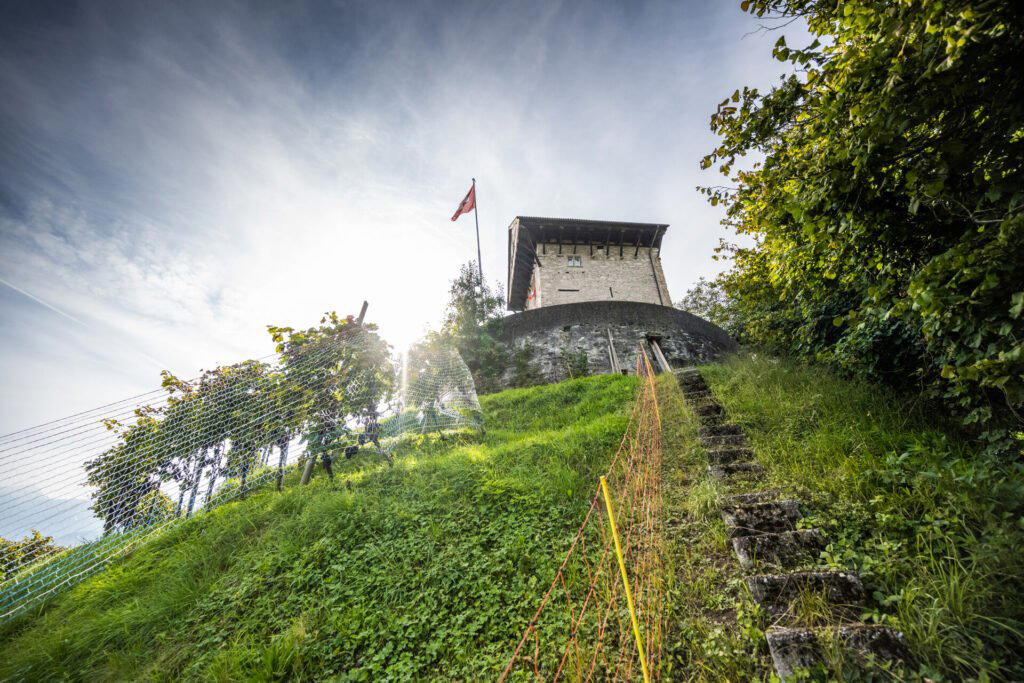
Schlössli Sax pairs Modern Swiss cooking with a terrace and historic building setting, plus an extensive wine list and local sourcing.
Pearl is the En Primeur Club membership app — saves, bookings, and concierge access live there. Same editors, same standards.
- Address
- Gaditsch 1, 9468 Sax, Switzerland
- Phone
- +41815994846
- Website
- schloesslisax.com
- Directions
- Get directions
 Saves & bookings on Pearl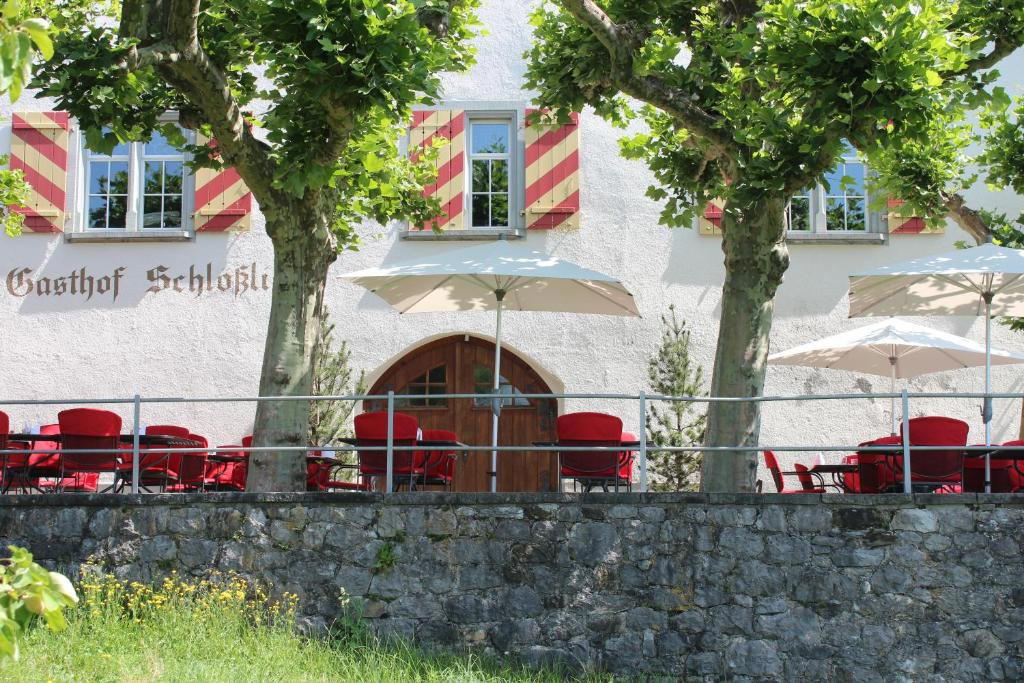
A Castle on the Rhine Plain: What Sax Represents in Swiss Destination Dining
The road to Sax climbs away from the Rhine valley floor through a range of orchards and working farms before depositing you at Gaditsch 1, where Schlössli Sax occupies a small castle structure that predates most of the culinary vocabulary used to describe what happens inside it. Switzerland has developed a remarkably distributed fine-dining map, where Michelin-recognised tables appear in villages and spa towns rather than concentrating exclusively in Zurich or Geneva. Sax sits in that pattern: a settlement in the Canton of St. Gallen, close enough to the Austrian border that the agricultural hinterland draws from both Swiss and Vorarlberg traditions, yet firmly inside the eastern Swiss culinary corridor that runs through Bad Ragaz and up toward the Graubünden valleys.
That eastern corridor matters when framing ingredient sourcing, which is where Schlössli Sax earns its clearest editorial position. The region around Sax supports dairy farming at altitude, Rhine-plain market gardening, and proximity to forested areas with a history of foraged supply. Across Swiss fine dining at this tier, the sourcing conversation has shifted from novelty to expectation: tables from Schloss Schauenstein in Fürstenau to Memories in Bad Ragaz now position their menus explicitly around regional and seasonal provenance. A small castle in St. Gallen Canton, surrounded by working agricultural land, operates with that supply chain as a structural advantage rather than a marketing afterthought.
The Agricultural Context That Defines Eastern Swiss Fine Dining
Eastern Switzerland does not produce the wine-driven prestige agriculture of Valais or the branded alpine dairy of Appenzell's tourist circuit, but it does produce serious raw material for kitchen work. The Rhine plain between the Liechtenstein border and Lake Constance is among Switzerland's more productive vegetable-growing zones, with cool nights extending growing seasons for brassicas, root vegetables, and legumes into late autumn. Cheese from nearby Appenzell and Toggenburger farms carries denominational weight. River fish from the Rhine system, while now more carefully managed than a generation ago, still appear on menus as a local category that kitchens in Zurich or Basel must import by road.
This proximity dynamic places Schlössli Sax in a peer group that competes less with urban fine dining than with other regionally anchored destination restaurants. The comparison set includes focus ATELIER in Vitznau, Magdalena in Schwyz, and Einstein Gourmet in Sankt Gallen, all of which operate at the intersection of regional Swiss identity and contemporary European technique. At that level, the question a diner should ask is not merely what is on the menu but where the kitchen sits within the sourcing geography: close to its raw material, or importing it from elsewhere to maintain a regional label.
The Physical Setting and Its Editorial Weight
Castle-format restaurants in Switzerland carry a specific set of expectations: thick walls, a compressed number of seats, and a dining room that reads as intimate by architectural necessity rather than by design choice. Schlössli Sax at Gaditsch 1 fits that typology. The structure is small relative to the grand-hotel dining rooms of the Swiss luxury circuit, which is worth stating plainly because scale determines how a kitchen operates. Smaller seat counts allow sourcing flexibility that larger operations cannot sustain: a kitchen feeding forty covers can commit to a single supplier for the week's protein; a kitchen feeding two hundred cannot.
The physical remove from major urban centres reinforces this. Diners who travel to Sax specifically, rather than stumbling in from a nearby hotel strip, arrive with a level of intentionality that shapes the room's character. That self-selecting audience profile is common across Swiss destination dining, from 7132 Silver in Vals to Maison Wenger in Le Noirmont, and it shifts the hospitality contract. The expectation is that guests have done the work of getting there; the kitchen's obligation is to justify the distance.
Where Schlössli Sax Sits in Swiss Fine Dining's Broader Architecture
Switzerland's fine-dining architecture is denser than its population would suggest. A country of roughly nine million supports an outsized count of Michelin-starred tables, several of which operate at three-star level, including Hotel de Ville Crissier in Crissier and Cheval Blanc by Peter Knogl in Basel. The mid-tier of that architecture, one and two-star operations in non-urban settings, has grown more competitive as Swiss diners have normalised the concept of destination meals outside the major cities. Canton St. Gallen, which contains both the city of St. Gallen and the rural east through Sax, participates in that trend.
The sourcing angle that defines the restaurant's positioning connects directly to a shift visible across Swiss fine dining since the mid-2010s: the move from French-derived technique applied to generic European ingredients toward Swiss-inflected menus that treat local provenance as the primary design constraint. Tables like IGNIV Zürich by Andreas Caminada have pushed that conversation into the sharing format; others, including La Table du Lausanne Palace, maintain the classic progression while updating the sourcing language. The restaurant, operating from a castle in a village of a few hundred residents, occupies the end of that spectrum where geography is one direct expression of the kitchen's identity.
Planning a Visit: Logistics for a Remote Swiss Table
Sax is accessible by road from both St. Gallen, approximately forty kilometres to the west, and from the Liechtenstein border region to the east. Public transport options are limited at village scale, which in practice means most visitors arrive by car or taxi from the nearest rail hub. The seasonal rhythm of eastern Swiss agriculture suggests that menus shift meaningfully between spring and autumn; timing a visit to align with the peak growing months, typically June through October, increases the likelihood that the sourcing story the kitchen wants to tell is fully expressed on the plate. For broader regional context, see our full Sax restaurants guide.
How Schlössli Sax, Sax: Smart-Casual Dining Guide compares with similar nearby venues.
| Venue | Cuisine | Price |
|---|---|---|
| Weinlaube | Classic Cuisine | $$$ |
| Schotte-Sepp-Stube / Flickflauder | Farm to table | €€€ |
Continue exploring
More in Sax
Restaurants in Sax
Browse all →
Bars in Sax
Browse all →
Hotels in Sax
Browse all →


At a Glance
- Classic
- Cozy
- Elegant
- Date Night
- Family
- Special Occasion
- Terrace
- Historic Building
- Extensive Wine List
- Local Sourcing
Cozy and elegant atmosphere in a traditional Swiss building with terrace dining options.