swan21
Swan21 occupies a central address on Obere Bahnhofstrasse in Wil, a St. Gallen cantonal town where the dining scene runs quietly but with more seriousness than its size suggests. With verified data still sparse, what the address signals is proximity to an underexamined part of eastern Switzerland where mid-market and destination dining increasingly overlap. See our full Wil guide for context on where it sits within the local offer.
Pearl is the En Primeur Club membership app — saves, bookings, and concierge access live there. Same editors, same standards.
- Address
- Obere Bahnhofstrasse 21, 9500 Wil, Switzerland
- Phone
- +41719130510
- Website
- hotel-schwanen.ch
- Directions
- Get directions
 Saves & bookings on Pearl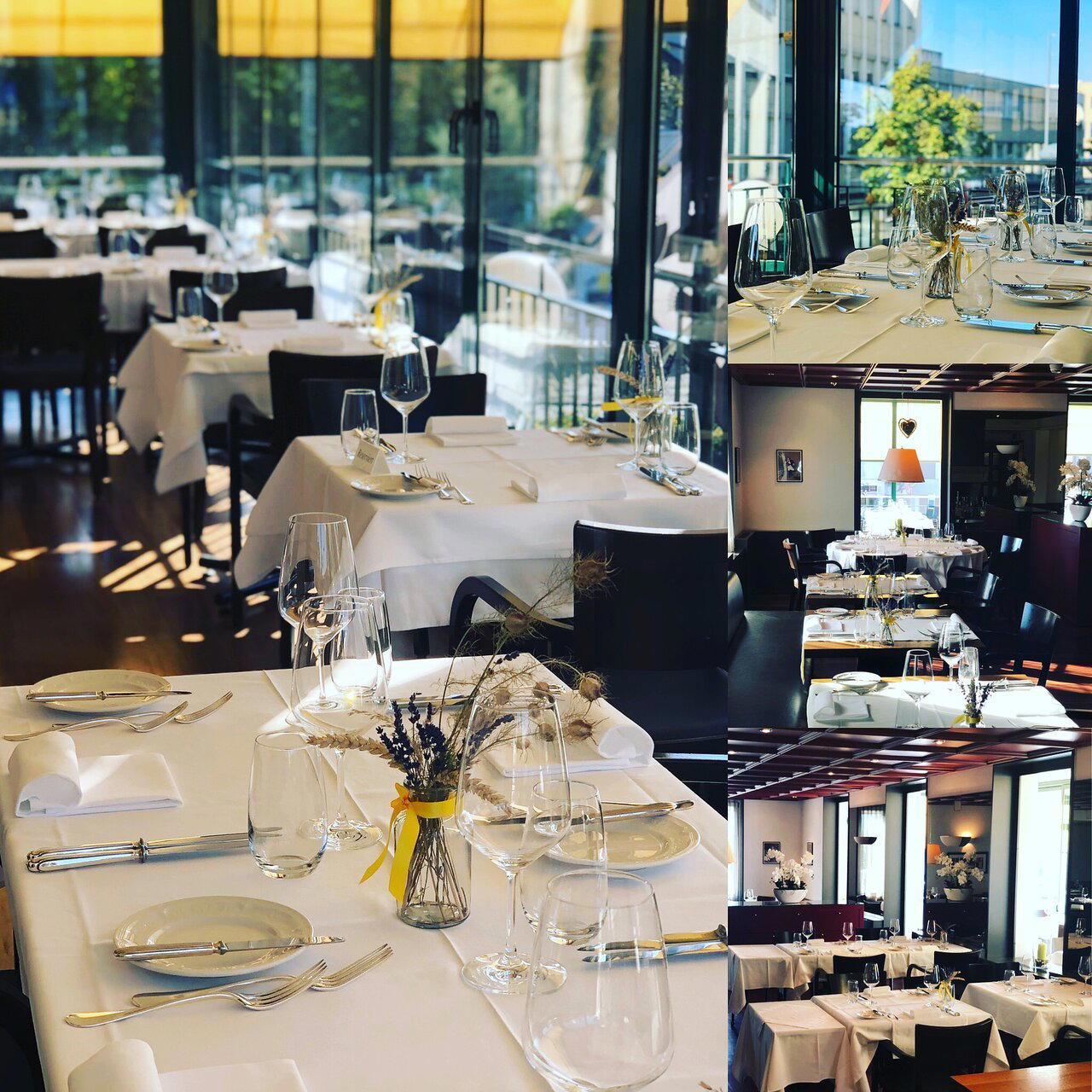
Wil's Dining Scene and Where Swan21 Fits
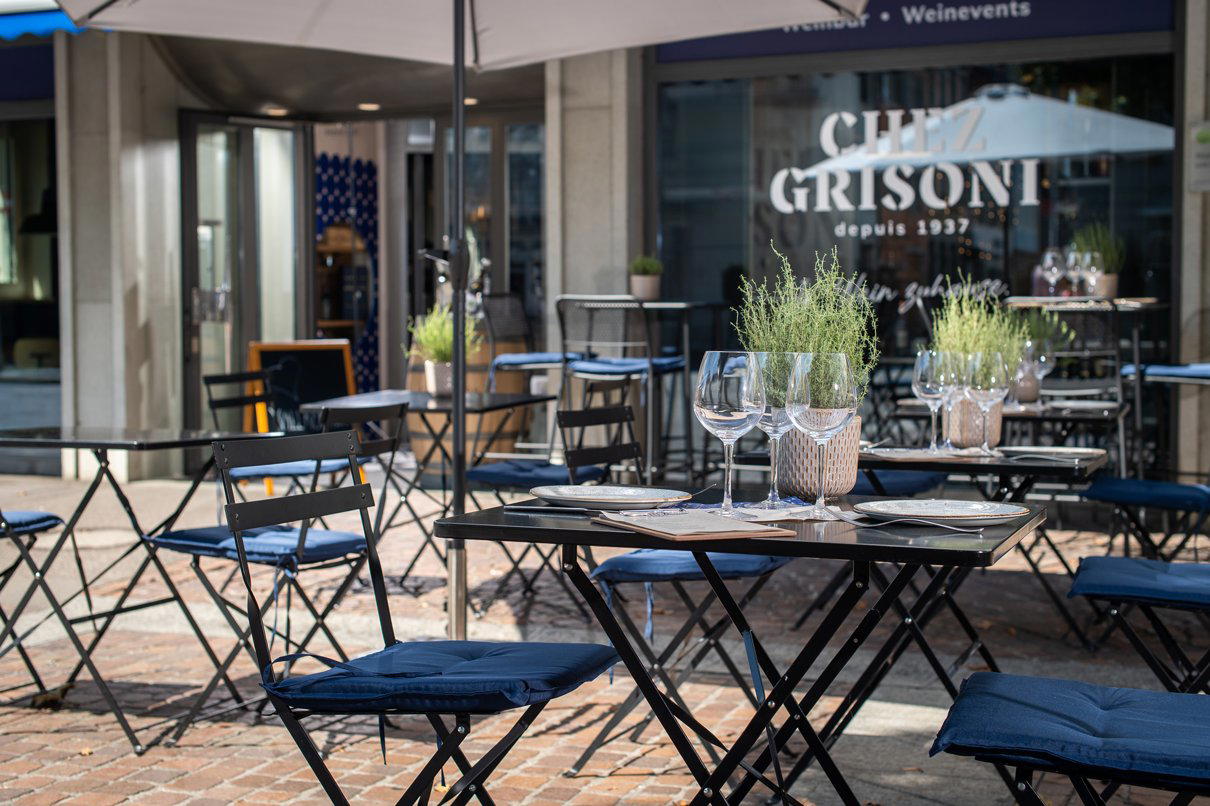
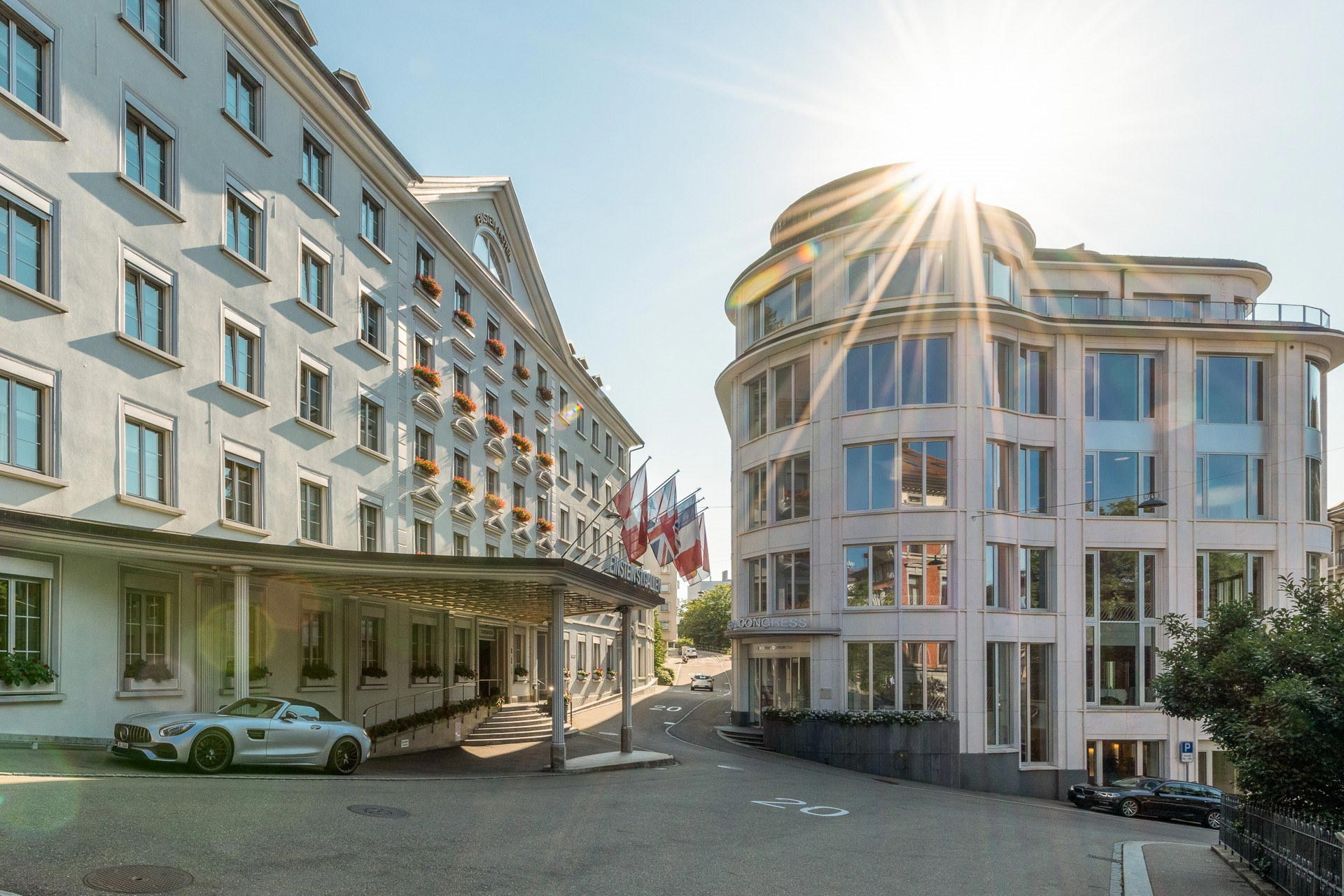
Eastern Switzerland's smaller towns rarely draw the international dining conversation that gravitates toward Zurich or Geneva, but the St. Gallen canton has been accumulating serious restaurant energy for years. Wil sits on that regional map as a rail-connected market town with a compact old quarter and a population that, by Swiss standards, expects a certain baseline of quality in its neighbourhood restaurants. On Obere Bahnhofstrasse, the main commercial artery running up from the station, swan21 occupies an address that places it firmly in the flow of daily town life rather than in any deliberately curated destination district. It is a modern Swiss restaurant with Mediterranean influences, serving a smart-casual dining room in central Wil.
Ingredient Sourcing in the St. Gallen Context
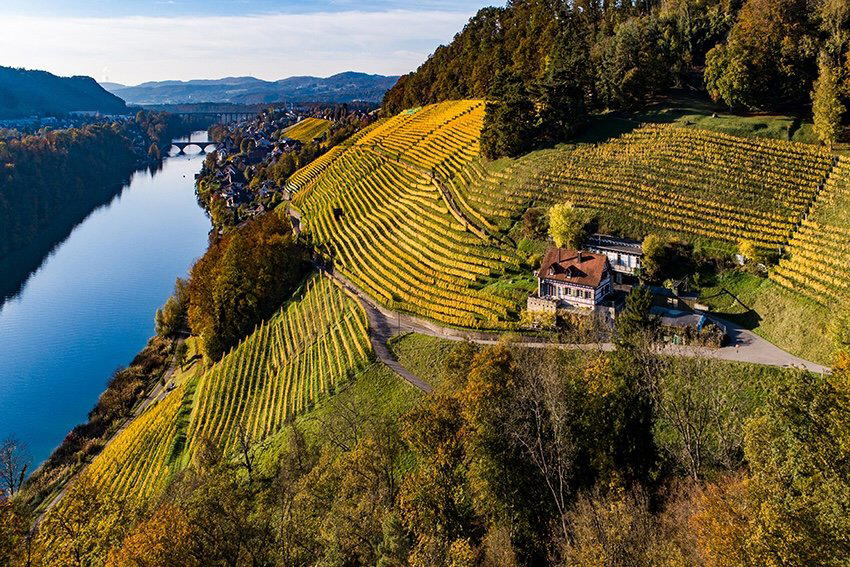
The St. Gallen region's agricultural character shapes what serious kitchens in this part of Switzerland have to work with. The canton's dairy tradition is among the more documented in the country, producing cheeses and cream that filter into both Appenzeller folk cooking and more technically precise modern menus. Proximity to the Rhine valley and Lake Constance opens access to freshwater fish that rarely appear on menus in Zurich at comparable quality because transport diminishes them. Kitchens in smaller cantonal towns that source locally have a structural advantage here: the gap between field and plate is shorter, and the relationships between chef and supplier tend to be more direct than in large urban restaurant groups operating across multiple sites.
This matters as a frame for evaluating any restaurant on Obere Bahnhofstrasse. Swiss produce at this regional level, when handled with discipline, competes with the raw material quality of better-resourced urban kitchens. The question, as always, is whether the kitchen treats that advantage as a starting point or as a crutch. Across eastern Switzerland's more recognised addresses, from Einstein Gourmet in Sankt Gallen to Memories in Bad Ragaz, the pattern that earns sustained recognition is one where regional sourcing becomes a discipline, not a marketing position.
The Eastern Switzerland Restaurant Tier
Switzerland's fine dining geography is frequently discussed in terms of Zurich, Basel, and the Romandy cities, but the eastern cantons have produced a distinct cluster of serious addresses. Schloss Schauenstein in Fürstenau established that destination dining could exist in genuinely remote cantonal settings. focus ATELIER in Vitznau and Magdalena in Schwyz demonstrate that the creative ambition associated with Swiss haute cuisine is not exclusive to major urban centres. Against that backdrop, Wil's restaurant scene occupies a middle tier: not a destination in the Fürstenau sense, but a town large enough and well-connected enough to sustain restaurants with genuine culinary intent.
Regulars matter in towns of this type, and kitchens that hold those regulars across years tend to develop a particular attentiveness to consistency that can be harder to sustain in high-turnover urban environments.
Placing Swan21 in a Wider Swiss Frame
But the Swiss dining culture that produced those kitchens runs deeper than its headline addresses. The intermediate layer of town restaurants in cantons like St. Gallen is where much of the actual daily cooking tradition gets sustained, adapted, and occasionally pushed forward.
That intermediate layer is also where sourcing decisions are most consequential. Without the buying power of a large group or the profile that attracts premium supplier relationships automatically, a kitchen in Wil has to earn its supply chain through local credibility. Across Switzerland, that dynamic has historically produced some of the country's most ingredient-driven menus, precisely because the kitchen has no other lever to pull.
Practical Planning
Comparable Venues
Comparable venues nearby, for context on price, style, and recognition.
| Venue | Cuisine | Price | Notes |
|---|---|---|---|
| swan21This venue — the venue you are viewing | Modern Swiss with Mediterranean Influences | $$$ | Not listed |
| Barcelona Central | Swiss-Spanish Fusion Tapas | $$ | old town |
| Rössli | Swiss with Sushi and European Influences | $$$ | Historic Altstadt |
| Restaurant Harder-Kulm | Swiss Alpine with Panoramic Views | $$$ | Harder Kulm |
| Schützenmatt | Traditional Swiss with Regional Seasonal Focus | $$ | Central Altdorf |
| Hotel Restaurant Alpenblick | Swiss Regional with Lake Views | $$$ | Weggis |
Continue exploring
More in Wil
Restaurants in Wil
Browse all →
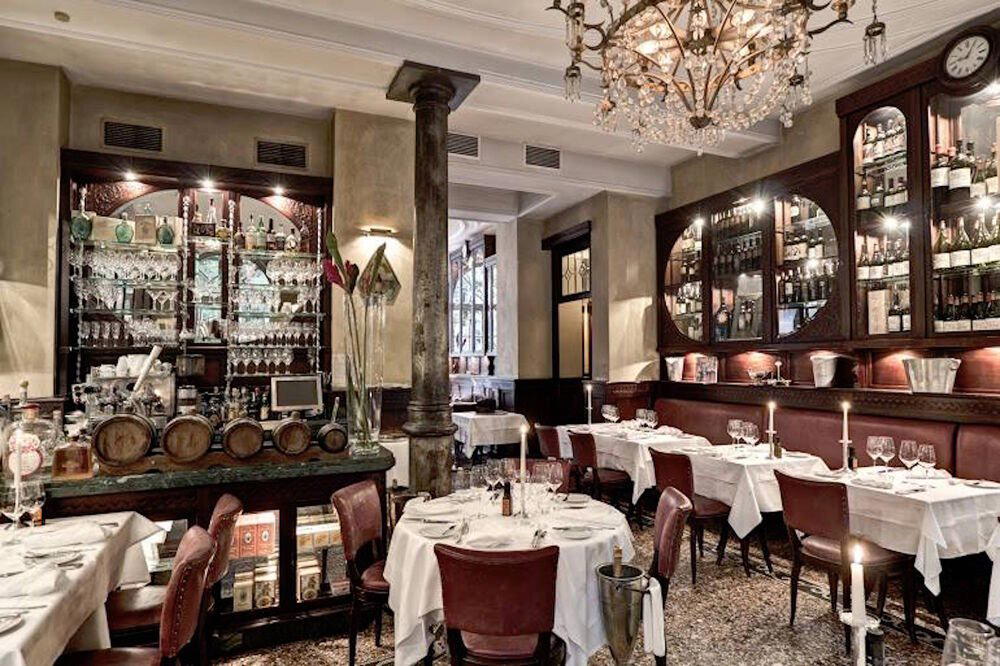
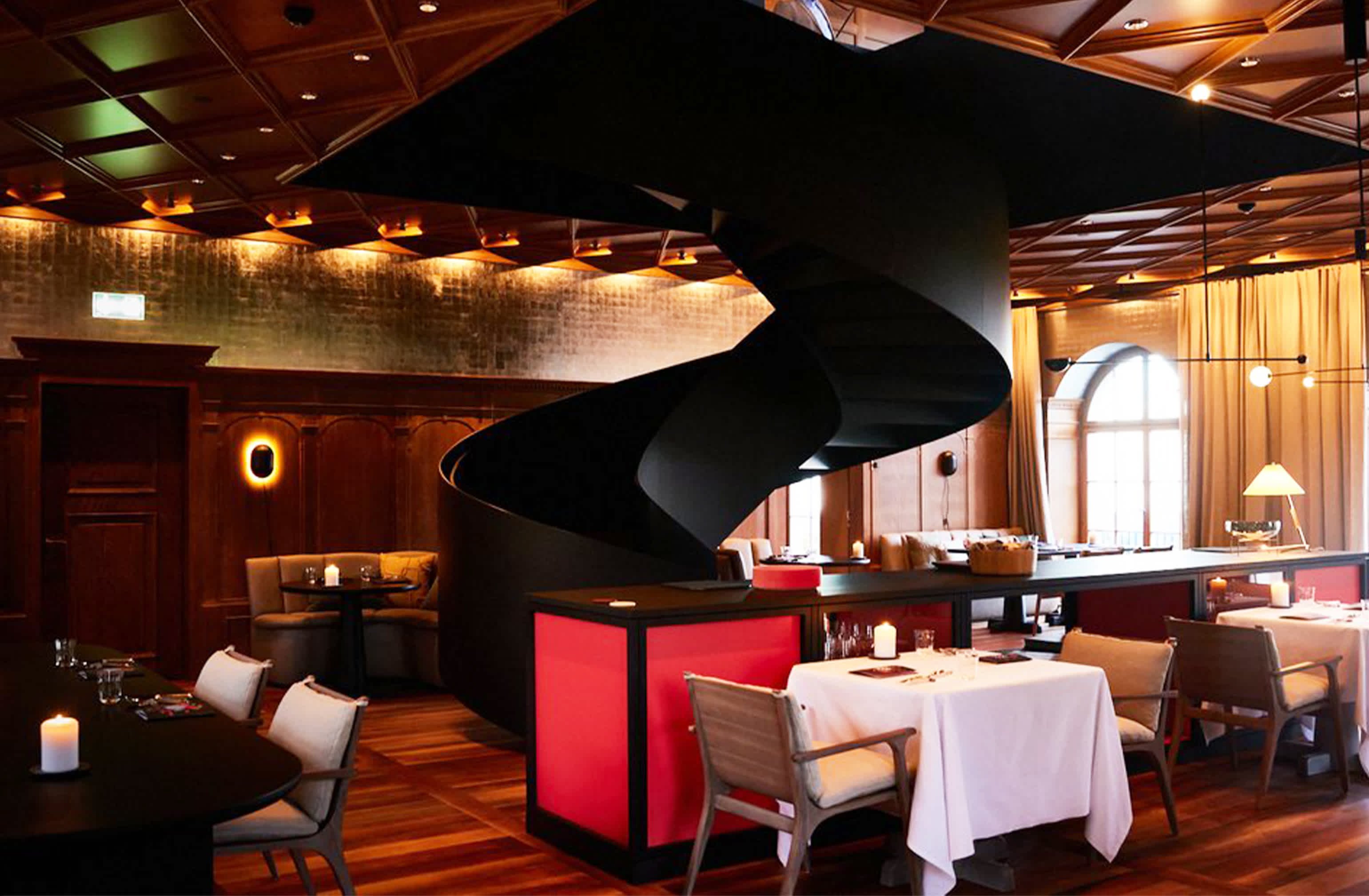
Bars in Wil
Browse all →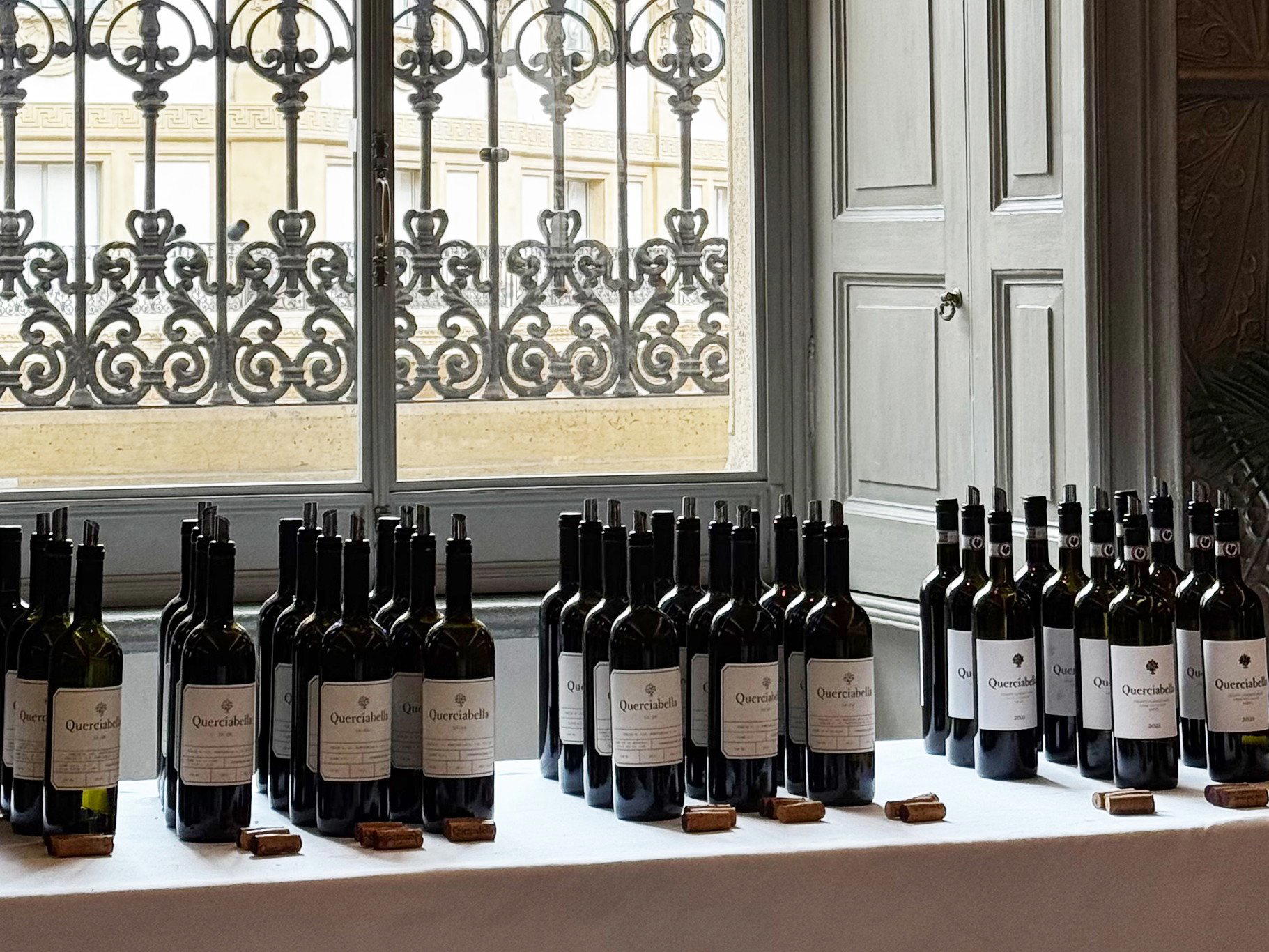
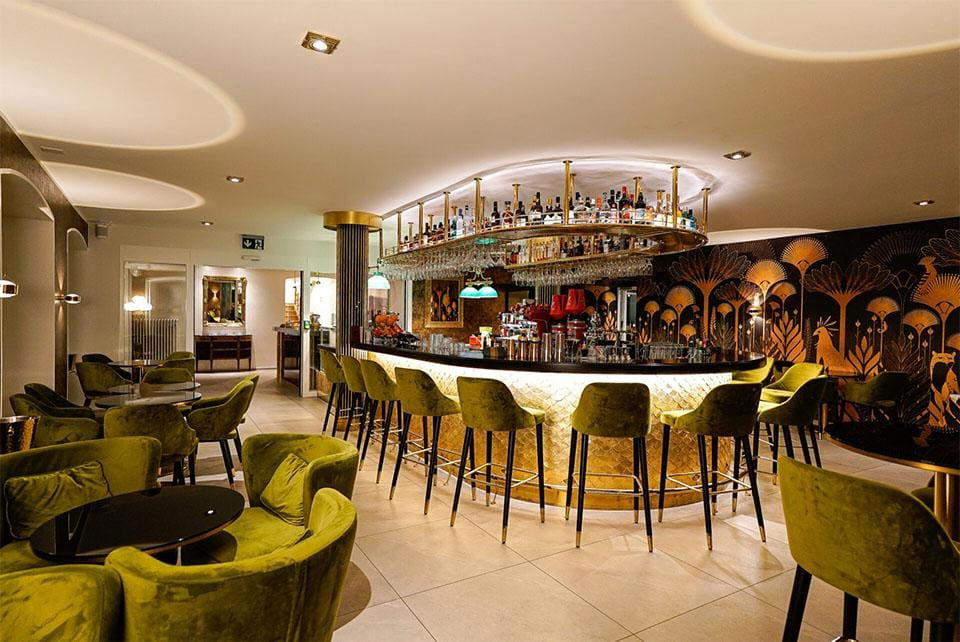

Hotels in Wil
Browse all →

At a Glance
- Elegant
- Cozy
- Romantic
- Sophisticated
- Date Night
- Business Dinner
- Family
- Celebration
- Terrace
- Hotel Restaurant
- Extensive Wine List
- Local Sourcing
- Street Scene
Current opening hours
- Monday
- 11:30 AM–2:30 PM, 6–10:30 PM
- Tuesday
- 11:30 AM–2:30 PM, 6–10:30 PM
- Wednesday
- 11:30 AM–2:30 PM, 6–10:30 PM
- Thursday
- 11:30 AM–2:30 PM, 6–10:30 PM
- Friday
- 11:30 AM–2:30 PM, 6–10:30 PM
- Saturday
- 11:30 AM–2:30 PM, 6–10:30 PM
- Sunday
- 11:30 AM–2:30 PM, 6–10:30 PM
Hours can change for holidays and private events. Last verified .
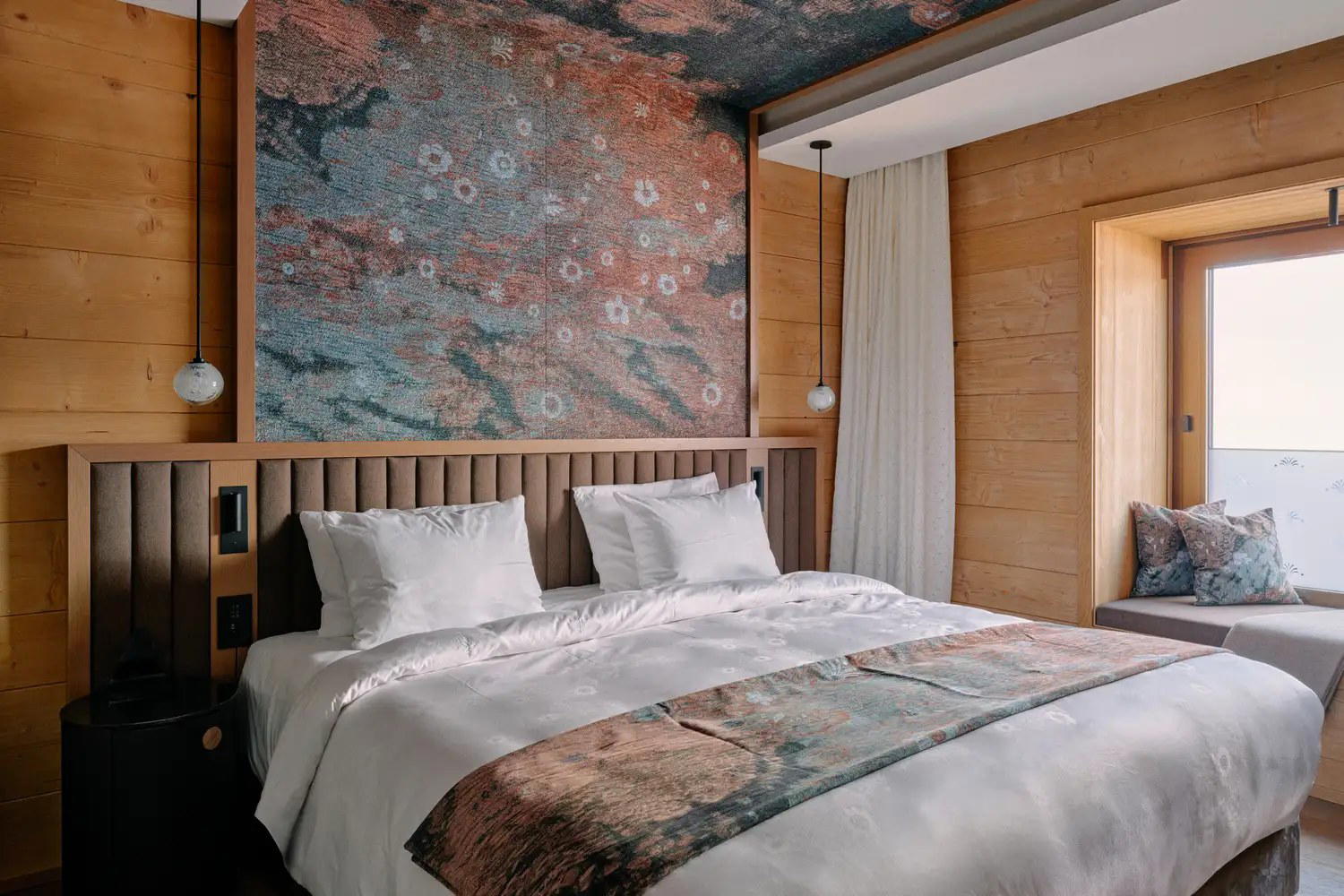
Cozy and elegant interior with refined atmosphere by the fireplace or in the popular conservatory, described as pleasant, welcoming, and calm.