Magdalena






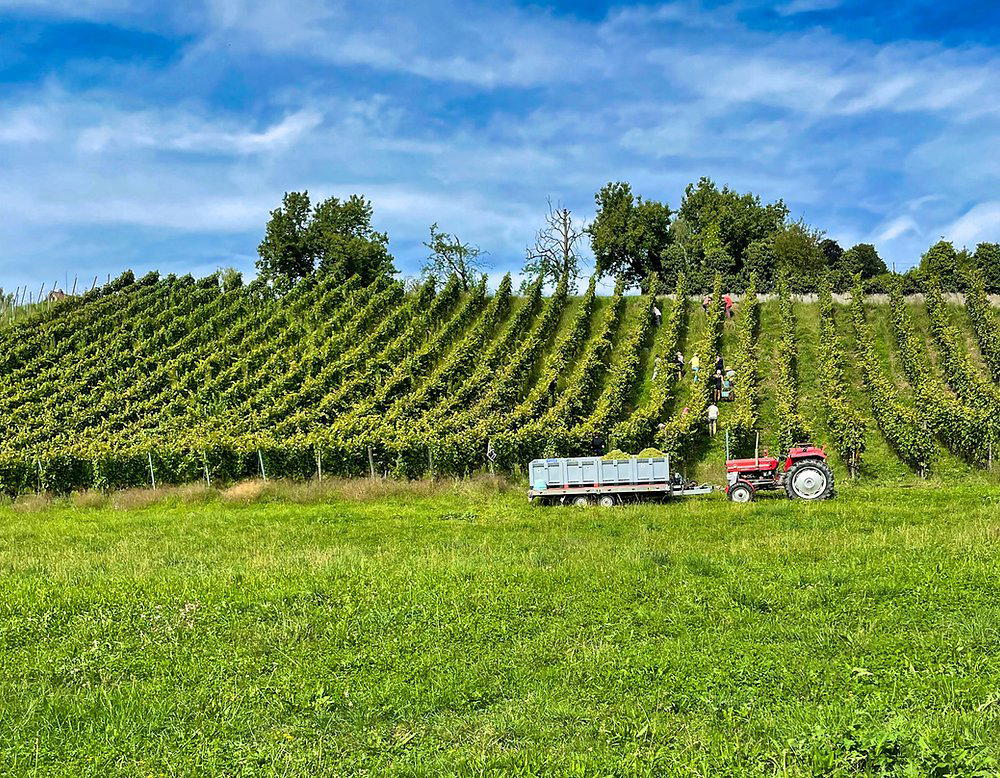
Two-Michelin-starred Magdalena Schwyz revolutionizes vegetarian fine dining through Chef Dominik Hartmann's "raw, rough, regional" philosophy, serving exclusively plant-based tasting menus sourced from neighboring organic farms. Set against dramatic alpine views, this intimate 40-seat destination has rapidly become Switzerland's most acclaimed vegetarian restaurant.
Pearl is the En Primeur Club membership app — saves, bookings, and concierge access live there. Same editors, same standards.
- Address
- Rickenbachstrasse 127, 6432 Rickenbach, Switzerland
- Phone
- +41 41 810 06 06
- Website
- restaurant-magdalena.ch
- Directions
- Get directions
 Saves & bookings on Pearl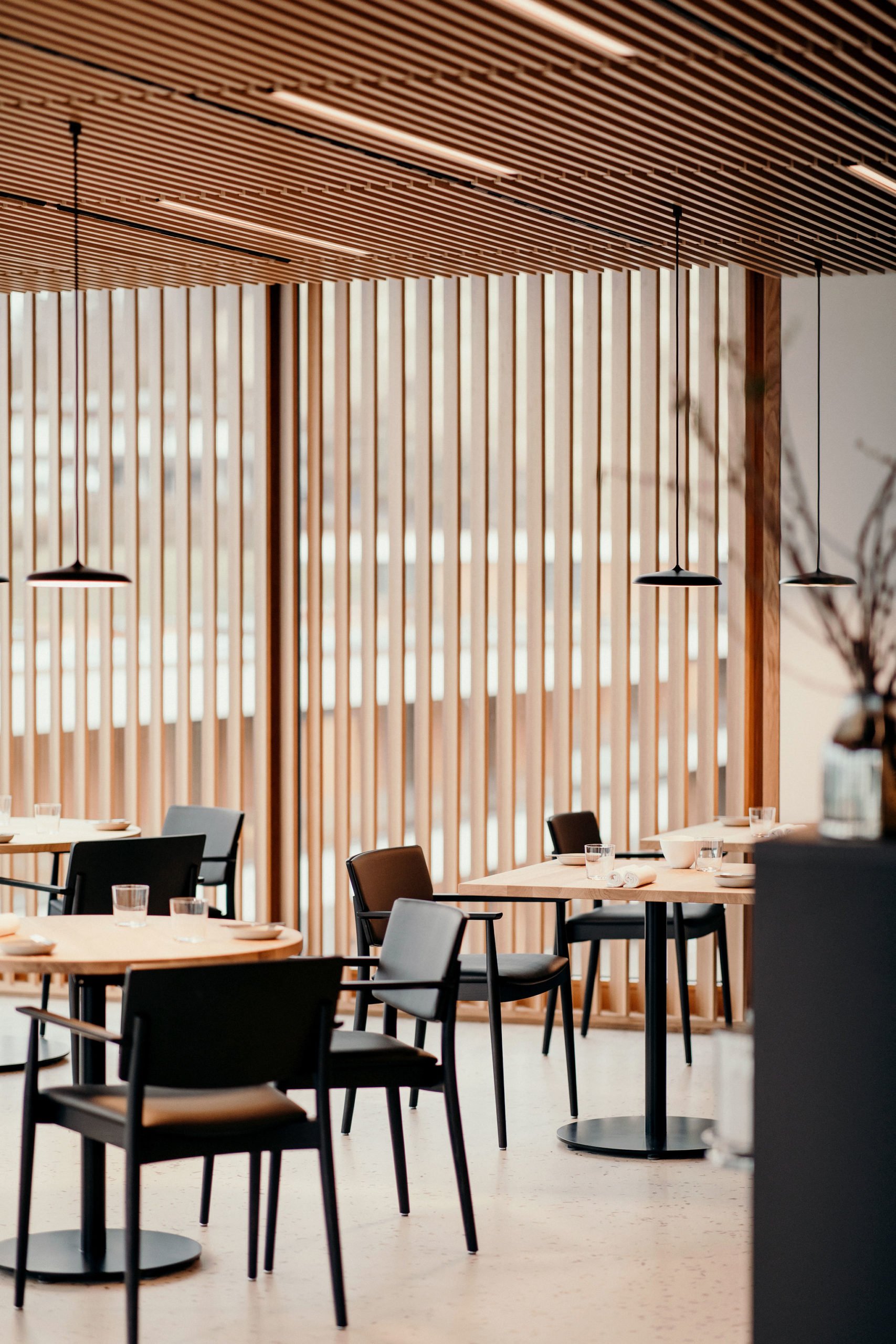
A Chapel Road in Canton Schwyz, and What It Signals
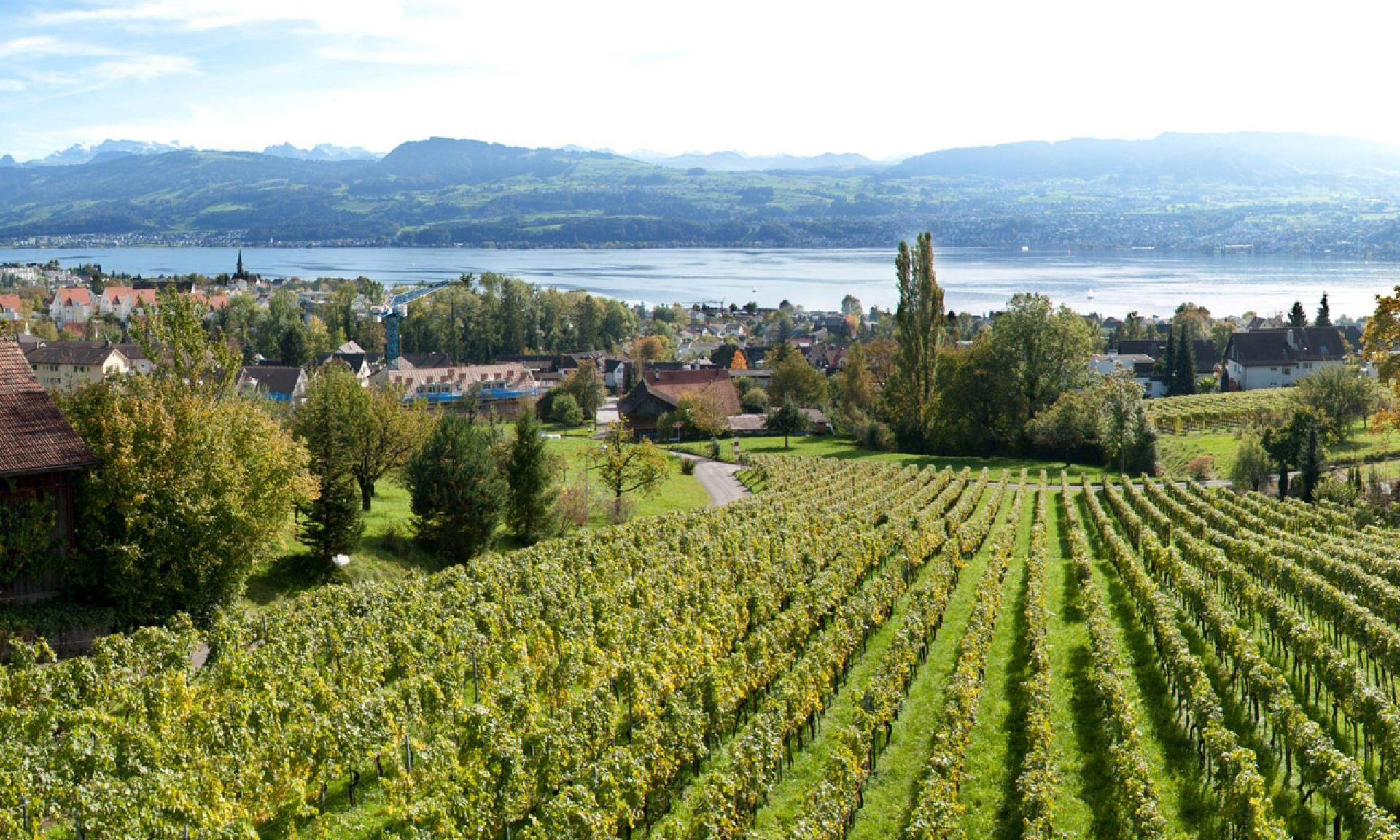
The road to Rickenbach runs out of Schwyz along the lower slopes of the Mythen massif, past farmhouses and the kind of quiet that central Switzerland does without effort. The St. Mary Magdalene chapel sits here too, a small stone structure that has oriented this corner of the canton for centuries. Magdalena, the two-Michelin-starred restaurant at Rickenbachstrasse 127, occupies the same address and draws on the same name. The proximity is not incidental. It sets a tone: considered, rooted, removed from the urban circuits where fine dining usually announces itself.
Why Vegetables Lead Here, Not Substitute
Plant-based fine dining has a credibility problem in much of the world. The instinct in many kitchens is to treat it as dietary accommodation, a parallel track for guests who cannot eat meat, rather than a primary culinary language with its own grammar and logic. Magdalena does not operate on that logic. Chef Dominik Hartmann runs a 100% plant-based kitchen at two-Michelin-star level, which places him in a small global cohort. The distinction matters: this is not a restaurant that has removed meat from an otherwise conventional menu. The cuisine is conceived entirely around what plants can do at high culinary intensity.
Switzerland's fine dining canon is heavily anchored in classical technique and protein-centered cooking. The country's most decorated tables, from Hotel de Ville Crissier in Crissier to Cheval Blanc by Peter Knogl in Basel and Schloss Schauenstein in Fürstenau, work within traditions where game, fish, and meat carry structural weight. Magdalena operates in deliberate contrast. It does not compete with those kitchens on their terms; it defines a different set of terms entirely. La Liste scored it 87 points in 2026 and 89 points in 2025, recognizing Hartmann's approach as a "clear choice for the future" in its own language, one that is, as La Liste notes, now "universally accepted" at the highest culinary level.
The argument embedded in this kitchen is not ideological in a polemical sense. It is technical: that vegetable-based cooking, when approached with the same rigor applied to classical haute cuisine, produces results that warrant two Michelin stars on their own terms. The 2024 and 2025 awards confirm that the Michelin inspectors found that argument persuasive.9 across 378 reviews suggests that guests arriving without preconceptions leave convinced as well.
The Alpine Context Changes the Conversation
Discussing plant-based cooking in a Swiss alpine context adds a layer that urban fine dining rooms do not carry. The Alpine food tradition is not historically vegetable-forward. It runs on dairy, preserved meats, root vegetables in winter, and a pantry shaped by altitude and season. Hartmann is working against and within that tradition simultaneously: the landscape and its seasonal rhythms presumably inform what arrives in the kitchen, while the cuisine itself upends the assumptions of what alpine cooking resolves into on the plate.
This is the territory that distinguishes Magdalena from comparable plant-led restaurants operating in metropolitan centers. A fully plant-based two-star kitchen in Paris or Tokyo has access to global supply and a guest base already fluent in fine dining avant-garde. In Rickenbach, Schwyz, the location itself is editorial. It asks a question about whether serious plant-based cuisine can anchor itself in a region where the culinary identity runs in a different direction, and then answers it with two consecutive years of two Michelin stars.
Restaurants at comparable price and ambition levels in the Swiss alpine corridor, including Memories in Bad Ragaz, 7132 Silver in Vals, and focus ATELIER in Vitznau, all operate within more conventional protein and technique frameworks. Magdalena's comparable set in terms of the plant-based proposition extends well beyond Switzerland, toward a handful of destination restaurants in Europe and North America that have staked their reputations on the same argument. In New York, kitchens like Atomix demonstrate that a single-minded culinary philosophy pursued at high technical levels can sustain demanding critical scrutiny. Magdalena occupies the same category of conviction-driven fine dining, operating from a position of geographic removal that amplifies the stakes rather than mitigating them.
Format, Access, and Planning the Visit
Magdalena operates on a schedule that reflects its positioning as a destination restaurant rather than a neighborhood dining room. The kitchen is closed Monday and Tuesday. Wednesday and Thursday service runs dinner only, from 6:30 to 11 pm. Friday follows the same dinner window. Saturday and Sunday extend to full service: lunch from 11:45 am to 4 pm and dinner from 6:30 to 11 pm. The weekend lunch slot is notable at this level; it opens access for guests traveling from Zurich or Lucerne who prefer not to stay overnight, though the dinner format is more typical for restaurants operating at the €€€€ price tier.
At €€€€ pricing, Magdalena sits in the same bracket as IGNIV Zürich by Andreas Caminada, Einstein Gourmet in Sankt Gallen, and Colonnade in Lucerne. The address at Rickenbachstrasse 127 in Rickenbach is distinct from Schwyz town center; guests arriving by car will find this direct, but those relying on public transport should plan the final approach carefully.
The La Liste recognition and consecutive two-star Michelin status mean that forward planning is advisable. Two-star destination restaurants in Switzerland with this level of press recognition typically fill weeks in advance, particularly for Friday and Saturday dinner service. Weekend lunch, if availability patterns follow the usual logic for this format, may offer more flexibility.
Where Magdalena Sits in the Broader Swiss Fine Dining Picture
Switzerland's three-Michelin-star tier includes kitchens that have defined European fine dining for decades. The two-star level is where particularly interesting competitive tension currently sits: restaurants at this level are either consolidating toward a third star or establishing a specific identity that makes the star count secondary to the proposition. Magdalena is firmly in the second category. The question its cuisine poses, about what plant-based cooking can achieve at this level of technical ambition, is more interesting to many guests than the star trajectory.
For those building a broader Swiss fine dining itinerary, restaurants like Da Vittorio in St. Moritz and L'Atelier Robuchon in Geneva represent the classical protein-anchored pole of Swiss high dining. Magdalena represents something genuinely different in category, not just in menu composition. Placing it on the same itinerary as one of those more classical rooms creates a useful contrast that makes both experiences more legible.
La Liste's framing of Magdalena as operating in a "holy place" next to the chapel carries a quality of reverence that the scoring data also reflects: 87 and 89 points across two consecutive years is a consistent high-band result in a list that covers the entire global restaurant spectrum. For guests whose reference points extend beyond Europe, the nearest analogue in ambition and category-definition commitment might be Le Bernardin in New York City, a kitchen that similarly built its identity on a single-ingredient category and defended that identity at the highest critical level for decades. The commitment is the same; the medium is different.
Comparable Venues
Comparable venues nearby, for context on price, style, and recognition.
| Venue | Cuisine | Price | Awards | Notes |
|---|---|---|---|---|
| MagdalenaThis venue — the venue you are viewing | Modern Vegetarian Fine Dining | $$$$ | Michelin 2 Star | Not listed |
| Engel | French Brasserie with Swiss Regional | $$ | Not listed | centre |
| Obstmühle | Swiss Market-Fresh Cuisine | $$$ | Not listed | Schwyz |
| Colonnade | Modern French Haute Cuisine | $$$$ | Michelin 2 Star | Lakeside |
| Da Vittorio - St. Moritz | Italian | $$$$ | Michelin 2 Star | St. Moritz |
| Kronenhalle | Classic Swiss Fine Dining | $$$$ | Michelin Plate, World's 50 Best #32 | Fluntern |
Recognition history
Dated appearances from independent guides and award organizations, with the underlying list record or original source where available.
Falstaff Restaurant - 97 Falstaff Points
Falstaff
La Liste Top Restaurants
La Liste
Opinionated About Dining Top Restaurants in Europe Recommended
Opinionated About Dining
La Liste Top Restaurants
La Liste
Michelin 2 Stars
Michelin
The Best Chef Two Knives
The Best Chef
We're Smart World Top 100 #34
We're Smart World
We're Smart World 5 Radishes
We're Smart World
Michelin 2 Stars
Michelin
Continue exploring
More in Schwyz
Restaurants in Schwyz
Browse all →
Bars in Schwyz
Browse all →
Hotels in Schwyz
Browse all →

At a Glance
- Modern
- Elegant
- Cozy
- Sophisticated
- Date Night
- Special Occasion
- Terrace
- Extensive Wine List
- Local Sourcing
- Farm To Table
- Organic
- Mountain
- Waterfront
Current opening hours
- Monday
- Closed
- Tuesday
- Closed
- Wednesday
- Closed
- Thursday
- 6:30–11 PM
- Friday
- 6:30–11 PM
- Saturday
- 11:45 AM–4 PM, 6:30–11 PM
- Sunday
- 11:45 AM–4 PM, 6:30–11 PM
Hours can change for holidays and private events. Last verified .
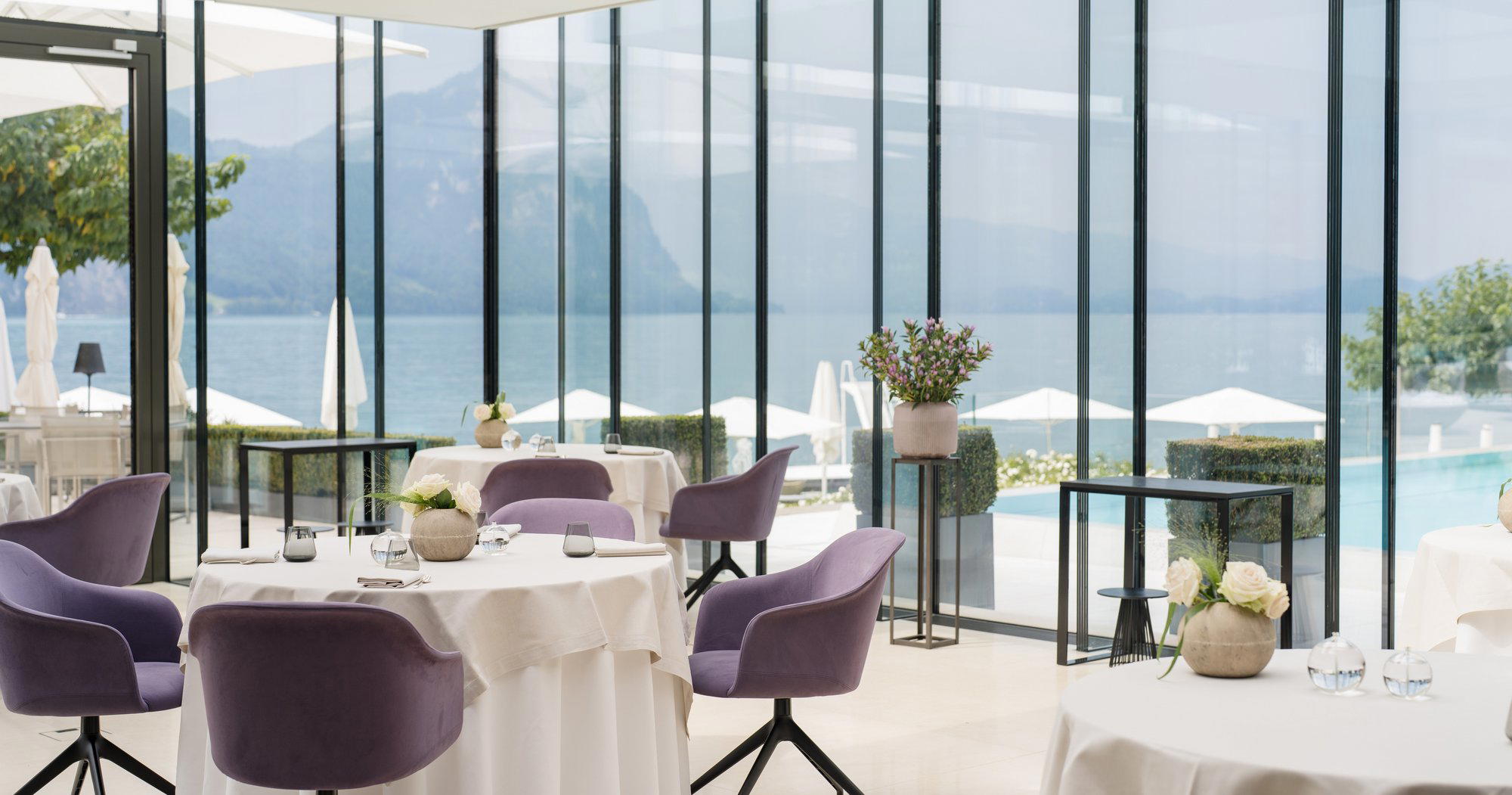
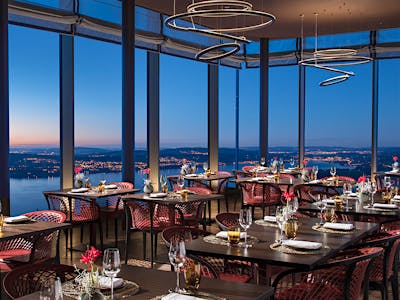
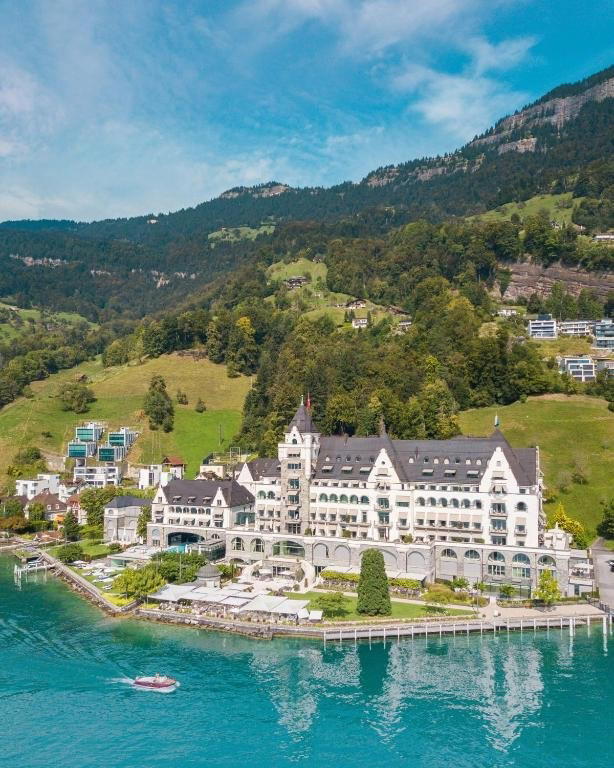
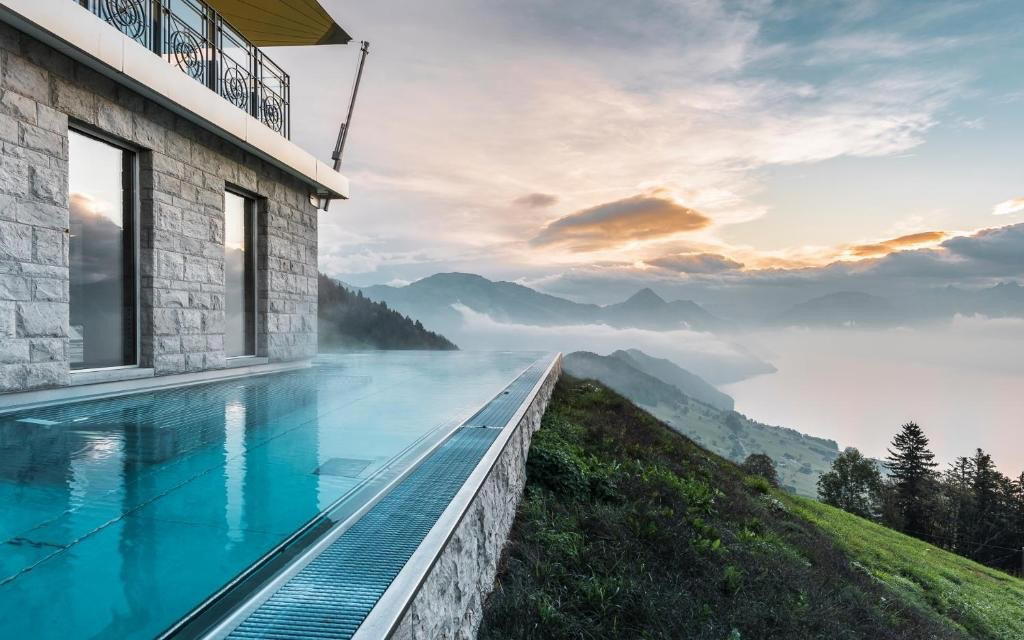
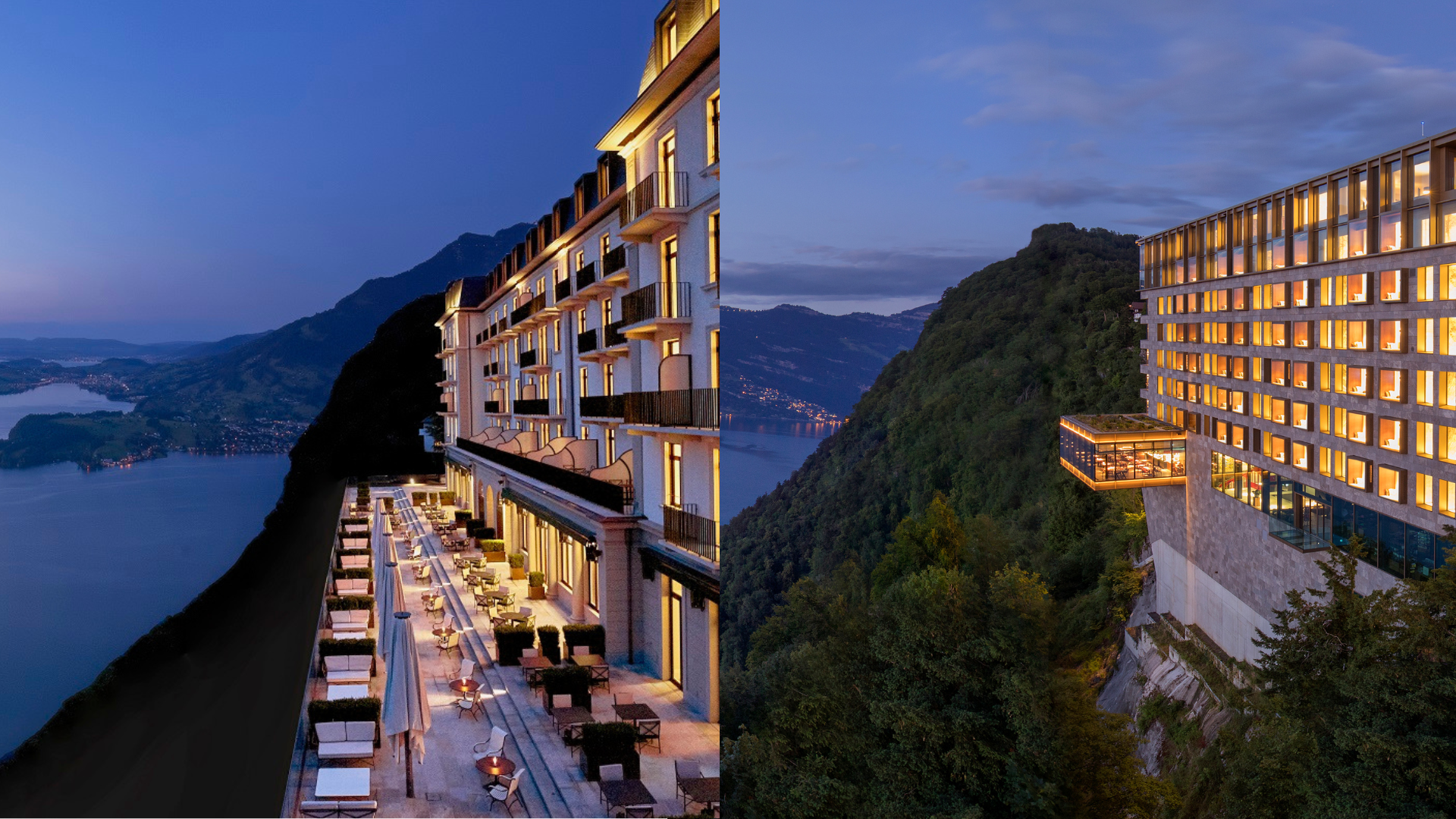
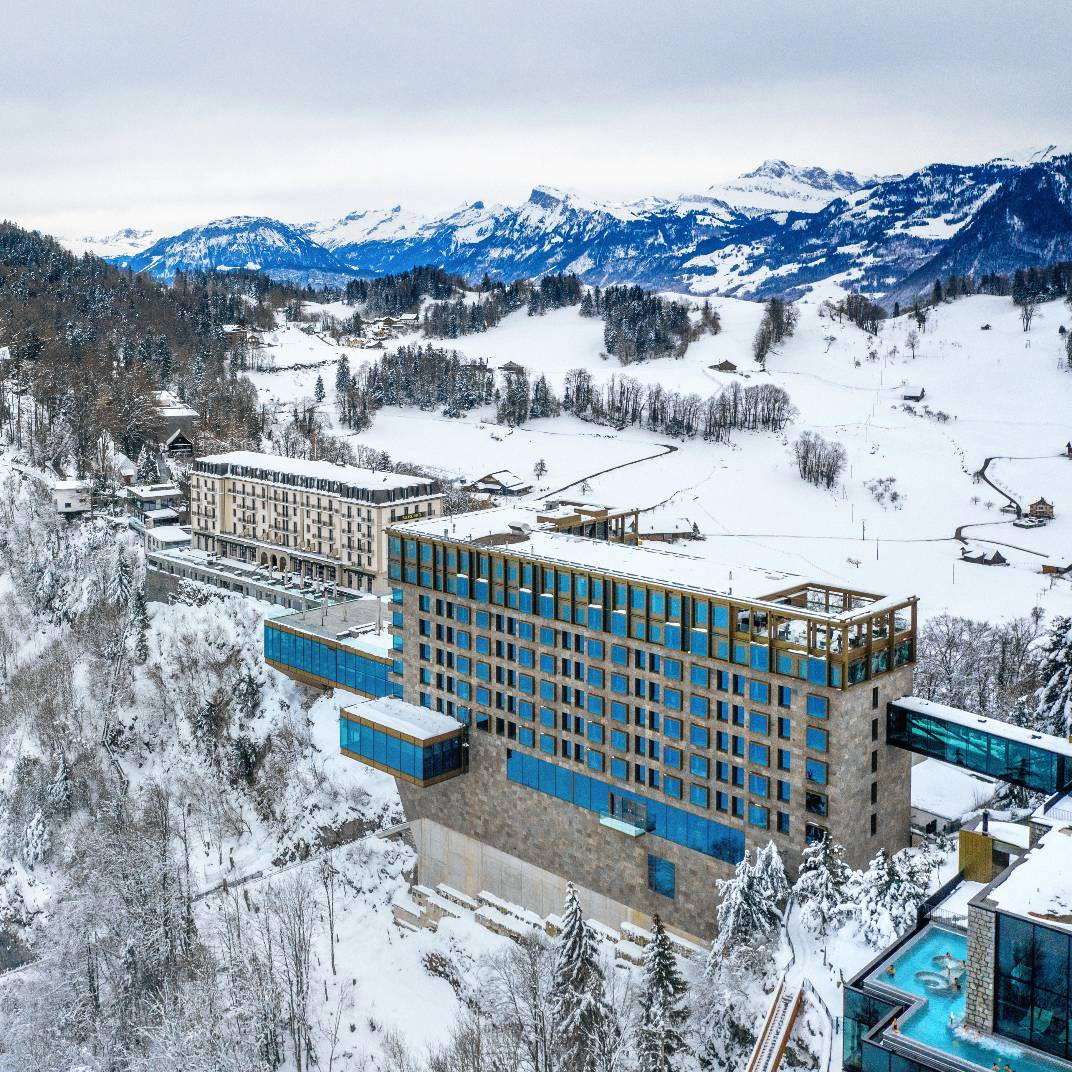
Sleek, upscale interior blending modern design with historic wooden beams, natural colors, warm lighting, and floor-to-ceiling windows offering impressive lake and Alpine views.