Restaurant Andreas Scholz occupies a quiet address on Prellerstraße in Weimar, a city whose cultural density sits well above its size. The restaurant places itself within Thuringia's emerging fine dining conversation, where sourcing decisions and regional produce are doing much of the editorial work. For visitors building an itinerary around Germany's lesser-mapped dining destinations, it belongs on the shortlist.
 Discover on Pearl
Pearl is the En Primeur Club membership app — saves, bookings, and concierge access live there. Same editors, same standards.
- Address
- Prellerstraße 2, 99423 Weimar, Germany
- Phone
- +493643861922
- Website
- restaurant-andreas-scholz.de
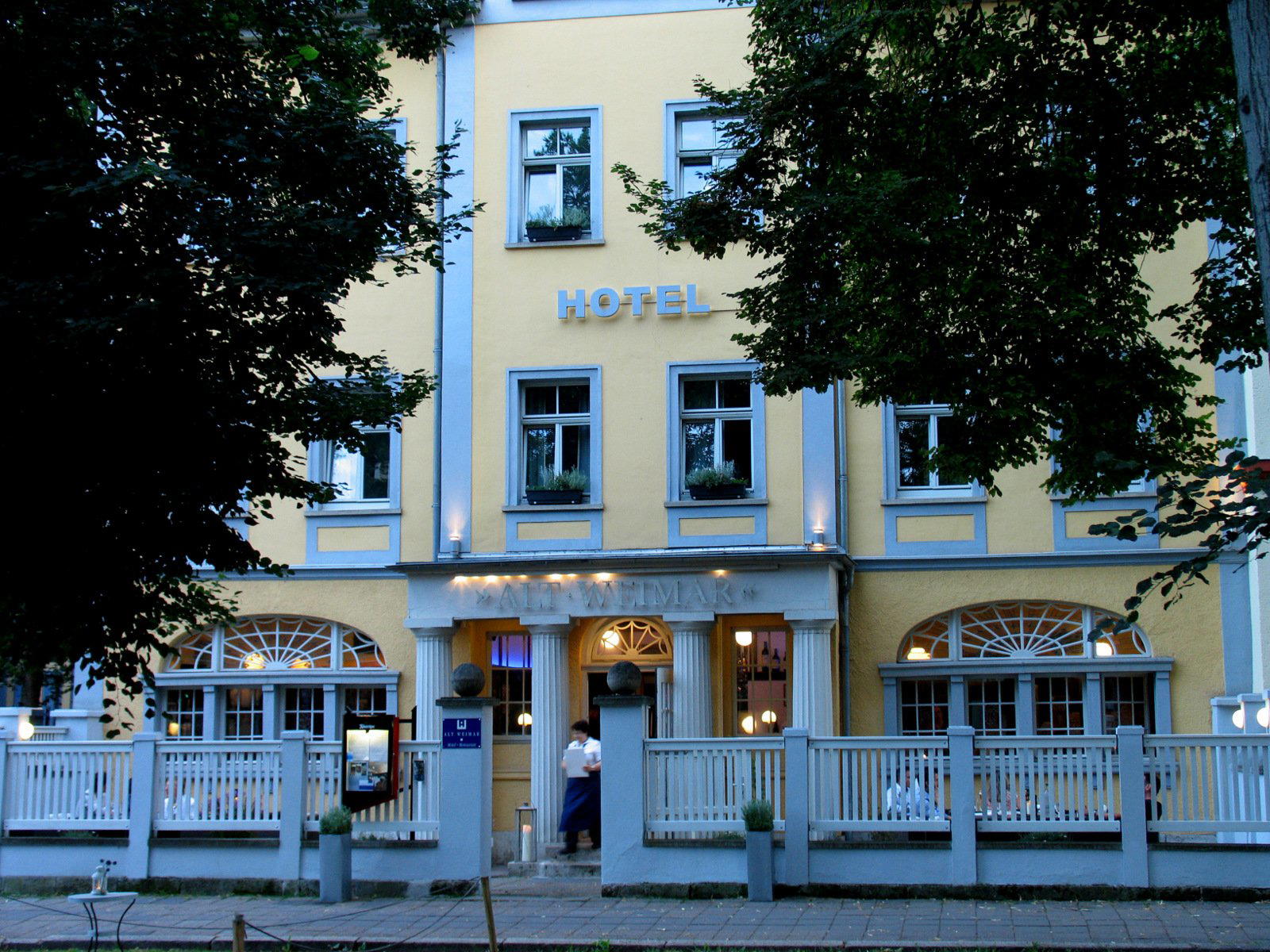
Weimar's Fine Dining Context: A City Punching Above Its Plate
Weimar is better known for Goethe, Schiller, and the Bauhaus school than for its restaurant scene, but that framing is increasingly out of date. Thuringia as a whole has spent the last decade quietly building a case for serious regional cooking, and Weimar sits at the center of that argument. The city's size, around 65,000 residents, would ordinarily place it in a secondary tier of German dining, but the concentration of cultural institutions, heritage tourism, and a notably educated local population has created conditions where a kitchen that takes its sourcing seriously can find an audience. Restaurant Andreas Scholz is a contemporary German restaurant at Prellerstraße 2, 99423 Weimar, Germany.
In Germany's broader fine dining geography, the most decorated addresses cluster in Munich, Hamburg, and the Rhine corridor, venues like Aqua in Wolfsburg, Vendôme in Bergisch Gladbach, and Restaurant Haerlin in Hamburg represent the highest tier of the German dining establishment, each operating within well-mapped critical frameworks. Thuringia sits outside those circuits. That distance cuts both ways: there is less critical infrastructure to validate a kitchen's ambition, but also less pressure to perform against a well-worn template. What gets cooked in Weimar tends to be cooked on its own terms.
Ingredient Sourcing as the Central Argument
Thuringia's agricultural character, forested hills, river valleys, and a farming tradition that predates modern supply chains by centuries, gives kitchens here a sourcing story that is genuinely different from what a Munich or Hamburg restaurant can tell. The region produces Rostbratwurst under protected geographical indication, cultivates Rhön lamb across its upland areas, and has a mushroom and game season that runs long and deep into autumn. These are not decorative local touches. They represent a supply infrastructure that a kitchen can actually build a menu around, season to season.
The broader European fine dining conversation has shifted noticeably toward sourcing transparency over the past decade. Where tasting menus once led with technique, the more interesting rooms now lead with provenance, the farm, the forager, the cooperative. Germany has been slower than Scandinavia or the Basque Country to make this shift central to its critical identity, but the movement is visible across the country's more thoughtful kitchens. Venues like ES:SENZ in Grassau and Schwarzwaldstube in Baiersbronn have built part of their identity around regional material. In Weimar, a kitchen on Prellerstraße has the raw material to make a comparable argument, if the sourcing discipline is there.
Where This Restaurant Sits in the Weimar Picture
Weimar's restaurant scene is not large. The city supports a handful of addresses that take cooking seriously, with AnnA (Contemporary) representing the most visible pole of the local fine dining conversation. Andreas Scholz on Prellerstraße occupies its own address in that compact field. For visitors who have spent time in Germany's most decorated kitchens, or those tracking the country's more ambitious regional cooking from a distance, the Weimar scene offers something that the established circuit does not: a chance to eat in a city that is still building its culinary identity rather than defending one already set.
Germany's decorated regional restaurants often operate in similarly unexpected locations. Waldhotel Sonnora in Dreis, Schanz in Piesport, and Bagatelle in Trier all demonstrate that serious cooking in Germany does not require a major city address. The model is well established. What varies is whether the kitchen uses its provincial setting to source more deliberately or simply to operate at lower cost. That distinction is what separates the interesting restaurants from the merely competent ones.
Those building a wider German itinerary around fine dining might also consider how Weimar connects to destinations further afield: JAN in Munich, CODA Dessert Dining in Berlin, Victor's Fine Dining by christian bau in Perl, ATAMA by Martin Stopp in Sankt Ingbert, AUGUST in Augsburg, and ammolite - The Lighthouse Restaurant in Rust each represent the kind of regional ambition that rewards a detour. For international reference points, Le Bernardin in New York City and Atomix in New York City illustrate how sourcing-led and produce-focused philosophies play out at the highest levels of critical recognition.
Planning Your Visit
Prellerstraße 2 places the restaurant within walking distance of Weimar's central cultural quarter, making it a natural anchor for an evening after the Bauhaus Museum or the Duchess Anna Amalia Library. Weimar is accessible by rail from Erfurt in under fifteen minutes, and Erfurt itself connects directly to Frankfurt and Berlin on the ICE network, making the city more reachable than its size suggests. Given the limited volume of serious restaurants in Weimar, booking ahead is the sensible approach regardless of the specific format the kitchen runs.
At-a-Glance Comparison
Comparable venues nearby, for context on price, style, and recognition.
| Venue | Cuisine | Price | Awards | Notes |
|---|---|---|---|---|
| Restaurant Andreas ScholzThis venue — the venue you are viewing | Contemporary German | $$$ | , | |
| AnnA | Modern German Regional | $$$ | Michelin Plate | Downtown |
| Hotel & Spa Suiten FreiWerk | Regional German Cuisine | $$$ | , | Südharz / Stolberg |
| FERDINANDS Restaurant | Modern German Fusion | $$$ | , | Stadtmitte |
| Marstall Festzelt | Traditional Bavarian Oktoberfest | $$ | , | Theresienwiese |
| Café Luise | German Café | $$ | , | Zentrum-West |
Continue exploring
More in Weimar
Restaurants in Weimar
Browse all →
At a Glance
- Classic
- Elegant
- Historic
- Special Occasion
- Historic Building
- Terrace
- Street Scene
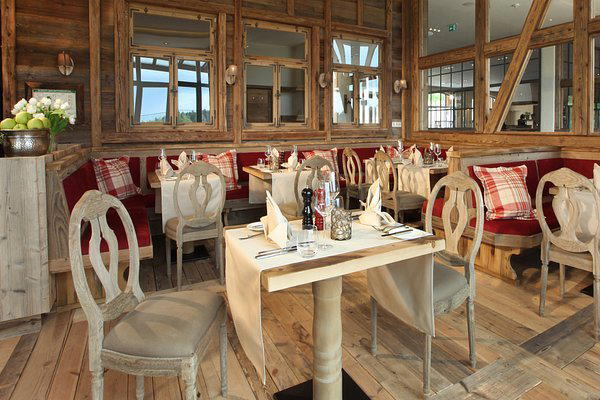
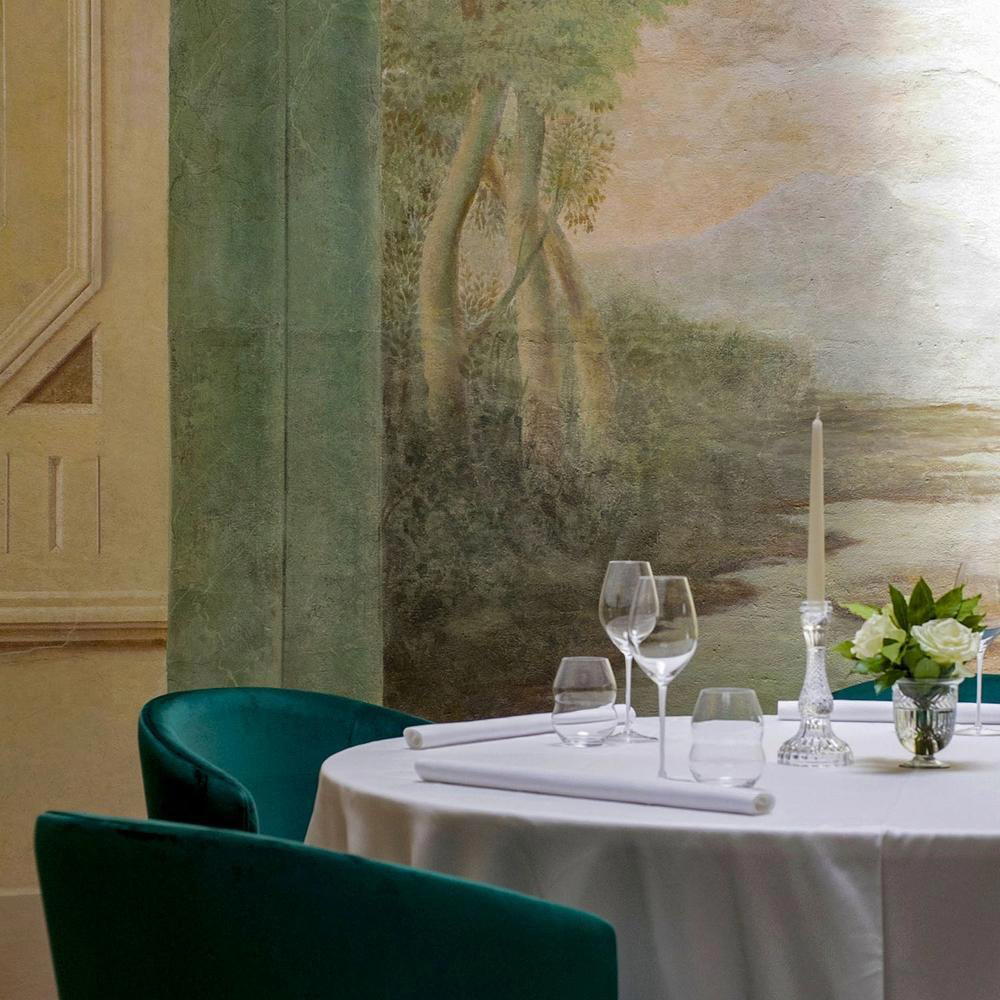
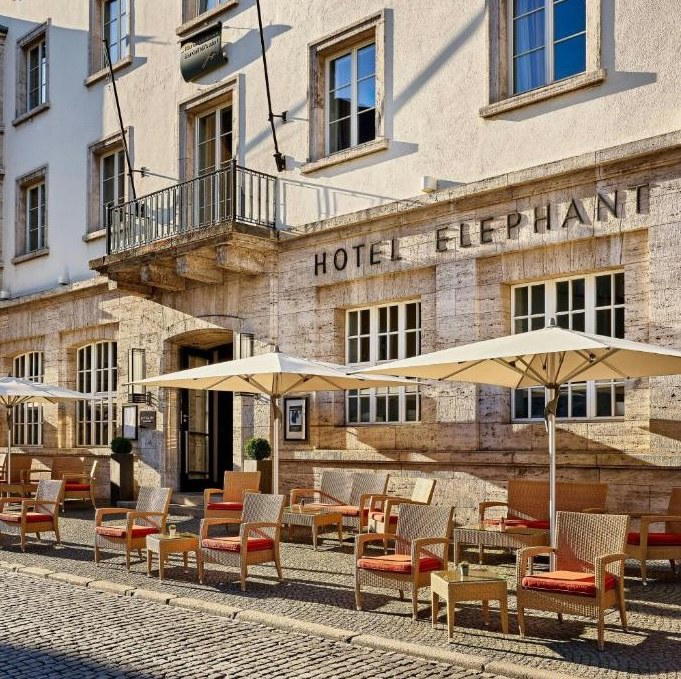
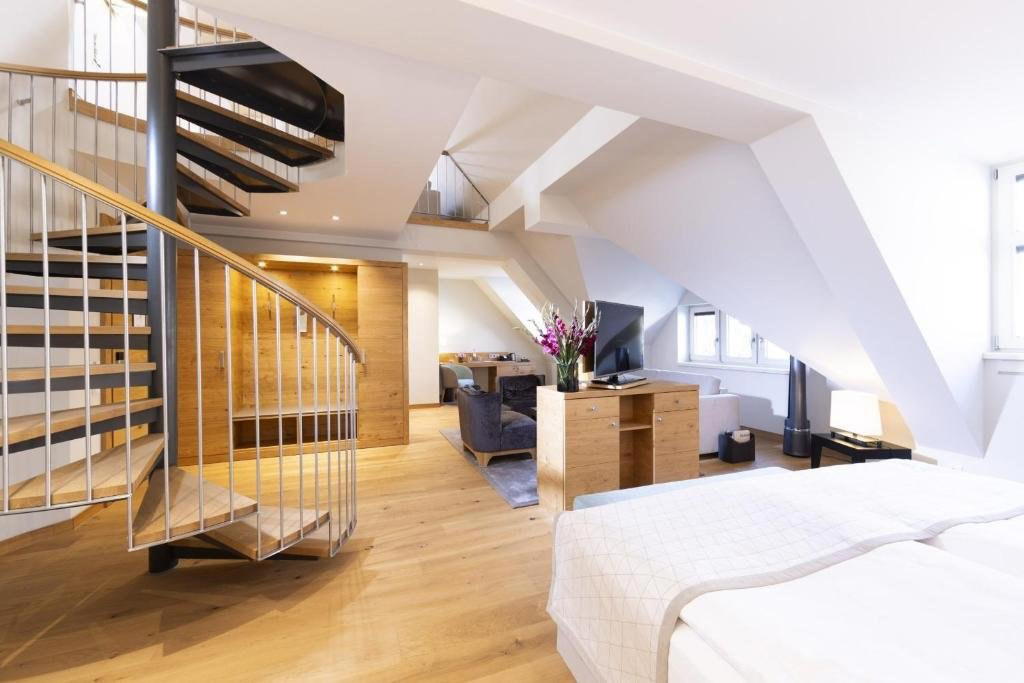
Classic and elegant atmosphere in a historic building with a nice terrace.