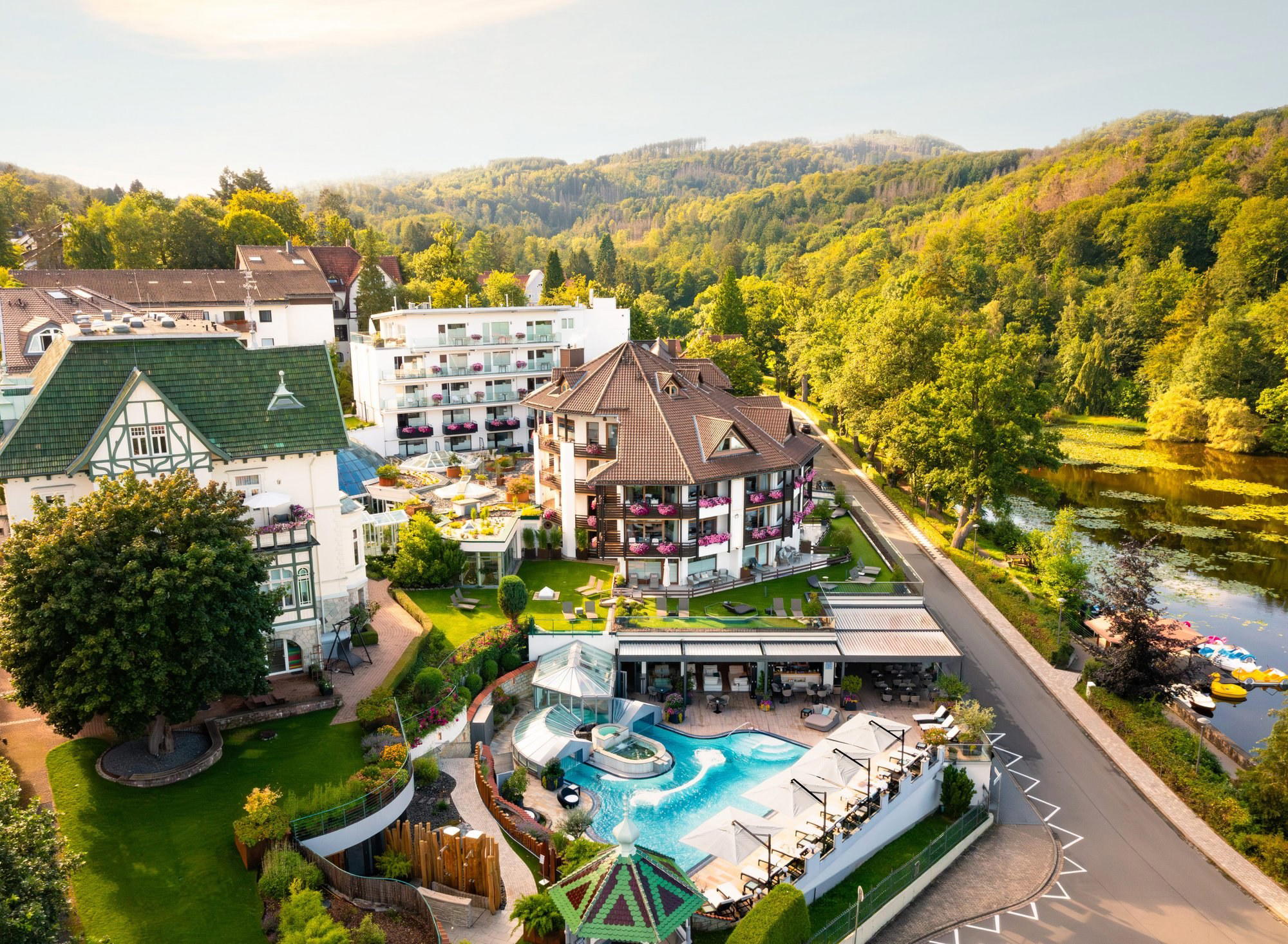
Hotel & Spa Suiten FreiWerk sits in the Südharz region, one of the Harz massif's quieter southern corridors, where forested terrain and proximity to local agricultural producers shape the guest experience. The property positions itself within the German spa-hotel tradition, offering suite-format accommodation in a setting where the landscape does most of the editorial work. For travellers arriving from larger German cities, it represents a different register of hospitality entirely.
 Discover on Pearl
Pearl is the En Primeur Club membership app — saves, bookings, and concierge access live there. Same editors, same standards.
- Address
- Thyrahöhe 24, 06536 Südharz, Germany
- Phone
- +493465485900
- Website
- hotel-freiwerk.de
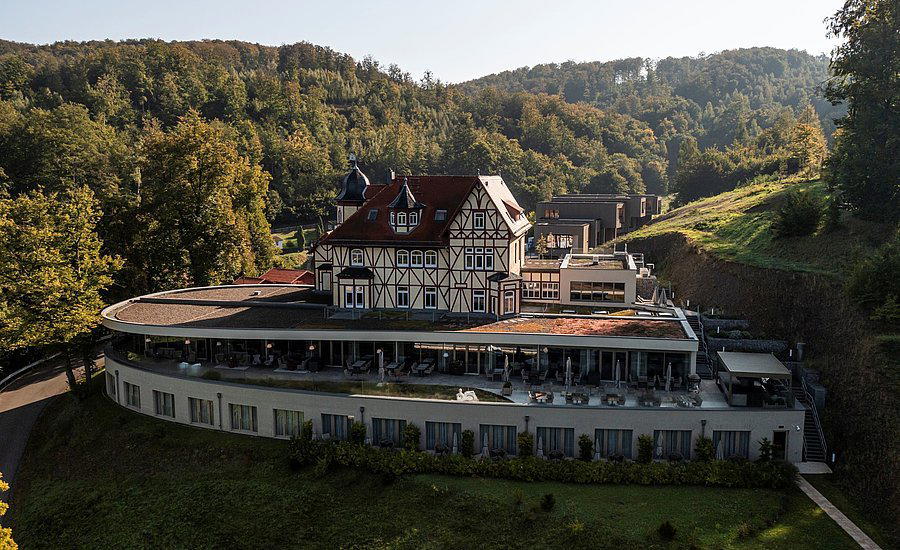
Hotel & Spa Suiten FreiWerk in Südharz is a restaurant in the Regional German Cuisine category, with a Google rating of 4.8 from 405 reviews and a price tier of 3. The Southern Harz as a Hospitality Setting
Germany's Harz mountains divide neatly into two audiences: the northern flank, with its tourist infrastructure around Goslar and the Brocken, and the southern corridor through which the Thyra river runs. The Südharz sits in this quieter southern band, where former potash and copper mining towns have given way to forest trails, thermal spring culture, and a slower, more deliberate pace of rural hospitality. It is in this context that Hotel & Spa Suiten FreiWerk at Thyrahöhe 24 operates, on a ridge address that signals its orientation toward landscape over convenience.
Suite-format hotels in this part of Germany occupy a specific niche. They are not city spa hotels stacking wellness floors above conference centres. They are properties where the accommodation unit itself is the primary experience, and where the surrounding terrain, seasonal shifts, and proximity to local food producers become part of the offer. The German spa-hotel tradition runs deep here, and Südharz properties benefit from the region's historic association with mineral-rich waters and recuperative stays that date back to the nineteenth-century Kur culture.
Ingredient Sourcing and the Harz Food Tradition
The southern Harz is not a region with a long fine-dining reputation. What it does have is an agricultural identity shaped by altitude, climate, and relative isolation from industrial food systems. The Harz uplands support dairy farming, game hunting, mushroom foraging, and small-scale vegetable cultivation at elevations that produce ingredients with a distinctly different character from lowland equivalents. Harz cheese, in particular, has a protected geographical indication, and wild game from managed forests supplies regional kitchens across the area.
Properties in this zone, when they lean into local sourcing rather than importing standardised hotel-catering produce, connect directly to that tradition. The logic is geographic before it is philosophical: local suppliers are close, the produce is adapted to the climate, and guests arriving from Frankfurt, Hanover, or Berlin are often seeking exactly that kind of regional specificity. Nearby restaurants in the area, including 20zwanzig (Farm to Table) and Silberstreif (Regional Cuisine), demonstrate that the appetite for locally rooted food in Südharz is already established at the restaurant level. A hotel with a serious kitchen operating in this environment has a ready supply chain and a market that expects it.
For reference on what ingredient-led hotel dining can achieve at the top of the German market, the contrast is instructive. Aqua in Wolfsburg, Schwarzwaldstube in Baiersbronn, and Waldhotel Sonnora in Dreis all demonstrate how hotel-based fine dining in Germany can anchor itself to terroir and regional sourcing while operating at Michelin-starred levels. The Südharz is not competing in that tier, but the underlying sourcing logic is transferable at any scale.
Where FreiWerk Sits in the Südharz Accommodation Picture
Südharz's accommodation market is thin at the premium end. The region draws walkers, cyclists, and wellness-seeking weekenders from central Germany, and the dominant accommodation model remains mid-range guesthouses and family-run hotels. A suite-format spa property is a different proposition, aimed at guests who want more space, more privacy, and a more considered environment than the standard Gasthof offers.
This positioning puts FreiWerk in a small peer group of destination spa properties across the Harz region, where the suite format signals that the property is not primarily a transit hotel or a base camp for day hikes, but a stay-in-place experience. That distinction matters for how guests plan a visit. The Harz itself is a day-trip destination for millions of central Germans, but staying in a suite property in the southern section implies a different kind of engagement with the region: slower, more restorative, and structured around the property as much as the terrain around it.
JAN in Munich and Vendôme in Bergisch Gladbach to CODA Dessert Dining in Berlin and ES:SENZ in Grassau. Further afield, Victor's Fine Dining by Christian Bau in Perl, Restaurant Haerlin in Hamburg, Schanz in Piesport, Bagatelle in Trier, ammolite in Rust, and ATAMA by Martin Stopp in Sankt Ingbert anchor the upper range of the national dining conversation. For those who want the international reference point, Le Bernardin in New York City and Atomix in New York City show what the global ceiling looks like.
Planning a Stay in Südharz
The Südharz is most accessible by car from central German cities: Halle, Erfurt, and Göttingen are all within roughly ninety minutes, and Hanover is close to two hours depending on the route through the Harz foothills. The region's rail links are slower and less direct, which is part of why the guest profile skews toward self-driving weekend travellers rather than urban day-trippers. FreiWerk's ridge address at Thyrahöhe 24 in Südharz is the kind of location that rewards arrival by car rather than on foot from a train station.
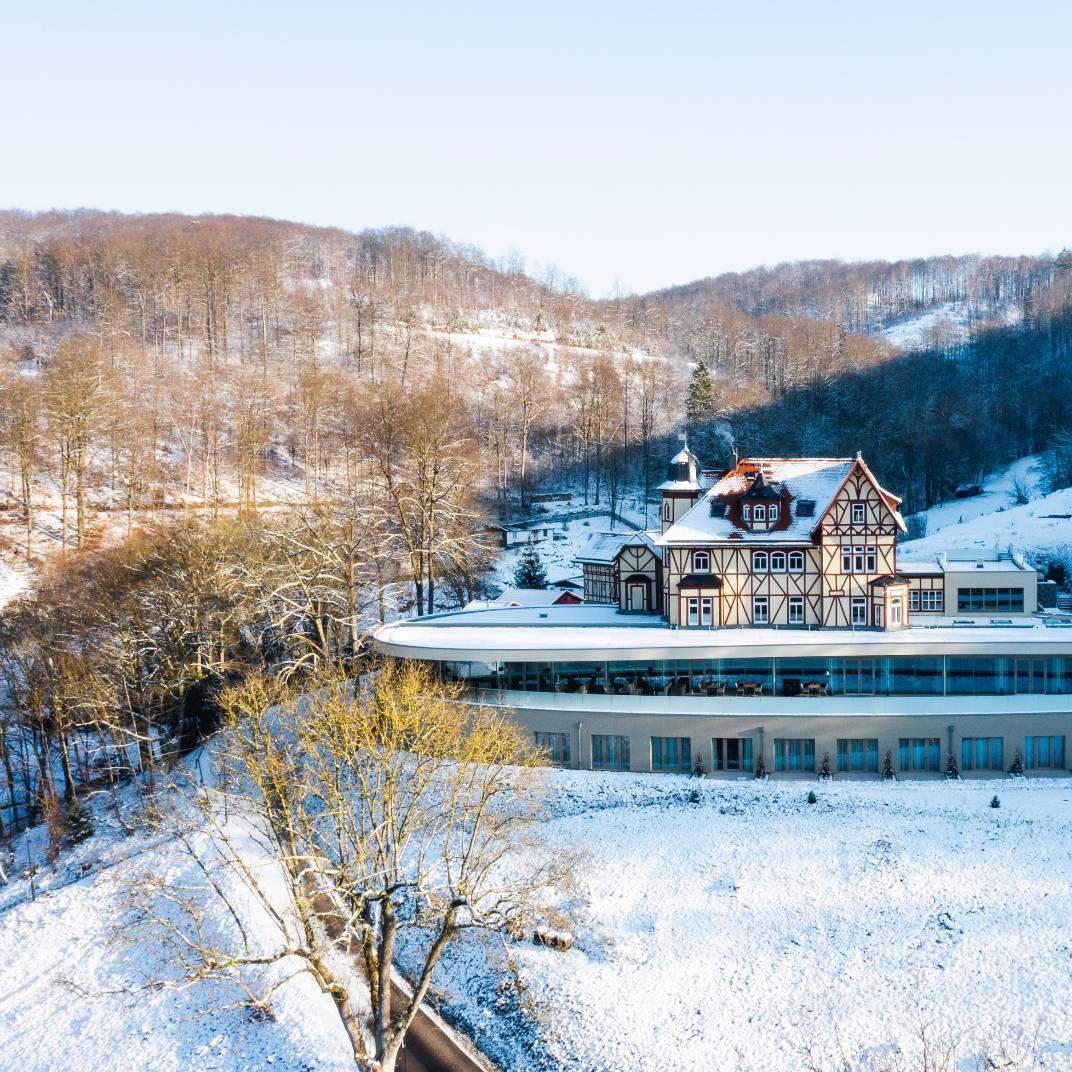
Seasonally, the southern Harz has a clear split. Spring and autumn bring the leading conditions for walking and the most interesting foraging and game produce. Summer draws larger visitor numbers to the wider Harz region, particularly to Quedlinburg and the Brocken area to the north. Winter in Südharz is quieter, with occasional snowfall, and suits the wellness-hotel model well: fewer day-trippers, more guests who are there to stay, and a landscape that justifies the retreat framing of a spa property.
A Quick Peer Check
Comparable venues nearby, for context on price, style, and recognition.
| Venue | Cuisine | Price | Awards | Notes |
|---|---|---|---|---|
| Hotel & Spa Suiten FreiWerkThis venue — the venue you are viewing | Regional German Cuisine | $$$ | , | |
| 20zwanzig | Contemporary Seasonal German | $$$ | Michelin Plate | Südharz |
| Silberstreif | Modern Regional German Fine Dining | $$$$ | Michelin Plate | Südharz |
| Behnecke im Hotel Braunschweiger Hof | Regional German Harz Cuisine | $$$ | , | Bad Harzburg |
| Wildfrisch Gutsküche | Modern German Contemporary | $$$ | , | Rittergut Nordsteimke |
| Brüdigams | Modern German Bistro | $$$ | , | Neu Lokstedt |
Continue exploring
More in Südharz
Restaurants in Südharz
Browse all →
At a Glance
- Romantic
- Cozy
- Elegant
- Scenic
- Date Night
- Special Occasion
- Hotel Restaurant
- Terrace
- Extensive Wine List
- Local Sourcing
- Mountain
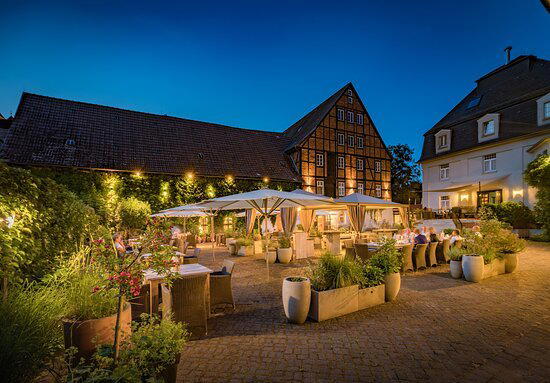
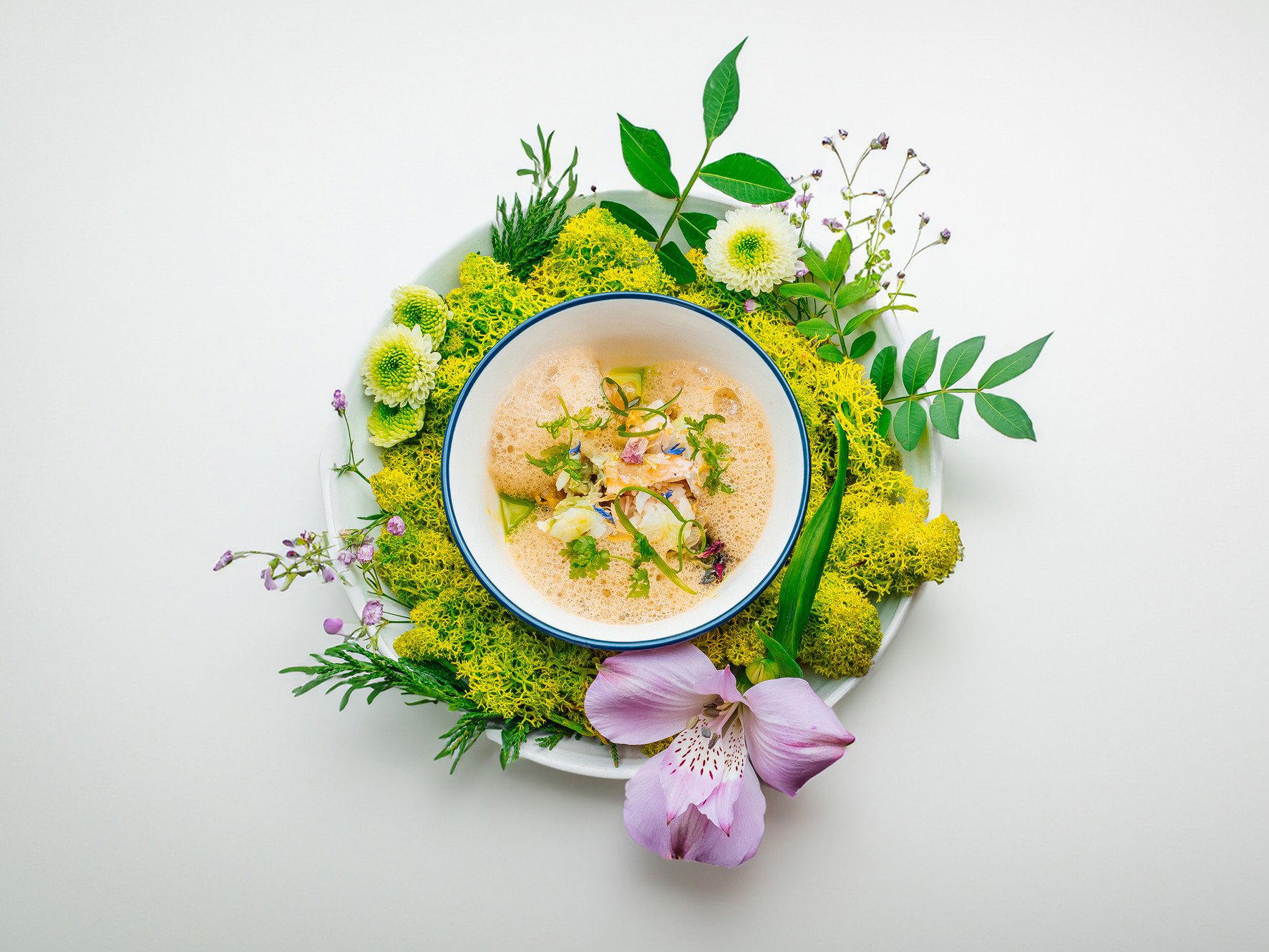
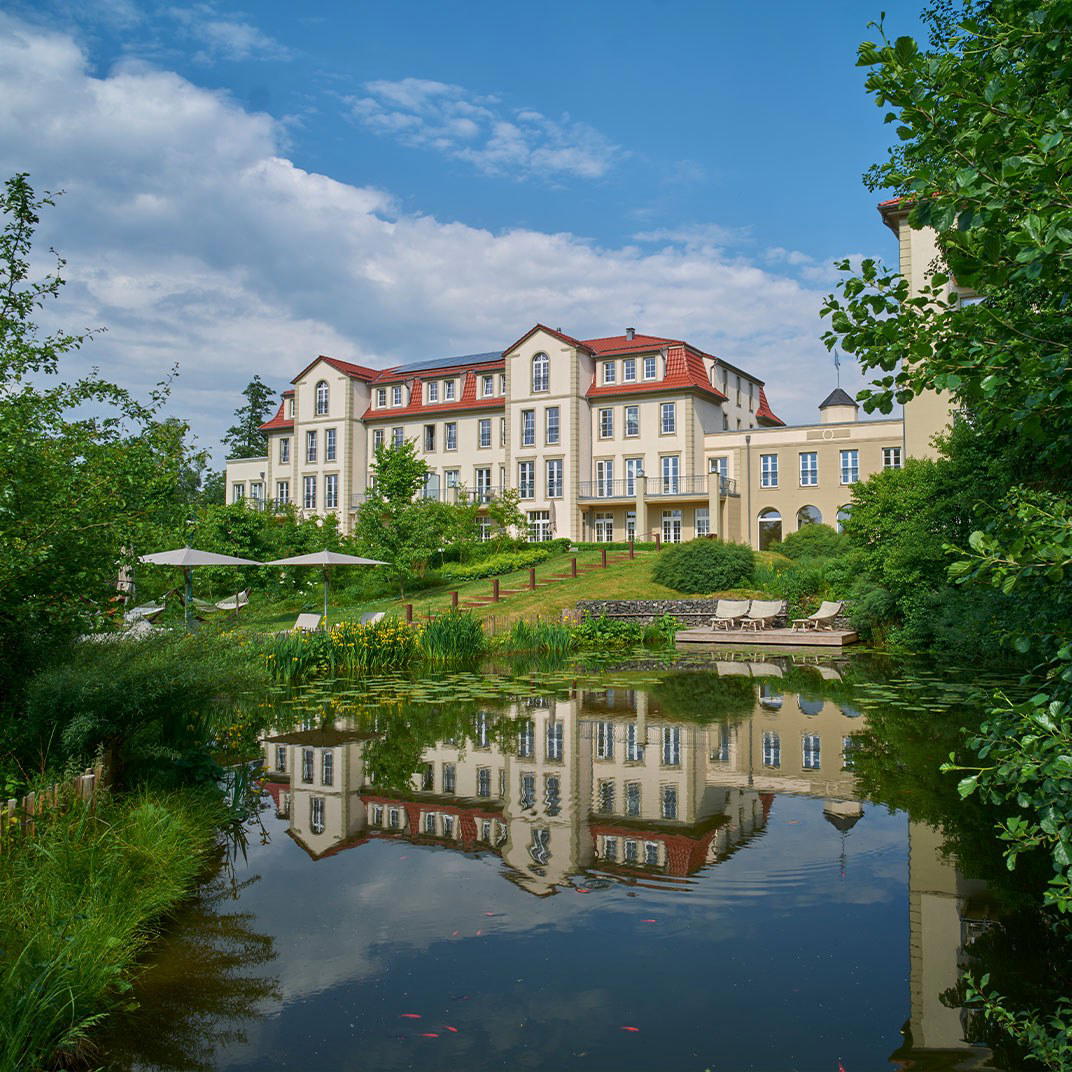
Cozy and elegant atmosphere surrounded by picturesque forest scenery, ideal for romantic and relaxing dining.