The First

1 Michelin Star
Our verdict
The First holds a Michelin star (retained in both 2024 and 2025) and operates out of Blankenhain, a small Thuringian town that rarely features on Germany's fine-dining circuit. Priced at €€€, it sits a tier below Germany's multi-starred flagships while matching them in sourcing discipline.

Pearl is the En Primeur Club membership app — saves, bookings, and concierge access live there. Same editors, same standards.
- Address
- Lindenallee 1, 99444 Blankenhain, Germany
- Phone
- +49 36459 61644413
- Hours
- Mon ClosedTue–Sat 6:30–9:30 PMSun Closed
- Website
- restaurant-thefirst.de
- Directions
- Get directions
Where Thuringia Meets the Seasonal Table
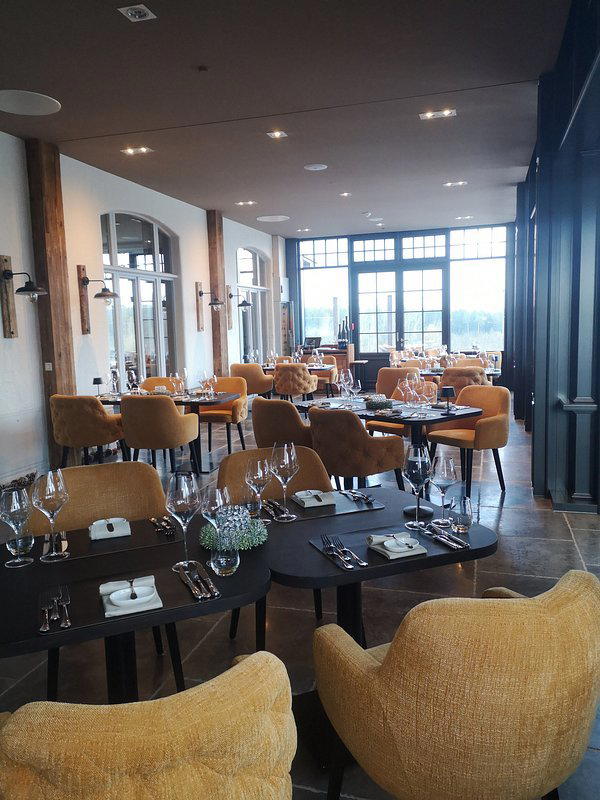
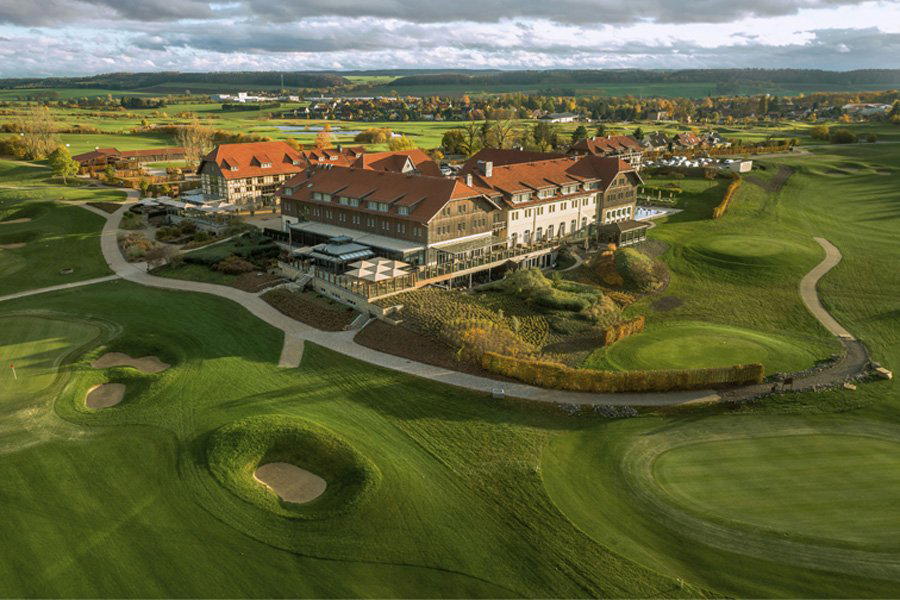
Blankenhain sits in the rolling terrain of Thuringia, a region more associated with forest trails and spa culture than with destination dining. Lindenallee 1 is an address that arrives quietly: a tree-lined approach, the measured calm of a property that is not competing for street-level attention. That restraint carries through to the dining room itself, where the architecture and service register as deliberate rather than incidental. In a part of Germany where fine dining tends to cluster in cities or along established tourist routes, The First operates as an outlier — a single-Michelin-star kitchen in a town of fewer than five thousand people.
The Michelin recognition arrived in 2024 and was retained in 2025, which signals something more than debut momentum. Consistency at this level, in this location, requires a clear supply logic and a kitchen that does not rely on urban proximity to premium ingredients. That is, in effect, the editorial story of The First: a restaurant whose cooking is defined by what the surrounding region produces and when.
The Sourcing Argument for Seasonal Cuisine
German fine dining has undergone a quiet reorientation over the past decade. Kitchens that once leaned heavily on French technique and imported luxury product — foie gras, Brittany turbot, Périgord truffle, have increasingly turned inward, using Central European ingredients as both a cost strategy and a philosophical statement. Seasonal cuisine, as a category, is not merely a menu-planning method; it is a claim about place. When a kitchen operates under that label, the implicit promise is that the food will shift with the agricultural calendar, that what arrives in March will be materially different from what arrives in September, and that the sourcing geography is bounded enough to make those shifts meaningful.
Thuringia's agricultural output includes some of the most underrated produce in the German-speaking world. The Thuringian Forest and its surrounding farmland yield game, freshwater fish, root vegetables, and foraged ingredients across a long growing season. For a kitchen committed to seasonal sourcing, this is substantial material. Chef Hannes Fussel works within that framework, and the €€€ price point, a tier below multi-starred kitchens like Aqua in Wolfsburg or Vendôme in Bergisch Gladbach, positions The First as a kitchen making ingredient-led arguments rather than luxury-product arguments.
This matters because the two strategies require entirely different sourcing infrastructures. A kitchen built on imported prestige ingredients is, in some sense, portable: the same supply chain could operate in Frankfurt or Hamburg. A kitchen built on Thuringian seasonal produce is site-specific. The sourcing is the location, and the location is the sourcing. That is not a common claim in German fine dining at the Michelin level, which makes The First worth examining on those terms.
The First in Germany's One-Star Tier
Germany's Michelin-starred restaurant list is long and geographically spread, but the one-star tier contains notable variation in approach and ambition. At one end sit urban addresses with sophisticated beverage programs, large front-of-house teams, and menus that position themselves one step below their city's two- or three-star flagships. At the other end sit smaller, more focused kitchens in secondary towns, where the overhead model demands discipline and the clientele is often drawn from a combination of local loyalty and deliberate destination travel.
The First belongs clearly to the second category. That pattern, small, devoted, high-scoring, appears across several comparable seasonal-cuisine addresses in the German-speaking world, including Kirchenwirt in Leogang and Mesnerhaus in Mauterndorf, both of which operate a similar small-town, sourcing-led model in Austrian contexts.
For comparison, the heavier-weighted end of the German one-star and two-star tier, kitchens like Schanz in Piesport or Restaurant Haerlin in Hamburg, operates at €€€€ and typically draws from a broader national and international travel circuit. The First's €€€ positioning makes it more accessible, but it also sets a different expectation: the value proposition here is seasonal precision and regional specificity, not the spectacle of elaborate multi-course architecture.
Within Blankenhain itself, The First shares the fine-dining tier with Masters, which operates a Modern French format. The two kitchens represent different sourcing philosophies in the same small town, one anchored in French classical tradition, the other making a seasonal-regional argument, which gives the town a dining depth that is unusual for its size. For further context on what Blankenhain offers across categories, see our full Blankenhain restaurants guide.
Where The First Sits in the Wider German Seasonal Movement
Germany's engagement with seasonal, territory-driven cooking has accelerated since roughly 2015, partly in response to Nordic influence and partly as a reassertion of Central European culinary identity. Kitchens like JAN in Munich have taken up ingredients and fermentation techniques that would have been unusual in a Michelin context a decade earlier. ES:SENZ in Grassau similarly operates from an Alpine sourcing base, building menus around what the immediate landscape produces. Even Schwarzwaldstube in Baiersbronn, rooted in French classicism, acknowledges the Black Forest as a sourcing territory rather than mere backdrop.
The First fits into this movement as a Thuringian expression of the same logic. What makes the Thuringian context notable is precisely that it has not been the subject of food-media attention in the way Bavaria or Baden-Württemberg has. The region's ingredients are less coded into fine-dining consciousness, which means the kitchen at The First is, in effect, doing interpretive work, presenting produce from a region that most of its likely guests have not encountered through that lens before. That is a harder editorial task than cooking with well-understood luxury ingredients, and Michelin's two-year recognition suggests the kitchen is meeting it.
For readers already familiar with Germany's creative end of the spectrum, CODA Dessert Dining in Berlin and Victor's Fine Dining by Christian Bau in Perl represent the range of what one-star and multi-star German kitchens are doing at the technique-led and internationally-influenced end. The First occupies a different quadrant: less technique-forward spectacle, more ingredient-narrative discipline.
Planning a Visit
Blankenhain is located in Thuringia, roughly 20 kilometres south of Weimar and accessible by car from the A4 motorway. For those arriving without a vehicle, Weimar is the nearest mainline rail hub, with regional connections onward. The town has limited accommodation options; visitors planning a dedicated dining trip may find it practical to base themselves in Weimar or Erfurt and drive in for the evening. For accommodation options within the area, our full Blankenhain hotels guide covers what is available locally. The €€€ price tier implies a main tasting menu or à la carte spend in the mid-to-upper range without reaching the premium threshold of the country's four-euro-sign addresses, making The First a justifiable destination for a special-occasion meal that does not require the kind of advance financial planning that three-star Germany demands. For those building a fuller Thuringian itinerary, bars, wineries, and experiences guides for the area are available through EP Club.
Frequently asked questions
Where exactly is The First?
The First is located at Lindenallee 1, 99444 Blankenhain, Germany, Blankenhain.
What price level is The First?
Pricing at The First is listed as €€€.
Has The First won any awards?
The First has received recognition including: Michelin 1 Star (2025); Michelin 1 Star (2024).
What's the best thing to order at The First?
The kitchen at The First operates under a seasonal cuisine philosophy, meaning the menu shifts with what Thuringia's agricultural calendar produces. Hannes Fussel's two consecutive Michelin stars (2024 and 2025) suggest the tasting menu format is where the kitchen's argument is made most completely. check the venue's official channels to confirm current menu structure before visiting.
Cost and Credentials
| Venue | Cuisine | Awards | Notes |
|---|---|---|---|
| The FirstThis venue — the venue you are viewing | Michelin-Starred Italian Fine Dining | 1 Michelin Star | Not listed |
| Schwarzwaldstube | French, Classic French | Michelin 3 Star | Not listed |
| Aqua | Not listed | Michelin 3 Star | Contemporary German, Italian/Japanese, Creative |
| CODA Dessert Dining | Creative | Michelin 2 Star | Not listed |
| Tantris | Modern French, French Contemporary | Michelin 2 Star | Not listed |
| Vendôme | Modern European, Creative | Michelin 2 Star | Not listed |
Recognition history
Dated appearances from independent guides and award organizations, with the underlying list record or original source where available.
Michelin 1 Star
Michelin
Full recognition history (3 entries)
Michelin 1 Star
Michelin
Michelin 1 Star
Michelin
Continue exploring
More in Blankenhain
Restaurants in Blankenhain
Browse all →
Bars in Blankenhain
Browse all →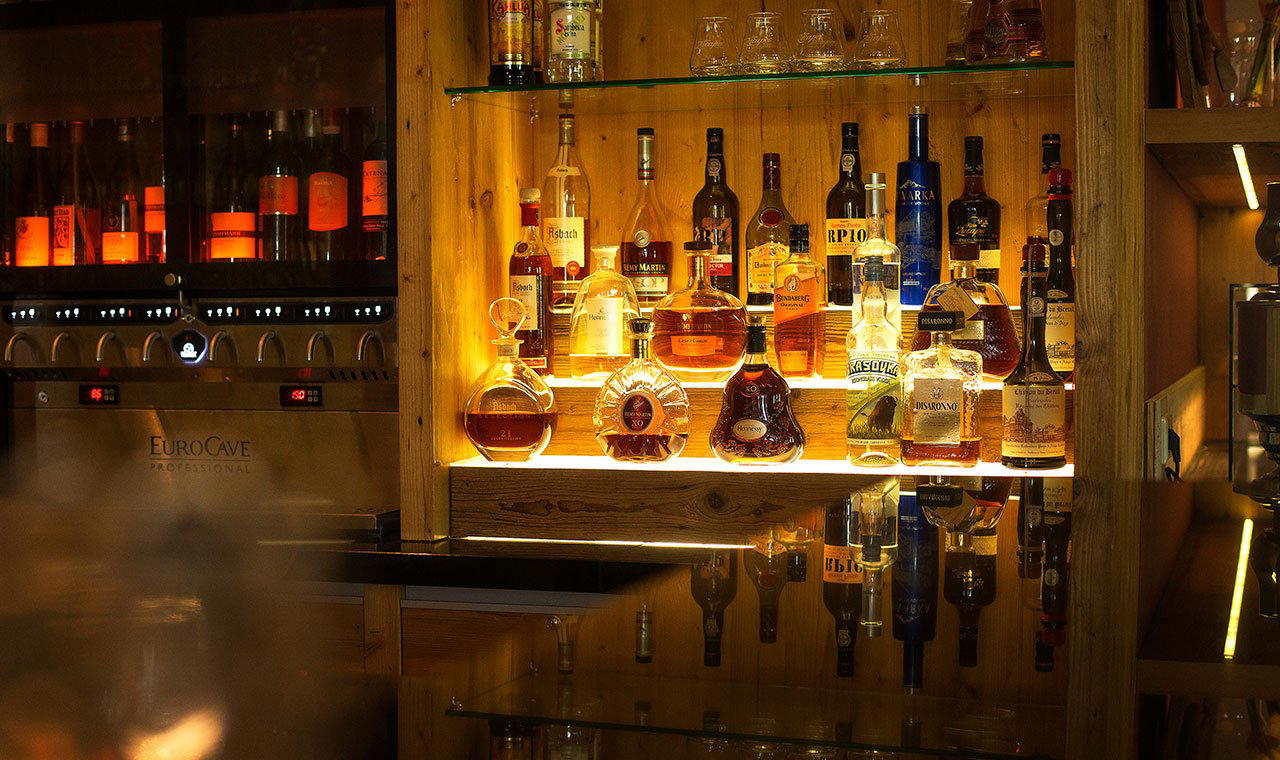
Hotels in Blankenhain
Browse all →

Details
- Elegant
- Modern
- Sophisticated
- Intimate
- Date Night
- Special Occasion
- Open Kitchen
- Extensive Wine List
- Sommelier Led
- Local Sourcing
- Garden
- Tasting Menu
- Vegetarian Friendly
Current opening hours
- Monday
- Closed
- Tuesday
- 6:30–9:30 PM
- Wednesday
- 6:30–9:30 PM
- Thursday
- 6:30–9:30 PM
- Friday
- 6:30–9:30 PM
- Saturday
- 6:30–9:30 PM
- Sunday
- Closed
Hours can change for holidays and private events. Last verified .
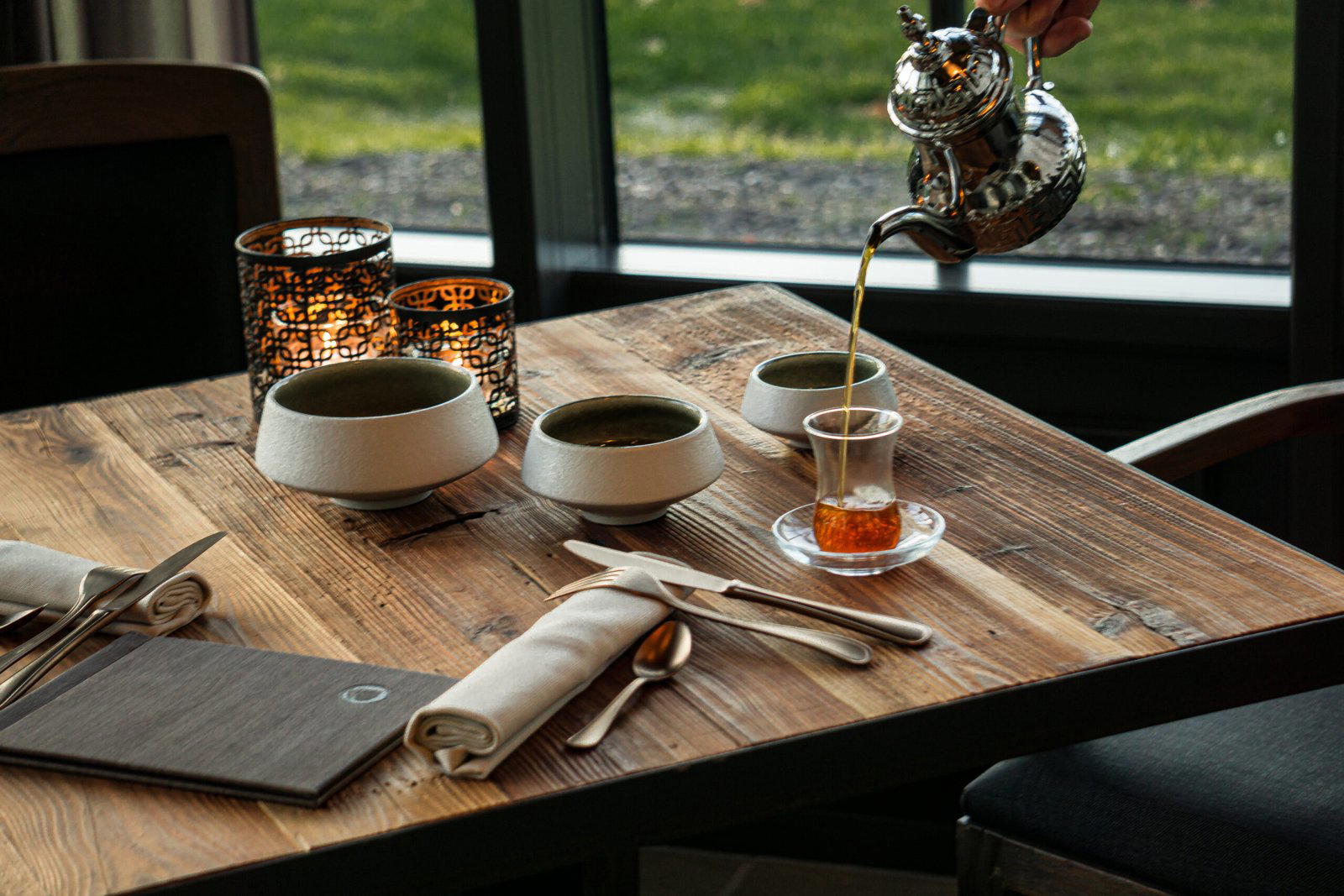
Modern and understated with light-flooded conservatory, partially open kitchen, and delightful summer terrace.