Restaurant Akropolis Heusenstamm
Our verdict
Restaurant Akropolis sits on Frankfurter Strasse in Heusenstamm, a small satellite town south-east of Frankfurt that draws residents looking for something closer to home than the city's dining circuit. The restaurant's Greek-inflected name points toward a tradition of ingredient-led cooking that has sustained neighbourhood restaurants across Germany's smaller towns for decades. For context on the wider local scene, see our full Heusenstamm restaurants guide.

Pearl is the En Primeur Club membership app — saves, bookings, and concierge access live there. Same editors, same standards.
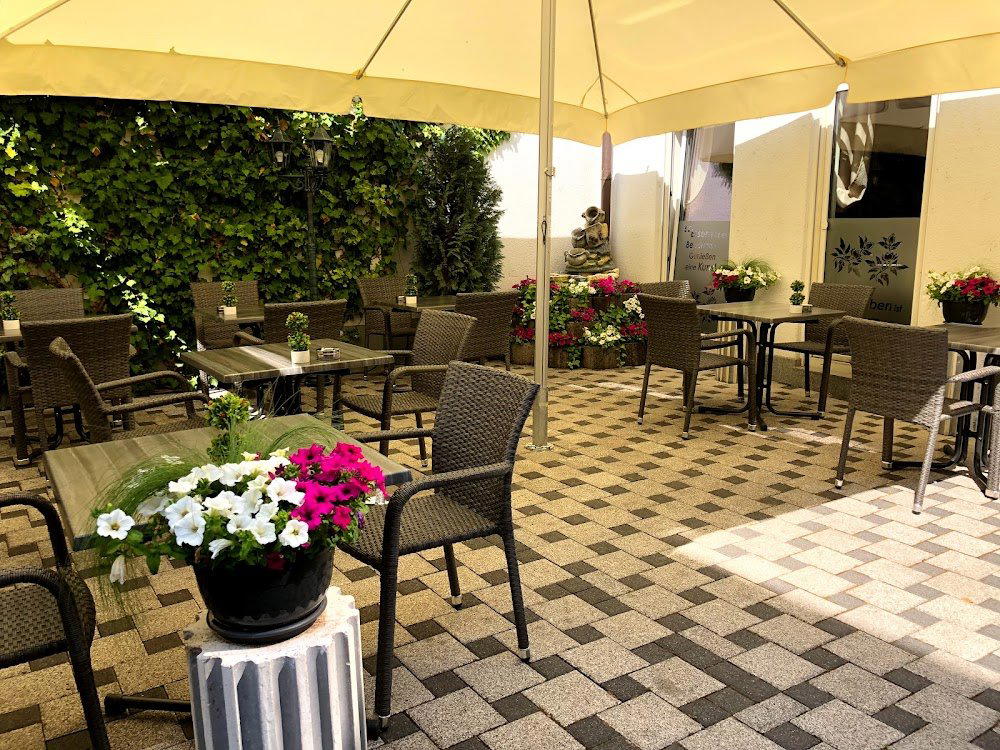
A Town That Eats Seriously
Heusenstamm occupies an awkward position in Germany's dining conversation: close enough to Frankfurt to be overshadowed by it, far enough away to have developed its own quieter rhythm of neighbourhood restaurants. The town sits roughly 15 kilometres south-east of the city centre, and the restaurants along Frankfurter Strasse serve a local population that, for the most part, is not looking for spectacle. What they want is reliability, good produce, and a kitchen that understands the difference between the two. Restaurant Akropolis Heusenstamm, at number 21 on that same street, operates inside that tradition. See our full Heusenstamm restaurants guide for broader context on what the town offers.
The Greek restaurant category in Germany has a long and underappreciated history. Unlike the tourist-facing taverna formats that dominate coastal resort towns, the Greek restaurants that took root in German cities and smaller towns from the 1960s onward adapted to a local clientele that expected consistency, generous portions, and sourcing that reflected seasonal availability rather than frozen convenience. The better operators in this tradition built relationships with suppliers over years, sourcing lamb and olive oil from the same regions repeatedly, treating provenance as a quiet point of professional pride rather than a marketing claim.
Ingredient Logic in a Neighbourhood Format
The editorial angle that matters most for any restaurant in this category is where the food comes from and what that sourcing implies about kitchen values. Greek cuisine, at its core, is an ingredient-driven tradition: the quality of the olive oil, the age and origin of the feta, the provenance of the lamb and the freshness of the fish matter more than technique complexity. A kitchen that sources well can produce dishes of real distinction without elaborate preparation. One that cuts corners on provenance cannot compensate through presentation.
This is the framework against which neighbourhood Greek restaurants across Germany should be read. The top tier of German fine dining operates in a different register entirely. Aqua in Wolfsburg and Vendôme in Bergisch Gladbach sit at the Michelin three-star level, where sourcing documentation and chef lineage are part of the public record. Schwarzwaldstube in Baiersbronn and JAN in Munich operate in a similar tier of verified excellence. The neighbourhood restaurant does not compete in that bracket, nor should it. Its credibility rests on different evidence: repeat custom, local word of mouth, and the kind of sourcing discipline that doesn't require a press release.
Across Germany's smaller towns, the Greek restaurants that have endured longest share a few observable characteristics. They tend to have compact menus rather than sprawling ones, because a shorter menu is easier to execute with fresh product. They source from established importers with Greek connections rather than from broad-line food service distributors. And they treat the grill, the most fundamental tool in Greek cooking, as the primary expression of kitchen skill rather than an afterthought. A well-fired souvlaki or a properly rested lamb chop from quality meat tells you more about a kitchen's seriousness than a complicated sauce.
The Wider German Restaurant Context
Germany's restaurant scene beyond its major cities has grown more sophisticated in recent years, with properties like ES:SENZ in Grassau, Schanz in Piesport, and Waldhotel Sonnora in Dreis demonstrating that serious cooking is not confined to Frankfurt, Munich, or Berlin. Even format experiments like CODA Dessert Dining in Berlin show the range of what the country's dining culture now accommodates. That broader maturation has raised expectations at every level, including the neighbourhood tier. Diners who have eaten at Restaurant Haerlin in Hamburg or Victor's Fine Dining by Christian Bau in Perl bring sharper instincts about quality back to their local restaurants. That pressure, over time, benefits the whole ecosystem.
Smaller operations like Bagatelle in Trier, ammolite in Rust, and ATAMA by Martin Stopp in Sankt Ingbert show that venues outside Germany's primary cities can sustain serious kitchen standards. The operating logic at these places, whatever their format or cuisine type, tends to involve long-term supplier relationships and menus that reflect what is actually available rather than what looks good on paper. Internationally, the same discipline appears at the highest levels: Le Bernardin in New York City built its entire identity around sourcing seafood at the correct moment, and Atomix in New York City applies a comparable rigour to Korean ingredient traditions. The scale differs enormously, but the underlying logic of ingredient-first cooking is the same across tiers.
Visiting and Planning
Heusenstamm is accessible from Frankfurt by S-Bahn and by car via the A3, making it a practical choice for Frankfurt residents who want to eat closer to the southern suburbs. The address at Frankfurter Strasse 21 places the restaurant on the town's main commercial artery, which means street parking is typically available in the evenings. Given that no current booking data is publicly available for Restaurant Akropolis Heusenstamm, the most reliable approach is to call ahead directly, particularly for weekend evenings when neighbourhood restaurants of this type tend to fill from regular customers first. Venues like AUGUST in Augsburg and AURA in Wirsberg operate structured advance booking systems, but neighbourhood formats typically run on shorter lead times and phone reservation.
Frequently asked questions
Would Restaurant Akropolis Heusenstamm be comfortable with kids?
Greek restaurant culture broadly accommodates families, and a neighbourhood-format address like Frankfurter Str. 21 in Heusenstamm tends to draw a local, multigenerational crowd rather than a destination-dining clientele. Calling ahead before visiting with young children is the practical approach.
What's the vibe at Restaurant Akropolis Heusenstamm?
Heusenstamm sits just south of Frankfurt, close enough to attract city residents but with a pace that is distinctly its own. A restaurant at Frankfurter Str. 21 in that context reads as a settled neighbourhood spot rather than a high-concept dining room. Expect a convivial, casual register typical of Greek dining in German towns of this scale.
Is Restaurant Akropolis Heusenstamm a good option for Frankfurt visitors looking to eat outside the city?
Heusenstamm is reachable from Frankfurt by S-Bahn or via the A3, making it a practical detour rather than a major expedition. Restaurant Akropolis at Frankfurter Str. 21 offers a Greek dining option in a town that sits outside Frankfurt's crowded restaurant centre. For Frankfurt visitors wanting a neighbourhood meal away from the city's higher price points, the location is geographically sound.
What dish is Restaurant Akropolis Heusenstamm famous for?
Greek restaurant menus in this format typically anchor around grilled meats, mezze, and fish; those are reasonable expectations, but confirming the current menu directly with the venue at Frankfurter Str. 21 will give you the clearest picture.
A Quick Peer Check
Comparable venues nearby, for context on price, style, and recognition.
| Venue | Cuisine | Price | Notes |
|---|---|---|---|
| Restaurant Akropolis HeusenstammThis venue — the venue you are viewing | Greek | $10–20 | Not listed |
| Parthenon | Authentic Greek | $30–50 | Roemerberg |
| Akropolis | Traditional Greek Grill | $20–30 | K4 |
| Kürnachtalstuben Bei Vasili | Greek-German | $20–30 | Lengfeld |
| Restaurant Rodgau Frankfurt | Authentic Italian with Friday Seafood | $20–30 | Rodgau |
| Ristorante Sardegna | Authentic Sardinian Italian | $30–50 | Roemerberg |
Continue exploring
More in Heusenstamm
Restaurants in Heusenstamm
All restaurants in Heusenstamm →
Bars in Heusenstamm
Browse all →

Hotels in Heusenstamm
Browse all →

Details
- Classic
- Family
- Group Dining
- Casual Hangout
- A La Carte
- Vegetarian Friendly
Current opening hours
- Monday
- 5:30–10 PM
- Tuesday
- Closed
- Wednesday
- 5:30–10 PM
- Thursday
- 5:30–10 PM
- Friday
- 5:30–10 PM
- Saturday
- 5:30–10 PM
- Sunday
- 11:30 AM–2:30 PM, 5:30–10 PM
Hours can change for holidays and private events. Last verified .
Casual and friendly atmosphere suitable for friends and family.