Residenz Heinz Winkler
Residenz Heinz Winkler sits at the centre of Aschau im Chiemgau, a Bavarian village that has drawn serious diners from Munich and beyond for decades. The property operates at the upper tier of German fine dining, where regional Alpine ingredients and classical European technique converge. It remains one of the Chiemgau's primary arguments for treating a rural detour as a destination in its own right.
Pearl is the En Primeur Club membership app — saves, bookings, and concierge access live there. Same editors, same standards.
- Address
- Kirchpl. 1, 83229 Aschau im Chiemgau, Germany
- Phone
- +4949805217990
- Website
- residenz-heinz-winkler.de
- Directions
- Get directions
 Saves & bookings on Pearl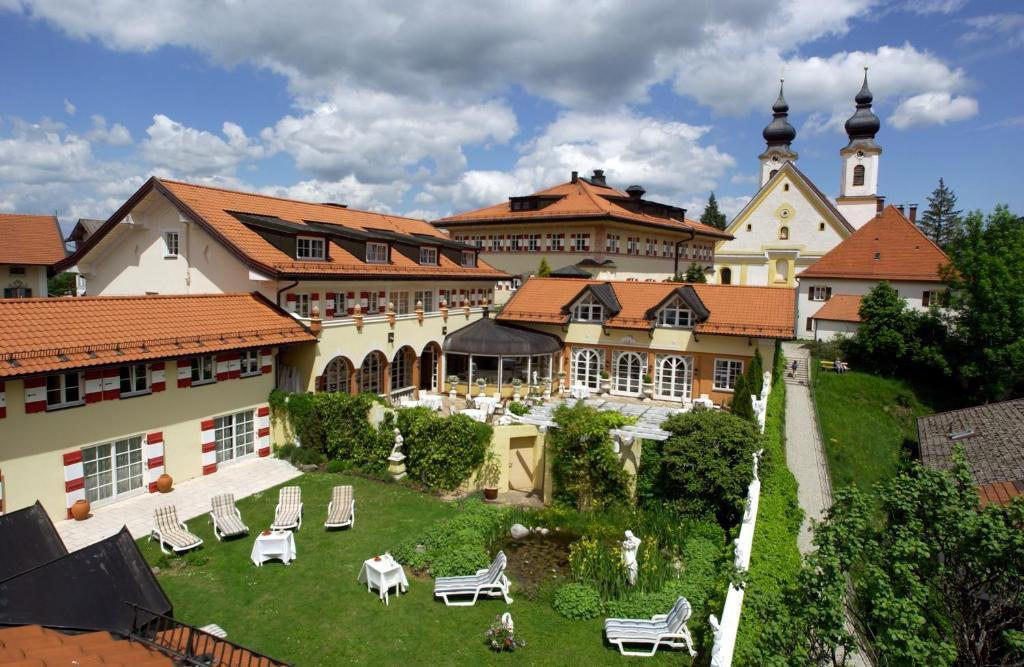
Where the Chiemgau Becomes the Kitchen
The Bavarian foothills between Munich and Salzburg are not typically associated with destination fine dining, but the region is better known for Alpine hiking, lakeside retreats, and the kind of hearty cooking that fuels a day outdoors. Aschau im Chiemgau sits inside that landscape, a quiet village anchored by a church square and the slopes of the Kampenwand rising behind it. Against that backdrop, Residenz Heinz Winkler represents an older but still relevant argument: that serious cuisine does not require a major city address, only serious sourcing and consistent craft.
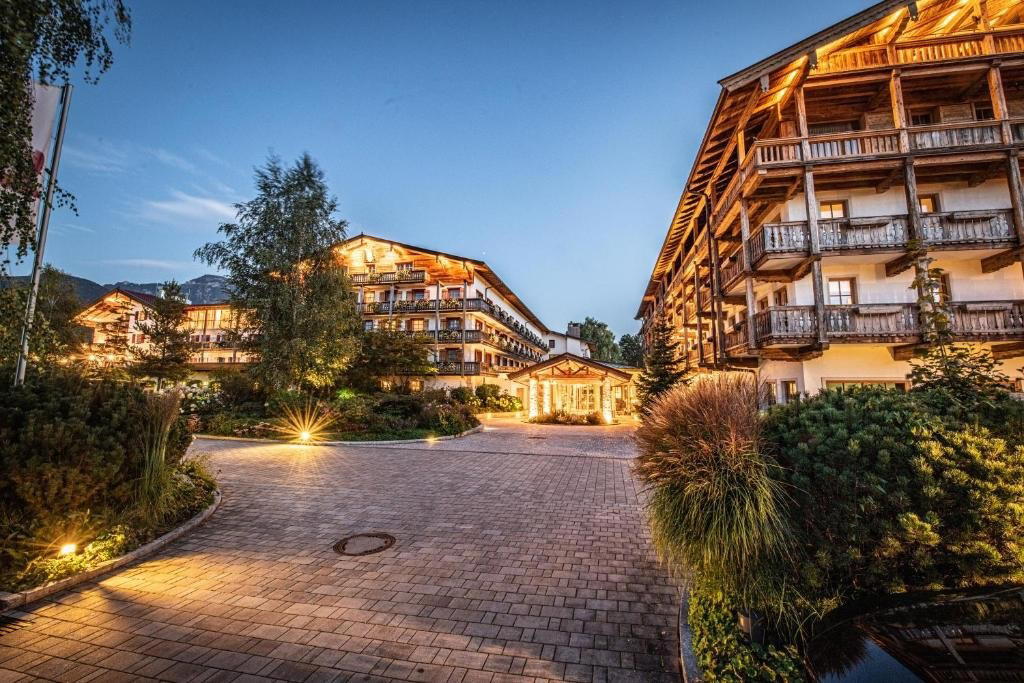
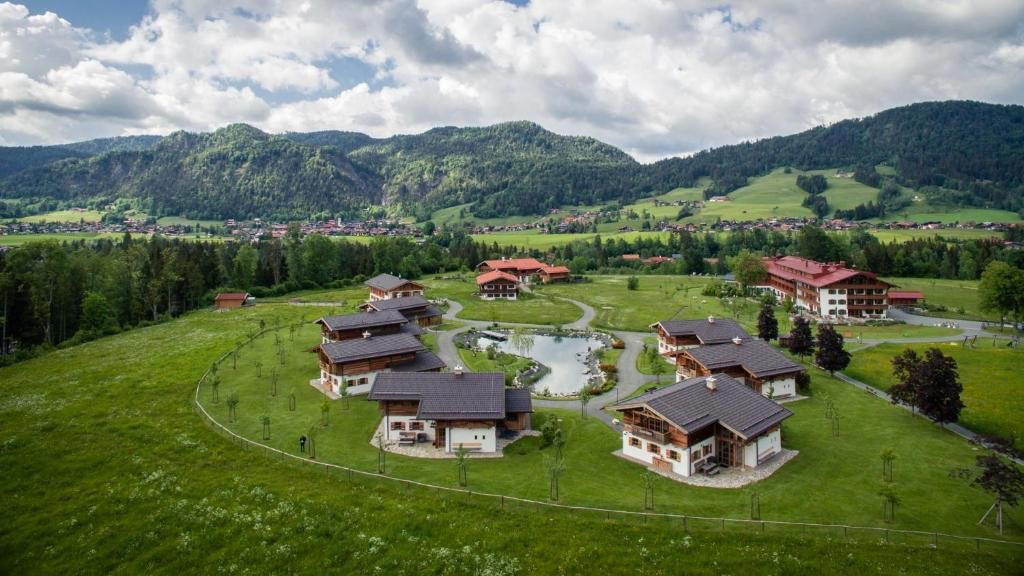
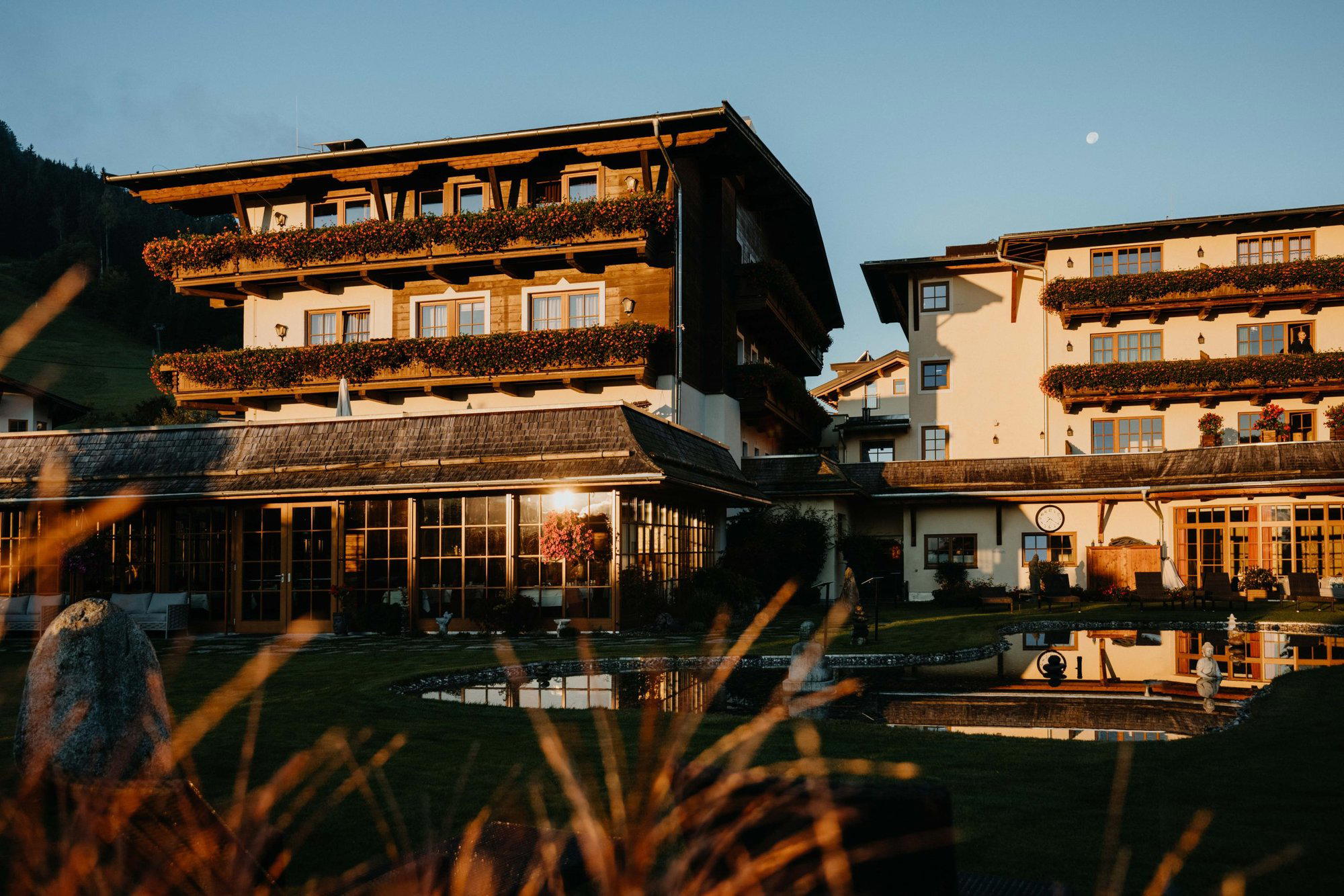
The building itself frames the experience before a single dish arrives. Set on Kirchplatz, the central square beside the parish church, the property carries the architectural weight of a traditional Bavarian manor, stone, dark timber, and a formality that the surrounding village does not entirely share. Arriving here from the Munich motorway, roughly an hour south, the contrast between the rural approach and the gravity of the interior is part of what makes the meal feel deliberate.
The Ingredient Logic of Alpine Fine Dining
Germany's upper-tier restaurants have increasingly split into two camps: those anchored in urban markets with global supply chains, and those that treat their regional geography as the primary sourcing constraint. Schwarzwaldstube in Baiersbronn and Waldhotel Sonnora in Dreis represent the latter pattern in their respective regions. Residenz Heinz Winkler belongs to that same tradition in the Chiemgau, where the sourcing logic flows from the terrain: mountain dairy, freshwater fish from Bavarian lakes, game from surrounding forests, and the seasonal rhythms of a continental Alpine climate.
This matters beyond the menu. When a kitchen is genuinely constrained by what grows, grazes, or runs within a defined radius, the cooking develops a different kind of accountability. Dishes must work with what the season provides rather than engineering consistency through import. The Chiemgau's short summers and cold winters impose a natural rotation that shapes what appears on the plate and when. That seasonality is not a marketing position here, it is a practical reality of cooking at altitude in rural Bavaria.
The contrast with urban fine dining programs is instructive. Restaurants like JAN in Munich or CODA Dessert Dining in Berlin operate inside cities where logistics allow for greater flexibility in sourcing. Rural kitchens at this level make a different bargain: tighter supply in exchange for provenance that is both shorter in distance and more directly connected to the producers. For the diner, this translates into a meal that is, in a measurable sense, of the place rather than merely served in it.
Classical European Technique in a Rural Setting
Fine dining in the German-speaking world has historically drawn heavily on French classical foundations, then adapted them through regional identity. The trajectory visible at venues like Vendôme in Bergisch Gladbach and Aqua in Wolfsburg reflects decades of that synthesis, where French technique meets Central European produce. Residenz Heinz Winkler sits within that broader current, representing the generation of German fine dining that built its vocabulary in classical kitchens and then applied it to a specifically Bavarian context.
That context matters for what you eat. Alpine dairy, cream, butter, aged cheeses from small Chiemgau producers, carries a richness distinct from lowland equivalents. Bavarian lake fish, particularly Renke (whitefish), appear in high-end kitchens across the region precisely because the cold, clear water of lakes like the Chiemsee produces flesh of unusual delicacy. Game, whether venison or wild boar, runs leaner and more pronounced in flavour than farmed equivalents. The cuisine at this level is not primarily about technique as spectacle; it is about technique as the means to express ingredients that already have something to say.
Nearby, ES:SENZ in Grassau represents a newer generation of Chiemgau-area fine dining, operating with a more contemporary format. The two restaurants together map the range of serious cooking available within a short radius of the Chiemgau lakes, an unusually concentrated offer for a rural area of this size. Guests planning a longer stay in the region should cross-reference both. Aschau's dining scene also includes Epicures and Brasserie Tafern for different price points and formats within Aschau itself.
Placing This Kitchen in the German Fine Dining Conversation
Germany's fine dining scene, when assessed across the full national picture, is more geographically distributed than France or the United Kingdom. Acclaimed kitchens operate in unexpected locations: Schanz in Piesport serves the Moselle wine country, Victor's Fine Dining by Christian Bau operates near the Luxembourg border in Perl, and ammolite in Rust sits beside an amusement park in Baden-Württemberg. The pattern suggests that serious German diners travel for their meals with less reluctance than in some comparable markets. The restaurant fits that pattern: it draws from Munich, from Salzburg, and from visitors extending a Chiemgau holiday into something more intentional.
For international visitors comparing this tier of German cooking to references elsewhere, the closest analogies are restaurants that similarly combine classical training, rural sourcing, and a hotel or residential setting: Restaurant Haerlin in Hamburg or, at further remove, Bagatelle in Trier. The format, multi-course and formally served, is consistent across this category of German fine dining. What varies is the regional ingredient signature, and in the Chiemgau, that signature is Alpine in a way that no urban kitchen can fully replicate.
Planning Your Visit
Aschau im Chiemgau is accessible by train from Munich via Prien am Chiemsee, with a local connection completing the route; the journey runs approximately 80 minutes from Munich Hauptbahnhof. By car, the A8 motorway brings you to within a short drive of the village. Given the property's formal dress code and reservation-essential policy, advance reservation is advisable, particularly for weekend evenings between May and October when Chiemgau visitor numbers peak. Booking several weeks ahead is a reasonable baseline; for specific dates during the summer season, extend that further. For comparable rural fine dining experiences at this tier across Germany, ATAMA by Martin Stopp in Sankt Ingbert follows a similar destination logic in a different regional context.
Comparison Snapshot
Comparable venues nearby, for context on price, style, and recognition.
| Venue | Cuisine | Price | Awards | Notes |
|---|---|---|---|---|
| Residenz Heinz WinklerThis venue — the venue you are viewing | Modern French Fine Dining | $$$$ | Not listed | Not listed |
| Epicures | Modern French Fine Dining | $$$$ | Michelin 1 Star | Aschau im Chiemgau |
| Brasserie Tafern | French Brasserie with Mediterranean Influences | $$$ | Michelin Plate | Aschau im Chiemgau |
| le Plaisant | Modern French Fine Dining | $$$$ | Not listed | Au |
| Landhaus Wolf | Modern French Fine Dining | $$$$ | Not listed | Hessental |
| Alte Brennerei | Modern French Alpine Fine Dining | $$$$ | Not listed | Pullach im Isartal |
Continue exploring
More in Aschau im Chiemgau
Restaurants in Aschau im Chiemgau
Browse all →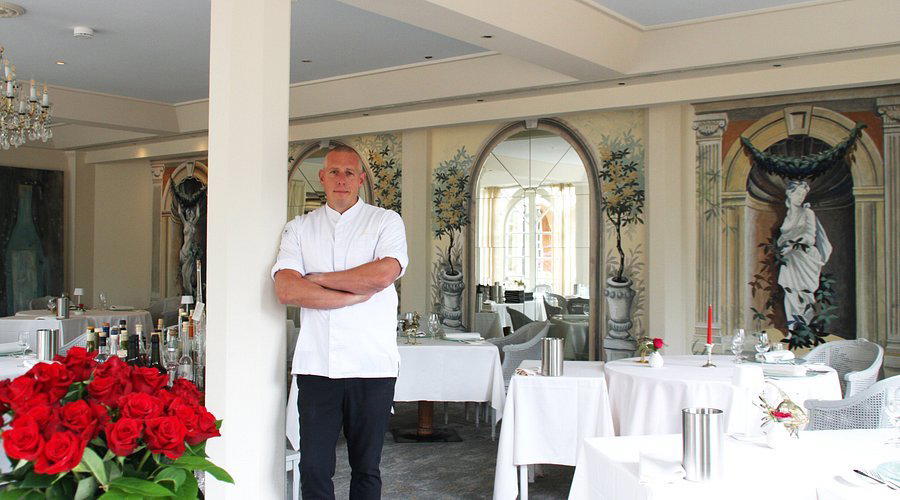
Bars in Aschau im Chiemgau
Browse all →

At a Glance
- Elegant
- Sophisticated
- Classic
- Intimate
- Special Occasion
- Date Night
- Celebration
- Hotel Restaurant
- Terrace
- Historic Building
- Extensive Wine List
- Sommelier Led
- Local Sourcing
- Mountain
- Garden
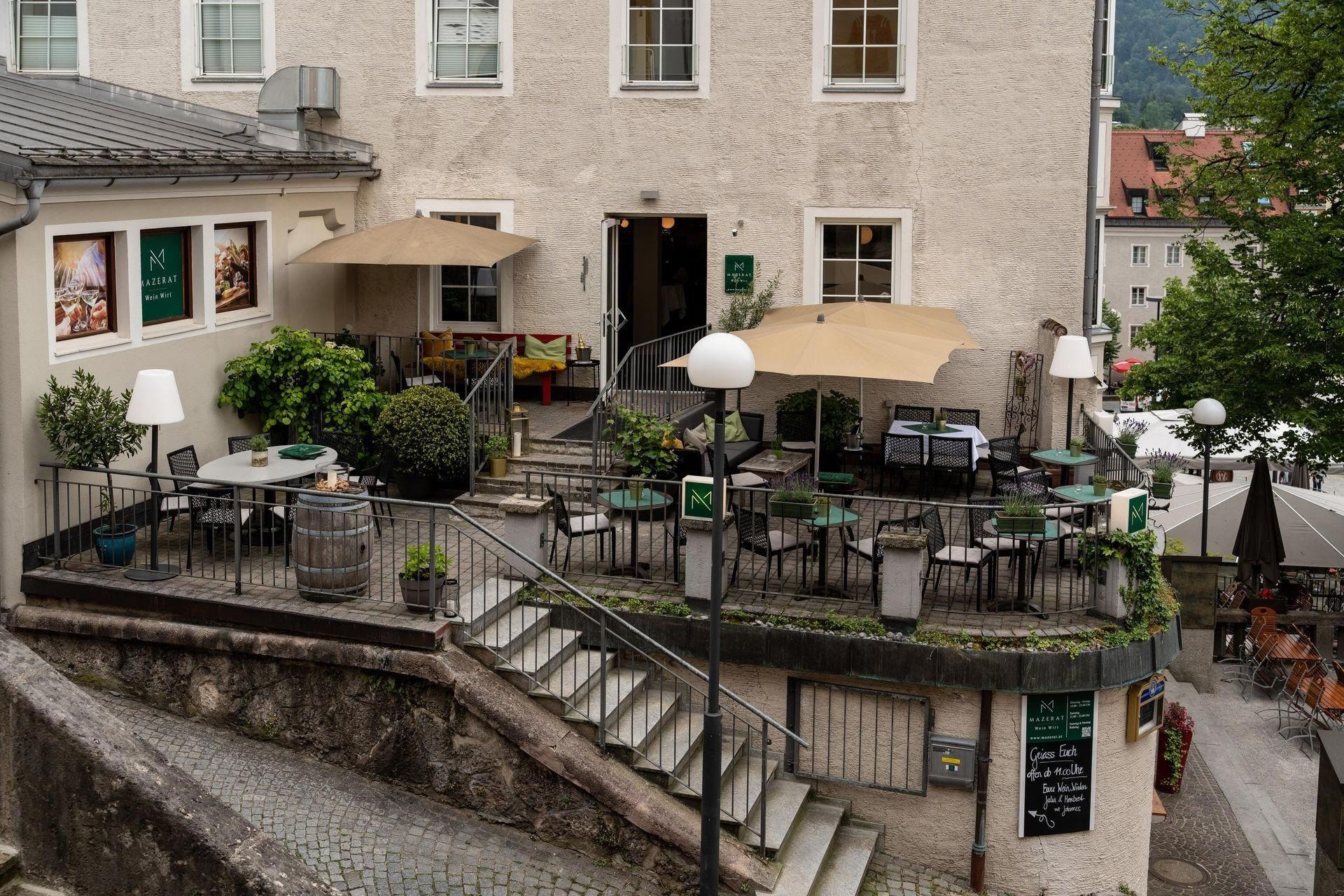
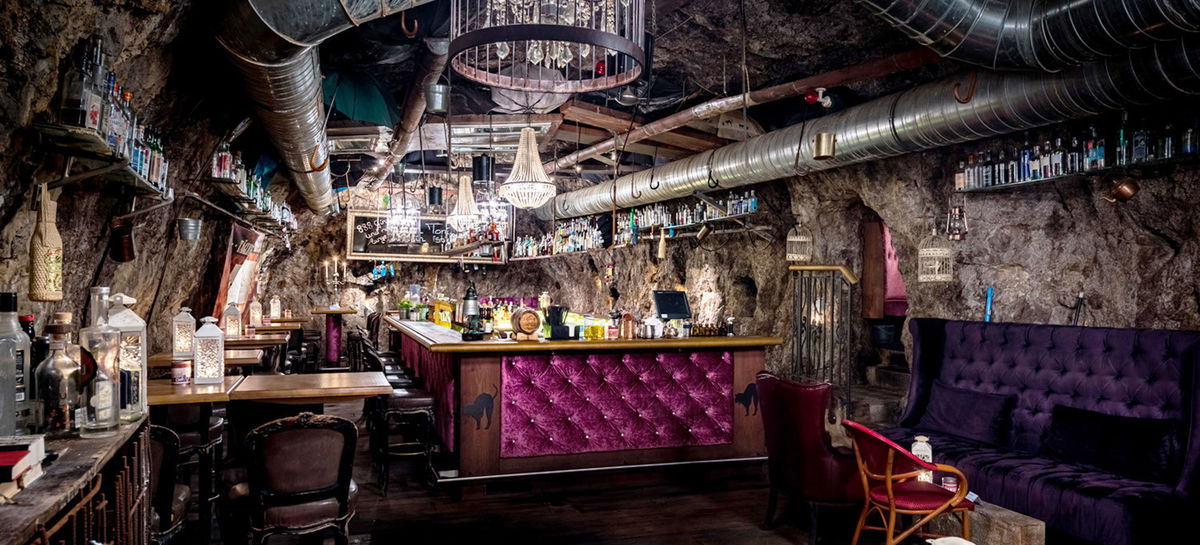
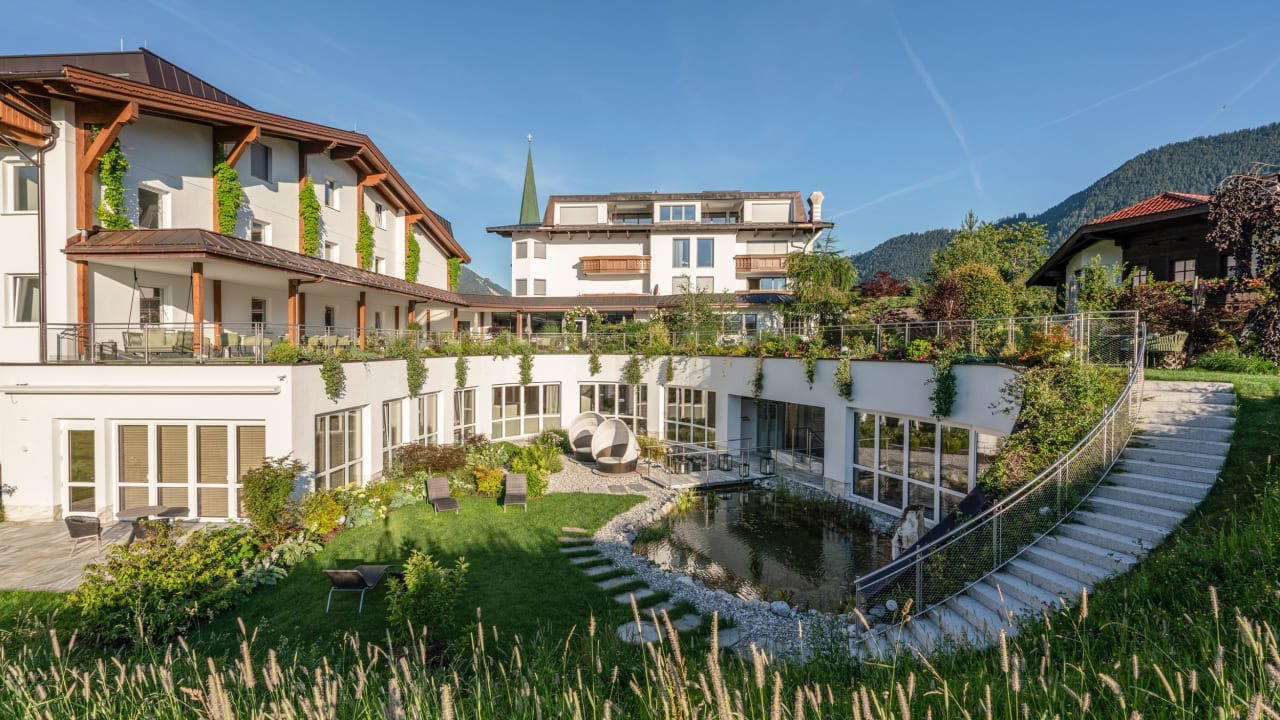
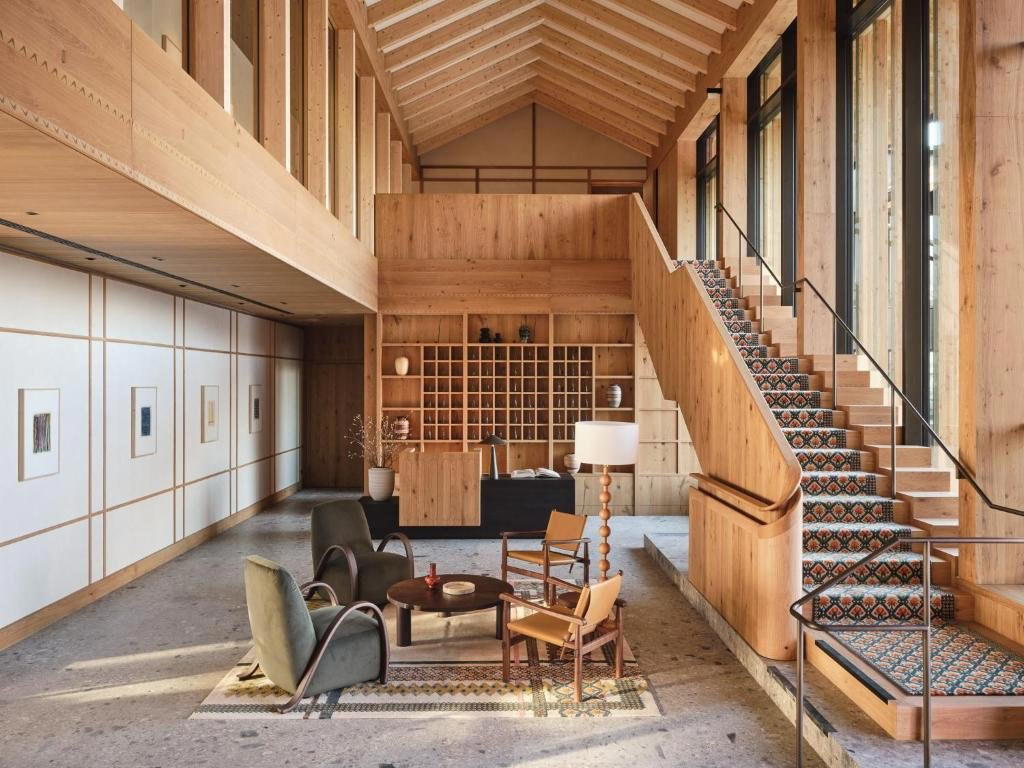
Elegant dining room with murals evoking countryside settings, generously spaced tables, terrace overlooking mountains, and sophisticated Italian ambiance in a historic setting.