Brasserie Tafern

A tavern has occupied Kirchplatz 1 in Aschau im Chiemgau since the early fifteenth century, and Brasserie Tafern carries that continuity forward under Executive Chef Daniel Pape with classic and Mediterranean cooking that sits a deliberate register below the formal fine dining of its sister restaurant, Epicures. The à la carte format, Alpine terrace views, and afternoon opening hours make it one of the more considered casual options in this corner of Bavaria.
Pearl is the En Primeur Club membership app — saves, bookings, and concierge access live there. Same editors, same standards.
- Address
- Kirchpl. 1, 83229 Aschau im Chiemgau, Germany
- Phone
- +49 8052 17990
- Website
- residenz-heinz-winkler.de
 Saves & bookings on Pearl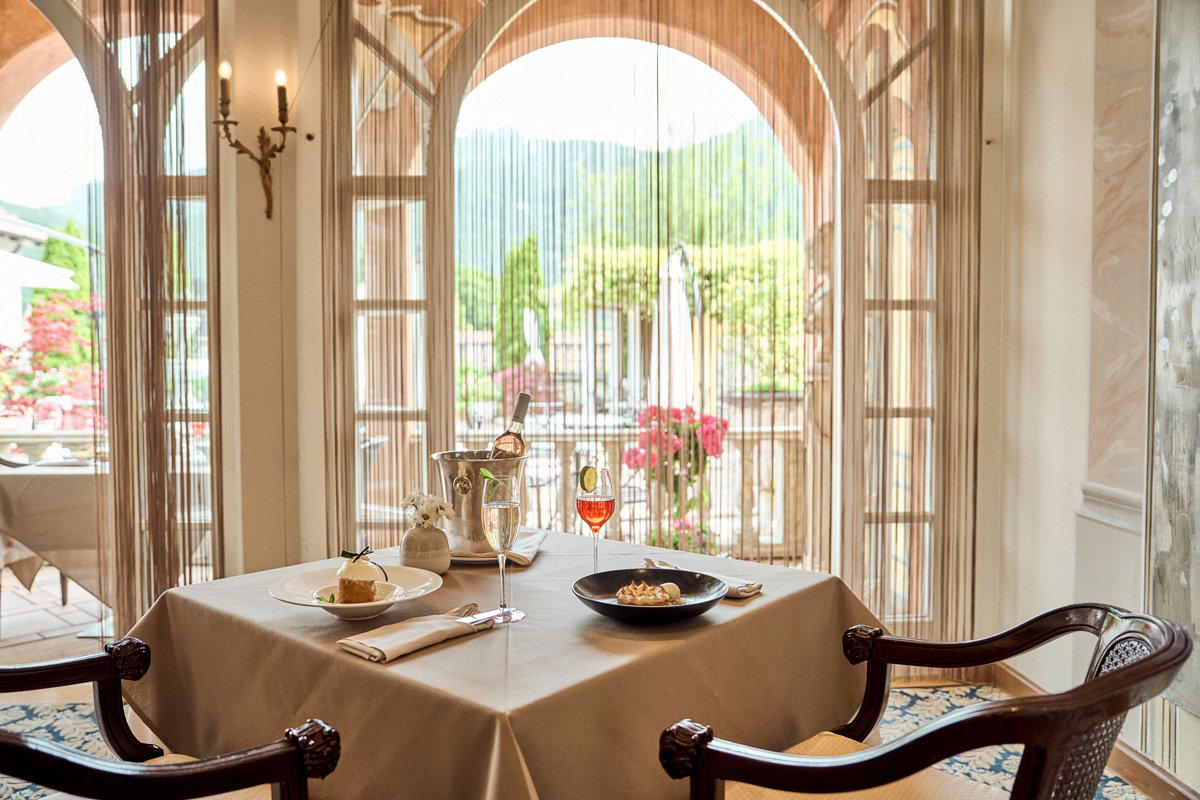
A Bavarian Alpine Setting With Six Centuries of Hospitality Behind It
Brasserie Tafern is a restaurant in Aschau im Chiemgau, Germany, at Kirchpl. 1, with. Kirchplatz 1 in Aschau im Chiemgau is not a new address for hospitality. Documentary records trace a tavern on this site to the early fifteenth century, which means the ground beneath the Bergterrasse has been receiving guests, farmers, travellers, traders, for roughly six hundred years. Brasserie Tafern takes its name directly from that lineage: "Tafern" is an archaic term for a tavern, and the choice to keep it is a statement about continuity rather than nostalgia. In a small Chiemgau market town where the Kampenwand ridge closes off the southern horizon, that kind of rootedness reads as authentic rather than decorative.
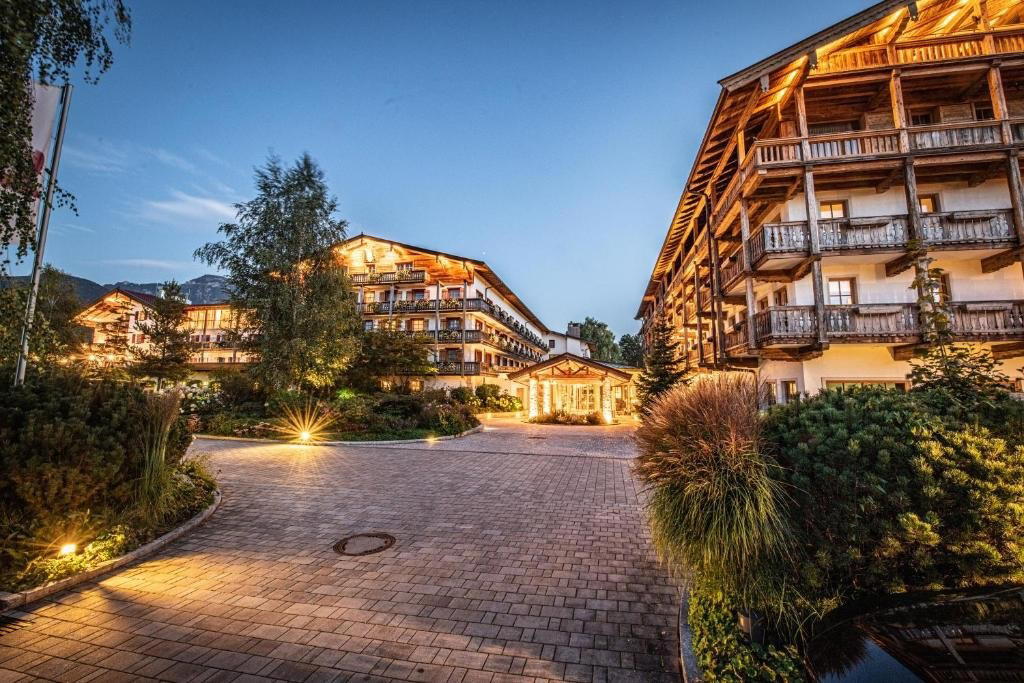
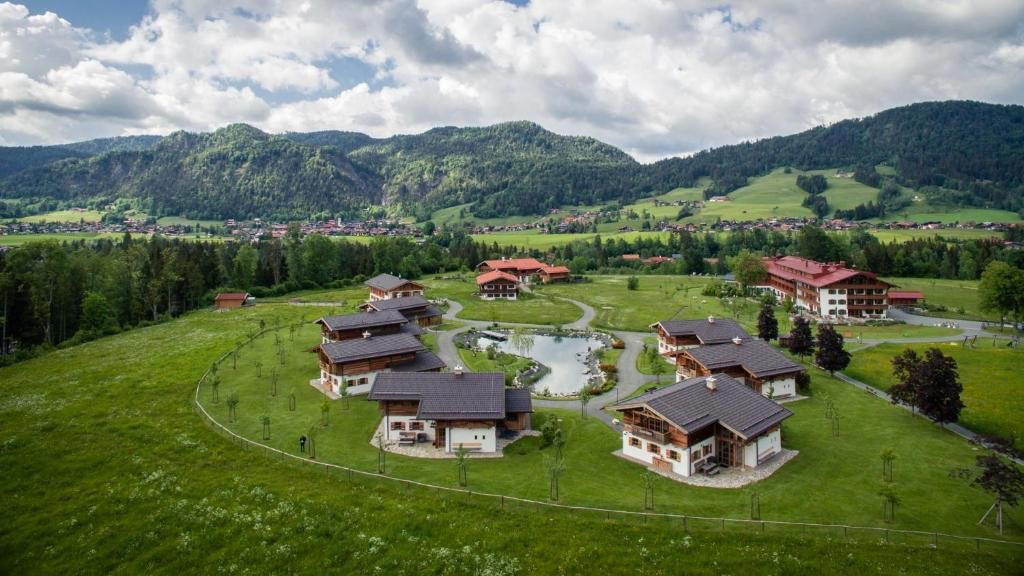
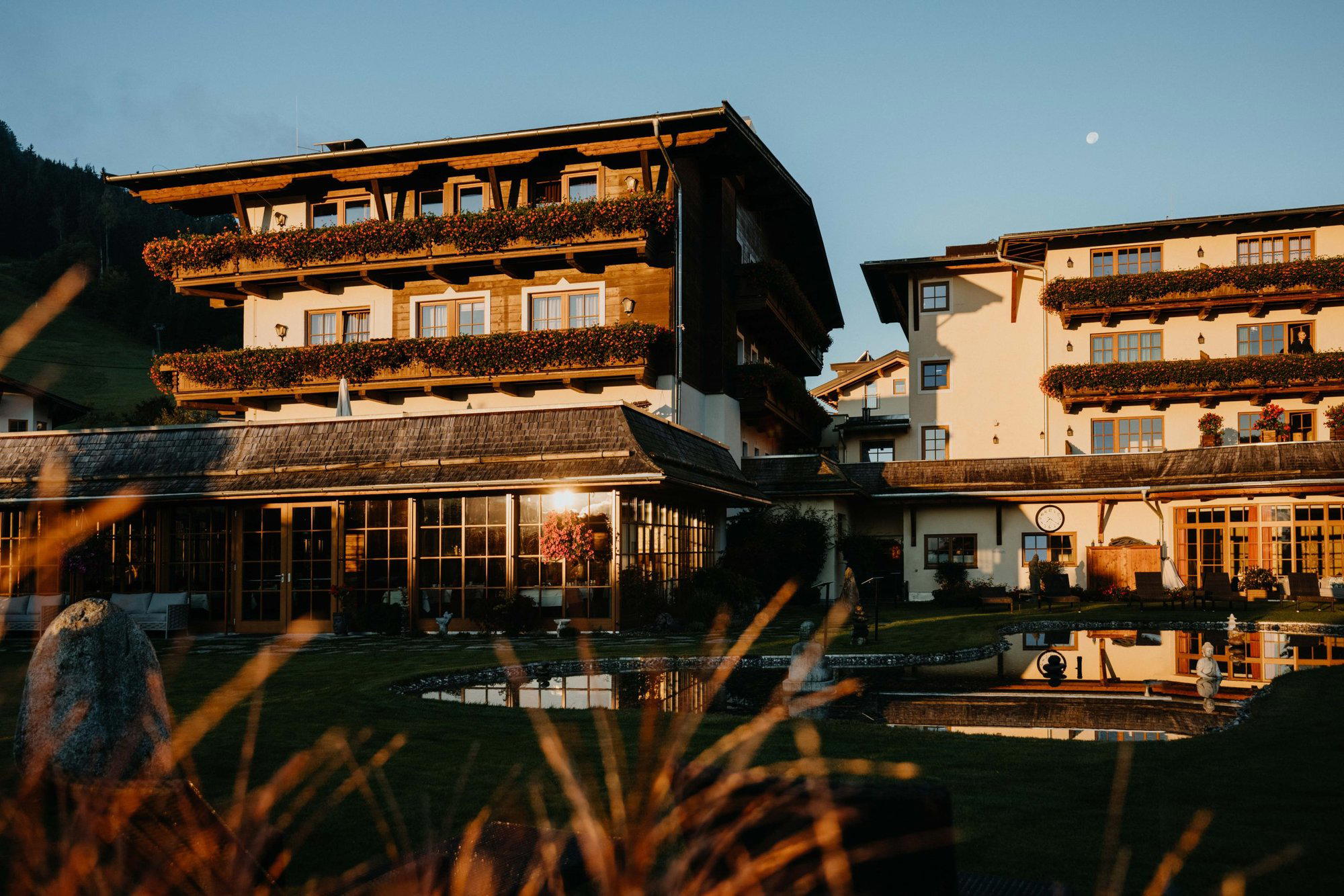
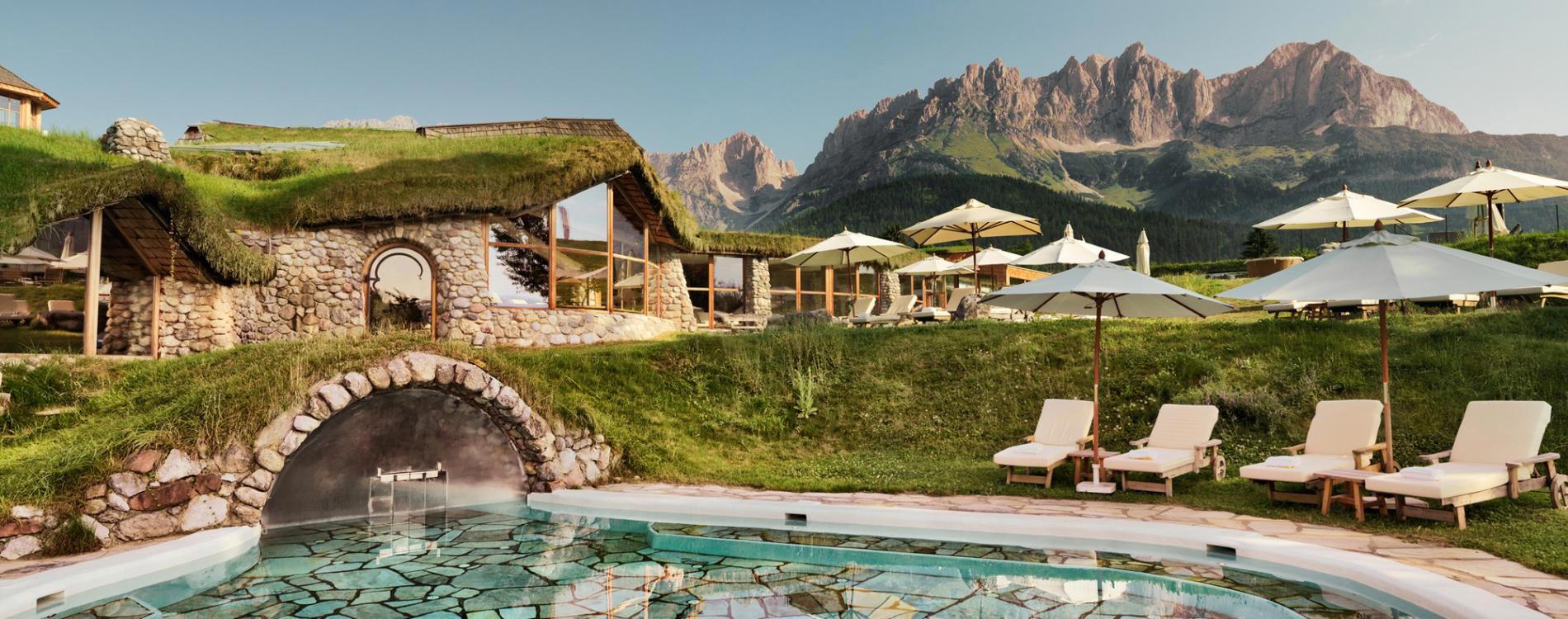
The physical position of the brasserie, attached to the Boutique Hotel Residenz Winkler and opening onto a terrace with direct sightlines to the Chiemgau Alps, locates it firmly within a tradition of Alpine hospitality where the view is considered part of the meal. In fine weather, the Bergterrasse earns its name: the mountains are present, not peripheral. It is the kind of setting that shapes what you order and how long you stay.
Where the Food Comes From, and Why the Format Is Deliberate
The editorial angle on any kitchen in this part of Bavaria runs, almost inevitably, through the question of sourcing. The Chiemgau sits within one of the more agriculturally coherent regions of southern Germany: dairy farming on the foothills, market gardens in the valley floors, and proximity to the Inn and Chiemsee waterways that have historically supplied freshwater fish to local tables. Classic Bavarian brasserie cooking, the kind that includes a dish like Senfrostbraten, a pork roast with mustard and rainbow vegetables, is legible precisely because it reflects those regional supply chains. Mustard-braised pork is not a chef's invention; it is a format built around what local farms reliably produce.
The kitchen's sourcing framework is shared with the hotel's fine dining room, Epicures (Modern French), even as the registers diverge sharply. At Tafern, that shared infrastructure expresses itself in the lightness and finesse noted across the menu: this is not heavy brasserie food built for volume, but cooking where the Mediterranean strand, artichoke consommé with tomato concassé, for instance, asks for produce quality to carry the dish without architectural complexity. A consommé is among the more transparent preparations in a classical kitchen; there is nowhere to hide in a clear broth.
The seasonal daily specials function as one direct signal of what the kitchen is working with at any given time. In the Chiemgau context, that means the menu shifts with Alpine agricultural rhythms: spring brings different vegetables to the terrace than autumn, and a kitchen that lists daily specials alongside its à la carte card is, in effect, publishing a running commentary on regional supply. For the reader planning a visit, that specificity argues for checking the current specials rather than anchoring expectations to a fixed menu.
How Tafern Sits Relative to the Wider German Fine Dining Scene
Germany's high-end restaurant tier has, over the past decade, consolidated around a relatively small number of multi-Michelin-starred addresses. Places like Aqua in Wolfsburg, Schwarzwaldstube in Baiersbronn, Vendôme in Bergisch Gladbach, and JAN in Munich represent one tier of that scene, as does ES:SENZ in Grassau, which sits close enough geographically to make a direct comparison reasonable. Further afield, Restaurant Haerlin in Hamburg, Schanz in Piesport, Victor's Fine Dining by Christian Bau in Perl, Waldhotel Sonnora in Dreis, and the format innovation of CODA Dessert Dining in Berlin all operate in a register where tasting menus, long booking windows, and dress expectations shape the experience in advance. Internationally, addresses like Le Bernardin in New York City and Emeril's in New Orleans illustrate how differently the chef-driven restaurant concept has evolved in other contexts.
Brasserie Tafern operates in a completely different register from all of these. The à la carte format, afternoon opening, and brasserie classification place it in a category where the criteria for success are accessibility, consistency, and a sense of place, not innovation or formal technique for its own sake. That is not a lesser ambition; it is a different one, and it is worth naming clearly. The brasserie format, done well, is harder to sustain than a tasting menu operation because every table must feel like a considered choice rather than part of a choreographed sequence.
Planning a Visit: Hours, Access, and Context
Aschau im Chiemgau is a small market town in the Chiemgau foothills, accessible from Munich in under an hour and a half by train via Prien am Chiemsee, with connections that make it a credible day-trip or weekend base. The town sits within easy reach of the Chiemsee lake to the north and the Kampenwand cable car to the south, which means the restaurant functions practically as either a midday or early-evening anchor for a day in the mountains. The kitchen opens at 3pm on weekdays and at noon on Sundays, a scheduling logic that fits the area's hiking and day-visitor patterns. Anyone arriving from a morning on the Kampenwand will find the Sunday noon opening particularly convenient.
The brasserie is attached to the Boutique Hotel Residenz Winkler. For those staying at the hotel, Tafern and Epicures represent two distinct options under the same roof, the former for evenings when the Alpine air and a direct plate of Senfrostbraten make more sense than a formal tasting menu, the latter when the occasion calls for it. For visitors not staying at the hotel, the Bergterrasse remains accessible, and in a region where independent restaurants are relatively sparse, Tafern fills a gap in the mid-register that the area needs.
Comparable Spots, Quickly
Comparable venues nearby, for context on price, style, and recognition.
| Venue | Cuisine | Price | Awards | Notes |
|---|---|---|---|---|
| Brasserie TafernThis venue — the venue you are viewing | French Brasserie with Mediterranean Influences | $$$ | Michelin Plate | Not listed |
| Residenz Heinz Winkler | Modern French Fine Dining | $$$$ | Not listed | Aschau im Chiemgau |
| Epicures | Modern French Fine Dining | $$$$ | Michelin 1 Star | Aschau im Chiemgau |
| buffet Kull bar | French Brasserie | $$$ | Michelin Plate | Altstadt |
| Chiemgauhof | Modern Regional Bavarian | $$$ | Michelin Plate | Übersee |
| Waldrestaurant Maxlmühle | Traditional German Forest Restaurant | $$$ | Michelin Plate | Valley |
Recognition history
Dated appearances from independent guides and award organizations, with the underlying list record or original source where available.
Michelin Plate
Michelin · 2026 Michelin Plate
Continue exploring
More in Aschau im Chiemgau
Restaurants in Aschau im Chiemgau
Browse all →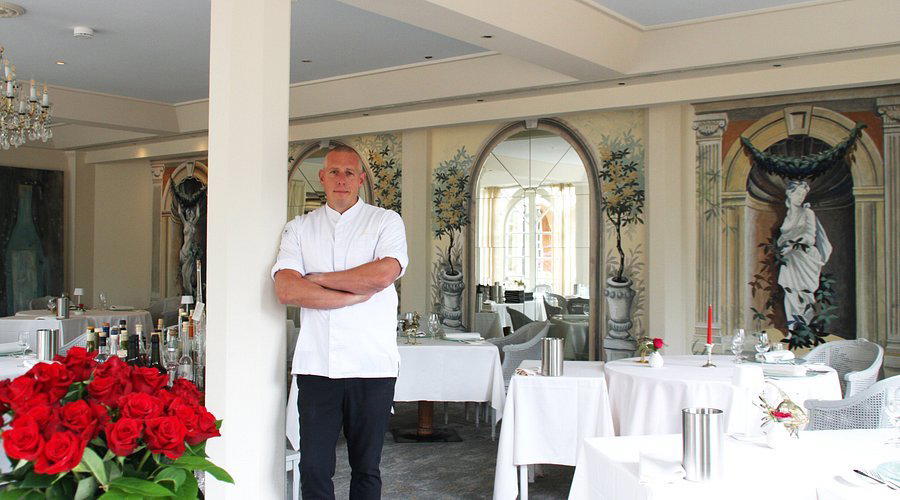
Bars in Aschau im Chiemgau
Browse all →
At a Glance
- Classic
- Cozy
- Elegant
- Date Night
- Special Occasion
- Terrace
- Extensive Wine List
- Local Sourcing
- Mountain
- Garden
Warm, timeless, and sophisticated with a relaxed yet tasteful atmosphere.