Landhaus Wolf
Landhaus Wolf occupies a quiet address on Karl-Kurz-Straße in Schwäbisch Hall, a town whose dining scene punches well above its size in southwestern Germany. The restaurant sits within a regional tradition that prizes local sourcing and unhurried hospitality over metropolitan spectacle. For travellers exploring Hohenlohe's food culture, it represents the kind of neighbourhood anchor worth building an itinerary around.
Pearl is the En Primeur Club membership app — saves, bookings, and concierge access live there. Same editors, same standards.
- Address
- Karl-Kurz-Straße 2, 74523 Schwäbisch Hall, Germany
- Phone
- +4949791930660
- Website
- landhauswolf.eu
- Directions
- Get directions
 Saves & bookings on Pearl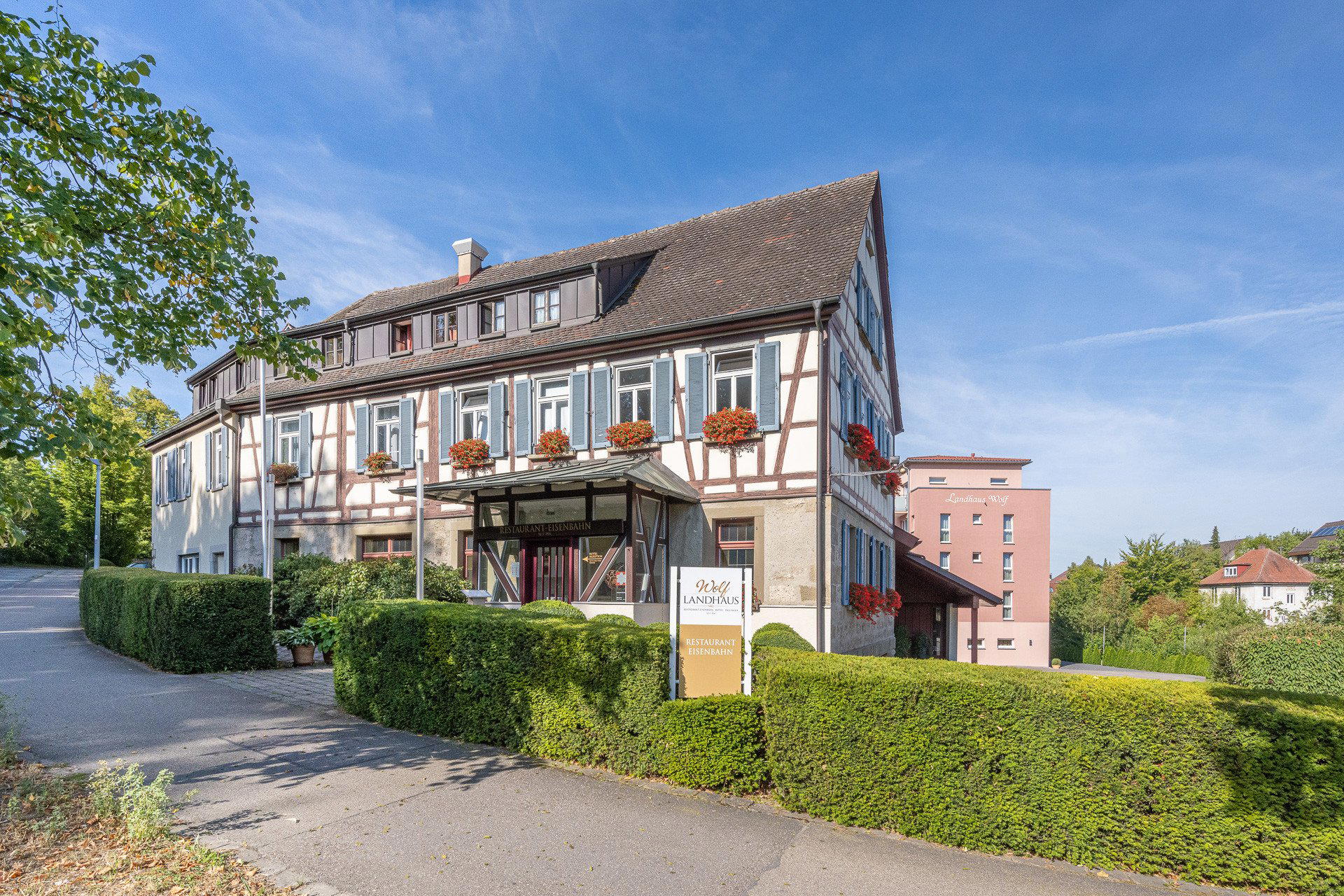
Where Hohenlohe's Larder Meets the Dining Room
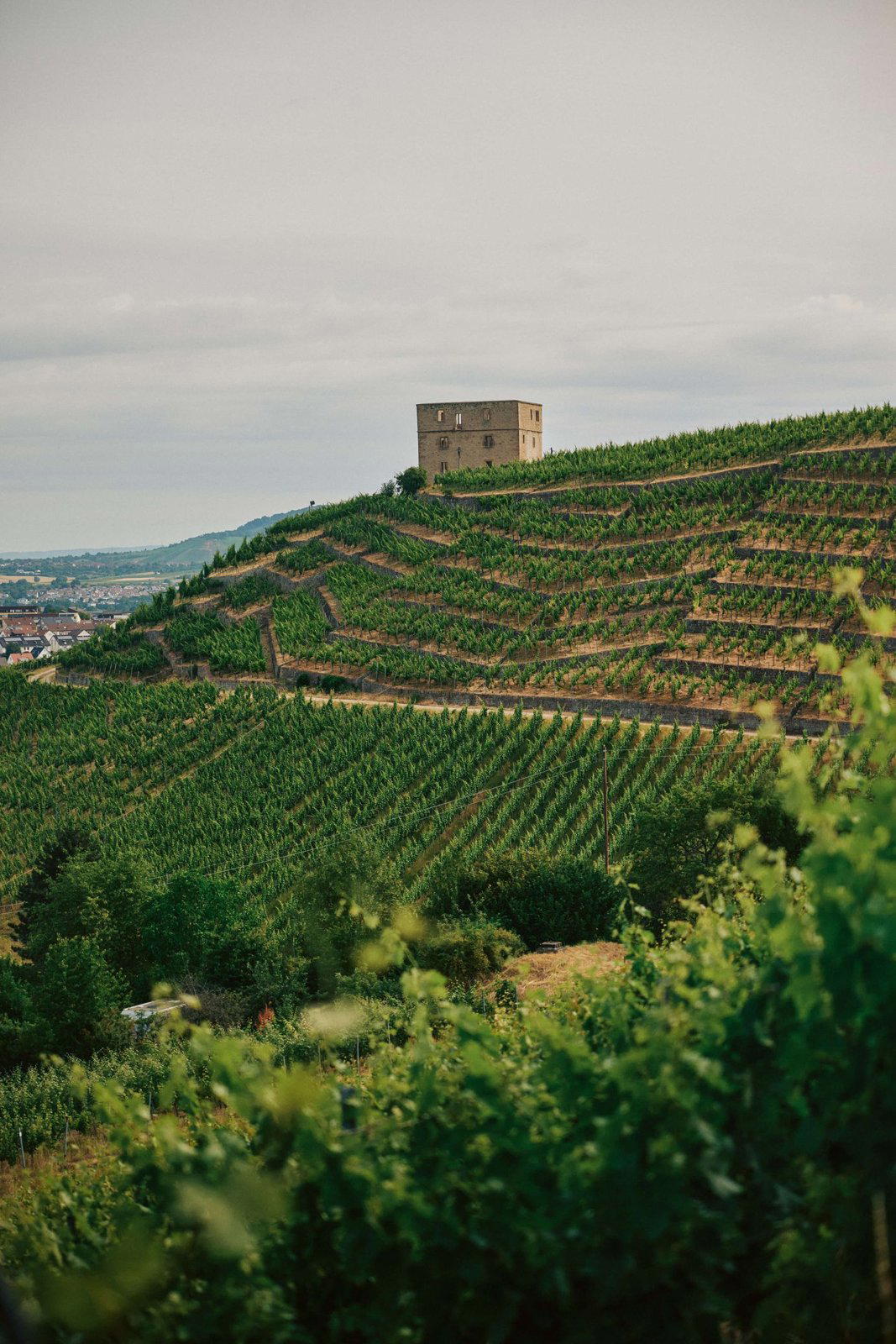
Schwäbisch Hall occupies a particular position in southwestern Germany's food culture. The town sits at the edge of the Hohenlohe plain, one of Baden-Württemberg's most productive agricultural zones, where heritage pig breeds, spelt cultivation, and river fish have sustained a distinct regional kitchen for centuries. The Hohenlohe Landschwein, a slow-grown heritage pig, became something of a symbol for the region's renewed commitment to provenance-led cooking in the early 2000s, and the farms supplying the town's better restaurants operate within a tight geographic radius. That proximity between field and plate is the operative logic behind dining in Schwäbisch Hall, and it shapes what a venue like Landhaus Wolf represents within the local scene.
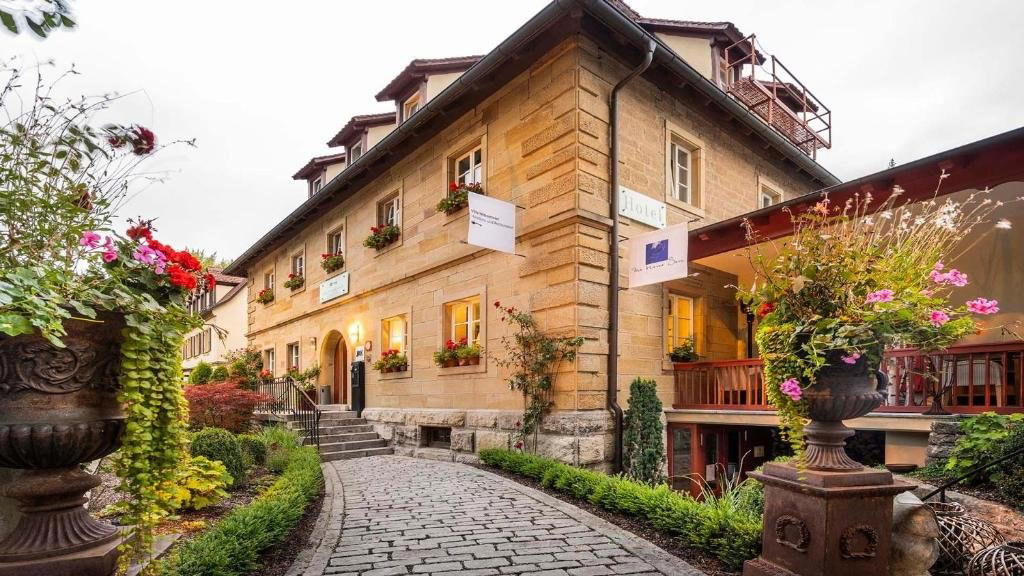
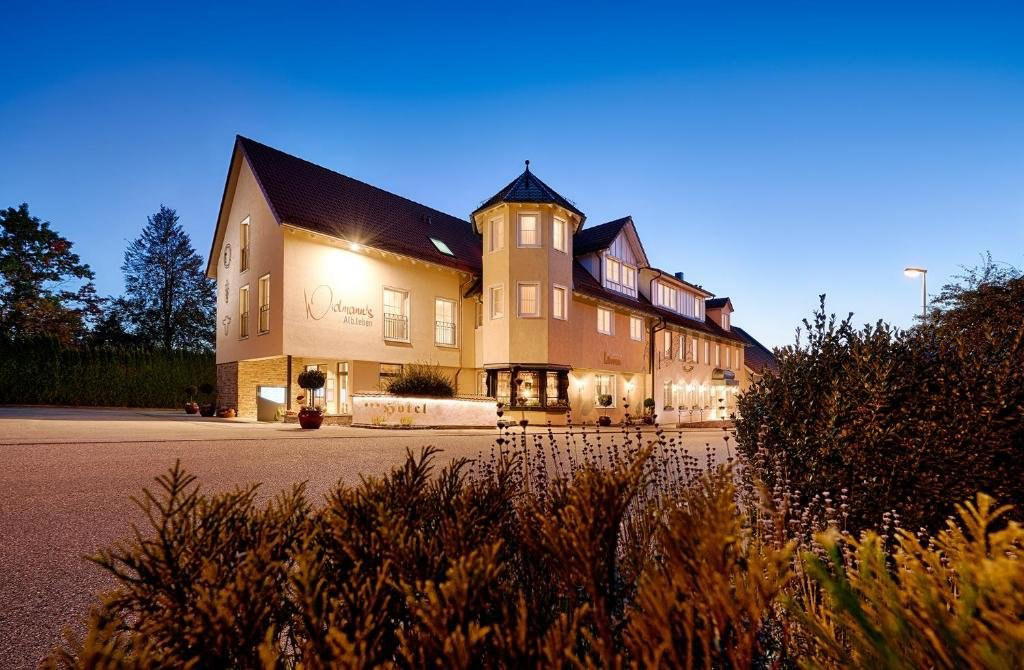
Karl-Kurz-Straße is a quieter address by the standards of the old town, away from the market square's tourist circulation and closer to the residential fabric of the city. Arriving at Landhaus Wolf, the architectural register is the kind of settled, mid-scale German gasthaus that signals continuity rather than reinvention: a building that has absorbed a long relationship with its neighbourhood rather than announced itself to it. That register matters in Hohenlohe, where respected dining rooms tend to project rootedness rather than ambition.
The Logic of Sourcing in a Region That Takes It Seriously
Baden-Württemberg's fine dining tier divides, broadly, between city restaurants that import their ingredient networks from across Europe and country houses that lean on the density of local agriculture. Schwäbisch Hall's dining scene sits firmly in the latter tradition. The regional supply chain is unusually coherent: Hohenlohe farms supply heritage proteins, the Kocher river valley contributes freshwater fish, and the surrounding orchards and market gardens fill the seasonal gaps. Restaurants in this zone that commit to that supply chain are operating inside a well-established credibility structure, where sourcing decisions are legible to local diners in a way they rarely are in larger cities.
That context is worth holding when considering Landhaus Wolf alongside its Schwäbisch Hall peers. Rebers Pflug operates explicitly in the farm-to-table register at the €€€ tier, while Landhaus Zum Rössle covers similar ground at the more accessible €€ price point. Eisenbahn takes the Modern French route at the €€€€ ceiling. The restaurant occupies a position within that spread that rewards attention from travellers who want the regional ingredient story without the formality premium that the upper-tier addresses carry.
What the German Country House Format Delivers
The landhaus restaurant format across Germany operates as a distinct hospitality category, different in character from both the urban tasting-menu counter and the rural gasthaus. It tends to combine a degree of culinary ambition with space and a slower service tempo, appealing to the multi-generational family table, the regional business lunch, and the weekend leisure traveller in roughly equal measure. The cooking in this format usually reflects local seasonal availability more directly than city restaurants, because the kitchen's relationship with its suppliers is often personal and long-standing rather than mediated through a distributor.
Germany's broader fine dining tier produces particularly ingredient-serious restaurants in Europe. Aqua in Wolfsburg, Schwarzwaldstube in Baiersbronn, and Vendôme in Bergisch Gladbach anchor the upper end of that tier with significant awards recognition. The restaurant does not operate in that bracket, but it belongs to the same national conversation about where ingredients come from and why that question should shape what arrives on the plate. At the regional level, it shares that orientation with peers like ES:SENZ in Grassau and Schanz in Piesport, both of which demonstrate that provincial German addresses can sustain serious culinary programs without metropolitan infrastructure. Internationally, the sourcing discipline that defines Hohenlohe cooking finds parallels in what Le Bernardin in New York City does with supply chain specificity in seafood, and in the seasonal coherence that Atomix in New York City applies to its Korean ingredient framework.
Planning a Visit
Schwäbisch Hall is accessible by regional train from Stuttgart (approximately 90 minutes) or by car from the A6 motorway, which positions the town as a viable day trip from Stuttgart or an overnight stop on a longer Baden-Württemberg itinerary. Karl-Kurz-Straße is within walking distance of the old town's medieval market square and the salt works museum complex, which means the restaurant functions naturally as an evening anchor after an afternoon of the town's principal sights. Booking ahead is the sensible approach for any weekend visit, since the better-known Schwäbisch Hall addresses fill quickly on Friday and Saturday evenings, particularly during the open-air theatre season, which runs from June through August and brings significant visitor numbers into the town. Specific hours are not listed here, and reservations are essential.
Comparison Snapshot
Comparable venues nearby, for context on price, style, and recognition.
| Venue | Cuisine | Price | Awards | Notes |
|---|---|---|---|---|
| Landhaus WolfThis venue — the venue you are viewing | Modern French Fine Dining | $$$$ | Not listed | Not listed |
| Landhaus Zum Rössle | Swabian Regional Cuisine | $$ | Bib Gourmand | Veinau |
| Eisenbahn | Classic-Modern German Fine Dining | $$$$ | Michelin 1 Star | Schwäbisch Hall |
| Rebers Pflug | Swabian Fine Dining | $$$$ | Michelin 1 Star | Schwäbisch Hall |
| Heinz Winkler | Modern French Fine Dining - Cuisine Vitale | $$$$ | Not listed | Aschau im Chiemgau |
| Gourmet-Restaurant "Bareiss" | Three-Michelin-star Classic French Fine Dining | $$$$ | Not listed | Baiersbronn-Mitteltal |
Continue exploring
More in Schwäbisch Hall
Restaurants in Schwäbisch Hall
Browse all →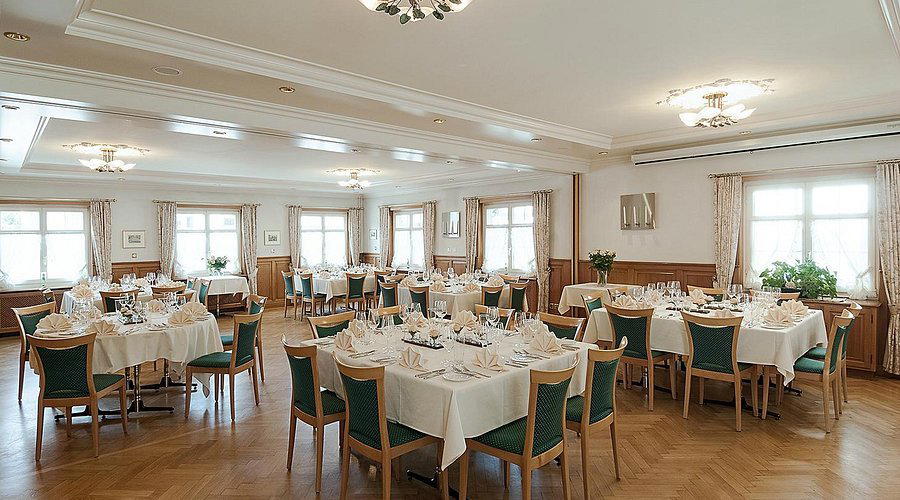
Bars in Schwäbisch Hall
Browse all →
Hotels in Schwäbisch Hall
Browse all →
At a Glance
- Elegant
- Sophisticated
- Classic
- Romantic
- Date Night
- Business Dinner
- Celebration
- Special Occasion
- Private Event
- Wine Cellar
- Terrace
- Garden
- Private Dining
- Hotel Restaurant
- Historic Building
- Extensive Wine List
- Sommelier Led
- Local Sourcing
- Garden
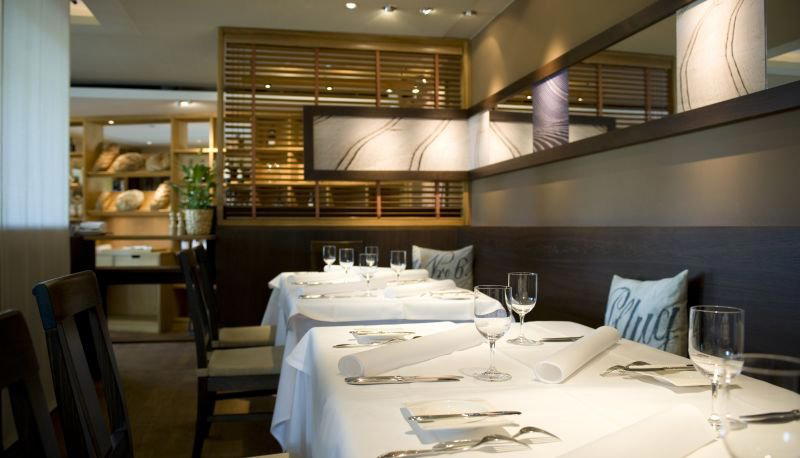
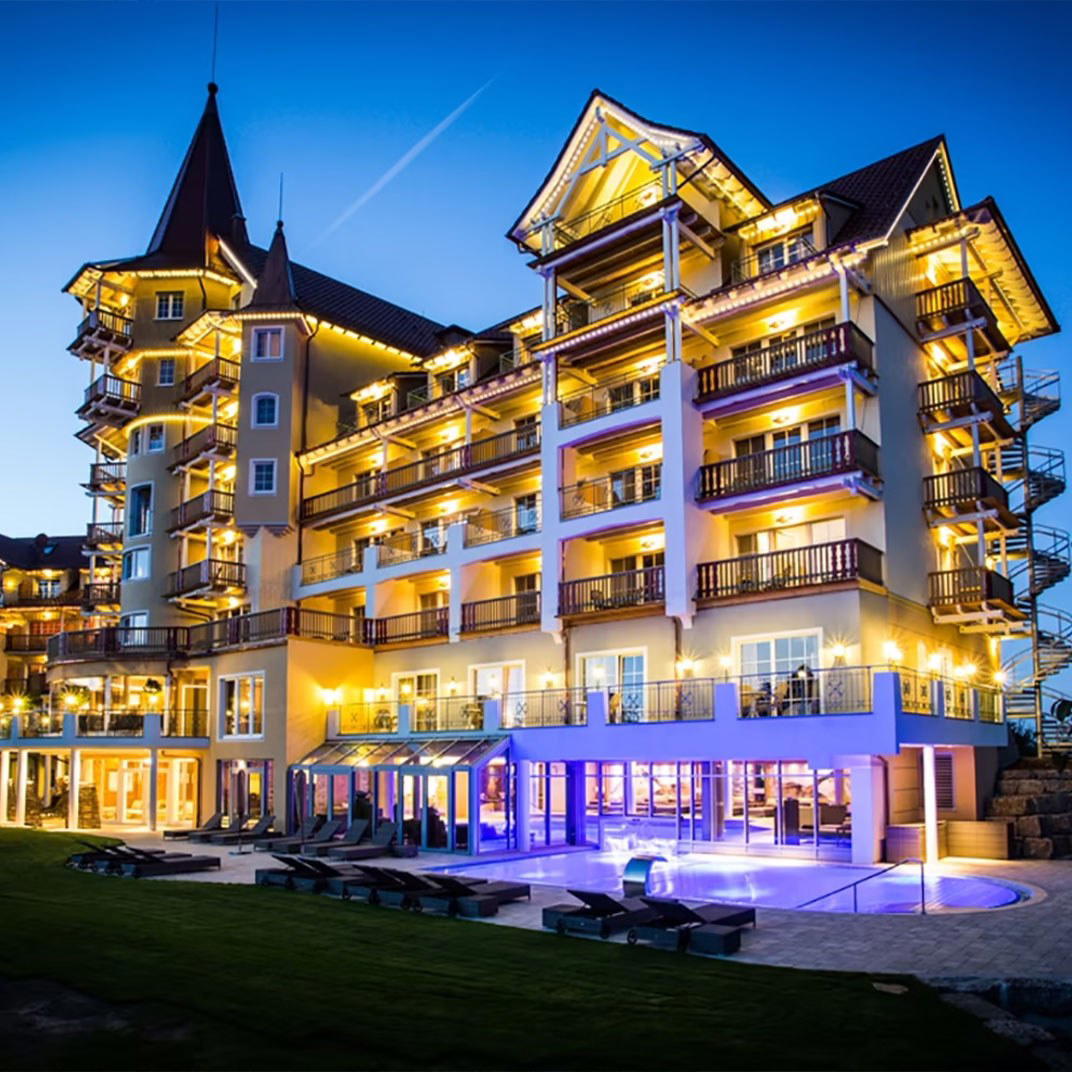
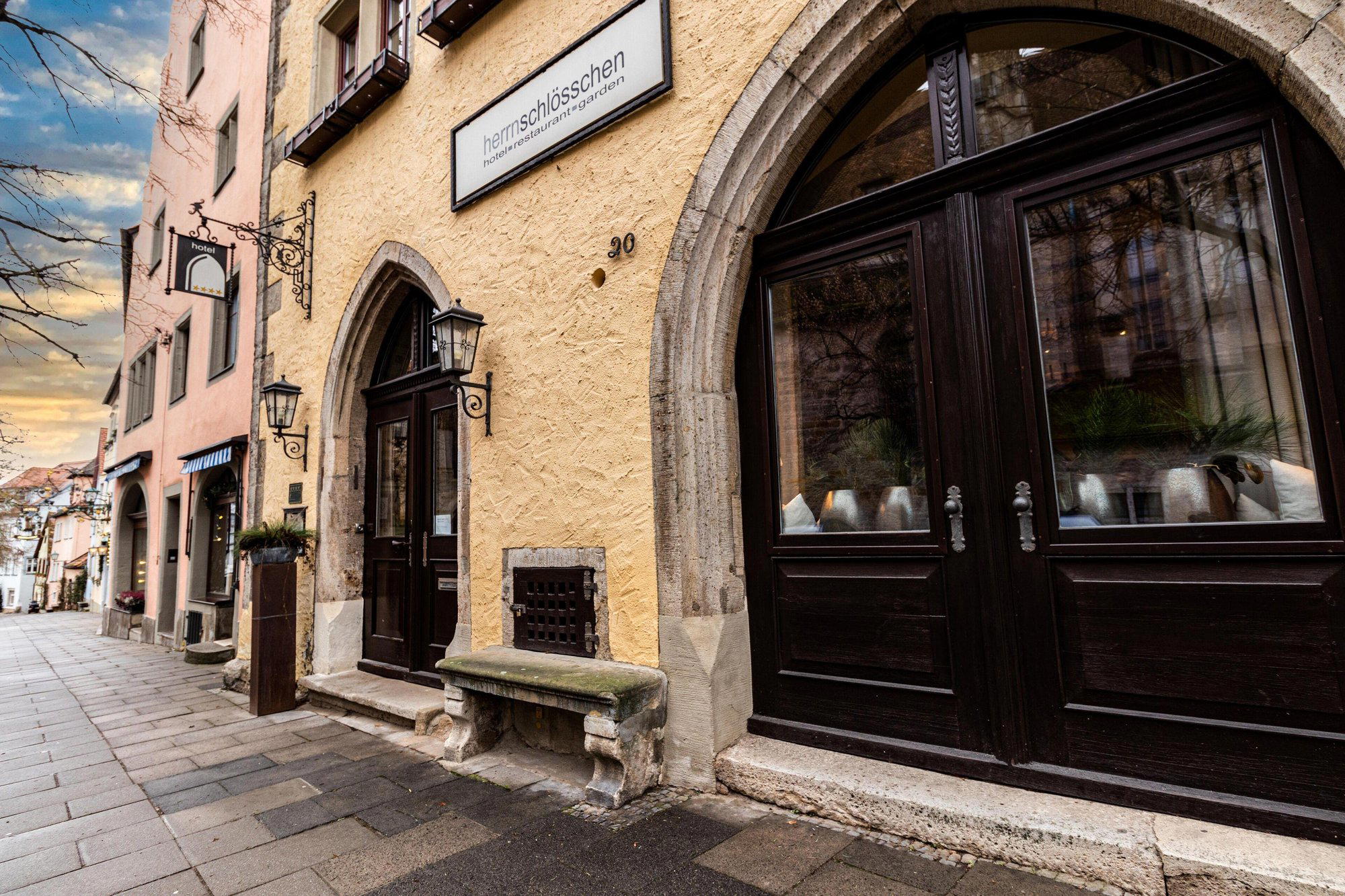
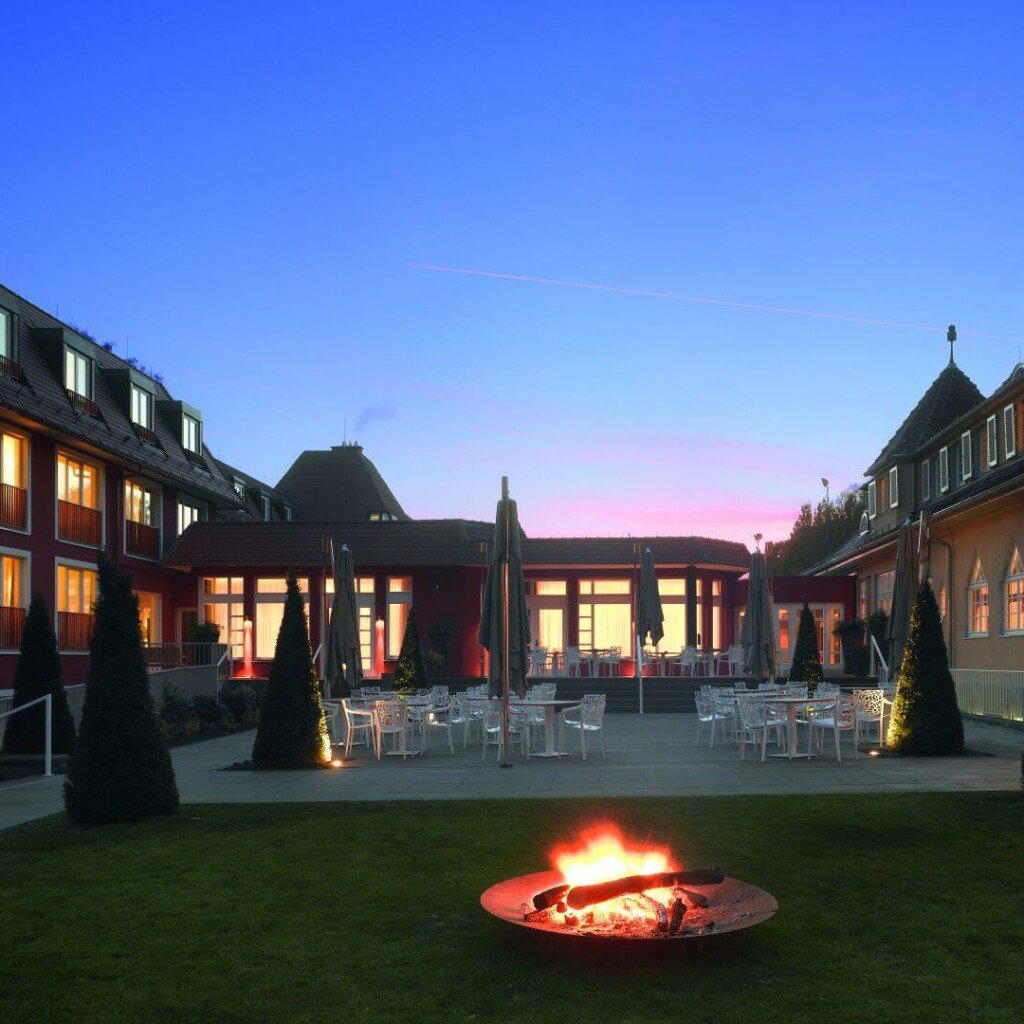
Elegant and refined dining atmosphere with stylish, welcoming ambience; guests can enjoy drinks on a terrace with garden views on sunny days.