Reinhardt's Restaurant
Our verdict
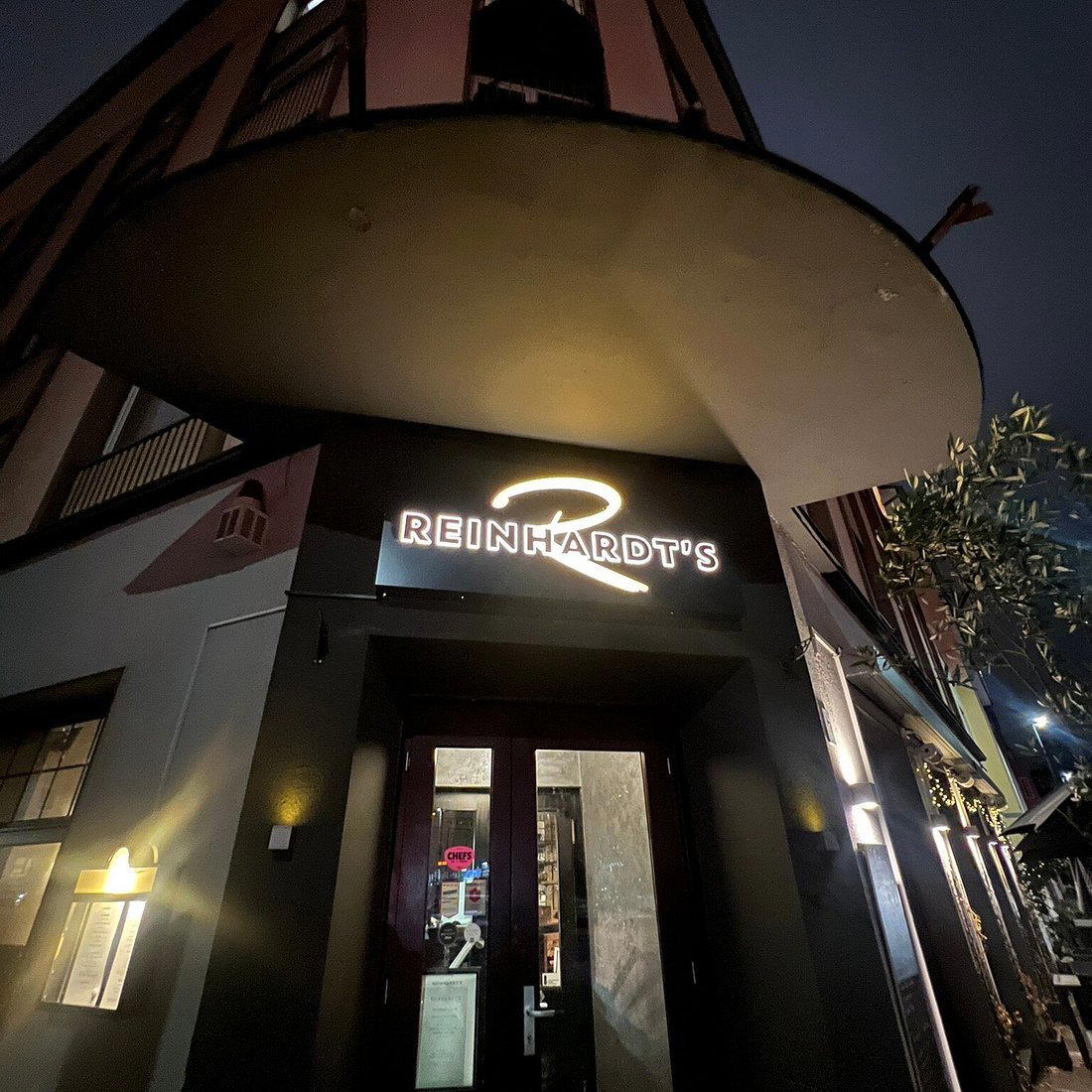
On Schloßstraße in Düsseldorf's Pempelfort district, Reinhardt's Restaurant occupies a stretch of the city that has quietly accumulated some of its more considered dining rooms. The address places it within reach of the Rhine promenade without the tourist-facing noise of the Altstadt, making it a practical base for an evening built around the table rather than the surroundings.

Pearl is the En Primeur Club membership app — saves, bookings, and concierge access live there. Same editors, same standards.
- Address
- Schloßstraße 82, 40477 Düsseldorf, Germany
- Phone
- +4921199611122
- Hours
- Mon ClosedTue–Fri 5:30–11 PMSat 12–3 PM, 5:30–11 PMSun Closed
- Website
- reinhardts-restaurant.de
- Directions
- Get directions
- Booking
- Book on OpenTable
The menu
What to order
- Rindsroulade
- Wiener Schnitzel
- Entrecote
Where Düsseldorf Eats When It Isn't Performing
Düsseldorf's dining scene divides roughly along two axes: the Altstadt, where the density of beer halls and casual restaurants absorbs the city's considerable foot traffic, and the quieter residential quarters to the north and west, where a more deliberate kind of restaurant has taken hold. Schloßstraße 82, the address of Reinhardt's Restaurant, sits in the latter territory. Pempelfort is not a neighbourhood that courts attention; it earns it through the cumulative weight of what it offers to people who live and work nearby. A restaurant here is not selling a postcard version of Düsseldorf. It is selling dinner.
That geographic positioning matters more than it might appear. Germany's serious mid-tier restaurant culture — the bracket between a neighbourhood Gasthaus and a Michelin-recognised destination — has historically been strongest in cities where business travel creates a steady, demanding audience. Düsseldorf, as a trade-fair hub and the commercial capital of North Rhine-Westphalia, generates exactly that audience. Reinhardt's, at its Pempelfort address, sits inside that current. For more context on how the broader dining scene is distributed across the city's quarters, see our full Dusseldorf restaurants guide.
The Arc of a Meal: Reading the Progression
The most useful way to think about a restaurant operating at this level in a German commercial city is through what a full meal is meant to accomplish. The tasting-menu format, which has become the default mode of ambition for German fine dining from Aqua in Wolfsburg to Schwarzwaldstube in Baiersbronn, demands that each course carry narrative weight. The sequence must build, not simply accumulate. That logic applies even in restaurants that do not operate as formal tasting counters.
Germany's most decorated dining rooms have spent the past decade refining this progression. At Vendôme in Bergisch Gladbach and Victor's Fine Dining by Christian Bau in Perl, the arc typically moves from technically precise cold preparations toward richer, protein-centred middle courses, then pivots toward acid and brightness in the closing stages before dessert. CODA Dessert Dining in Berlin inverts this entirely, demonstrating how much structural flexibility the format allows when a kitchen commits to a single conceptual through-line. At ES:SENZ in Grassau and Schanz in Piesport, regional ingredient sourcing shapes the progression as much as classical technique does.
The restaurant's address and neighbourhood positioning suggest a format oriented toward a local professional clientele rather than destination-dining tourism. That does not preclude seriousness, some of Germany's most consistent kitchens operate at exactly that register, building reputations course by course rather than through awards-season publicity.
The Neighbourhood as Context
Düsseldorf's restaurant density in Pempelfort and the adjacent Derendorf quarter has grown steadily as the city's hospitality culture has matured beyond the Altstadt's gravitational pull. The dynamics here resemble what has happened in comparable German cities: as trade-fair infrastructure and corporate headquarters concentration increases, so does the appetite for restaurants that function as professional entertaining venues rather than tourist destinations.
This matters for how a restaurant like Reinhardt's is leading understood. Its immediate neighbourhood comparators include casual formats like 3h's burger and chicken, street-food anchors like Alanya Döner, and more considered options like Amuni Wein- und Käsebar, which reflects the city's deepening wine-bar culture, alongside Italian-leaning rooms such as Anfora and Arca Alacati. The range illustrates how Düsseldorf's off-Altstadt neighbourhoods function: not as monocultures built around a single cuisine or price point, but as layered dining streets that serve different needs across different evenings.
Within that layered field, a restaurant operating under a proper name, Reinhardt's, rather than a concept-label or cuisine-category title, signals a specific kind of identity. Named restaurants in German cities tend to position around consistency and personal cooking rather than around trend. That is a meaningful distinction in a market where concept restaurants and themed formats have proliferated.
German Fine Dining Beyond the Stars
The Michelin framework shapes how Germany's serious restaurants are discussed, but it does not capture the full range of kitchens worth attention. The three-star tier, Waldhotel Sonnora in Dreis, Aqua, Vendôme, represents a small and stable cohort. Below it, a much larger and more interesting field operates: restaurants that hold one or two stars, restaurants that have declined to pursue the guide's recognition, and restaurants that have built loyal clienteles through word of mouth and repeat business rather than through awards recognition.
Germany's dining culture outside the starred tier is structurally healthier than in some comparable European markets. The Gasthaus tradition, the wine-bar format that Amuni represents locally, and the mid-range restaurant with serious cooking but relaxed service all coexist without the status anxiety that can flatten dining variety in more prestige-focused cities. Restaurant Haerlin in Hamburg and JAN in Munich illustrate how individual rooms can build strong identities within this broader field. Internationally, the counter-format precision of Le Bernardin in New York or the course-by-course conceptual rigour of Atomix represent what full commitment to meal progression looks like at its most considered, a useful reference point for calibrating expectations wherever you sit on the formality spectrum.
Planning Your Visit
Reinhardt's Restaurant is located at Schloßstraße 82, 40477 Düsseldorf, in the Pempelfort district. The address is accessible from central Düsseldorf by tram or a short taxi ride from the Hauptbahnhof. As a neighbourhood restaurant in a residential quarter, it operates on a different rhythm from the Altstadt's more tourist-facing establishments: the clientele skews local and repeat, which generally translates to a more settled room and service paced around a complete meal rather than a quick turn. Specific booking methods, hours, and current pricing are best confirmed directly with the restaurant, as these details are not on public record at the time of writing.
Frequently asked questions
Is Reinhardt's Restaurant better for a quiet night or a lively one?
The Pempelfort address and the restaurant's positioning as a named, neighbourhood-oriented dining room suggest an atmosphere calibrated for conversation rather than event. Düsseldorf's more animated evening options concentrate in the Altstadt and along Bolkerstraße; a restaurant on Schloßstraße in Pempelfort draws a different crowd. If the question is whether to book for a business dinner or a loud group celebration, the neighbourhood context points clearly toward the former.
What is the dish that most defines the experience at Reinhardt's Restaurant?
What can be said with confidence is that restaurants operating in Düsseldorf's professional-clientele bracket tend to anchor their menus around regional German produce, seasonal vegetables, Rhine-area fish, and quality meat preparations, rather than around imported luxury ingredients. The most reliable approach is to ask when booking which preparations the kitchen considers central to the current menu.
What is the ideal way to book Reinhardt's Restaurant?
Contact details and a live booking system are not on public record for Reinhardt's at the time of writing. For a restaurant at this address in Düsseldorf, the standard approach is to call directly or, where available, use the restaurant's own website reservation function. Given the neighbourhood's local-clientele profile, booking at least a week ahead for weekend evenings is a reasonable baseline, with more lead time during Düsseldorf's major trade-fair periods when restaurant demand across the city tightens significantly.
How does Reinhardt's fit into Düsseldorf's dining scene for visitors already planning a multi-city Germany itinerary?
Düsseldorf sits within an hour of Cologne and roughly two hours from Frankfurt by rail, making it a practical stop on a broader German itinerary rather than a standalone destination for food-focused travel. Reinhardt's, as a Pempelfort neighbourhood restaurant rather than a destination dining room, suits travellers who want an evening anchored in how the city actually eats rather than a pilgrimage to a recognised landmark kitchen. Pairing it with a night in the Altstadt for contrast gives a more complete read of what Düsseldorf's food culture spans.
Cuisine-First Comparison
Comparable venues nearby, for context on price, style, and recognition.
| Venue | Cuisine | Price | Awards | Notes |
|---|---|---|---|---|
| Reinhardt's RestaurantThis venue — the venue you are viewing | French Brasserie with Alpine Influences | $50–100 | Not listed | Not listed |
| Le Bouchon | French Bistro & Brasserie | $50–100 | Falstaff Restaurant - 89 Falstaff Points | Pempelfort |
| Askitis greekcuisine | Authentic Greek Cuisine | $30–50 | Not listed | Düsseltal |
| thewaytonapoli | Neapolitan Pizza | $20–30 | Not listed | Düsseltal |
| Lido Hafen | Modern French Fine Dining | Not listed | Michelin Plate | Hafen |
| ATAWICH | American Smashed Burgers | $10–20 | Not listed | Düsseltal |
Continue exploring
More in Düsseldorf
Restaurants in Düsseldorf
Browse all →
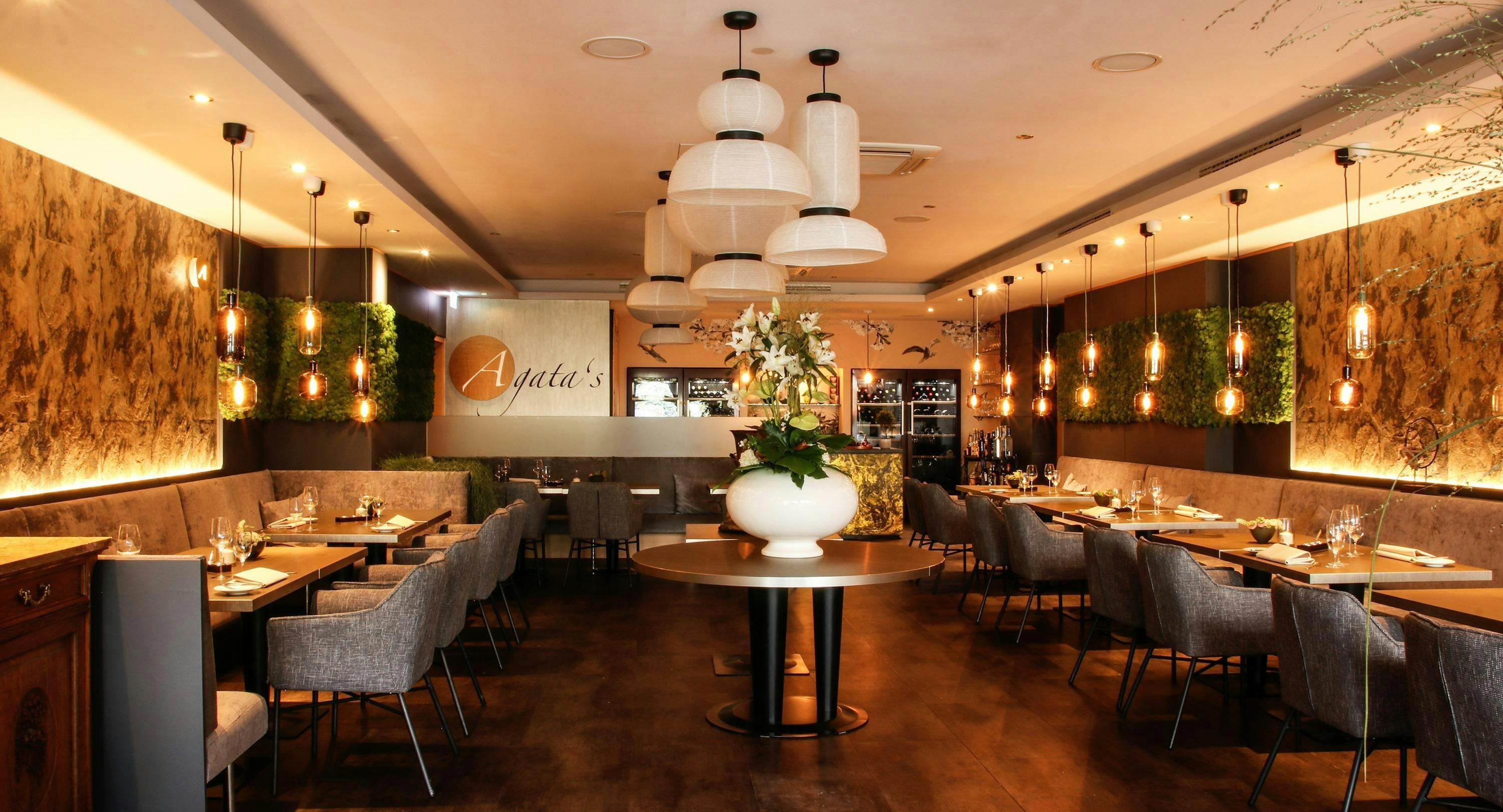
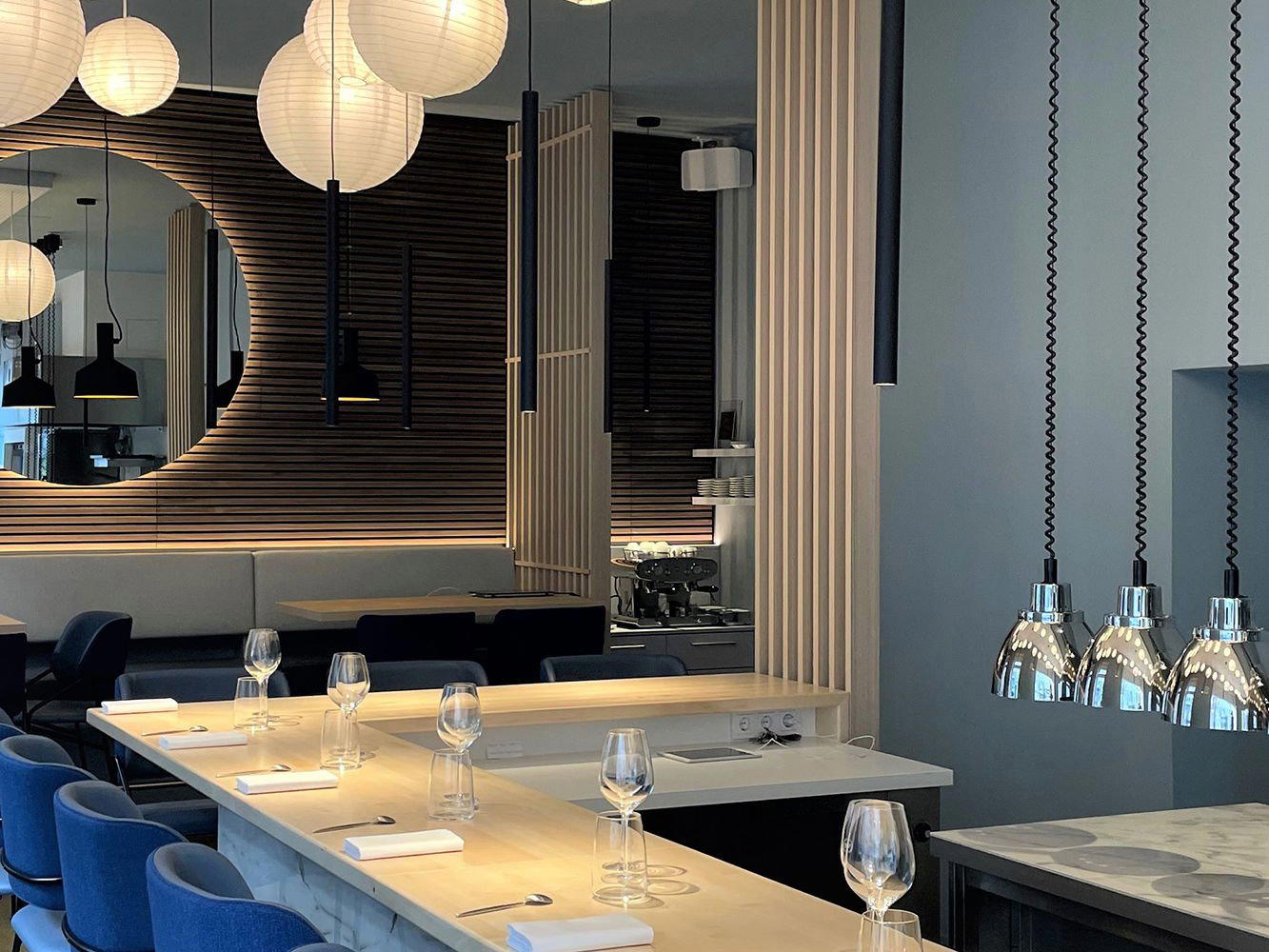
Bars in Düsseldorf
Browse all →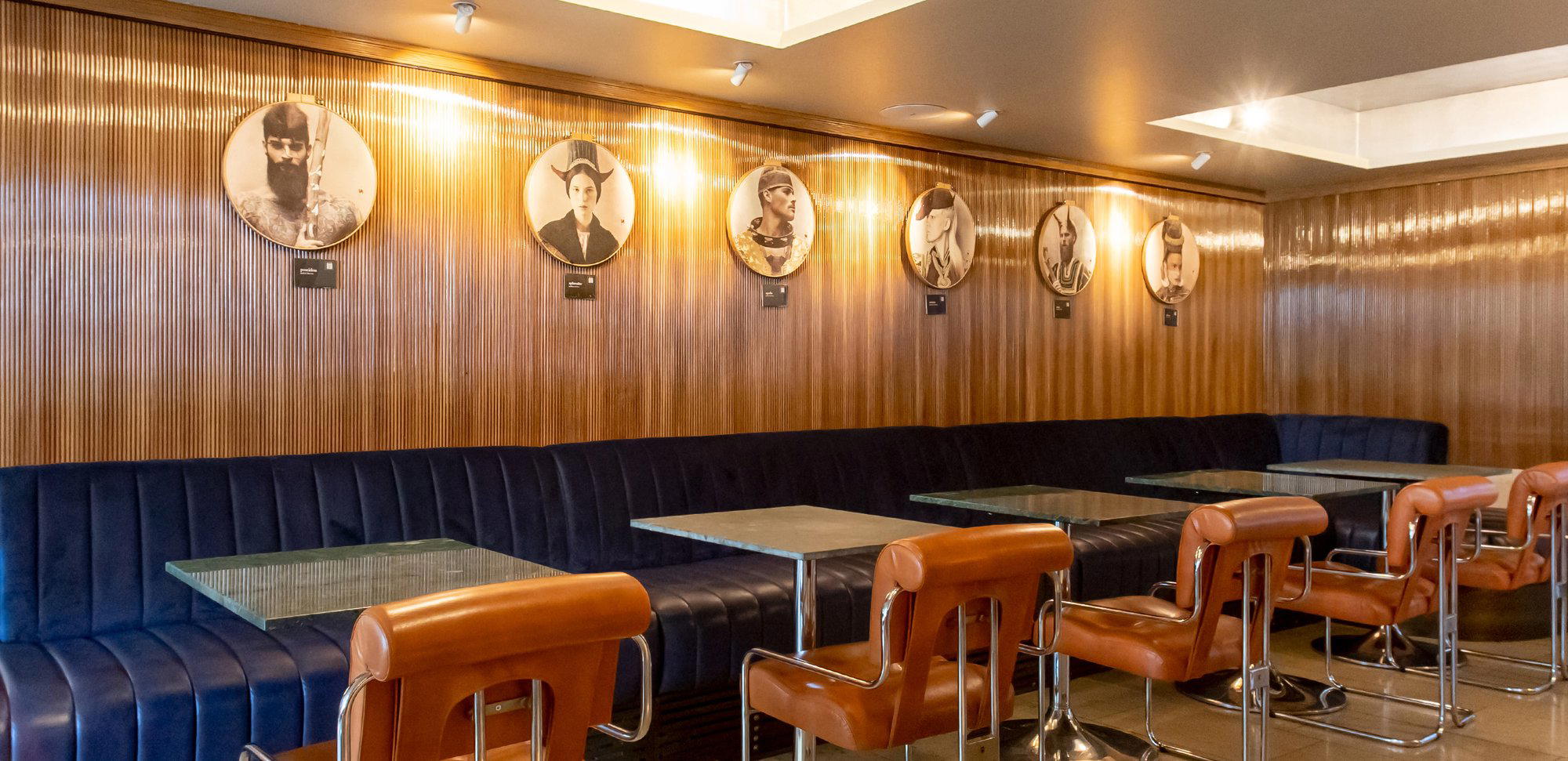
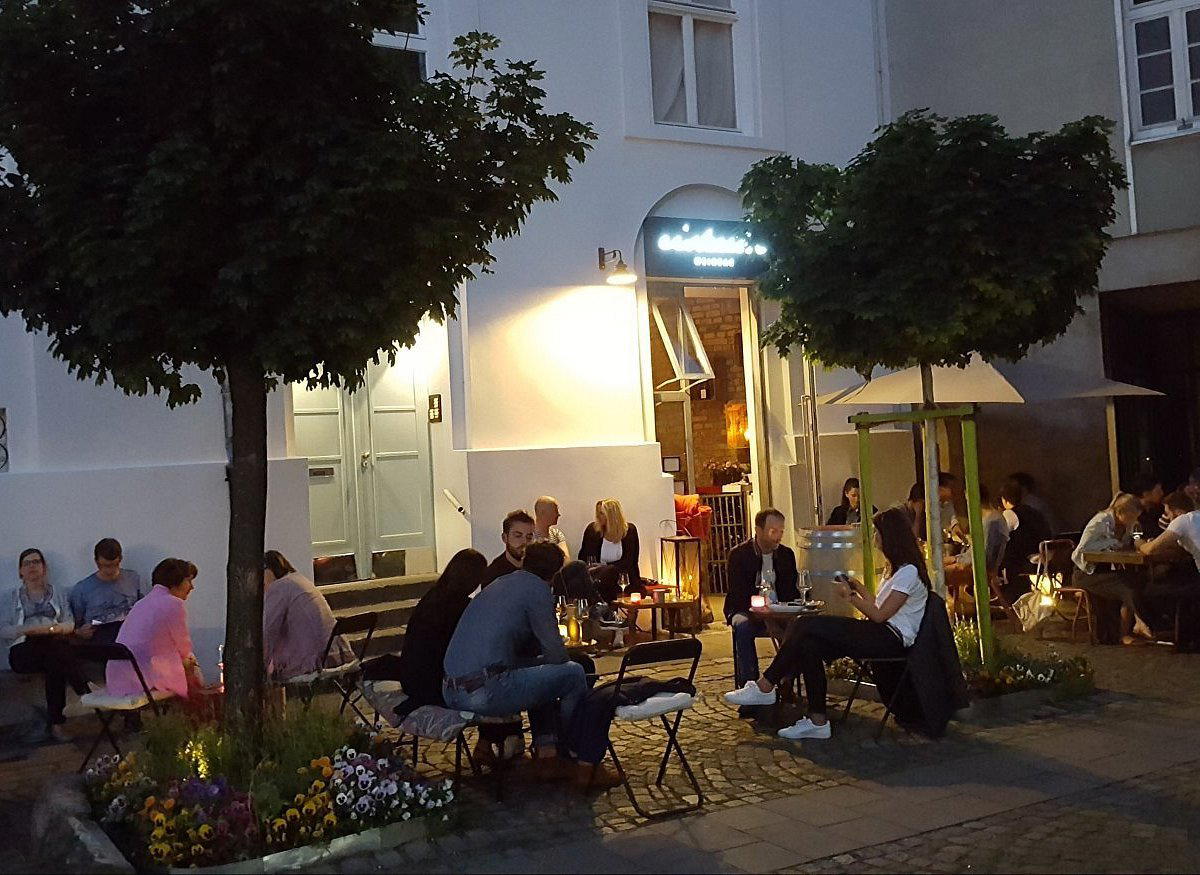
Hotels in Düsseldorf
Browse all →
Wineries in Düsseldorf
Browse all →
Reinhardt's Restaurant
The wine
- Wine program
- Curated wine list
- Extensive wine list
Details
- Cozy
- Elegant
- Industrial
- Sophisticated
- Date Night
- Business Dinner
- Group Dining
- Special Occasion
- Open Kitchen
- Extensive Wine List
- Local Sourcing
- A La Carte
- Set Menu
- Vegetarian Friendly
Current opening hours
- Monday
- Closed
- Tuesday
- 5:30–11 PM
- Wednesday
- 5:30–11 PM
- Thursday
- 5:30–11 PM
- Friday
- 5:30–11 PM
- Saturday
- 12–3 PM, 5:30–11 PM
- Sunday
- Closed
Hours can change for holidays and private events. Last verified .
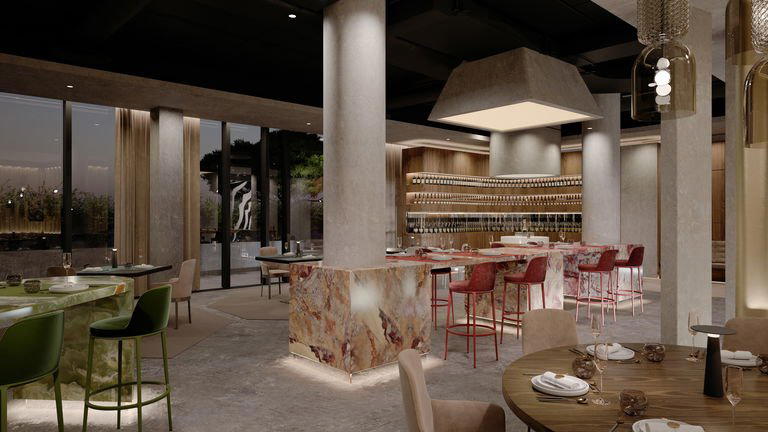
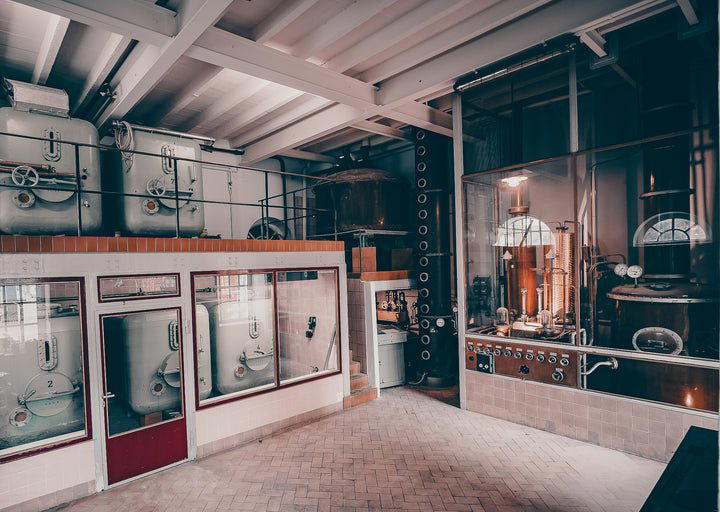
Stylish and cozy with high ceilings, industrial style, warm brown tones, wood elements, and an open kitchen creating an elegant yet relaxed atmosphere.