Refugium Lunz
Our verdict
In the alpine village of Lunz am See, Refugium Lunz occupies a setting where the surrounding Mostviertel landscape shapes what ends up on the plate. The restaurant sits within Austria's broader tradition of regionally-anchored cooking, where proximity to forests, lakes, and small farms is not a marketing angle but an operational reality. For travellers moving through Lower Austria's lake district, it represents a considered stop in a part of the country that rewards slow travel.

Pearl is the En Primeur Club membership app — saves, bookings, and concierge access live there. Same editors, same standards.
The menu
What to order
- Seasonal daily-changing menu
- Regional delicacies
Where Alpine Proximity Becomes a Kitchen Principle
The village of Lunz am See sits at the western edge of Lower Austria's Mostviertel region, where the Ötscherland mountains press close to the water and the nearest significant city, Waidhofen an der Ybbs, is a half-hour drive. In this part of Austria, the distance from supply chains is not a problem to be solved — it is the condition that defines how kitchens have always worked. Restaurants here source from what is close, what is seasonal, and what the landscape around them reliably produces. Refugium Lunz, at Kirchenplatz 3 in the village centre, operates within that tradition.
The approach places Refugium Lunz in a wider pattern visible across Austrian regional dining, where the most compelling cooking often happens not in the capital but in smaller communities where proximity to ingredients is structural rather than curated. In Vienna, Steirereck im Stadtpark has built one of Austria's most recognised dining programs on rigorous domestic sourcing; in Golling, Döllerer frames its contemporary Austrian cooking around alpine ingredients from the Salzach valley. What makes smaller venues like Refugium Lunz worth attention is that the geography does the heavy editorial work: the sourcing is not a positioning statement, it is a consequence of where you are.
The Mostviertel Setting and What It Produces
Lunz am See is known primarily as a freshwater destination. The Lunzer See, a clear glacially-formed lake sitting at around 600 metres elevation, gives the area its character and its name. The forests running up the surrounding slopes are managed for timber but also yield wild mushrooms, game, and foraged material that have fed the communities here for centuries. The Mostviertel region itself takes its name from Most, the fermented pear and apple cider that has been produced in this part of Lower Austria since medieval times — a detail that matters to any kitchen paying attention to the agricultural history of its immediate surroundings.
For a restaurant operating in this environment, the ingredient story writes itself in autumn, when game season overlaps with the mushroom harvest and the orchard fruit reaches its peak. Spring brings freshwater fish and wild herbs from the lower slopes. What matters, from an editorial standpoint, is that Lunz am See is not a village that has retrofitted a farm-to-table narrative onto an existing urban dining culture; it is a place where that relationship between landscape and table was never severed in the first place.
This distinguishes the Mostviertel from many alpine dining destinations further west. In Arlberg ski country, venues like Gourmetrestaurant Tannenhof in Sankt Anton and Griggeler Stuba in Lech operate within a luxury resort economy that shapes both the price tier and the sourcing ambition. Refugium Lunz exists in a quieter register, a village church square, a lake, a predominantly Austrian clientele, and that difference in context is worth understanding before you make the journey.
Austria's Regional Dining Tradition and Where This Fits
Austrian regional cooking has undergone a slow but substantive recalibration over the past two decades. The country's most decorated kitchens, including Ikarus in Salzburg and Landhaus Bacher in Mautern an der Donau, have maintained international recognition while staying rooted in Austrian product. Herb-focused programs like Kräuterreich by Vitus Winkler in Sankt Veit im Pongau have made the sourcing logic itself into the menu architecture. Across this spectrum, the underlying argument is consistent: Austrian terrain, its alpine meadows, its cold-water lakes, its deciduous forests, produces ingredients that reward a kitchen willing to stay close to them.
Within that broader pattern, Lunz am See sits in a sub-tier that is less publicised than the Salzburg corridor or the Wachau wine valley, but no less serious in its relationship to local product. Comparable in spirit, if not in scale or recognition, are venues like Obauer in Werfen or Ois in Neufelden, restaurants that operate with genuine regional rootedness outside the primary tourism circuits. Taubenkobel in Schützen am Gebirge and Atelier Fischer in Sankt Gilgen occupy adjacent niches in Austria's regional dining geography. The pattern across all of them: modest villages, serious kitchens, and a sourcing logic determined more by what grows nearby than by what impresses internationally.
For context beyond Austria, the tension between local sourcing and global culinary ambition plays out differently at venues like Le Bernardin in New York City or Atomix in New York City, where the sourcing conversation is deliberate but the geography is not the determining constraint. In Lunz am See, geography remains the primary factor.
Getting There and Planning the Visit
Lunz am See is accessible by train via the Ybbstalbahn narrow-gauge railway from Waidhofen an der Ybbs, one of Austria's more scenic rail connections through Lower Austria's hill country. By car from Vienna, the village is approximately two hours via the southern routes through the Mostviertel. The address at Kirchenplatz 3 places Refugium Lunz on the main village square, within easy walking distance of the lake. As with most dining in small Austrian villages, advance planning is advisable: the visitor base is smaller and the rhythm of the week matters more than in a city. Visiting in summer or autumn maximises the seasonal ingredient logic that defines this style of cooking. For a fuller picture of the area's dining options, see our full Lunz Am See restaurants guide.
Travellers building a broader itinerary through Austria's quieter interior may also consider pairing Lunz am See with Styrian destinations like Artis in Graz, which operates in a similarly regionally-aware mode, or Tirolean venues like Schwarzer Adler in Hall in Tirol and Stüva in Ischgl, which represent the alpine dining tradition in its western form. Completing the picture further, Restaurant 141 by Joachim Jaud in Mieming shows how contemporary precision cooking adapts to smaller Tirolean communities, a useful comparison point for understanding what regional ambition looks like across different parts of the country.
Frequently asked questions
Is Refugium Lunz a family-friendly restaurant?
Lunz am See is a small village destination drawing hikers, cyclists, and lake visitors, so dining here tends to suit a relaxed, all-ages crowd rather than a formal adults-only setting. The address at Kirchenplatz 3 places it at the heart of the village, accessible on foot from most accommodation in the area.
How would you describe the vibe at Refugium Lunz?
Refugium Lunz sits on Kirchenplatz in a village of a few hundred residents, surrounded by the Ötscherland mountains and the Lunzer See at roughly 600 metres elevation — the setting shapes everything. Expect a quiet, unhurried register rather than the buzz of an urban dining room. This is a place that reflects the pace of the Mostviertel, not the tempo of Vienna or Salzburg.
What makes Refugium Lunz worth visiting specifically from Waidhofen an der Ybbs?
The Ybbstalbahn narrow-gauge railway connects Waidhofen an der Ybbs directly to Lunz am See, making Refugium Lunz at Kirchenplatz 3 one of the few restaurant destinations in Lower Austria reachable by one of Austria's more scenic rail journeys. That combination of a genuine transit route and a mountain-lake setting gives the visit a different logic than a standard day trip by car. For rail travellers exploring the Mostviertel, it sits at the natural end point of the line.
What's the must-try dish at Refugium Lunz?
What the Mostviertel region is known for, broadly, are freshwater fish from mountain lakes and produce tied to the orchard and forest cycles of Lower Austria. check the venue's official channels or check their current menu before visiting.
How do I find Refugium Lunz?
Refugium Lunz is located at Kirchenpl. 3, 3293 Lunz am See, Austria, Lunz Am See.
Can I walk in to Refugium Lunz?
Lunz am See is a small, seasonal destination where visitor numbers can concentrate around the lake and hiking trails, particularly in summer and autumn. Walk-in availability is plausible outside peak periods, but the village's limited dining options mean tables can fill quickly when the area is busy. Booking ahead is the safer approach, especially on weekends or during the hiking season.
Comparison Snapshot
| Venue | Cuisine | Price | Awards | Notes |
|---|---|---|---|---|
| Refugium LunzThis venue — the venue you are viewing | Contemporary Austrian with Regional Sourcing | $50–100 | Not listed | Not listed |
| Steirereck im Stadtpark | Modern Austrian Fine Dining | $200–300 | 3 Michelin Stars · World's 50 Best #33 | Creative |
| Döllerer | Modern Alpine Cuisine | $100–150 | 2 Michelin Stars · La Liste Top Restaurants | Contemporary Austrian, Innovative |
| Ikarus | Guest Chef Fine Dining | $200–300 | 2 Michelin Stars · La Liste Top Restaurants | Modern European, Creative |
| Konstantin Filippou | Modern Fish-Led Fine Dining | $200–300 | 2 Michelin Stars · La Liste Top Restaurants | Modern European, Modern Cuisine |
| Landhaus Bacher | Classic Austrian Fine Dining | $100–150 | 2 Michelin Stars · La Liste Top Restaurants | Austrian, Classic Cuisine |
Continue exploring
More in Lunz Am See
Restaurants in Lunz Am See
All restaurants in Lunz Am See →
Bars in Lunz Am See
Browse all →

Hotels in Lunz Am See
All hotels in Lunz Am See →

Refugium Lunz
The wine
- Wine program
- Curated wine list
- Sommelier-led
Details
- Romantic
- Cozy
- Elegant
- Scenic
- Quiet
- Date Night
- Special Occasion
- Celebration
- Family
- Open Kitchen
- Historic Building
- Design Destination
- Hotel Restaurant
- Terrace
- Garden
- Panoramic View
- Sommelier Led
- Farm To Table
- Local Sourcing
- Organic
- Mountain
- Garden
- Waterfront
- A La Carte
- Set Menu
- Tasting Menu
- Wine
- Regional Beverages
- Vegetarian Friendly
- Allergy Accommodating
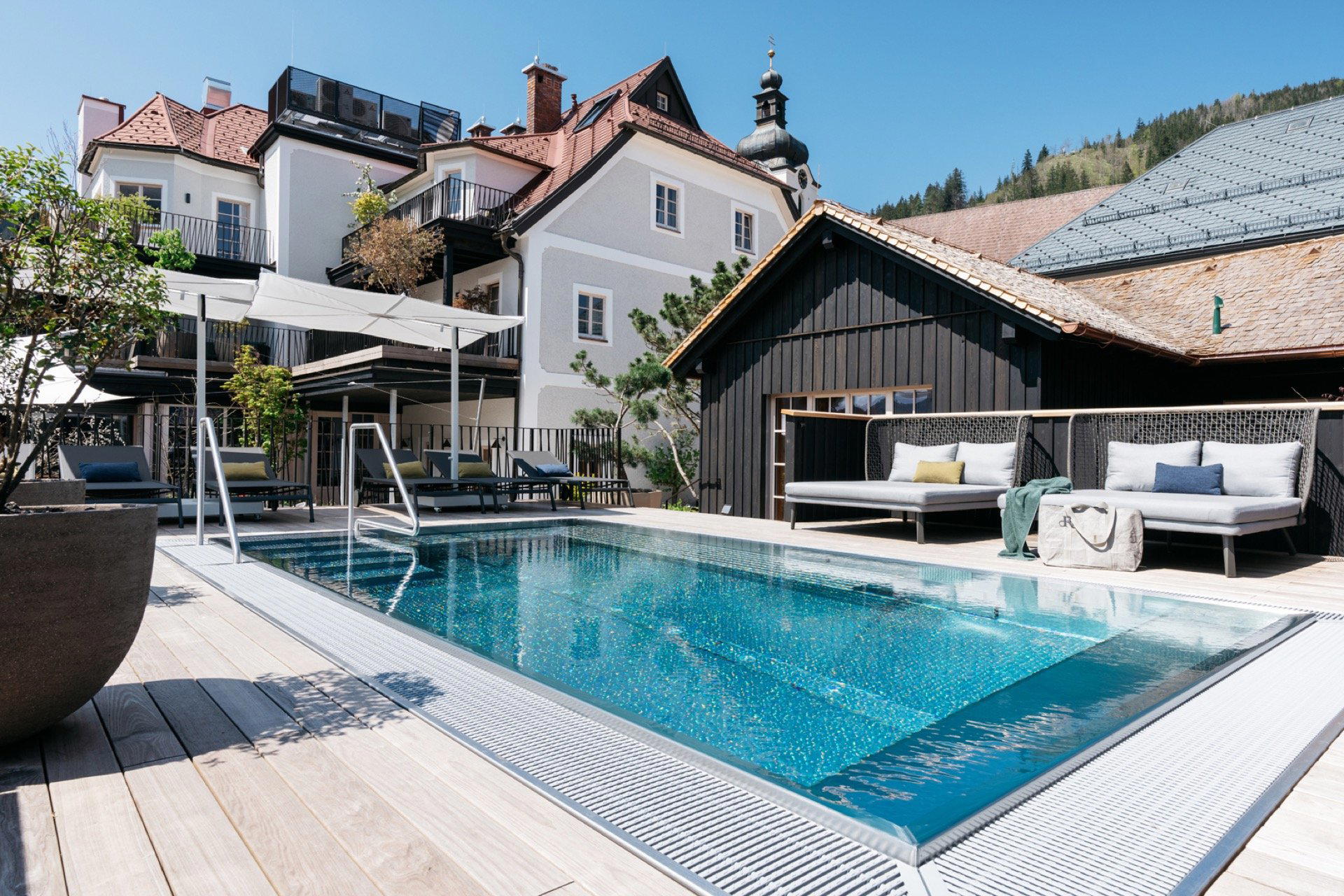
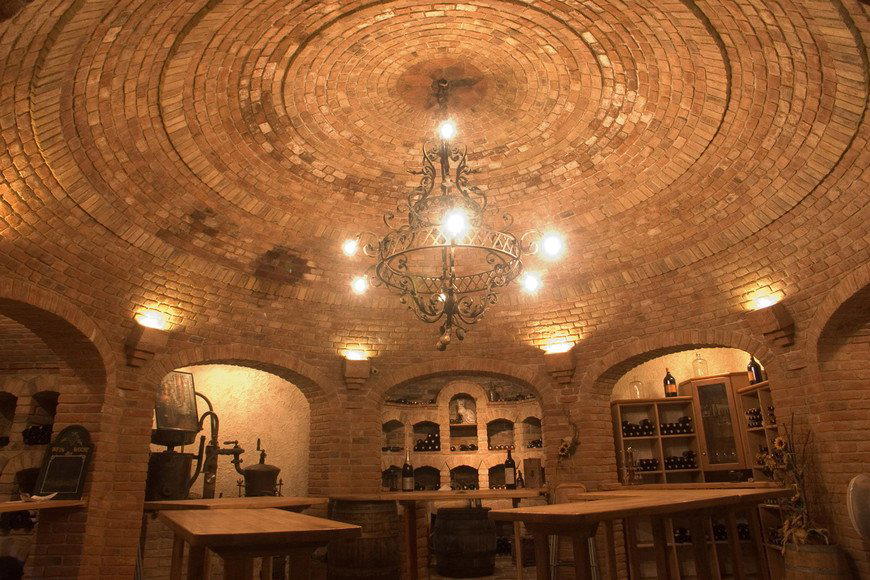
Warmly lit spaces blending historic charm with contemporary design; the Salonküche features a roaring fireplace in winter and opens to terraces with forest and alpine views in summer; intimate and contemplative throughout.