Das Geyerhammer
Das Geyerhammer sits in Scharnstein, a small Upper Austrian market town at the foot of the Totes Gebirge, where the Alm river carves through limestone terrain that has shaped local food culture for centuries. The address at Grubbachstraße 13 places it within a region where ingredient sourcing from alpine pastures and river valleys is not a marketing position but a geographic fact. For travellers exploring rural Austrian dining beyond the recognised circuits, Scharnstein offers a less-trafficked entry point into the country's serious provincial table.
Pearl is the En Primeur Club membership app — saves, bookings, and concierge access live there. Same editors, same standards.
- Address
- Grubbachstraße 13, 4644 Scharnstein, Austria
- Phone
- +4366475035983
- Website
- das-geyerhammer.at
- Directions
- Get directions
 Saves & bookings on Pearl
Where the Alm Valley Sets the Larder
The drive into Scharnstein from Gmunden follows the Alm river upstream through a narrowing valley where limestone cliffs press closer to the road and the flat-bottomed pastures between them grow richer and greener. This is Upper Austria's Salzkammergut hinterland, a district better known to Austrian hikers than to international dining audiences, and that relative obscurity is precisely what makes its food culture worth attention. The ingredients that define cooking in this corridor, cold-water river fish, alpine dairy, game from the Totes Gebirge foothills, and late-season fungi from managed forest floors, are not airfreighted in. They exist because the geography produces them.
Das Geyerhammer, addressed at Grubbachstraße 13 in Scharnstein, sits within that agricultural and ecological context. In a country where frequently discussed restaurant addresses tend to cluster in Vienna, Salzburg, and the Vorarlberg ski villages, places like Scharnstein operate at a remove from the award circuit and the reservation pressure that defines tables such as Steirereck im Stadtpark in Vienna or Döllerer in Golling an der Salzach. That distance from the formal recognition economy is not a deficit. For the traveller who has already mapped the Michelin-tracked tier, it represents the next logical step outward.
Ingredient Sourcing as Geography, Not Concept
Upper Austria's inland position shapes what ends up on the plate in ways that coastal or urban kitchens cannot replicate by sourcing policy alone. The Alm and Traun river systems produce trout and char under water temperatures and current conditions that affect both texture and fat content. The pastures between Scharnstein and the Totes Gebirge carry cattle at altitudes that shift the character of milk and, by extension, the butter, cream, and cheese that Austrian cooking depends on structurally. None of this requires a farm-to-table manifesto. It is simply what the land makes available within a short radius.
This is the sourcing reality that separates serious provincial Austrian kitchens from their urban counterparts operating with equivalent technique. Places like Obauer in Werfen and Landhaus Bacher in Mautern an der Donau have built long reputations in part because their geographic positions gave them reliable access to ingredients that urban menus have to source at greater effort and cost. The Salzkammergut hinterland where Scharnstein sits offers analogous raw material depth, particularly across game, river protein, and alpine dairy.
For context on what this kind of regional embeddedness can produce at the highest expression, Kräuterreich by Vitus Winkler in Sankt Veit im Pongau demonstrates how a kitchen operating in relative geographic isolation can build a complete menu identity around what grows and grazes within its immediate watershed. The principle is consistent across Austria's serious provincial tables: proximity to source is a structural asset, not a branding choice.
The Provincial Austrian Table in European Context
Austrian provincial cooking occupies an interesting position in European dining. It is not French classical cuisine, not the New Nordic movement, and not Italian regional tradition, though it has absorbed pressure and influence from all three over the past three decades. At its core, it is a cold-climate, landlocked, altitude-shaped kitchen that relies on preservation technique, curing, pickling, smoking, drying, alongside dairy fat and root vegetable cookery to carry through seasons when fresh produce is scarce.
The restaurants that have raised this tradition to international attention, including Taubenkobel in Schützen am Gebirge and Ois in Neufelden, have done so by treating the provincial table as a serious vernacular rather than a rustic antecedent to be improved upon. The question for any rural Austrian dining address is where it positions itself along that spectrum: pure tradition, reinterpreted regional, or contemporary technique applied to local material.
Scharnstein's position in the Alm valley places any kitchen there within the orbit of what might fairly be called the Upper Austrian interior style, a cooking mode that tends toward directness, seasonal fidelity, and a preference for letting the sourcing carry the argument. It is a different register from the alpine resort dining found at addresses like Griggeler Stuba in Lech or Gourmetrestaurant Tannenhof in Sankt Anton am Arlberg, where the audience is international and the format shaped by ski-season economics. Provincial Upper Austria operates on a different calendar and for a different kind of guest.
Arriving and Planning
Scharnstein is reachable from Gmunden in under thirty minutes by road, and Gmunden itself connects to Salzburg and Linz by regional rail via the Vorchdorf-Eggenberg tramway and onward bus connections. The more common approach for travellers coming from Vienna or Salzburg is by car, since the valley's small-town geography does not lend itself to walking between venues. For those building a longer Salzkammergut itinerary, Scharnstein sits within reasonable range of the lake district that has drawn visitors since the Habsburg era, and pairing a meal here with time around Traunsee or Wolfgangsee is a logical circuit.
The venue's address at Grubbachstraße 13 places it in the town centre rather than on a scenic outlier road, which means access is direct and the surrounding environment is characteristically small-town Upper Austrian: functional, quiet, without the self-conscious scenic staging of Salzkammergut resort villages. That plainness is part of the honest register that serious provincial kitchens in this region tend to project. The restaurant as object of attention rather than the landscape as backdrop.
For travellers building an Austrian restaurant itinerary, the Alm valley sits alongside destinations such as Atelier Fischer in Sankt Gilgen and Ikarus in Salzburg as part of a broader Salzkammergut and Upper Austrian dining circuit. Internationally, the sourcing-led provincial model has analogues at different scales: Le Bernardin in New York City demonstrates what complete commitment to a single protein category can produce at the formal end of the spectrum, while Lazy Bear in San Francisco shows how communal-format dining built around seasonal American produce can generate serious critical attention outside conventional fine dining structures. The operating principles, geographic fidelity, sourcing discipline, format clarity, travel across contexts even when the cuisine traditions do not.
Comparison Snapshot
Comparable venues nearby, for context on price, style, and recognition.
| Venue | Cuisine | Price | Notes |
|---|---|---|---|
| Das GeyerhammerThis venue — the venue you are viewing | Modern Austrian | $$$$ | Not listed |
| Bruckner's im Brucknerhaus Linz | Modern Austrian with International Influences | $$$ | Danube Park |
| Arthotel Blaue Gans | Modern Austrian Regional | $$$$ | Linke Altstadt |
| Panorama | Traditional Austrian & International | $$$ | Salzachseen |
| Two Timez | Alpine Austrian with International Options | $$$ | Zell am See city center |
| Jedermann's | Austrian | $$ | Innsbruck city center |
Continue exploring
More in Scharnstein
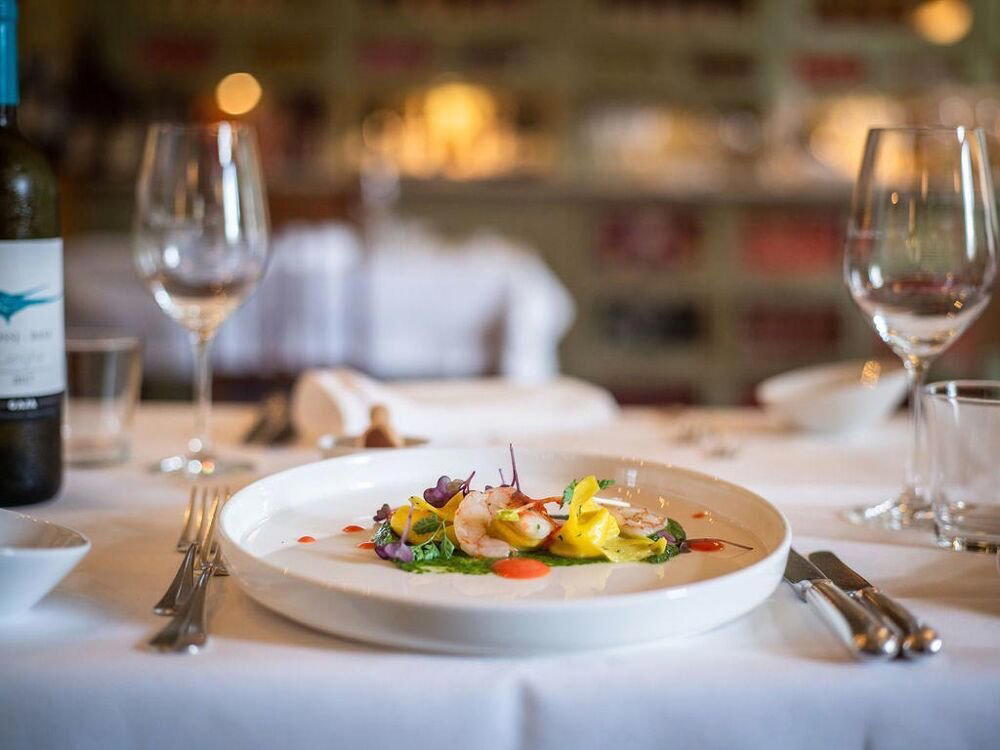
Restaurants in Scharnstein
Browse all →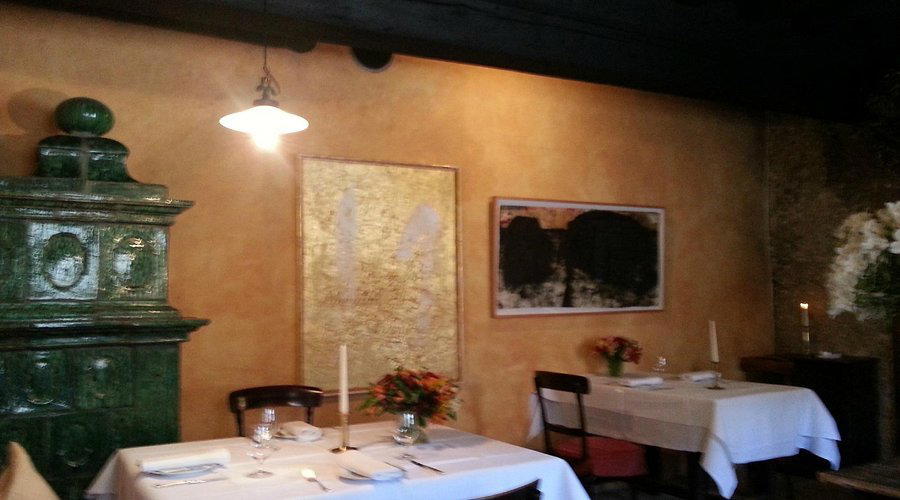

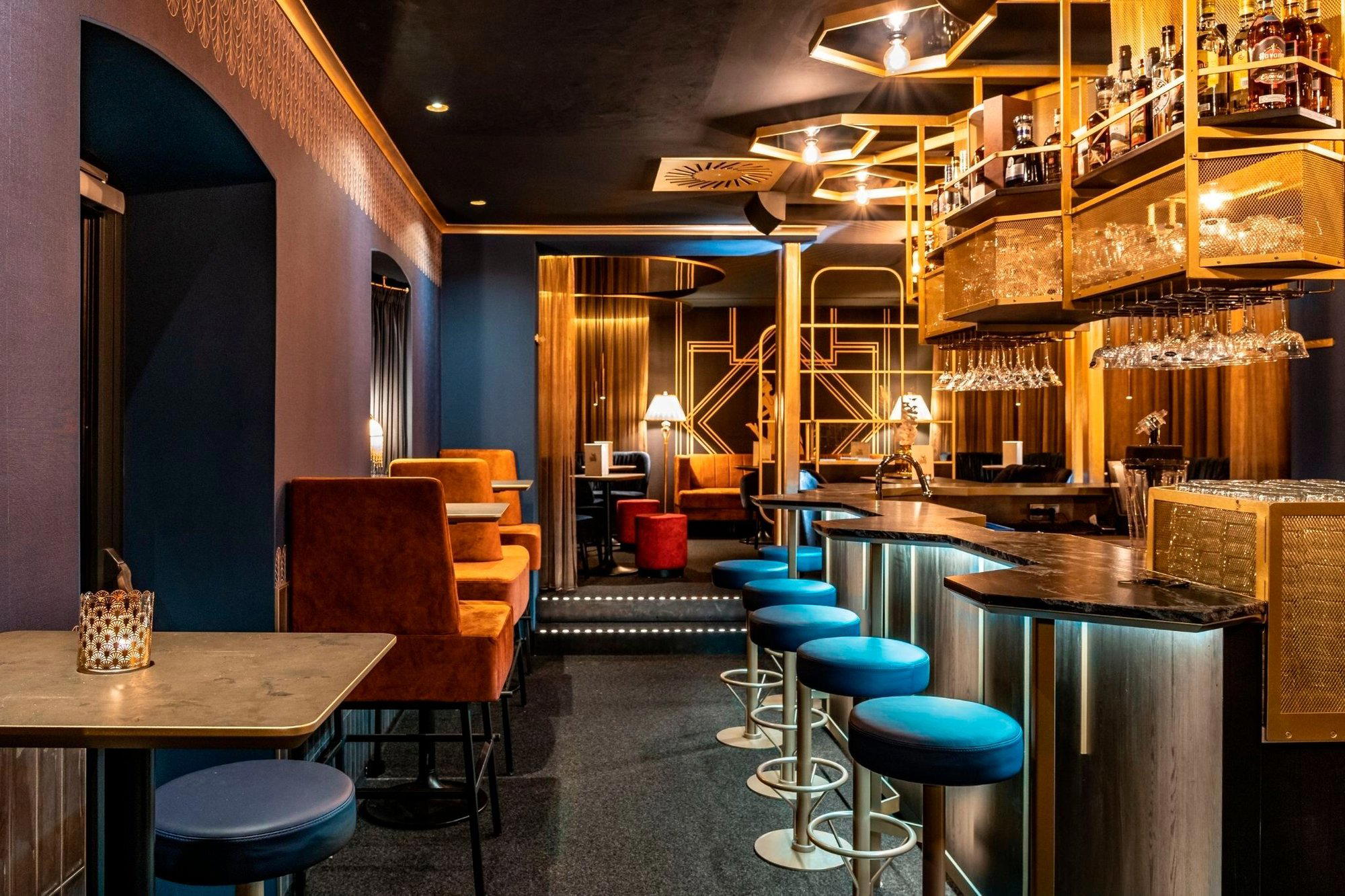
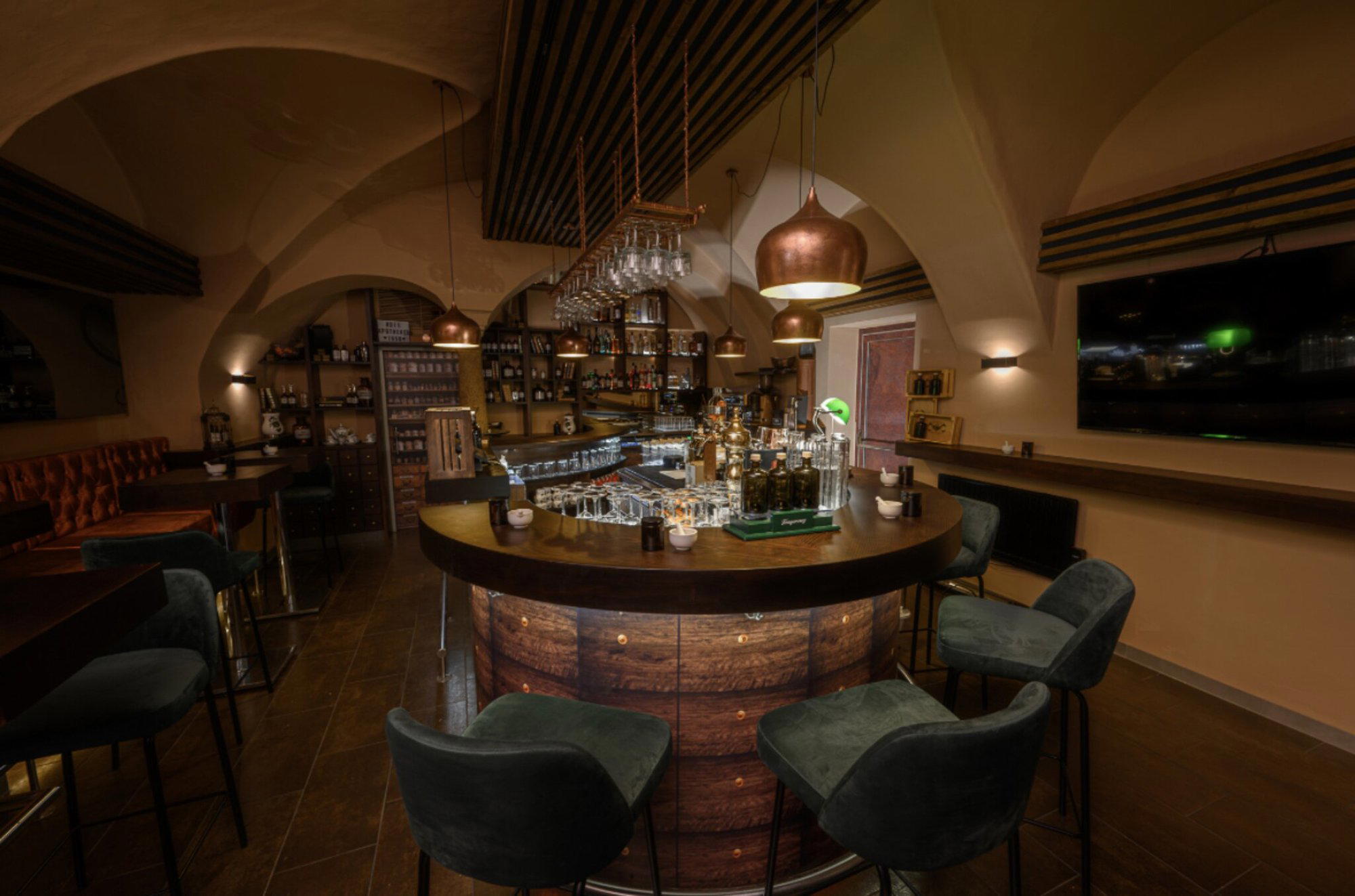
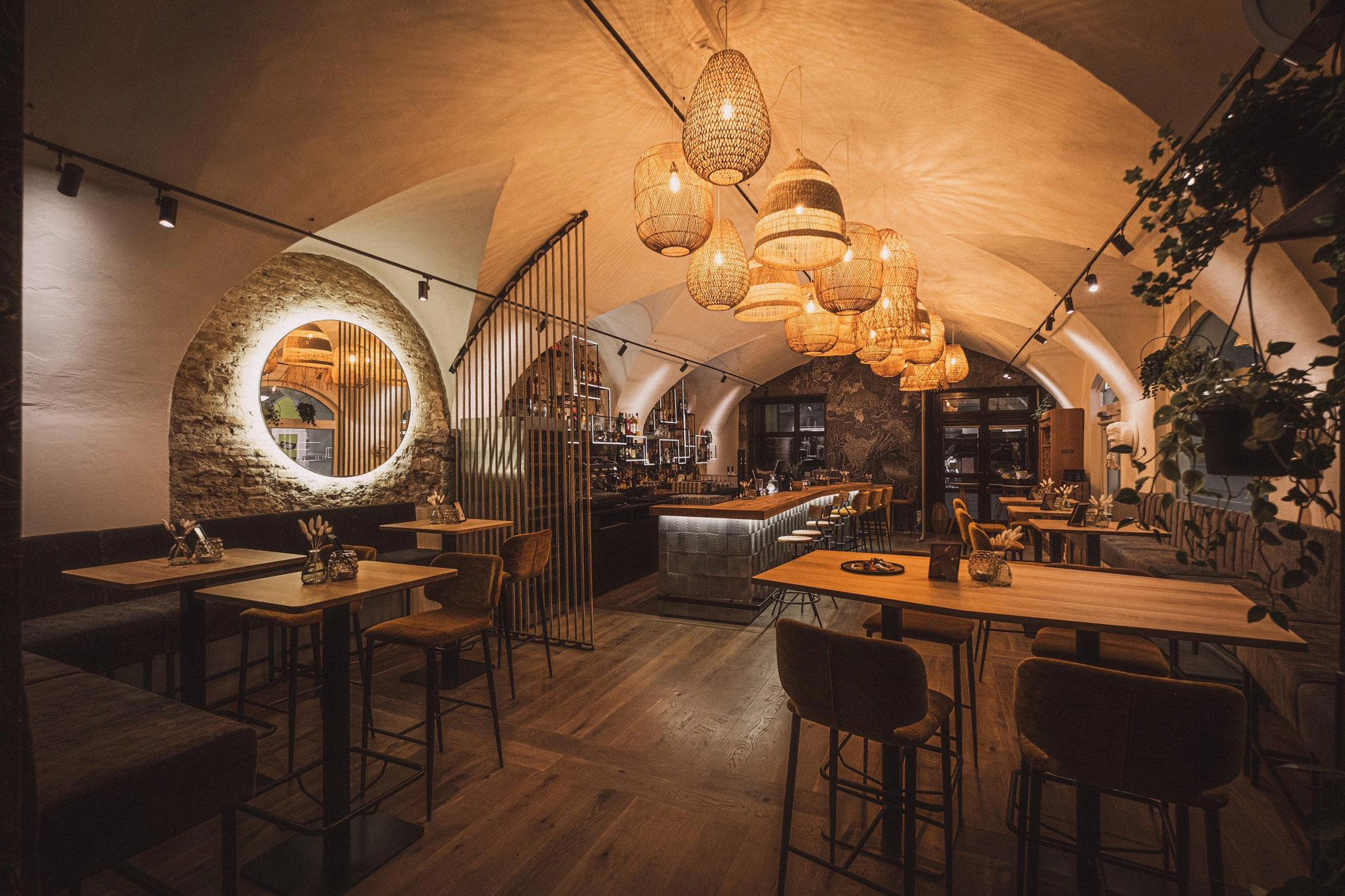
Bars in Scharnstein
Browse all →
Hotels in Scharnstein
Browse all →
Wineries in Scharnstein
Browse all →
At a Glance
- Cozy
- Elegant
- Rustic
- Modern
- Intimate
- Date Night
- Special Occasion
- Historic Building
- Extensive Wine List
- Local Sourcing
Current opening hours
- Monday
- Closed
- Tuesday
- Closed
- Wednesday
- 6–11 PM
- Thursday
- 6–11 PM
- Friday
- 6–11 PM
- Saturday
- 12–3 PM, 6–11 PM
- Sunday
- Closed
Hours can change for holidays and private events. Last verified .
Inviting and cozy modern ambience in a historic building with noble mood and well-suited atmosphere.