Our verdict
Eulenhof sits on a quiet street in Valinhos, a small São Paulo state city with a long agricultural history and a growing reputation for ingredient-driven dining. With sparse publicly confirmed data, it occupies the kind of understated position that characterises much of Brazil's interior restaurant scene — places that earn loyalty through produce and place rather than press cycles. Worth investigating before Valinhos reaches wider radar.

Pearl is the En Primeur Club membership app — saves, bookings, and concierge access live there. Same editors, same standards.
- Address
- R. João Ubiali, 141 - Chácaras Silvânia, Valinhos - SP, 13271-656, Brazil
- Phone
- +5519981275555
- Hours
- Mon–Wed ClosedThu–Fri 11:45 AM–2:30 PM, 7–10 PMSat–Sun 11:45 AM–3:30 PM
- Website
- eulenhof.com.br
- Directions
- Get directions
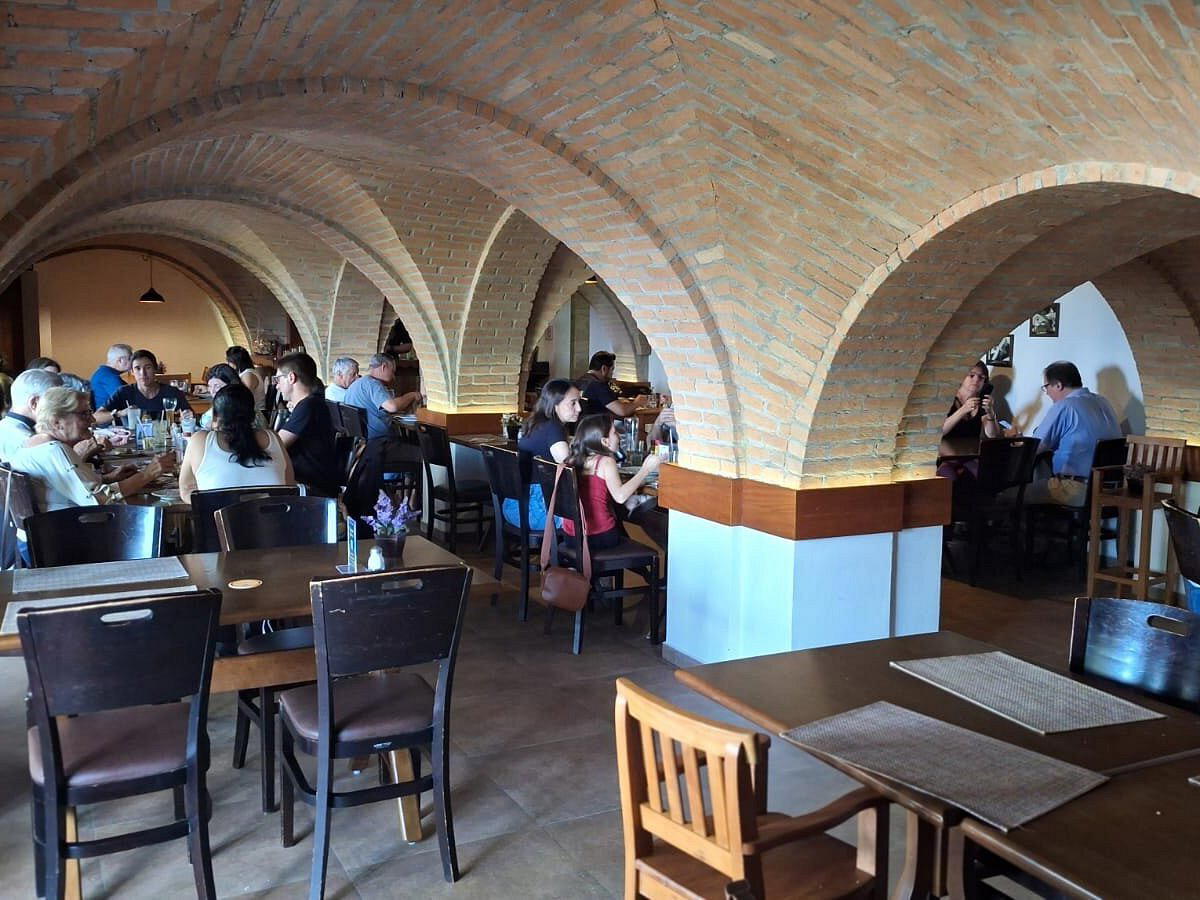
The menu
What to order
- Knuspriges Eisbein
- Currywurst
- Zigeunerschnitzel
- Filet Américain
- Fillet Steaks
- Choucroute
Interior São Paulo and the Quiet Case for Ingredient-Led Dining
The restaurant scene in Brazil's interior cities tends to operate on a different logic from São Paulo or Rio. In places like Valinhos, a municipality in the Campinas metropolitan region historically defined by fig cultivation and small-scale agriculture, the relationship between kitchen and surrounding land is not a concept imported from Scandinavian fine dining — it's a practical necessity shaped by decades of proximity to producers. This is the context in which Eulenhof, located on Rua João Ubiali in the Chácaras Silvânia neighbourhood, should be read.
Chácaras Silvânia is not a dining district in the conventional sense. It's the kind of address — semi-rural, residential, set back from the city's commercial centre, that signals a deliberate choice to situate a restaurant near land rather than foot traffic. In Brazilian dining, this spatial logic carries editorial weight. The country's most discussed ingredient-first restaurants, from the sourcing-obsessed kitchens of Oteque in Rio de Janeiro to the Amazonian foraging frameworks at D.O.M. in São Paulo, make geography a central argument. A restaurant in the agricultural fringes of Campinas's orbit is not isolated, it's positioned.
What Valinhos Contributes to the Table
Valinhos earned its regional identity through figs. The city's annual Festa do Figo has, for decades, anchored a civic identity tied to agricultural production, and the broader Campinas region remains one of São Paulo state's most active zones for small-plot farming. This matters for any kitchen operating here, because the supply chain is compressed. Produce doesn't need to travel far, and local variety, across fruits, grains, and animal products, is accessible at a scale that urban restaurants spend considerable energy trying to replicate through specialist suppliers.
The pattern is visible across interior São Paulo: kitchens that build menus around what grows nearby tend to operate at a different rhythm than their city counterparts. Seasonal rotation isn't a marketing posture, it's a reflection of what's available at the farm gate. Restaurants operating in this register, whether in Campos do Jordão (see Mina) or further south in Gramado's hotel dining circuit (see Primrose and Castelo Saint Andrews), rely on the land-to-kitchen argument to differentiate themselves from the metropolitan fine-dining tier.
For Valinhos specifically, this gives a place like Eulenhof a structural advantage that no urban restaurant can reproduce simply by improving its sourcing: actual proximity to the farms, the orchards, and the seasonal rhythms that define what ends up on the plate.
Approaching the Address
The Rua João Ubiali address places Eulenhof in the kind of setting where arriving by car is the expected mode. Valinhos sits roughly 20 kilometres from central Campinas, accessible via the SP-340, and the Chácaras Silvânia district is residential rather than walkable in a tourist sense. This is not a criticism, it's an accurate map of how dining works outside Brazil's major urban centres. The experience begins with the approach rather than a neighbourhood stroll, and in that sense the physical environment primes the visit differently from a city restaurant. Quieter, more deliberate, more clearly removed from the register of ambient urban noise.
Guests coming from Campinas will find the drive brief but the transition pronounced. The city thins quickly into the lower-density geography of Valinhos, and this is part of what shapes the tone of dining here. For visitors already in the Campinas circuit, a comparison venue worth considering in the city itself is Olivetto Restaurante e Enoteca, which operates in an urban Italian-influenced format that contrasts clearly with what Eulenhof's address implies.
Sourcing as the Central Argument
Across Brazil's interior restaurant tier, the kitchens that attract sustained local attention tend to be those that make sourcing legible to the diner, not through menu footnotes listing farm names, but through the actual character of the food. In the Campinas region, where Japanese-Brazilian agricultural traditions have layered onto Portuguese and Italian colonial farming practices, the larder is historically diverse. Figs, persimmons, guavas, and a range of subtropical produce coexist with European-influenced dairy and meat production. A kitchen anchored here has access to a more varied raw material base than many interior restaurants in other parts of São Paulo state.
This is the frame through which Eulenhof's location becomes its most readable credential. What the address and neighbourhood context do confirm is that the structural conditions for ingredient-led cooking, proximity, seasonality, agricultural density, are present. The contrast with urban São Paulo's fine-dining tier, where places like D.O.M. must construct sourcing networks across vast distances, is instructive. Geography here does part of the work by default.
For those interested in how this interior-São Paulo model compares to other Brazilian regional dining traditions, the contrast with northeastern kitchens like Manga in Salvador or Orixás in Itacaré is worth noting. Those restaurants draw on a different cultural and ecological larder, but operate from a similar premise: that what grows nearby should define what arrives at the table.
Where Eulenhof Sits in the Valinhos Picture
Valinhos's dining scene is not large. The city functions primarily as a residential and agricultural municipality rather than a dining destination in the way Campos do Jordão or Gramado have positioned themselves. This means Eulenhof operates in a context where local repeat custom matters more than tourist flow, and where reputation is built through consistency rather than press cycles. A venue that earns its standing in this environment is doing so against a different set of pressures than its counterparts in Brazil's major cities.
For visitors to the Campinas region, the calculus is direct: Valinhos rewards those who make the short detour from the city, and Eulenhof's address positions it as a destination restaurant rather than a convenience stop. A reference point for the kind of local-specialist atmosphere that characterises this tier is Grifo Beer Cervejaria Artesanal, another Valinhos address operating in a different register but similarly dependent on local identity for its positioning.
For a broader view of what the Brazilian interior dining tier looks like at its most considered, restaurants like Birosca S2 in Belo Horizonte and Manu in Curitiba represent the higher end of the regional-ingredient argument, well-evidenced comparisons for understanding where a kitchen like Eulenhof's fits within the broader Brazilian dining conversation.
Planning a Visit
Visitors should verify hours and reservation requirements directly before making the trip from Campinas or elsewhere in the region. Given the residential nature of the Chácaras Silvânia address, arriving without a confirmed reservation carries more risk than it would at a walk-in casual venue. The full Valinhos dining picture, including other addresses worth combining into a visit, is covered in our full Valinhos restaurants guide.
Frequently asked questions
Does Eulenhof work for a family meal?
The Chácaras Silvânia address on Rua João Ubiali places Eulenhof in a residential, semi-rural setting with the kind of space and low ambient noise levels that city-centre restaurants in São Paulo rarely offer. That context translates well to unhurried family meals. Visitors travelling from Campinas or greater São Paulo should confirm hours and any booking requirements directly before arrival, as operational details are not on public record.
Is Eulenhof better for a quiet night or a lively one?
Eulenhof sits in Valinhos, a municipality of roughly 130,000 people that functions primarily as an agricultural and residential area rather than a nightlife hub. The Chácaras Silvânia neighbourhood reinforces that character: low foot traffic, semi-rural surroundings, no adjacent bar strip. This is firmly quiet-night territory.
Where exactly is Eulenhof located, and how do you get there from Campinas or São Paulo?
Eulenhof is at Rua João Ubiali, 141, in the Chácaras Silvânia district of Valinhos, SP. Valinhos sits approximately 20 kilometres from Campinas and around 85 kilometres from central São Paulo via the Anhanguera or Bandeirantes motorways, making it a practical drive from either city. Arriving by car is the expected mode for this address; public transport connections to Chácaras Silvânia are limited.
What dish is Eulenhof famous for?
What is on the record is Valinhos's status as one of Brazil's most recognised fig-producing municipalities, a fact that shapes what local kitchens in the area have consistent access to. Whether figs appear on Eulenhof's menu specifically requires direct confirmation with the venue.
What's Eulenhof's location?
Eulenhof is located at R. João Ubiali, 141 - Chácaras Silvânia, Valinhos - SP, 13271-656, Brazil, Valinhos.
How hard is it to get a table at Eulenhof?
Valinhos itself draws a primarily local and regional dining crowd rather than destination visitors. That said, smaller semi-rural restaurants often operate with limited covers, so contacting the venue ahead of a weekend visit is a reasonable precaution.
| Venue | Cuisine | Price | Awards | Notes |
|---|---|---|---|---|
| EulenhofThis venue — the venue you are viewing | Authentic German | $30–50 | Not listed | Not listed |
| Oteque | Modern Seafood Fine Dining | $100–150 | 1 Michelin Star · World's 50 Best #38 | Modern Brazilian, Modern Cuisine |
| D.O.M. | Modern Brazilian Amazonian Fine Dining | $150–200 | 2 Michelin Stars · World's 50 Best #74 | Modern Brazilian, Creative |
| Evvai | Modern Italian-Brazilian Fusion | $200–300 | 3 Michelin Stars · World's 50 Best #95 | Contemporary Italian, Modern Cuisine |
| Lasai | Modern Brazilian Fine Dining | Not listed | 2 Michelin Stars · World's 50 Best #28 | Regional Brazilian, Modern Cuisine |
| Maní | Modern Creative Brazilian | $50–100 | 1 Michelin Star · World's 50 Best #67 | Brazilian - International, Creative |
Continue exploring
More in Valinhos

Details
- Cozy
- Classic
- Rustic
- Group Dining
- Casual Hangout
- Standalone
- A La Carte
Current opening hours
- Monday
- Closed
- Tuesday
- Closed
- Wednesday
- Closed
- Thursday
- 11:45 AM–2:30 PM, 7–10 PM
- Friday
- 11:45 AM–2:30 PM, 7–10 PM
- Saturday
- 11:45 AM–3:30 PM
- Sunday
- 11:45 AM–3:30 PM
Hours can change for holidays and private events. Last verified .
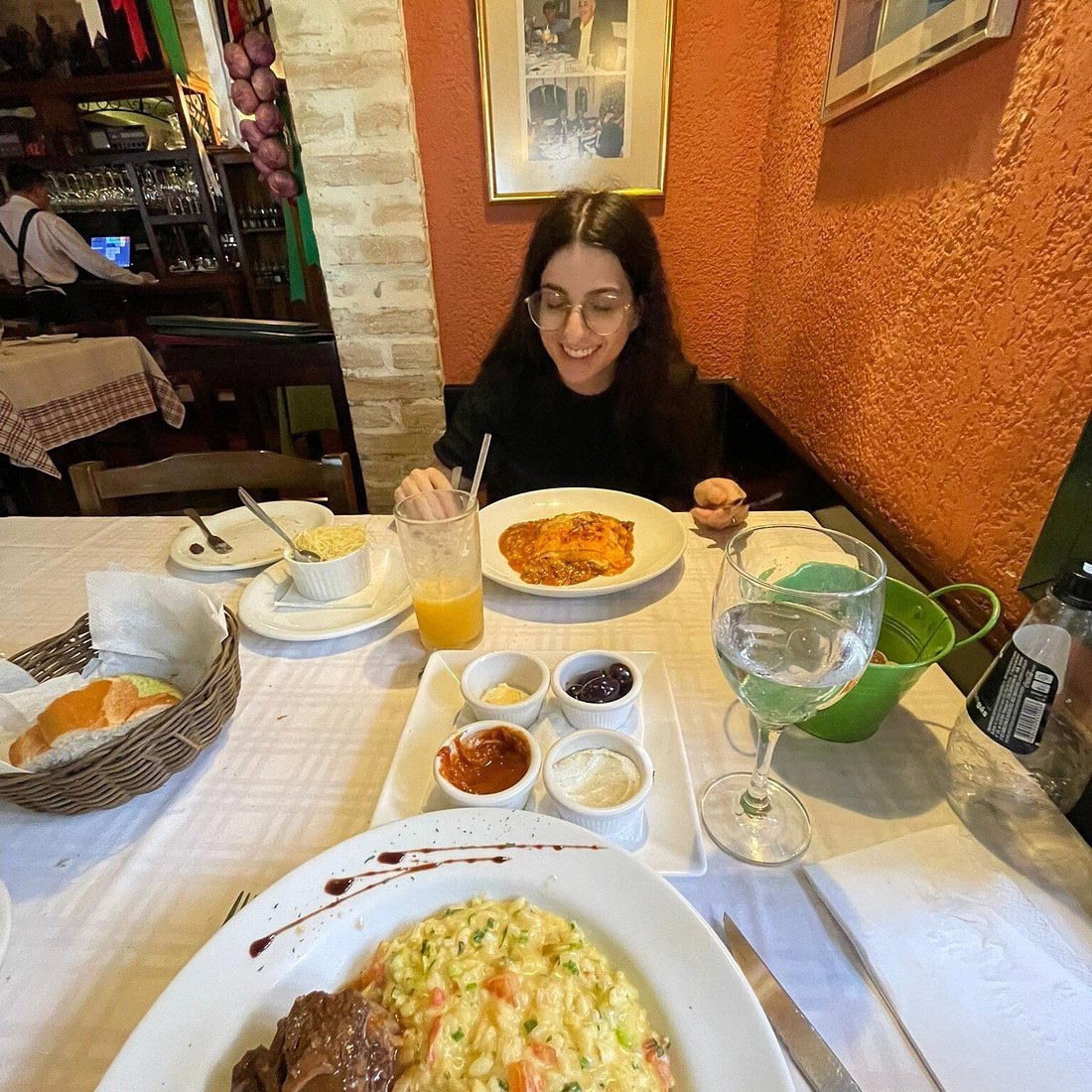
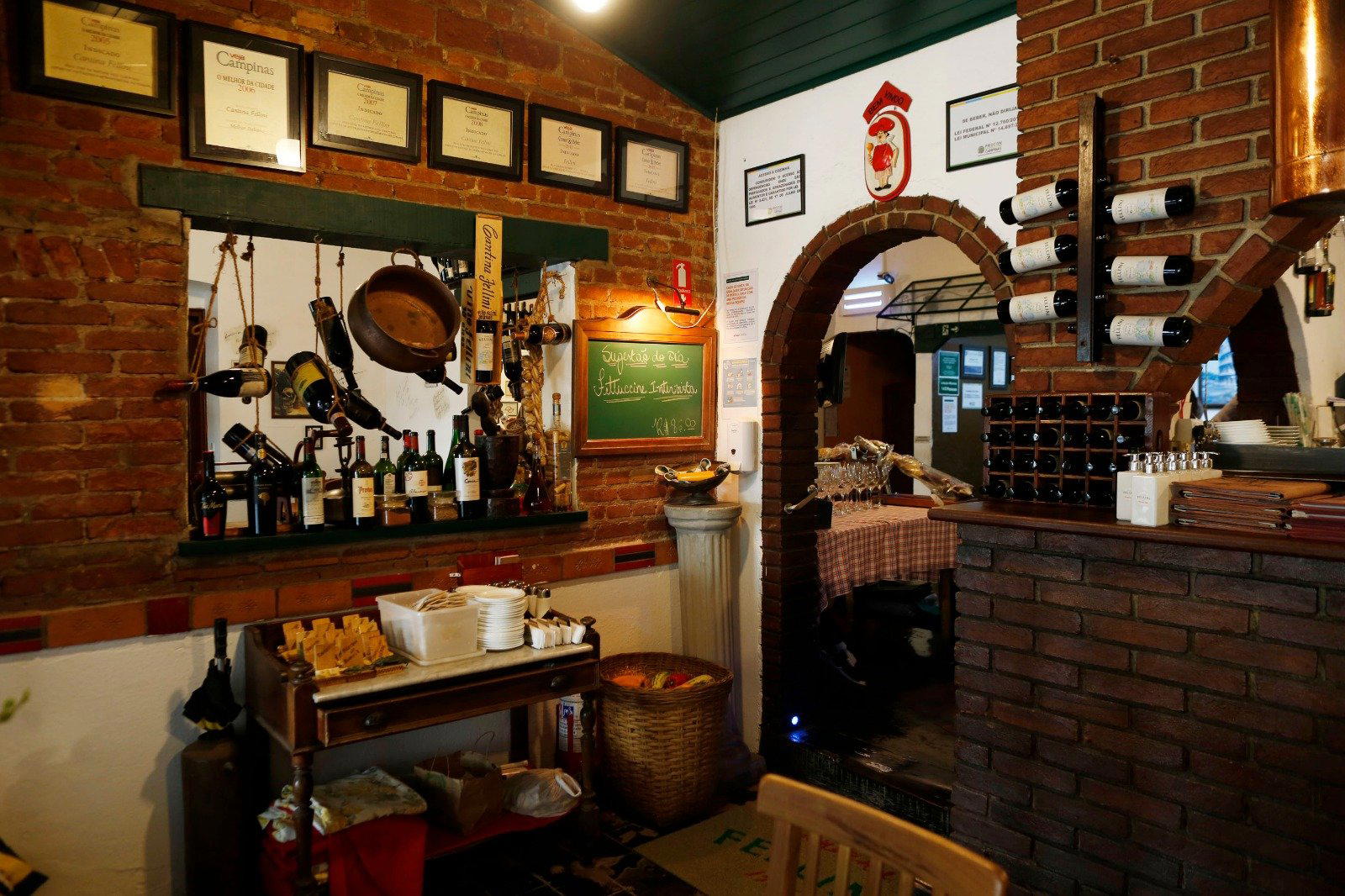
Warm and inviting atmosphere reminiscent of a traditional German house, with a friendly owner creating a welcoming environment for guests.