Kostela do Japonês
Kostela do Japonês sits in Indaiatuba's Distrito Industrial João Narezzi, where the name alone signals the hybrid logic at work: a fusion of Brazilian churrasco tradition and Japanese culinary discipline applied to ribs. The address puts it squarely in the city's working fabric, away from the central dining strip, which tends to attract a local crowd that knows exactly what it came for.
Pearl is the En Primeur Club membership app — saves, bookings, and concierge access live there. Same editors, same standards.
- Address
- R. Antônia Martins Luiz, 180 - Distrito Industrial João Narezzi, Indaiatuba - SP, 13347-404, Brazil
- Phone
- +551938946646
- Directions
- Get directions
 Saves & bookings on Pearl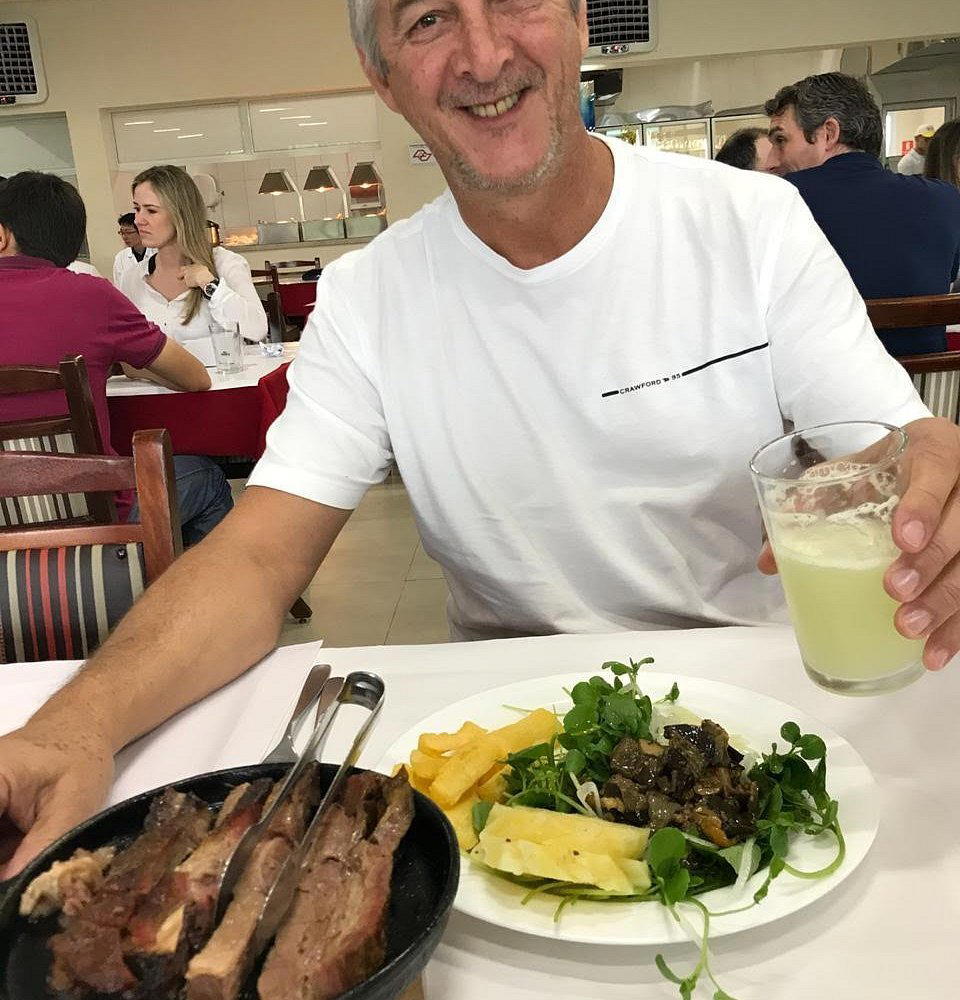
Where Brazilian Barbecue Meets Japanese Precision
In Brazilian dining, the word kostela carries serious cultural weight. A slow-cooked rib, whether done over wood fire or in a covered pit, represents one of the country's most ritualized eating experiences: a meal that demands patience from the kitchen and a particular unhurried commitment from the table. When that tradition is filtered through Japanese culinary sensibility, the result is a format that has found growing traction in São Paulo state's mid-sized cities, where hybrid dining concepts often outpace the more conservative menus of the capital's formal restaurant tier. Kostela do Japonês is a Brazilian rib steakhouse in Indaiatuba, Brazil, with.
Across Brazil, a handful of the country's most respected meat-focused restaurants have historically operated in unglamorous locations, relying on word-of-mouth and the quality of the product rather than foot traffic or high-rent visibility. The dining room, the signage, and the approach to service tend to follow that same logic: functional, focused, with the rib as the undisputed centre of gravity. The contrast with the refined, award-laden addresses of D.O.M. in São Paulo or Lasai in Rio de Janeiro is deliberate and informative. Those are restaurants where the chef's vision structures every element of the experience. Here, the structure comes from the meat itself and the slow process required to cook it properly.
The Ritual of the Rib
Brazilian rib dining has its own internal grammar. The meal does not begin when the food arrives; it begins when the order is placed and the wait is accepted. In restaurants that take slow-cooked ribs seriously, the gap between sitting down and eating can run to forty-five minutes or longer, and the leading versions of this format treat that interval as part of the experience rather than a failure of logistics. Side dishes, bread, and introductory small plates fill the space. The table is set for a meal that will take time, and the expectation is that guests arrive already oriented toward that pace.
This is the dining ritual that distinguishes serious kostela restaurants from fast-casual meat operations. The Japanese inflection in the name suggests an additional layer of technique: lower temperatures, longer resting periods, and attention to texture and connective tissue breakdown that reflects a different set of culinary references than standard Brazilian churrasco. Whether that means specific marinades, a Japanese-influenced seasoning approach, or a particular style of presentation is something the kitchen communicates on the plate rather than through elaborate menu copy.
Indaiatuba's dining scene has grown substantially over the past decade, tracking the city's industrial and residential expansion as a satellite of the Campinas metropolitan corridor. That growth has produced a more varied restaurant population, from international fast-casual formats like Smash Brothers Burger and H3 Burger to more culinarily specific concepts like Inoue Sushi Temakeria and the Franco-Breton positioning of Le Triskell. Kostela do Japonês occupies a distinct niche in that set: a specialist format anchored to a single protein category, with a cultural fusion premise that gives it a clearer identity than generalist Brazilian restaurants in the same price corridor.
Indaiatuba's Broader Restaurant Pattern
São Paulo state's secondary cities have developed a reliable pattern in recent years. As working populations grow and disposable income rises in cities like Indaiatuba, Americana, and Sorocaba, the restaurant market bifurcates between international chain formats and locally owned specialists. The specialists, when they find their audience, often achieve a loyalty density that larger urban markets rarely produce: a smaller city with fewer options rewards a restaurant that does one thing well with a customer base that returns consistently and advocates loudly.
That dynamic favours a concept like Kostela do Japonês more than it would in São Paulo, where the rib format competes with dozens of established players across multiple neighbourhoods. In Indaiatuba, the specificity of the offering functions as a competitive advantage rather than a niche limitation. The industrial district location reinforces that positioning: this is a restaurant that earns its audience through the product rather than through location or design spend.
Visitors approaching from the Campinas direction will find the Distrito Industrial João Narezzi accessible by car; the address on Rua Antônia Martins Luiz positions the restaurant within the zone's grid. Given the location and format, driving remains the practical approach, particularly for groups.
Planning Your Visit
Reservations are recommended, especially for groups or weekend visits. Industrial district restaurants in Brazilian secondary cities frequently operate on lunch-heavy schedules tied to the working week, with Saturday service often being the peak period. That pattern, if it applies here, would make a weekday lunch the lower-risk timing for a first visit.
The broader category of slow-rib dining in Brazil does not lend itself to rushing, and this restaurant is open Tuesday through Saturday from 11:30 AM to 3 PM. A meal centred on properly cooked kostela will typically occupy ninety minutes to two hours at the table. That pacing is not incidental; it is the format. Readers accustomed to the tightly managed tasting-menu rhythm of restaurants like Atomix in New York City or the precision service cadence of Le Bernardin will find this a fundamentally different register, one where the kitchen's clock overrides the dining room's, and the meal ends when the meat is ready rather than on a predetermined schedule.
Cuisine Context
Comparable venues nearby, for context on price, style, and recognition.
| Venue | Cuisine | Price | Notes |
|---|---|---|---|
| Kostela do JaponêsThis venue — the venue you are viewing | Brazilian Rib Steakhouse | $$ | Not listed |
| Le Triskell | French Bistro | $$$$ | Indaiatuba |
| Smash Brothers Burger | Smash Burger House | $$ | Centro |
| H3 Burger | Fast Food Burgers | $$ | Indaiatuba |
| Inoue Sushi Temakeria | Japanese Sushi & Temaki | $$$$ | Vila Almeida |
| Lobby Café | Brazilian Café | $$ | Not listed |
Continue exploring
More in Indaiatuba
Restaurants in Indaiatuba
Browse all →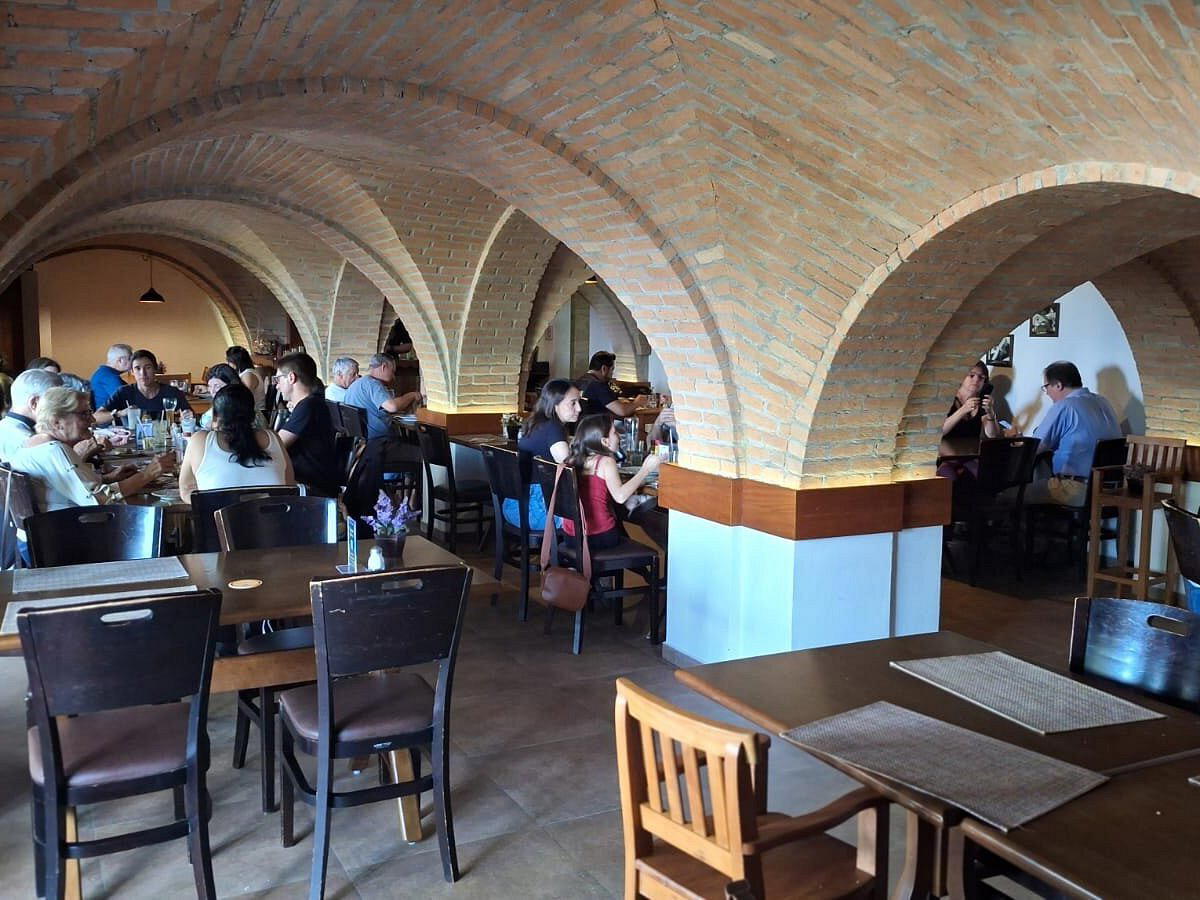
Bars in Indaiatuba
Browse all →
Hotels in Indaiatuba
Browse all →
At a Glance
- Rustic
- Cozy
- Family
- Group Dining
- Open Kitchen
Current opening hours
- Monday
- Closed
- Tuesday
- 11:30 AM–3 PM
- Wednesday
- 11:30 AM–3 PM
- Thursday
- 11:30 AM–3 PM
- Friday
- 11:30 AM–3 PM
- Saturday
- 11:30 AM–3 PM
- Sunday
- Closed
Hours can change for holidays and private events. Last verified .
Simple, unpretentious industrial setting with efficient service and a bustling lunch atmosphere.