Our verdict
In Jardim Cica, one of Jundiaí's quieter residential corners, Camorra Restaurante occupies an address on Rua Suíça that positions it away from the city's main commercial drag. The name and location suggest a kitchen with European inflections, operating within a São Paulo state dining scene that has grown considerably more sophisticated over the past decade.

Pearl is the En Primeur Club membership app — saves, bookings, and concierge access live there. Same editors, same standards.
- Address
- R. Suíça, 197 - Jardim Cica, Jundiaí - SP, 13206-792, Brazil
- Phone
- +551133798642
- Hours
- Mon–Sat 11 AM–3 PMSun Closed
- Website
- facebook.com
- Directions
- Get directions
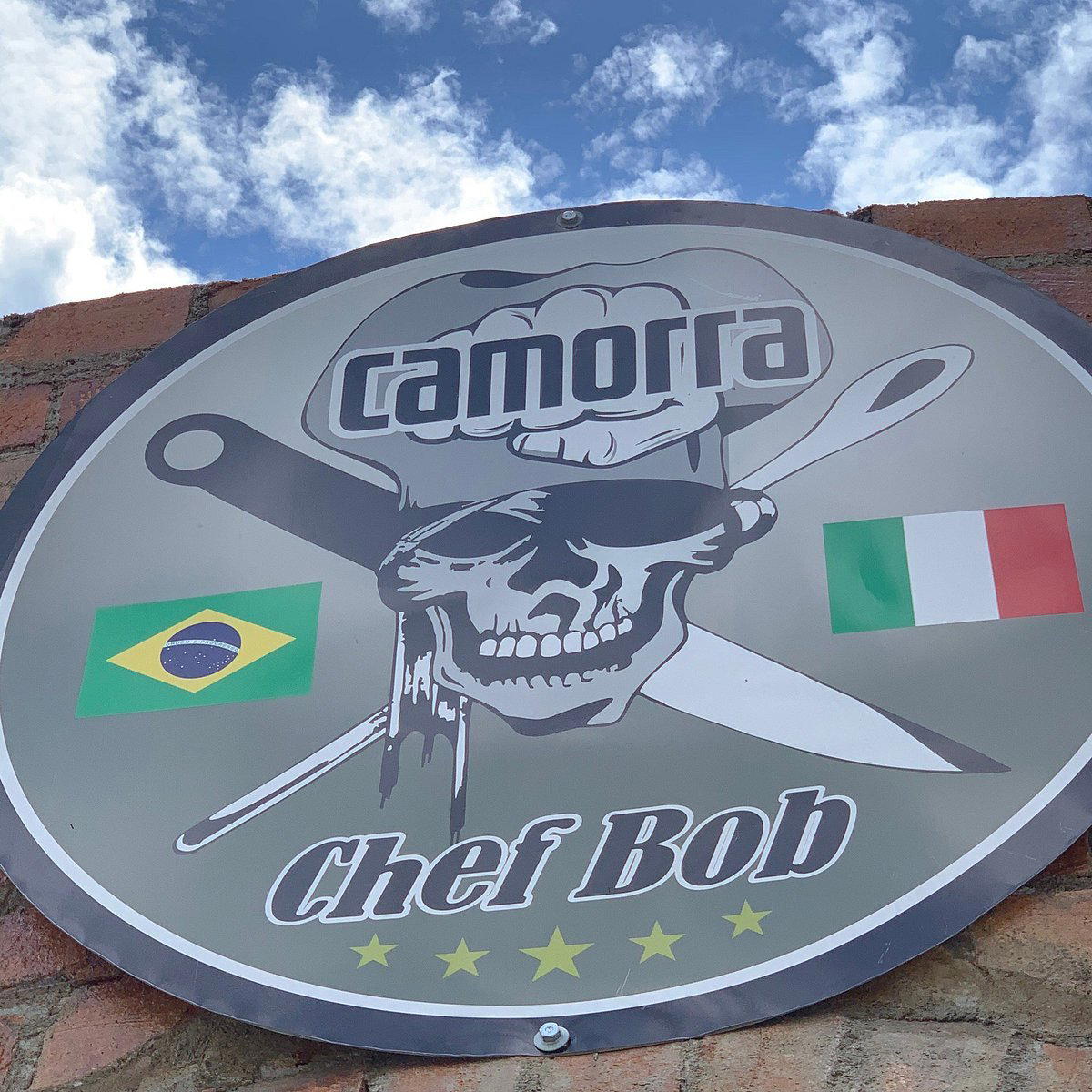
Jundiaí's Dining Scene and Where Camorra Fits
Jundiaí sits roughly 60 kilometres northwest of São Paulo along the Anhanguera highway, close enough to the capital to absorb its culinary ambitions but far enough to develop a restaurant culture with its own logic. The city is not a dining destination in the way that Campos do Jordão or Gramado have positioned themselves, but its middle tier of neighbourhood restaurants has matured considerably since the mid-2010s, driven partly by the expansion of São Paulo's commuter belt and the purchasing power that came with it. Camorra Restaurante, addressed at Rua Suíça 197 in Jardim Cica, occupies that neighbourhood tier rather than a tourist-facing strip.
The name Camorra carries Italian resonance, and the street address on Rua Suíça (Swiss Street) places it within a residential quarter rather than a commercial corridor. That combination suggests a kitchen oriented toward a local clientele that returns regularly rather than one chasing visitor traffic. In the broader São Paulo state context, this positions Camorra somewhere between the destination-focused rooms at Mina in Campos do Jordão and the neighbourhood anchors that sustain cities like Campinas, where Olivetto Restaurante E Enoteca has built a durable following through consistency rather than spectacle.
The Setting on Rua Suíça
Jardim Cica is a residential neighbourhood, which shapes the physical experience of arriving at Camorra before you've eaten a bite. Approaching through low-rise streets rather than a commercial block changes the register of an evening: there is no queue of taxis, no neon, no cluster of competing restaurants drawing comparison from the pavement. The address on Rua Suíça 197 suggests a converted or purpose-built room that has to earn its audience through reputation rather than foot traffic. This is not an incidental detail. In Brazil's interior cities, the restaurants that endure in residential pockets tend to do so because the food and the room justify a deliberate drive, not because someone stumbled past.
That dynamic is familiar across Brazil's secondary cities. In Curitiba, Manu built its reputation in a setting removed from the tourist circuit. In Belo Horizonte, Birosca S2 operates with the confidence of a room that knows its audience will seek it out. Camorra occupies an analogous position within Jundiaí's smaller and less documented restaurant scene.
Sourcing and the São Paulo State Supply Chain
The editorial angle that matters most for understanding a restaurant like Camorra is ingredient sourcing, particularly in a city positioned the way Jundiaí is. The municipality sits within one of Brazil's most productive agricultural regions: the Jundiaí microregion produces table grapes, strawberries, and a range of horticultural goods that supply both local markets and São Paulo's wholesale network. A kitchen operating in Jardim Cica has access, in principle, to produce that restaurants in São Paulo's urban core have to source from greater distances and at greater cost.
Brazilian restaurants with European name signals, as Camorra's Italian reference suggests, have increasingly split into two approaches over the past decade. One group imports the pantry wholesale, prioritising imported pasta, European charcuterie, and wine-list depth as the primary quality signal. The other treats European technique as a framework applied to regional Brazilian ingredients, a model that has produced some of the country's most discussed kitchens. D.O.M. in São Paulo made that argument at the highest tier; Oteque in Rio de Janeiro refines a version of it. Whether Camorra follows either trajectory, or occupies a more direct Italian-Brazilian hybrid position, is a distinction that shapes the value proposition considerably.
For comparison within Jundiaí's own restaurant set, the city supports European-inflected rooms alongside Japanese counters such as Ryuji Sushi House, Portuguese-accented kitchens like Lisboa Culinária Portuguesa, and European-heritage dining rooms such as Uhlen Haus. For a broader view of where Camorra sits among these options, the full Jundiaí restaurants guide maps the city's dining range in more detail.
Brazilian Regional Context
Placing Camorra within Brazil's wider dining conversation requires acknowledging that the country's most documented restaurant culture remains concentrated in São Paulo, Rio de Janeiro, and a handful of destination towns. That absence of documentation is not itself a quality judgment.
Across Brazil, some of the most considered cooking happens in rooms that never appear in a 50 Best longlist. Manga in Salvador and Lobby Café in Belém demonstrate that cities outside the São Paulo-Rio axis have developed serious restaurant cultures. Regionally specific projects like Orixás North Restaurant in Itacaré and State of Espírito Santo in Rio Bananal show how ingredient sourcing tied to specific geography can become the defining editorial story of a kitchen. For restaurants in the interior of São Paulo state, that regional identity argument is available but not yet widely used as a positioning tool. At comparable destination-resort scale, rooms like Primrose in Gramado and Castelo Saint Andrews in Vale do Bosque show what focused regional identity can achieve in secondary cities when the concept is tightly executed.
For international reference on technique-driven sourcing at a different scale, Le Bernardin in New York City and Lazy Bear in San Francisco represent how kitchens build sustained reputations on ingredient provenance as a primary editorial commitment, a standard that contextualises what sourcing discipline can mean at the upper tier of the format.
Planning Your Visit
Camorra Restaurante is located at Rua Suíça 197, Jardim Cica, Jundiaí, São Paulo state, CEP 13206-792. The residential address means the room is leading reached by car or rideshare rather than on foot from central Jundiaí. Phone number and website details were not available at time of writing, so confirming hours and booking directly in advance is advisable; the neighbourhood setting suggests this is a room where reservations matter more than walk-in availability.
Frequently asked questions
Can I bring kids to Camorra Restaurante?
Camorra sits on a residential street in Jardim Cica, Jundiaí — a setting that typically runs at a quieter register than a city-centre room. That physical context tends to suit family groups more than a loud urban dining floor would.
What should I expect atmosphere-wise at Camorra Restaurante?
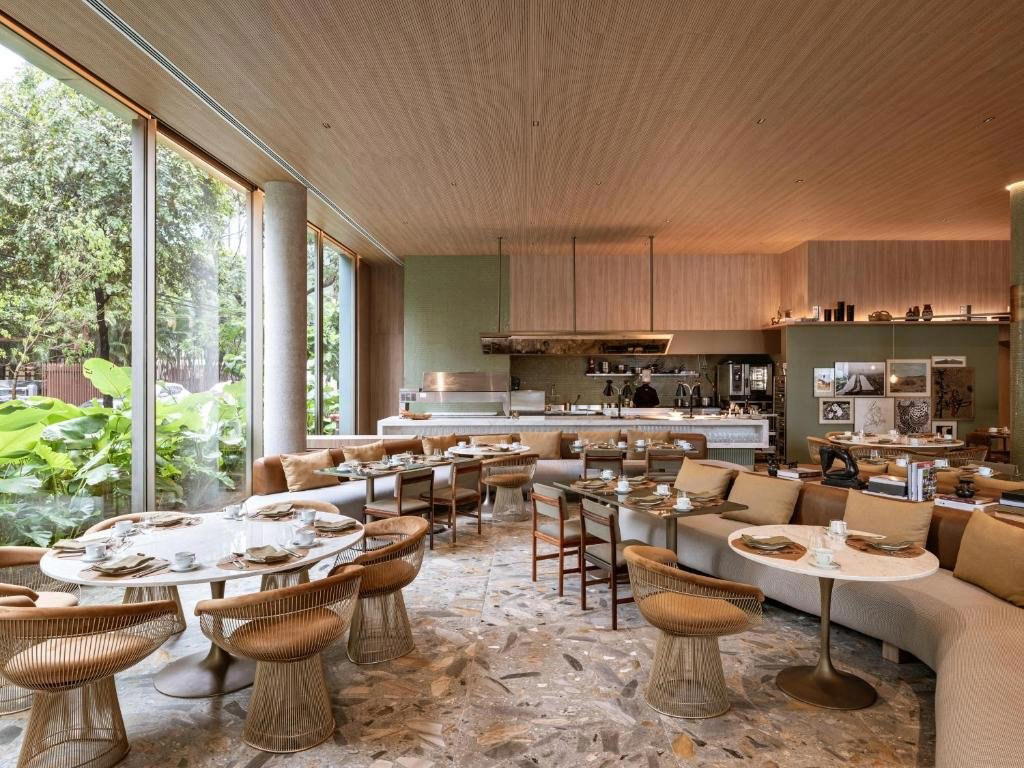
The address on Rua Suíça 197 in Jardim Cica places this restaurant inside a residential neighbourhood rather than a commercial strip, which sets a distinctly local, low-key tone before you've sat down. Neighbourhood rooms in Jundiaí at this scale tend toward the informal end — closer to trattoria pacing than to a São Paulo capital production. Expect conversation-friendly noise levels and a crowd drawn largely from the surrounding area.
Is Camorra Restaurante a good option for visitors arriving from São Paulo for the day?
Jundiaí sits roughly 60 kilometres from São Paulo along the Anhanguera highway, making it a feasible day-trip destination for those willing to travel for a meal outside the capital's saturated dining market. Camorra's Jardim Cica address is residential rather than tourist-facing, which means the room skews toward local regulars — a different experience from a city-centre venue built for out-of-town traffic. Confirming hours directly before making the drive is strongly advised.
Where is Camorra Restaurante located?
Camorra Restaurante is located at R. Suíça, 197 - Jardim Cica, Jundiaí - SP, 13206-792, Brazil, Jundiai.
How hard is it to get a table at Camorra Restaurante?
Restaurants at this address tier in Jundiaí — residential, without national award recognition on file — rarely run multi-week waiting lists, but weekend evenings can tighten quickly in well-regarded neighbourhood rooms. Contacting the restaurant directly before arriving is the practical step, particularly for groups.
How It Stacks Up
Comparable venues nearby, for context on price, style, and recognition.
| Venue | Cuisine | Price | Notes |
|---|---|---|---|
| Camorra RestauranteThis venue — the venue you are viewing | Brazilian Seafood Internacional | $20–30 | Not listed |
| Uhlen Haus | German & International | Not listed | Centro |
| Lisboa Culinária Portuguesa | Authentic Portuguese | Not listed | Chácara Urbana |
| Ryuji Sushi House | Traditional Japanese Conveyor Belt Sushi Rodízio | $30–50 | Vila Virginia |
| Charco | Modern Brazilian with South American and Asian influences | Not listed | Jardim Paulista |
| Lobby Café | Brazilian Café | $10–20 | Belem |
Details
- Family
- Group Dining
- Open Kitchen
- A La Carte
Current opening hours
- Monday
- 11 AM–3 PM
- Tuesday
- 11 AM–3 PM
- Wednesday
- 11 AM–3 PM
- Thursday
- 11 AM–3 PM
- Friday
- 11 AM–3 PM
- Saturday
- 11 AM–3 PM
- Sunday
- Closed
Hours can change for holidays and private events. Last verified .
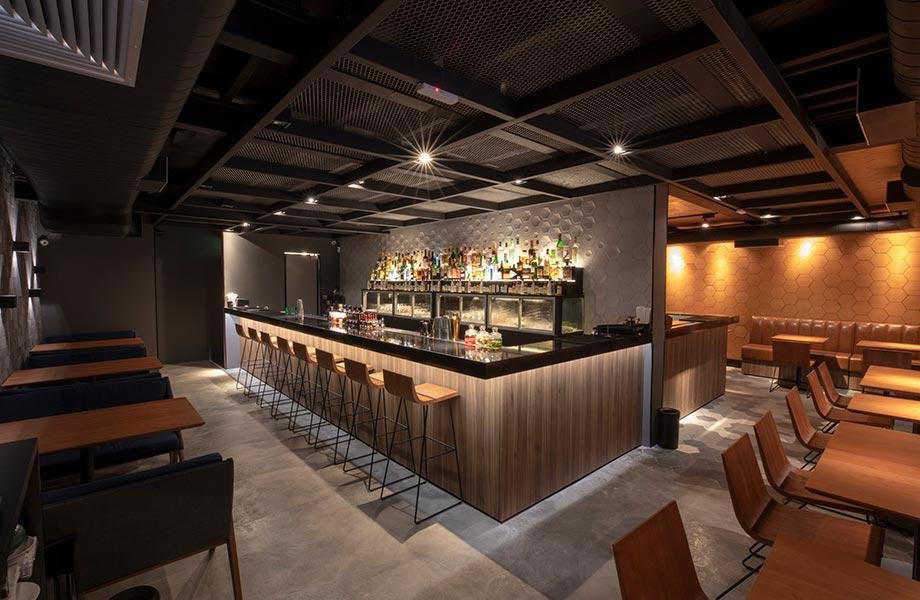
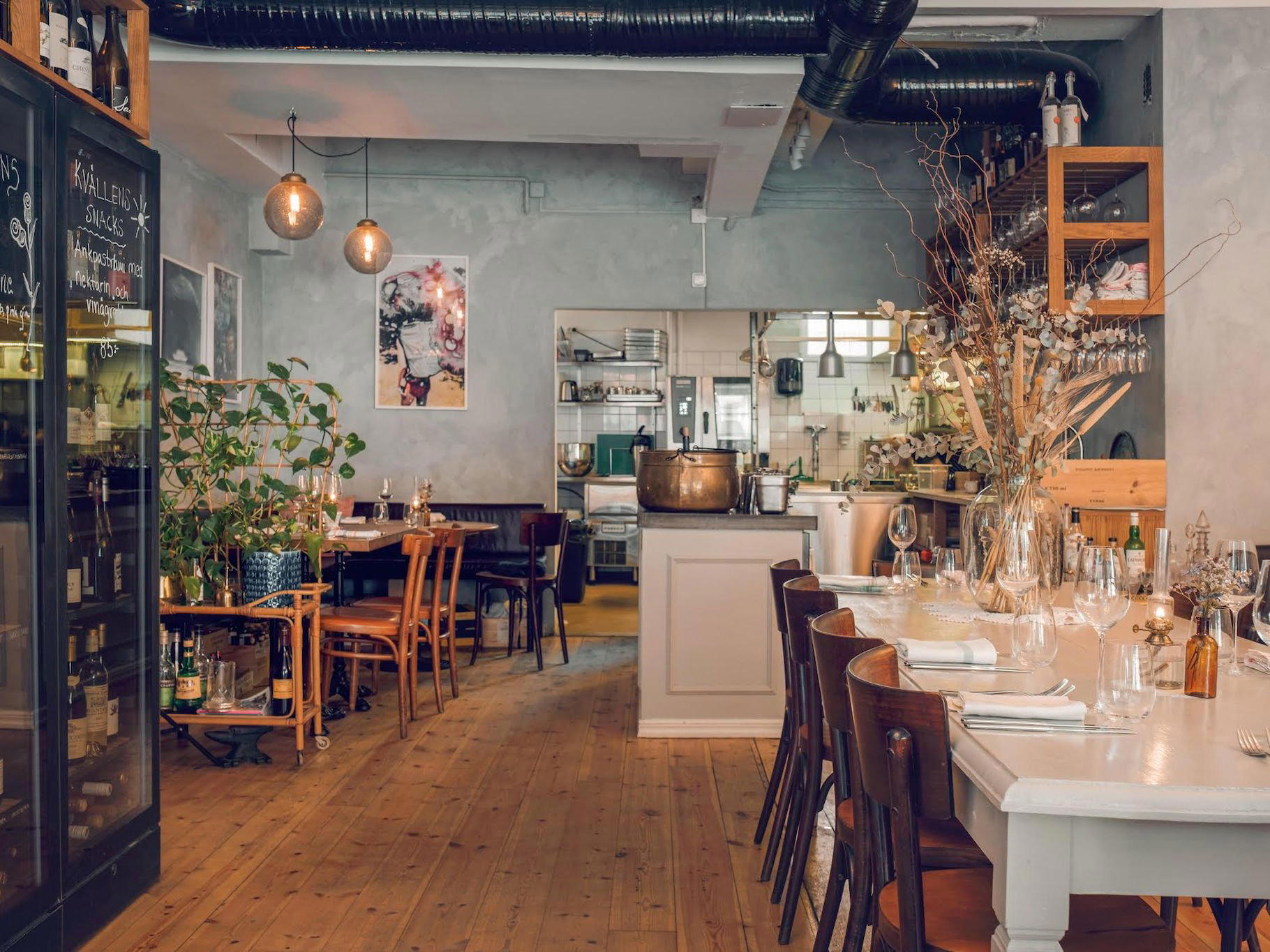
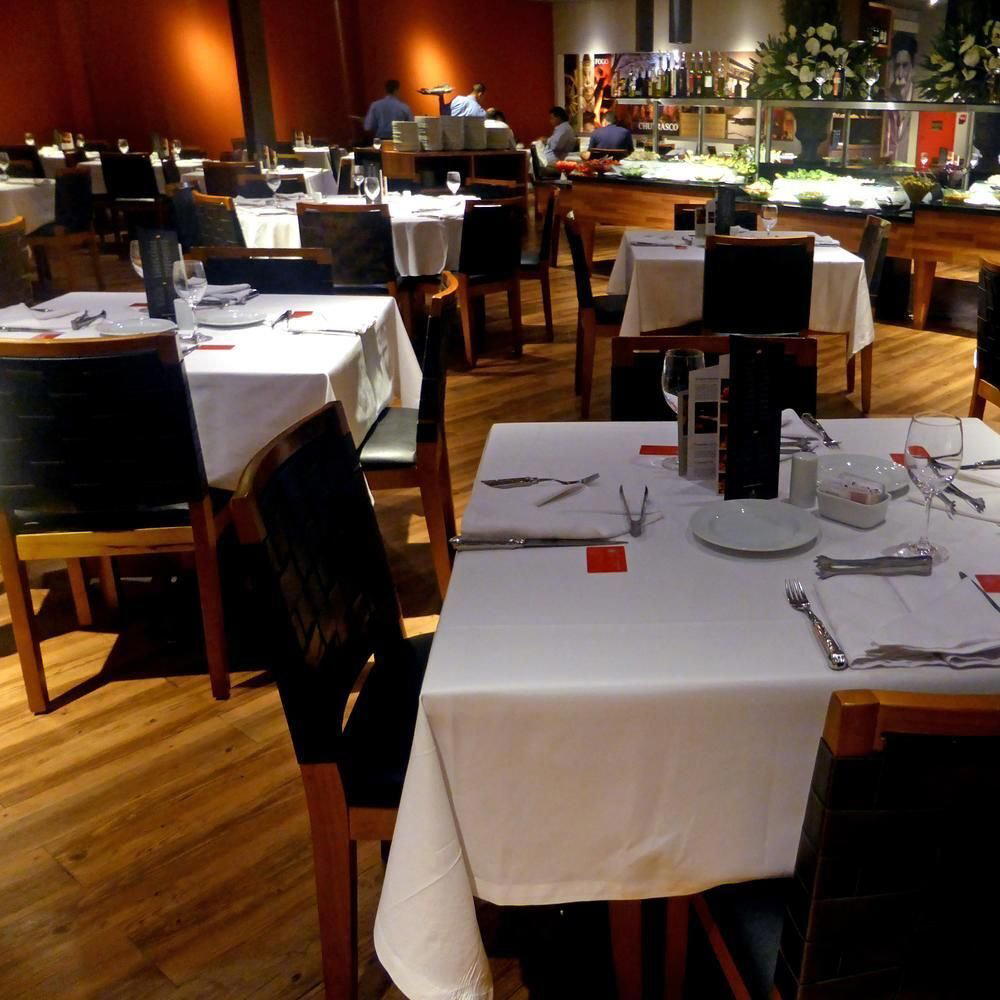
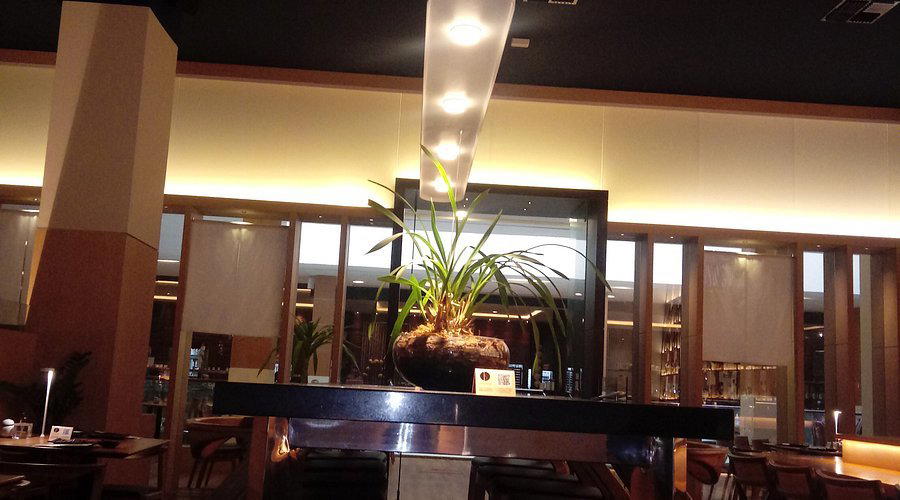
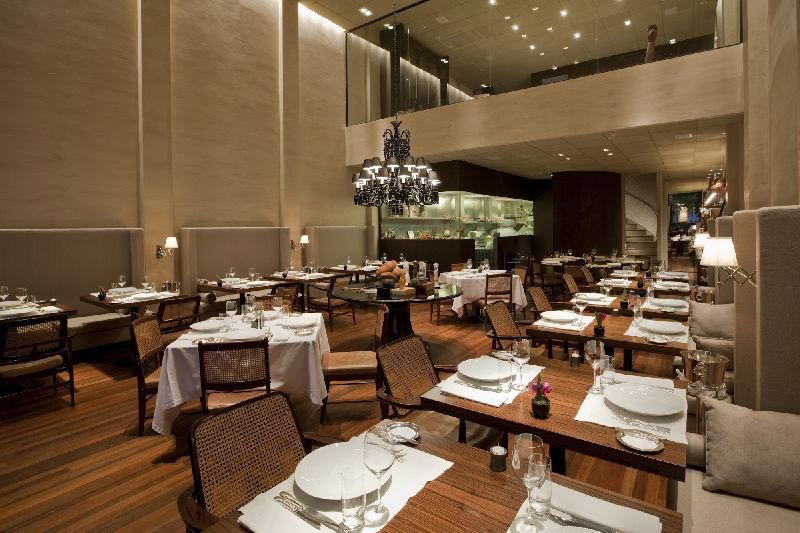
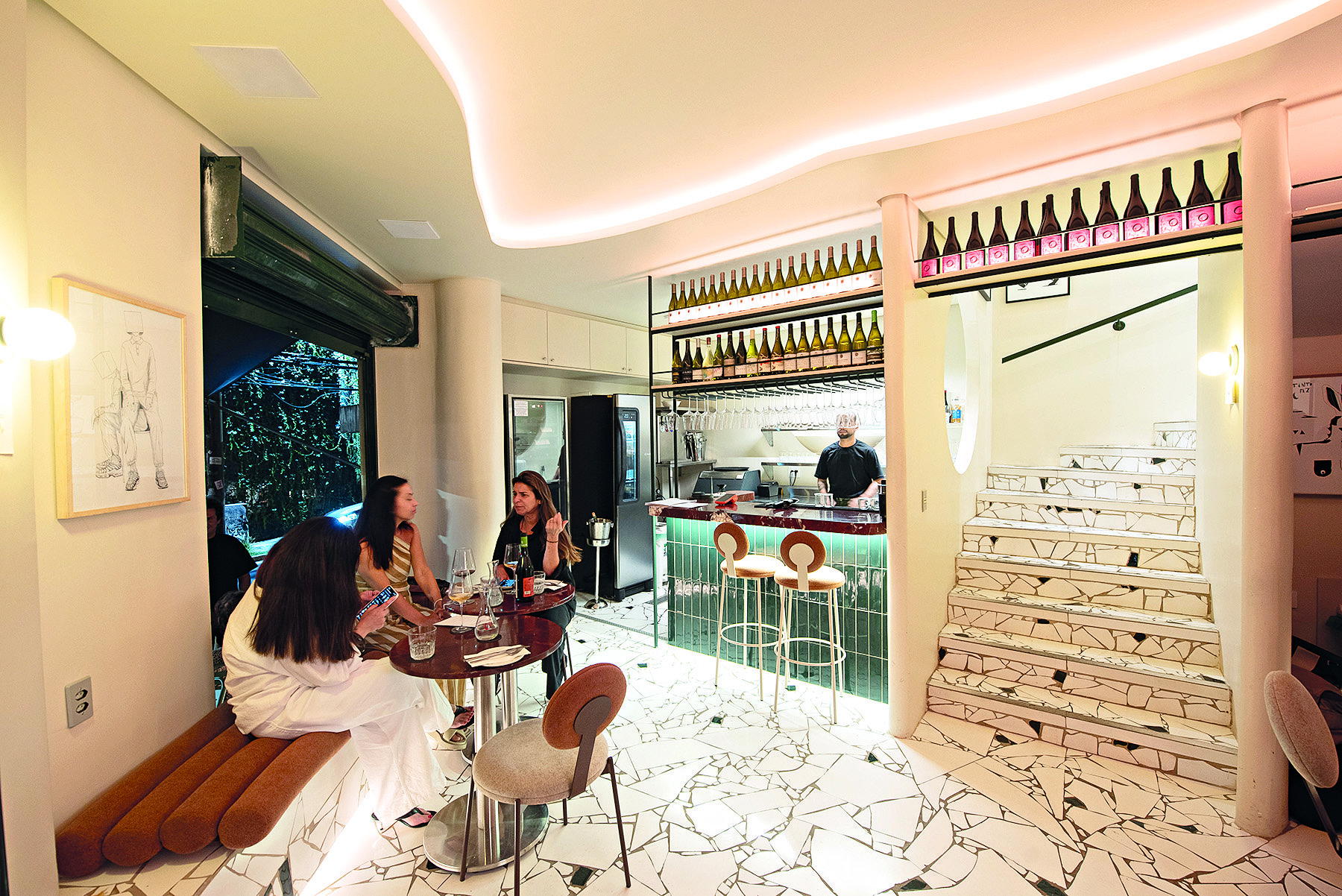
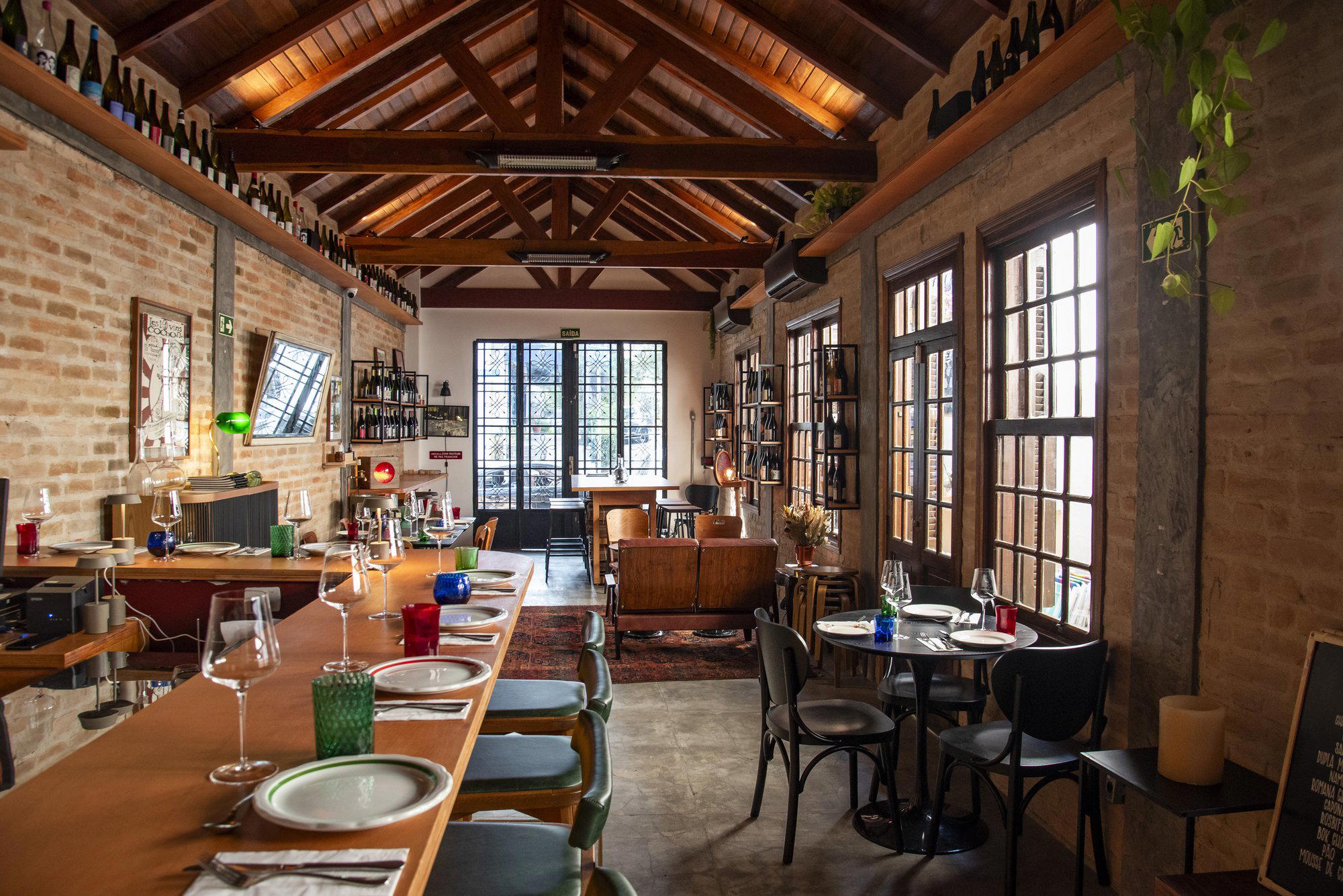
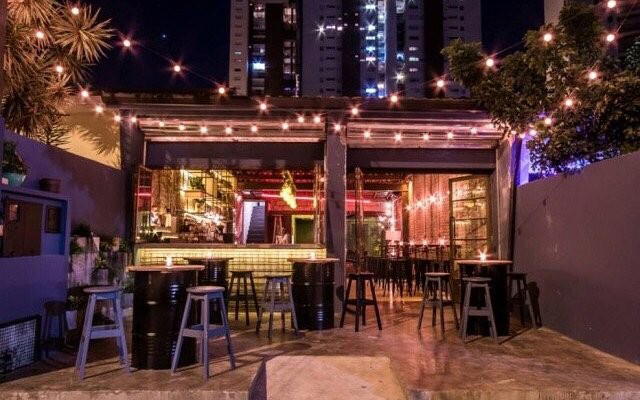
Warm and inviting atmosphere suitable for lunch and dinner gatherings.