RAUW sits on Koerselsebaan in Heusden-Zolder, a Flemish town more accustomed to motorsport headlines than fine dining ones. The name itself signals intent: raw, direct, without artifice. In a Belgian dining scene that prizes technique and terroir in equal measure, RAUW positions itself as a counter-argument to excess — a place where the ingredient, rather than the elaboration, carries the plate.
Pearl is the En Primeur Club membership app — saves, bookings, and concierge access live there. Same editors, same standards.
- Address
- Koerselsebaan 181, 3550 Heusden-Zolder, Belgium
- Phone
- +3211728882
- Website
- rauwbbq.be
- Directions
- Get directions
 Saves & bookings on Pearl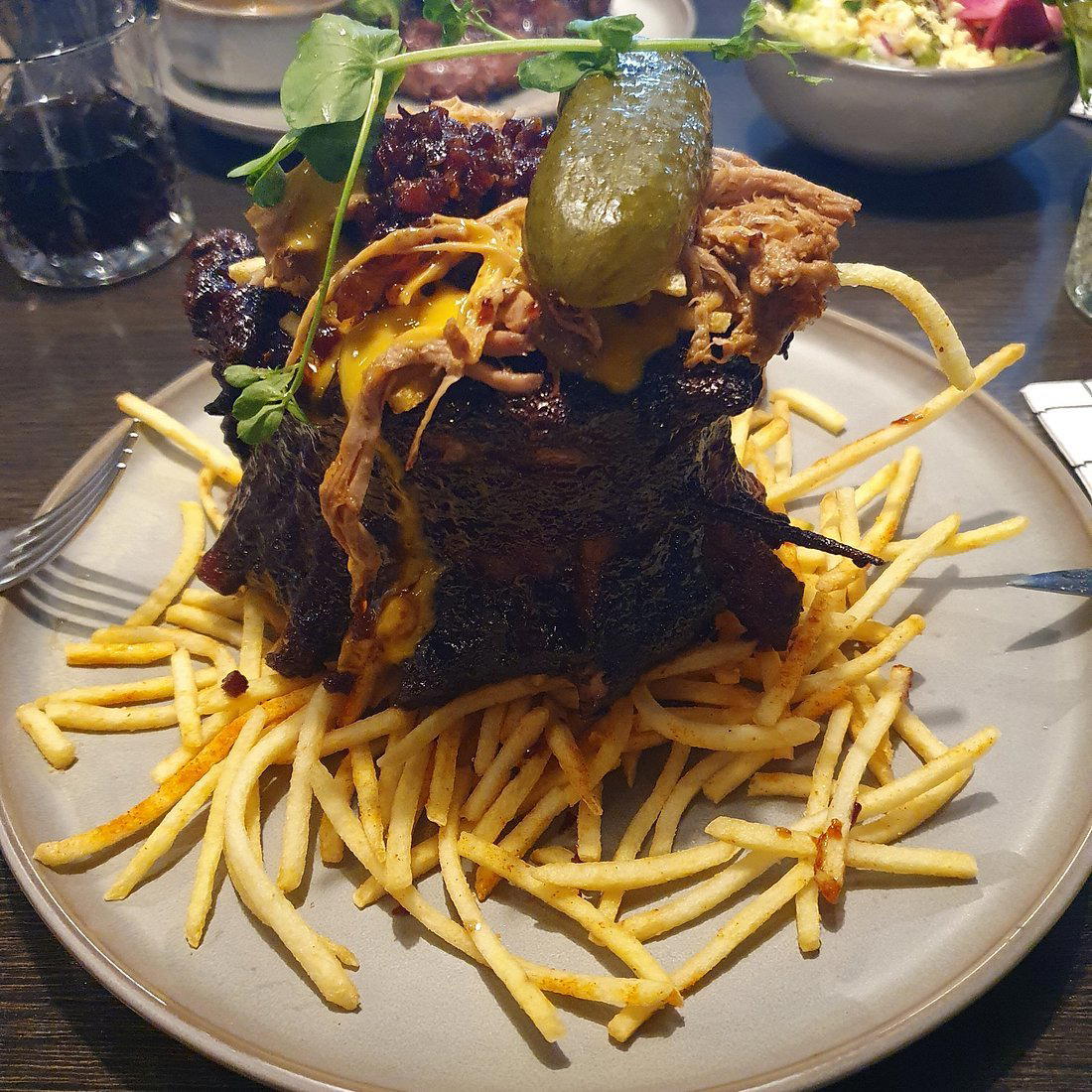
Where Heusden-Zolder Sits in the Belgian Dining Map
Belgium's serious restaurant circuit has long concentrated in a handful of postcode clusters: the Ghent-Bruges corridor, the Brussels grands boulevards, the polished dining rooms of the Flemish countryside that have accumulated Michelin stars over decades. Heusden-Zolder, a municipality in Limburg province renowned for its racing circuit, sits outside that conventional axis. That geographical remove is, in part, what gives a place like RAUW its particular character. Restaurants that establish themselves in smaller Flemish towns without the gravitational pull of a major city tend to build their reputation on a more specific proposition — and in RAUW's case, that proposition is legible from the name itself.
The Belgian dining tradition that RAUW most directly connects to is the product-driven school: the lineage running through kitchens like Hof van Cleve - Floris Van Der Veken in Kruishoutem and De Jonkman in Sint-Kruis, where technique exists to clarify rather than to complicate. Across Flanders, the strongest rooms of the past decade have progressively stripped back the architectural plating of the 2000s in favour of fewer, more considered elements on the plate. RAUW's naming convention places it firmly in that current.
The Ingredient as Argument
In Flemish fine dining, sourcing has become the primary editorial statement a restaurant can make. The kitchens drawing the most serious attention — from Boury in Roeselare to Willem Hiele in Oudenburg, have built their identities around specific supplier relationships, seasonal fidelity, and the discipline to let a single well-sourced product anchor a course rather than supplementing it into submission. This is not minimalism for aesthetic reasons alone; it is a culinary argument that the provenance of an ingredient is itself information the diner should receive.
RAUW's positioning in Heusden-Zolder, away from the logistics networks that supply urban kitchens, implies a sourcing model rooted in regional producers. Limburg's agricultural character, fertile sandy soils, proximity to the Kempen landscape, and a tradition of small-scale market gardening, offers a different pantry than the coastal suppliers that feed kitchens further west. Where a restaurant like Bartholomeus in Heist operates within reach of North Sea seafood landed daily, a Heusden kitchen's natural idiom skews toward land-grown produce, inland waterway fish, and regional livestock. That distinction shapes what appears on the plate and in what sequence the seasons are felt.
The broader Belgian tendency, visible in rooms from Castor in Beveren to L'air du temps in Liernu, is to treat sourcing not as a marketing footnote but as the structural logic of the menu. Dishes are built backward from what the season makes available rather than forward from a fixed recipe. A kitchen operating on that principle in Limburg in late autumn reads differently from the same kitchen in April, and that variability is precisely the point.
The Physical Setting on Koerselsebaan
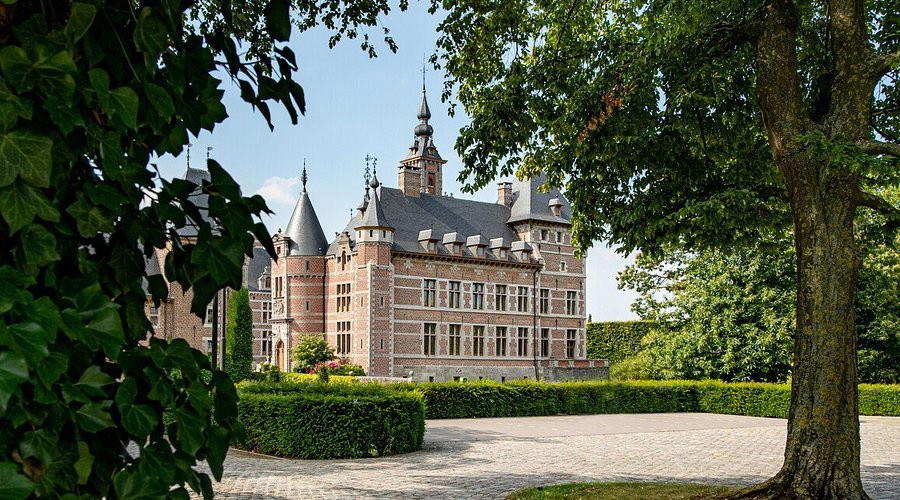
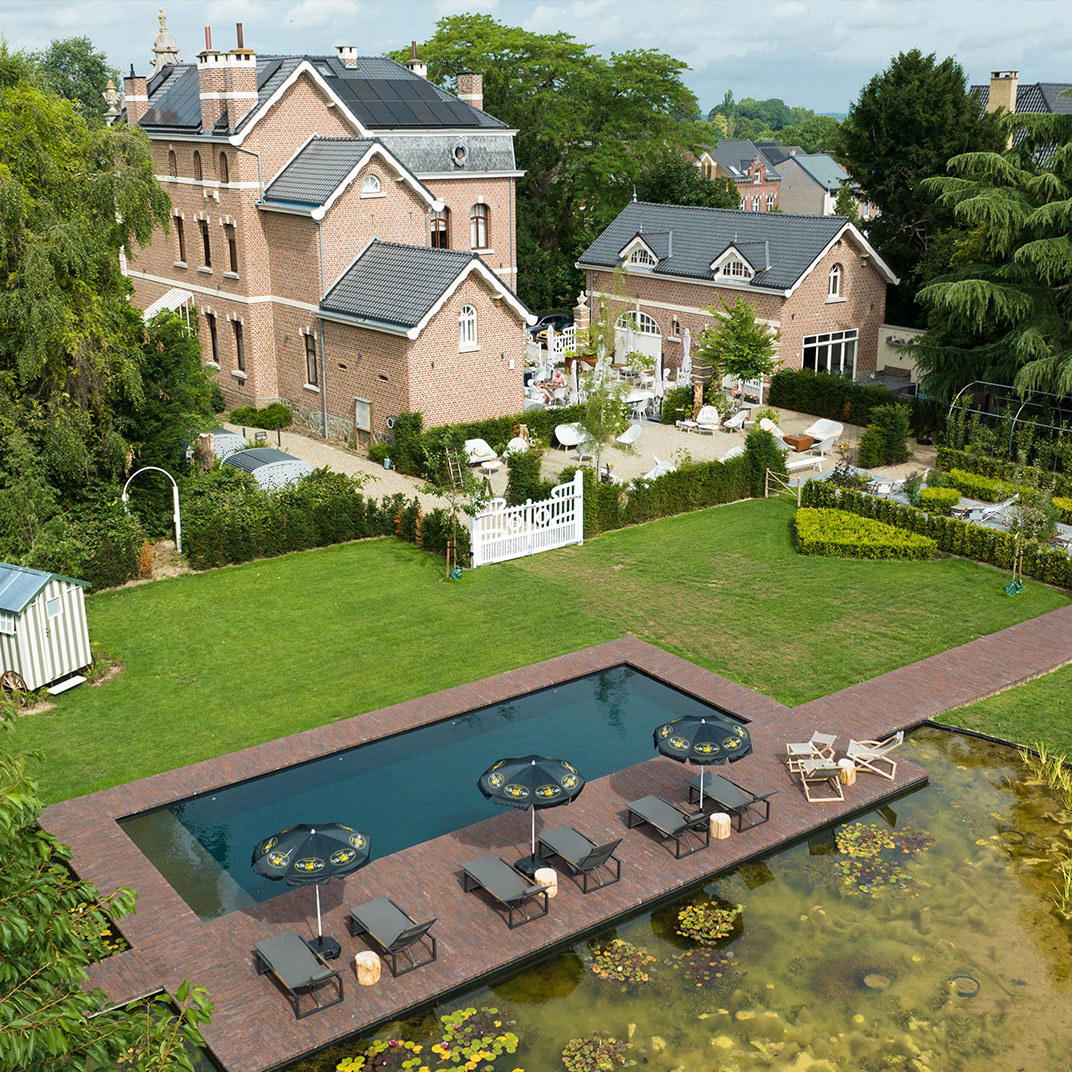
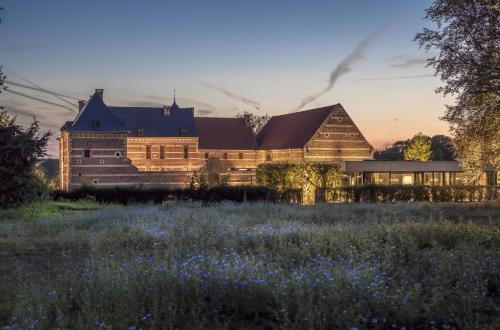
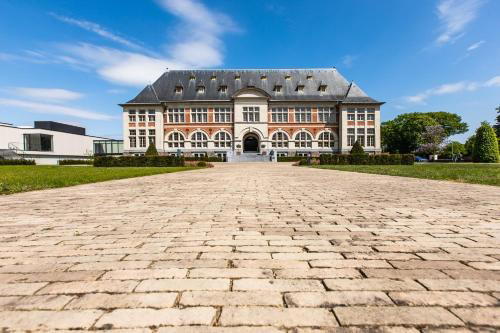
The address, Koerselsebaan 181, places RAUW on a road that connects Heusden-Zolder's residential spread to the surrounding countryside, removed from any town-centre dining cluster. In Belgium, this kind of roadside or semi-rural positioning has a well-established precedent: some of the country's most serious rooms have always sat outside population centres, requiring the diner to make a deliberate journey. That journey functions as a kind of commitment device. Arriving at a destination restaurant in the Flemish countryside, rather than stepping off a city tram, recalibrates expectations before the first course arrives.
Physical approach along Koerselsebaan signals that the room's appeal is not incidental, not a restaurant you walk past and enter on impulse. Diners at this address have made a decision. That behavioural filter tends to produce a room with a particular atmosphere: focused, intentional, less distracted by the ambient noise of urban dining rooms. It is the same logic that sends serious eaters toward Maison Colette in Tongerlo or La Table de Maxime in Our, places where the location itself is a statement about what kind of experience the kitchen intends.
RAUW in the Context of Nearby Dining
Heusden-Zolder is not a city with multiple competing fine dining rooms. The municipality's dining options are spread thinly, which means that RAUW exists less in competition with local peers and more in conversation with restaurants at a regional scale. Rooselaer (Grills) is the other notable address in Heusden that merits attention, operating in a different register, fire-led cooking, a more strong protein emphasis, and serving a different moment in the dining week. The two rooms are not substitutes for each other; they occupy different points on the spectrum from casual to considered.
For visitors building a multi-day Flemish itinerary, RAUW sits within reach of the Hasselt dining cluster and a reasonable drive from La Durée in Izegem or the Brussels anchors, Bozar Restaurant in Brussels, Le Chalet de la Forêt in Uccle, for those sequencing a longer trip through Belgium's serious dining rooms. The full picture of what Belgium's contemporary kitchen culture looks like across different regions and price tiers is covered in our full Heusden restaurants guide.
For international reference points, the product-forward discipline RAUW implies has parallels in the approach that defines rooms like Le Bernardin in New York City, where the ingredient's integrity is treated as non-negotiable, or the Korean-influenced precision of Atomix in New York City, which similarly refuses to let technique obscure what it is cooking. The scale is different; the discipline is recognisable. And Belgian kitchens that hold this line, from Zilte in Antwerp to d'Eugénie à Emilie in Baudour, demonstrate that the commitment is not confined to any single culinary tradition.
Planning Your Visit
RAUW is located at Koerselsebaan 181 in Heusden-Zolder, reachable by car from Hasselt in under fifteen minutes and from Brussels in approximately an hour via the E314. As with most destination rooms of this type in Flemish Belgium, driving is the practical default; the address is not served by meaningful public transport. Booking in advance is advisable, smaller rooms in rural Flanders at this register tend to run at high occupancy on weekends, and the kitchen's likely reliance on seasonal produce means the menu changes with enough frequency that repeat visits read differently across the year.
How RAUW Heusden compares with similar nearby venues.
| Venue | Cuisine | Price |
|---|---|---|
| Innesto | Creative | €€€€ |
Continue exploring
More in Heusden
Restaurants in Heusden
Browse all →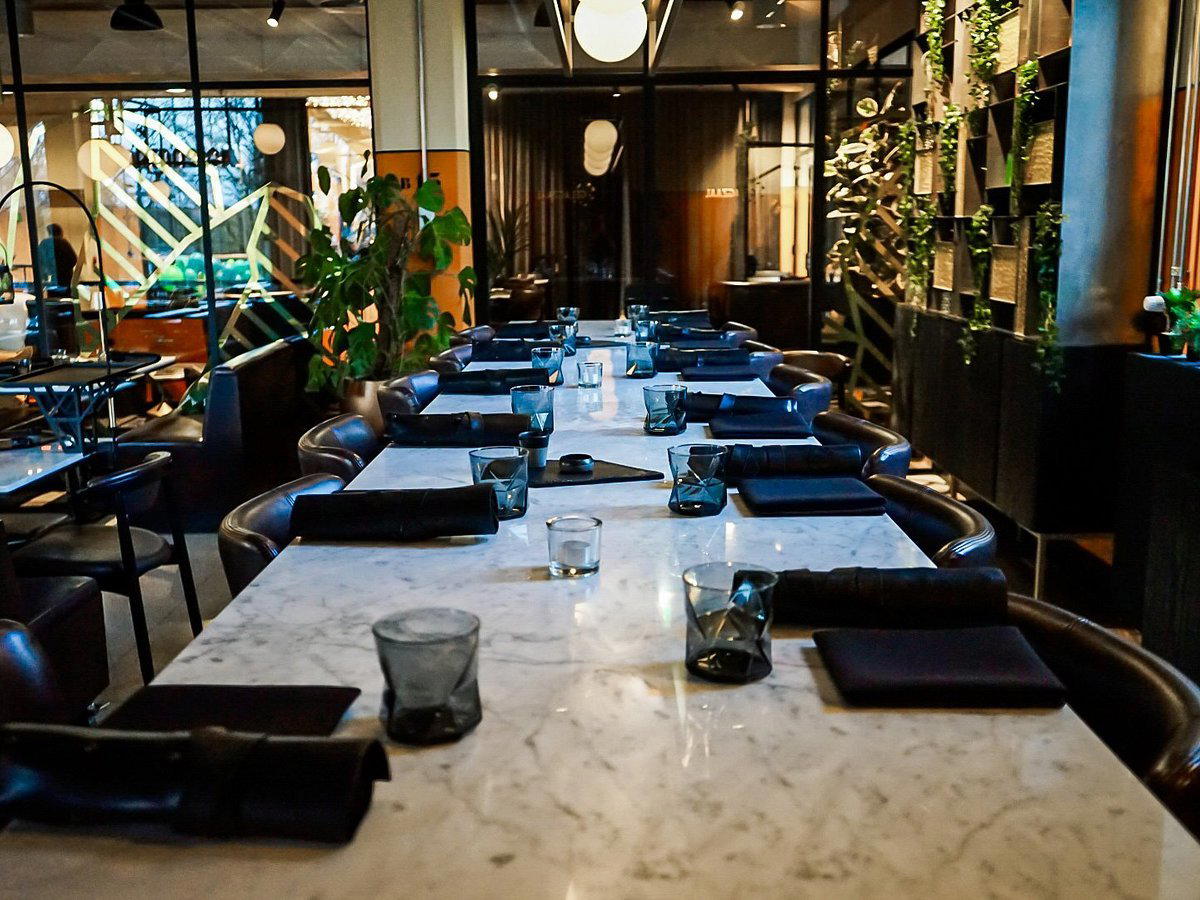
Bars in Heusden
Browse all →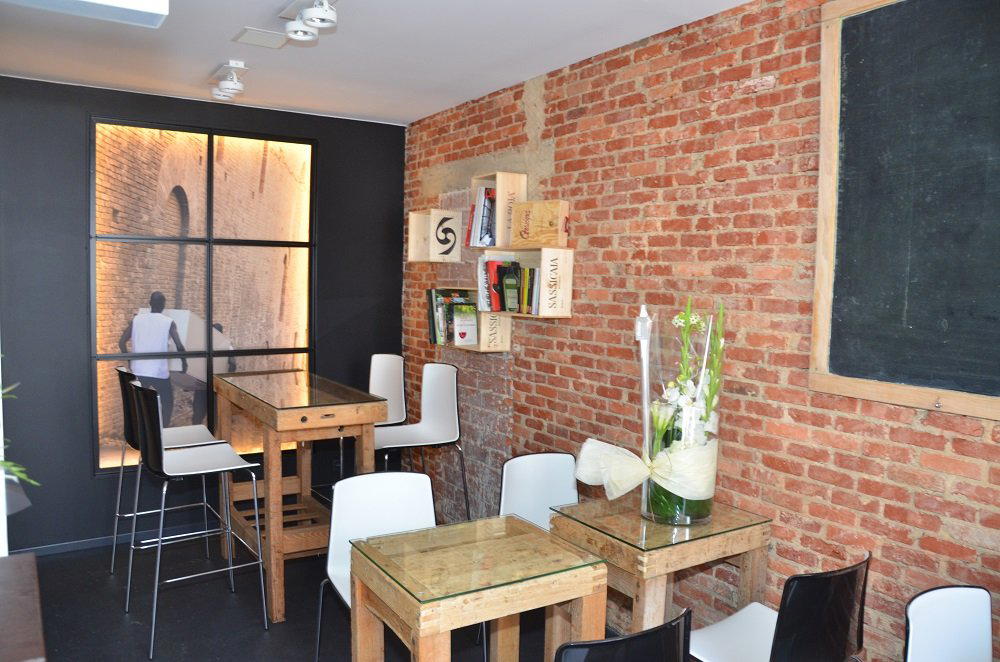
Hotels in Heusden
Browse all →

At a Glance
- Lively
- Cozy
- Group Dining
- Casual Hangout
- Open Kitchen
Current opening hours
- Monday
- 11:30 AM–2 PM, 5–10 PM
- Tuesday
- 11:30 AM–2 PM, 5–10 PM
- Wednesday
- Closed
- Thursday
- 11:30 AM–2 PM, 5–10 PM
- Friday
- 11:30 AM–2 PM, 5–10 PM
- Saturday
- 5–10 PM
- Sunday
- 11:30 AM–10 PM
Hours can change for holidays and private events. Last verified .
Relaxed atmosphere with comfortable seating and open kitchen views, creating a casual and welcoming vibe.
Know Before You Go
- Getting there
- Koerselsebaan 181, 3550 Heusden-Zolder, Belgium