Rasika West End
Our verdict
Among Washington D.C.'s most enduring fine-dining Indian restaurants, Rasika West End occupies a quieter, more residential pocket of the city than its Penn Quarter sibling, yet draws a loyal clientele that returns for the same reason regulars always do: consistency at a level most kitchens in any category struggle to sustain. The West End address suits a crowd that values discretion over spectacle.

Pearl is the En Primeur Club membership app — saves, bookings, and concierge access live there. Same editors, same standards.
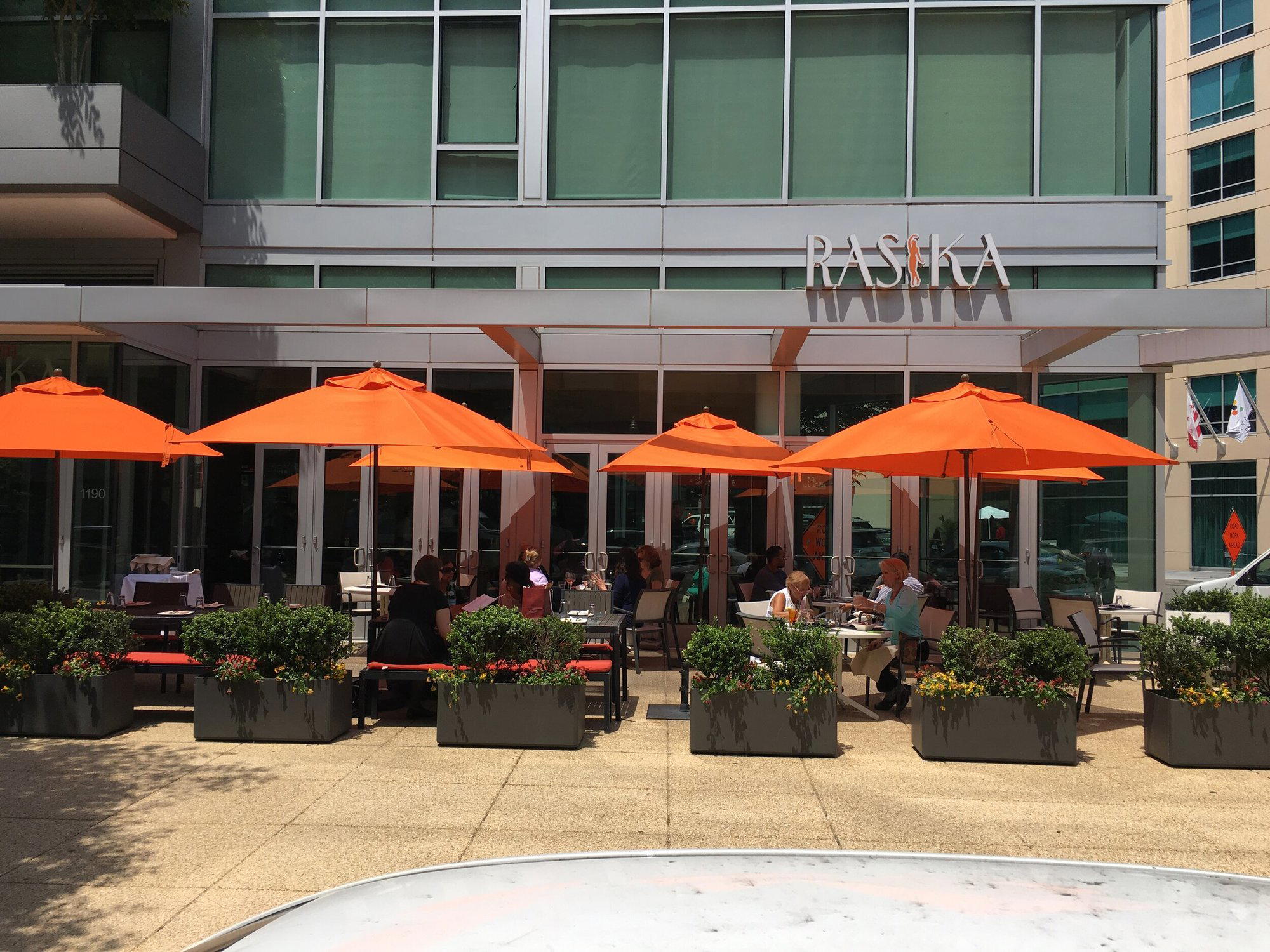
The Room That Earns Its Repeat Business
Washington D.C.'s West End sits at an odd remove from the city's more theatrical dining corridors. The neighbourhood is residential in character, home to embassies and law firms rather than the kind of foot traffic that sustains a buzzing dining room on novelty alone. A restaurant that survives here, let alone thrives, does so on return visits. Rasika West End is a case study in exactly that dynamic.
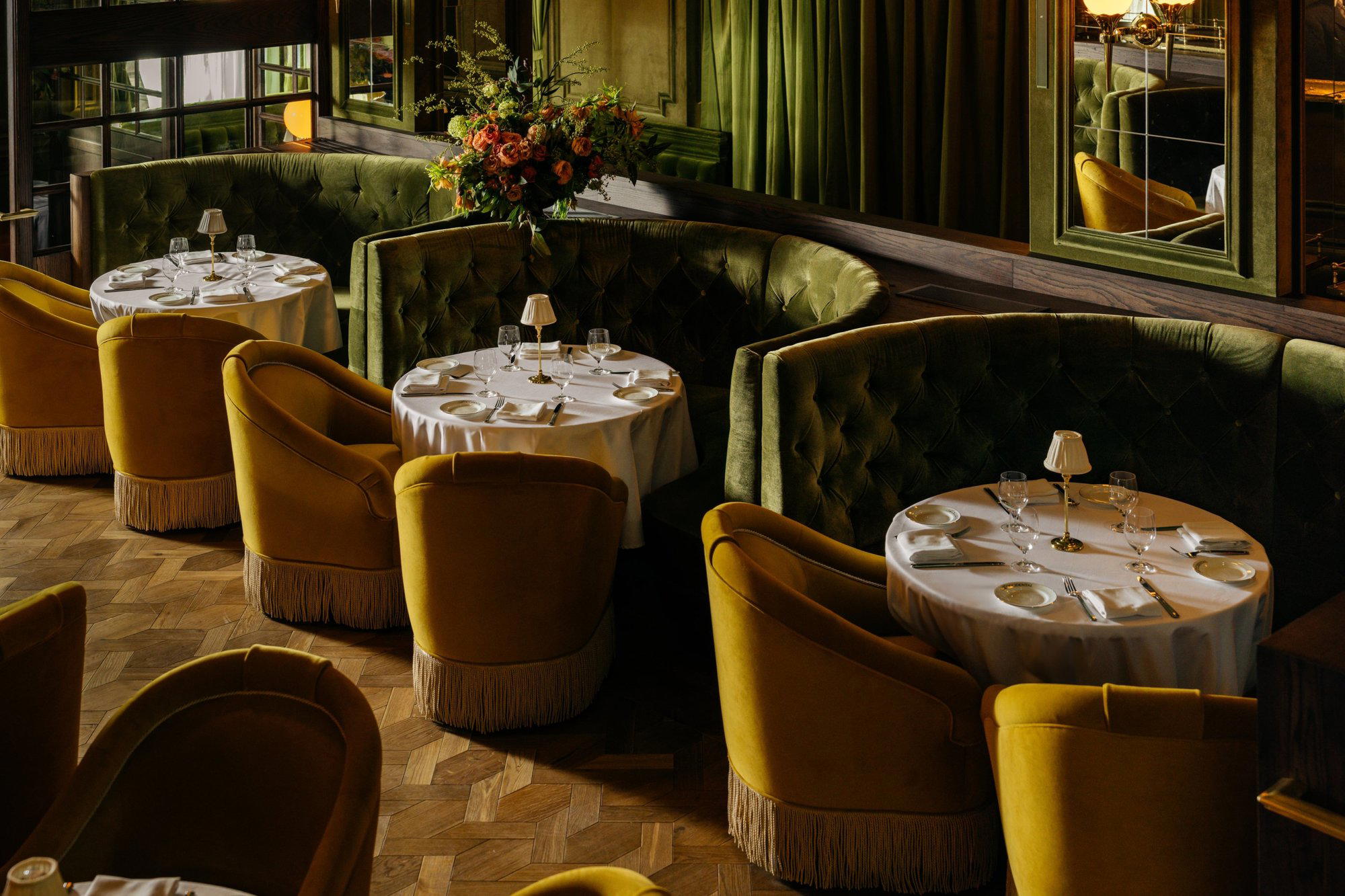
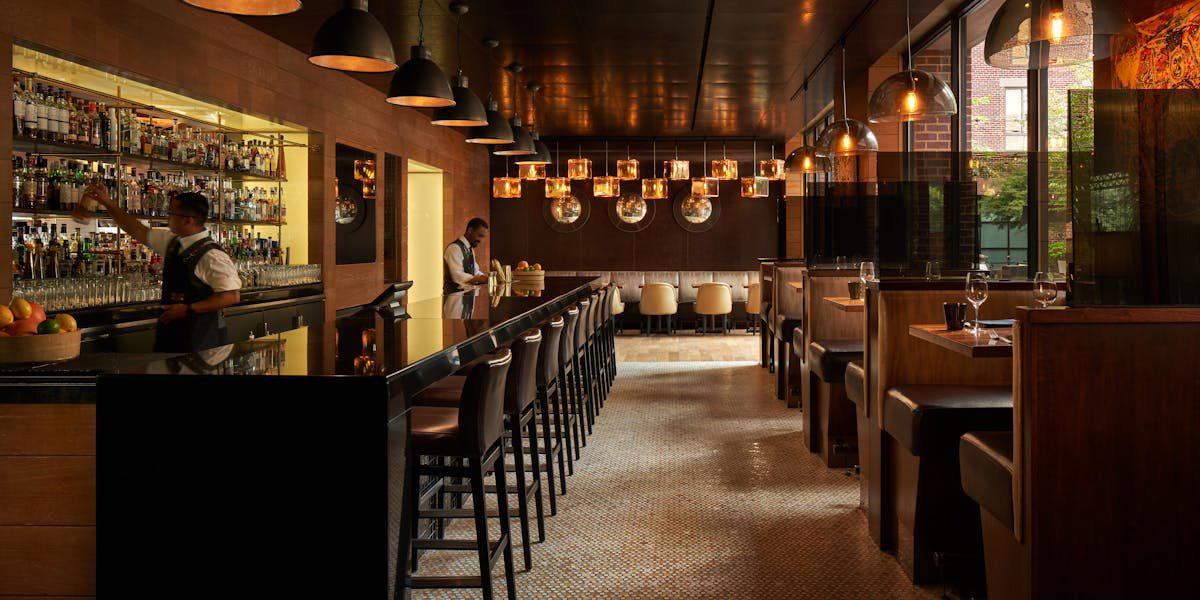
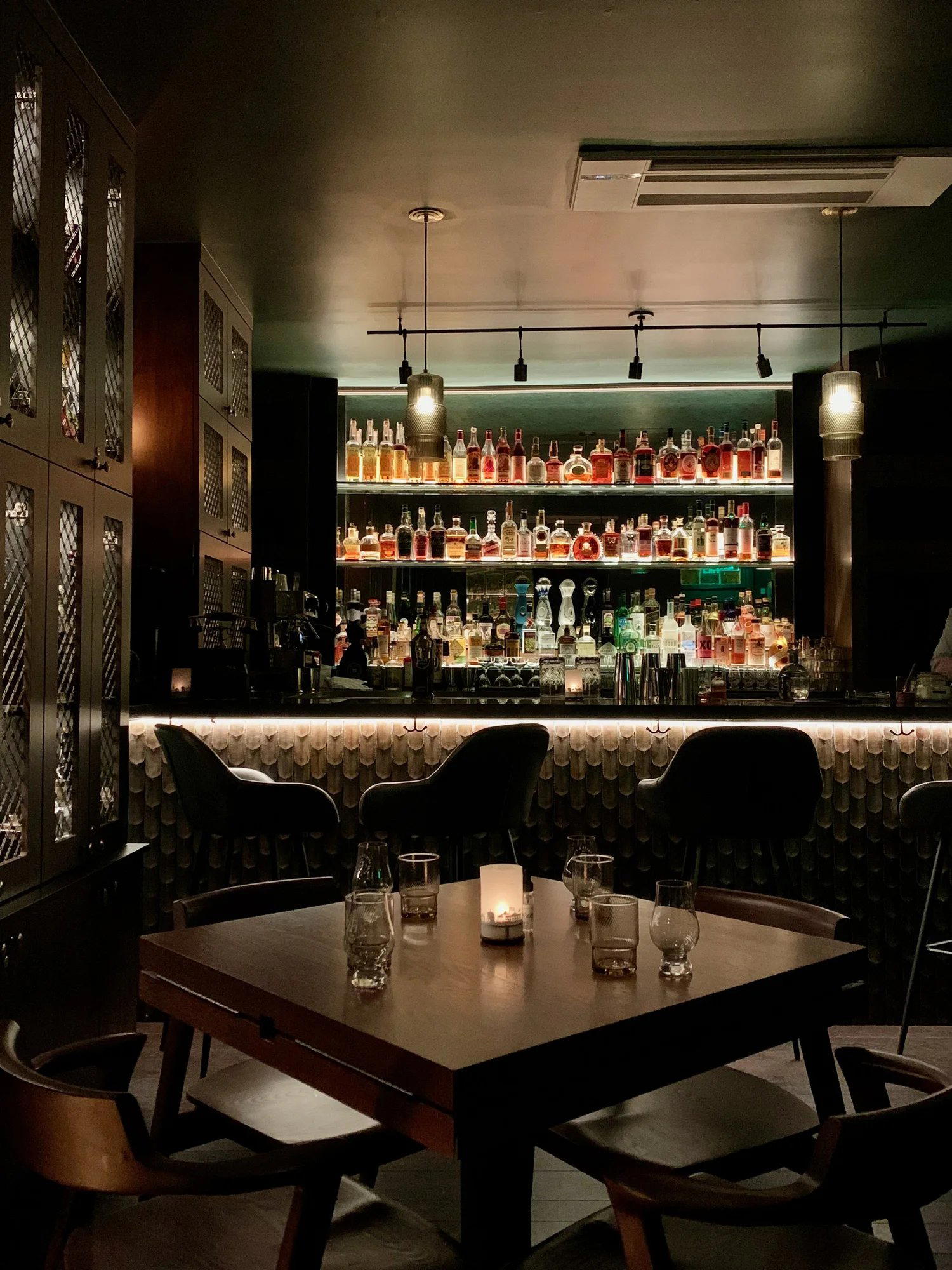
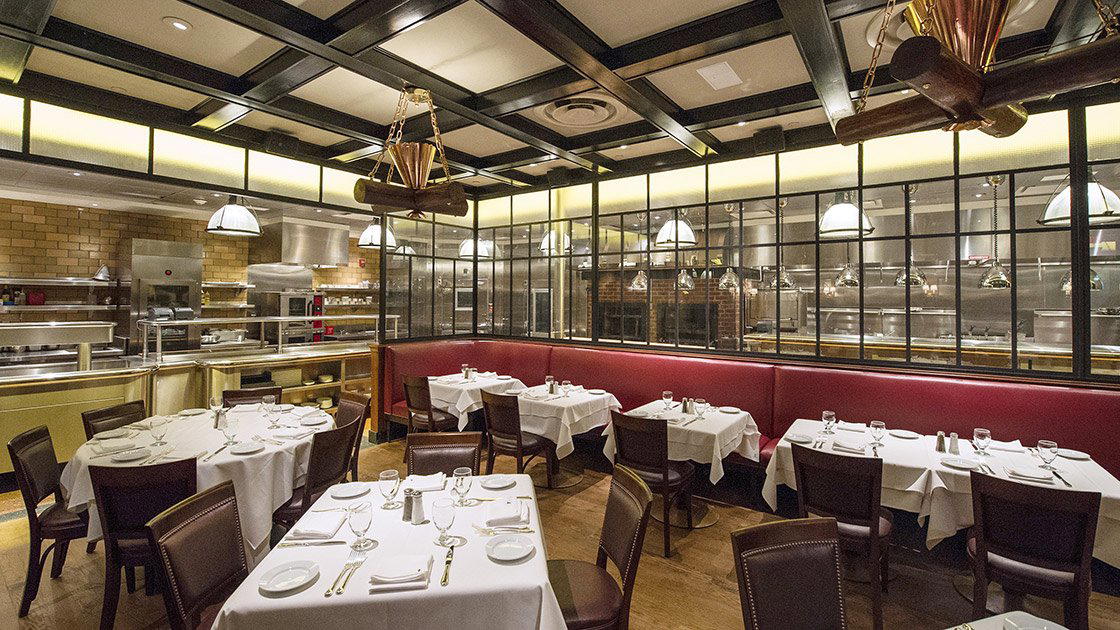
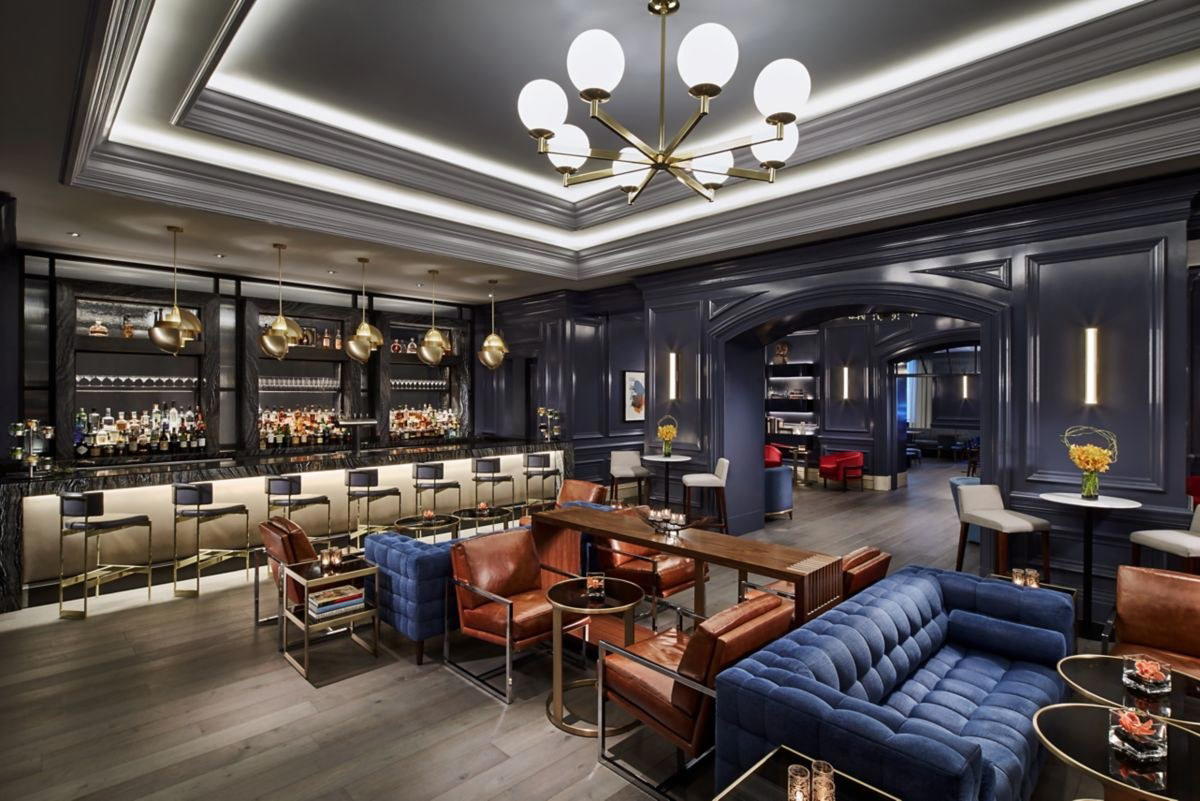
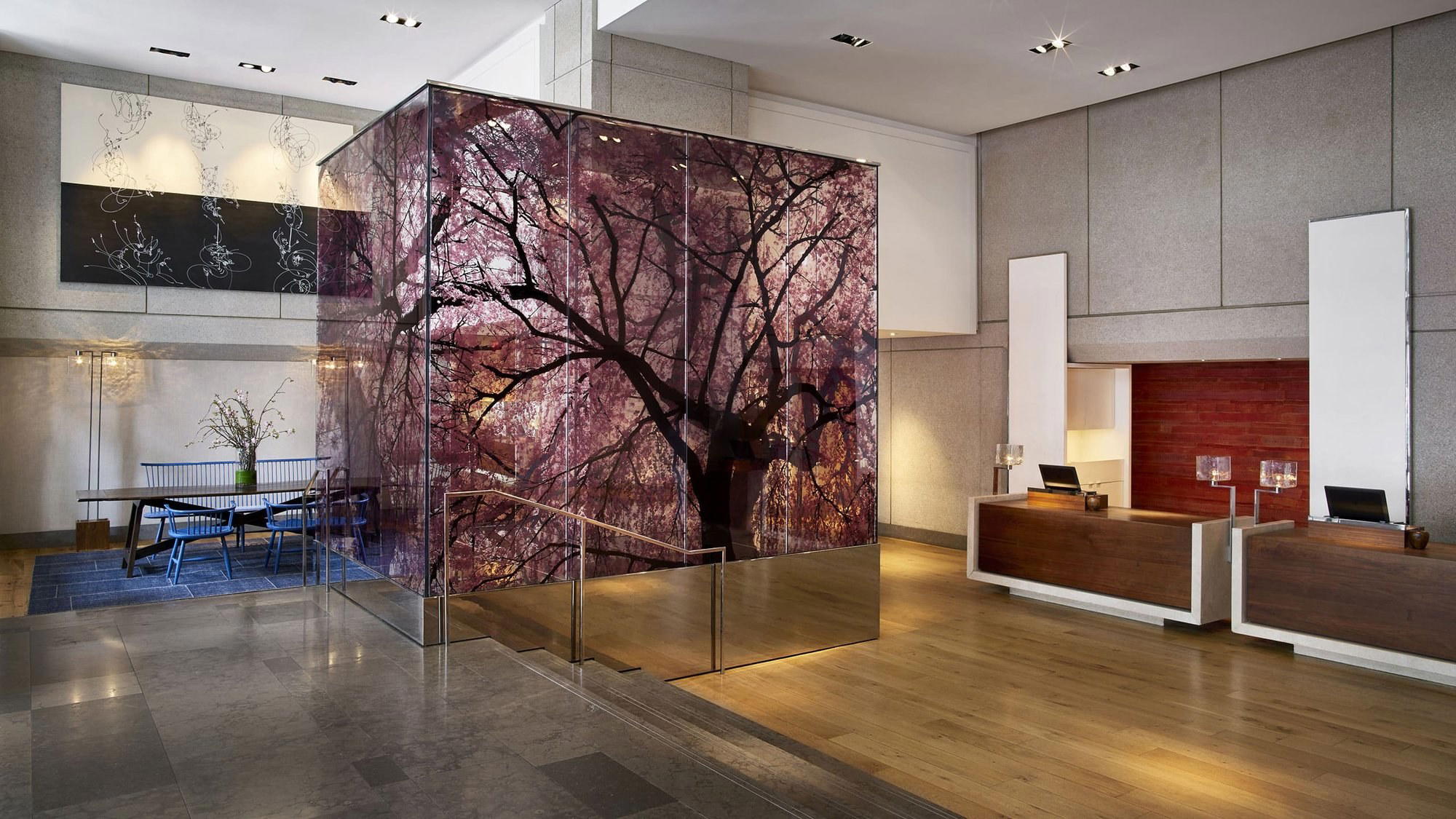
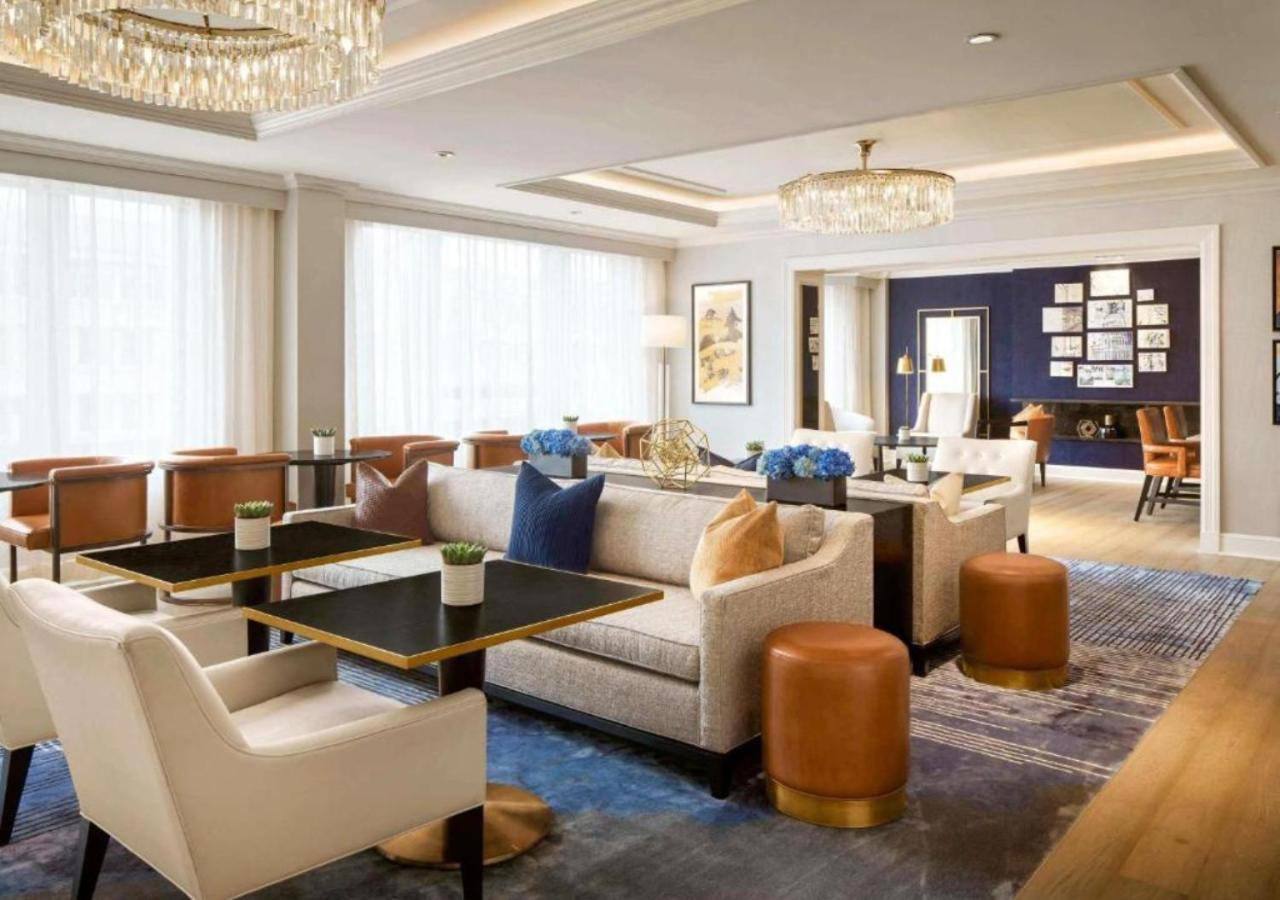
The dining room itself reads as composed rather than austere: warm tones, considered lighting, a level of finish that signals premium without demanding attention. In a city where fine dining has increasingly split between maximalist tasting-menu theatre and stripped-back counter formats, the West End location occupies a quieter register. It is a room designed for conversation, for the kind of meal where you notice the food rather than the décor doing the work. That restraint, in the context of D.C.'s current dining scene, is itself a positioning choice.
Indian Fine Dining in D.C.: Where Rasika West End Sits
Contemporary Indian fine dining in American cities has followed a particular arc over the past two decades. Early iterations leaned on a familiar vocabulary of tandoor and curry, served in rooms that signalled formality through tablecloths and long wine lists. More recent entrants, particularly in New York and Chicago, have pushed toward tasting-menu formats and hyper-regional specificity. Washington's version of this story runs through Rasika, which established the template for what upscale Indian cooking could look like in the American capital before the category had much of a foothold.
The West End address extends that project into a different part of the city, with a clientele that skews toward diplomatic and legal professionals rather than the Penn Quarter crowd of tourists and government workers. That distinction matters for understanding what the room asks of its kitchen: not novelty, but precision. The regulars here are not coming for the surprise of discovering Indian fine dining for the first time. They are returning because the standard holds.
Within D.C.'s broader fine-dining tier, Rasika West End sits alongside venues like Albi, which applies a similar level of ambition to Middle Eastern cooking, and Causa, which does the same for Peruvian cuisine. All three occupy a price point and format that places them in conversation with the city's more established tasting-menu rooms, even when they don't follow that format themselves. For a full map of where these fit, see our full Washington, D.C. restaurants guide.
What Regulars Actually Return For
The loyalty of a repeat clientele is one of the more reliable signals in restaurant criticism, and it tends to attach to specific things rather than general impressions. At Rasika West End, the pattern that emerges from the restaurant's long-standing reputation is one built on the kitchen's handling of spice as structure rather than spectacle. Indian cooking at this level is not about heat applied broadly; it is about the sequencing of flavour, the point at which tamarind sharpness gives way to something more aromatic, the way a black cod preparation can translate the logic of a miso-glazed fish into a spice-and-marinade idiom that reads as entirely its own thing.
That kind of cooking rewards familiarity. A first visit establishes a baseline; subsequent visits are where the depth becomes apparent. This is a different proposition from the destination tasting-menu rooms that populate the upper tier of American fine dining, venues like Jônt in D.C. or minibar nearby, where the experience is designed to be unrepeatable. Rasika West End's value proposition runs the other direction: it is the place you bring the same people twice, and the second meal is the better one.
The wine and cocktail programming at restaurants in this tier also tends to reveal something about their ambitions. A kitchen willing to invest in a drinks list that takes Indian spice pairings seriously is signalling that the experience is meant to extend beyond the food itself. In D.C.
How It Compares Beyond D.C.
The broader American fine-dining reference points for Rasika West End are not obvious from the outside. The natural comparisons are not with tasting-menu rooms like Alinea in Chicago or The French Laundry in Napa, where the format and the price point both announce themselves immediately, but with restaurants that have built lasting reputations on cuisine categories that the American market once treated as peripheral to fine dining. Le Bernardin in New York City did this for seafood-focused French cooking; Providence in Los Angeles did it for Pacific seafood. Rasika's contribution, across both its D.C. locations, has been to establish that Indian cooking belongs in the same conversation, with the West End address reinforcing that argument in a part of the city that does not need novelty to fill seats.
For a sense of how other ambitious non-European cuisines have navigated this terrain in different cities, Atomix in New York City is the clearest parallel for Korean fine dining, while 8 1/2 Otto e Mezzo Bombana in Hong Kong traces a different path for Italian cooking outside its home market. The comparison is structural, not culinary: each of these restaurants made a case for a cuisine's capacity for formal fine-dining treatment, and built a loyal audience in doing so.
D.C.'s own fine-dining map has grown considerably more varied in recent years. Oyster Oyster has staked out a sustainable New American position at a lower price point, while The Inn at Little Washington remains the regional anchor for classical American fine dining at its most formal. Rasika West End occupies a different quadrant: premium, cuisine-specific, and sustained by the kind of institutional loyalty that is harder to build than a Michelin star and, in practice, more durable.
Know Before You Go
- Address: 1190 New Hampshire Ave NW, Washington, DC 20037
- Neighbourhood: West End, D.C. (quieter, more residential than Penn Quarter)
- Booking: Reservations recommended; the restaurant draws a loyal repeat clientele and tables fill on weekday evenings as well as weekends
- Leading approach: Arrive by taxi or rideshare; street parking in the West End is limited and the walk from Foggy Bottom Metro (Blue/Orange/Silver lines) is manageable
- Format: À la carte; suited to groups who want to cover ground across multiple dishes rather than commit to a fixed tasting sequence
- Dress: Smart casual is the norm; the room and clientele lean professional without requiring formal dress
Frequently asked questions
What should I order at Rasika West End?
Rasika's reputation in D.C. has long been built on dishes that translate Indian spice logic into a fine-dining register, with black cod preparations and chaat-derived small plates among the most cited across the restaurant's public record. The à la carte format rewards a shared approach across the table, covering both vegetable and seafood preparations to get a full sense of the kitchen's range. Given the loyal repeat clientele, the menu items that have stayed consistent over the years are a reliable anchor.
What is the ideal way to book Rasika West End?
The West End location draws a professional and diplomatic crowd that books ahead, particularly for mid-week dinners. Reservations through the restaurant's standard booking channel are the standard approach; walk-ins are less reliable here than at higher-volume downtown venues. D.C.'s fine-dining tier, including peer restaurants at the $$$$ price level, generally books out several days in advance for prime evening slots.
What is Rasika West End known for?
Rasika West End is known for sustaining a high standard of contemporary Indian fine dining in a city that has historically had limited depth in that category. Across both its Penn Quarter and West End locations, the Rasika name carries the specific credential of having established Indian cooking as a credible presence in D.C.'s upper dining tier, a position it has held long enough to build the kind of repeat-visit loyalty that defines the West End room's character.
Can Rasika West End adjust for dietary needs?
Indian fine dining at this level typically includes a substantial vegetarian repertoire as a core part of the menu rather than an accommodation, which makes Rasika a reasonable choice for mixed groups with dietary variation. For specific dietary requirements beyond vegetarian, contacting the restaurant directly ahead of your visit is the advisable approach; the West End's professional clientele creates a room accustomed to handling such requests, but confirmation in advance is standard practice at D.C. restaurants in this tier.
Is eating at Rasika West End worth the cost?
At the $$$$ price tier in D.C. Rasika West End competes with restaurants like Albi and Causa that apply comparable ambition to different cuisines. The value case for Rasika rests on a combination of consistent execution and a cuisine category that remains less crowded at this price level in the American capital than French or New American equivalents. For first-time visitors, the comparison point is not what you'd spend at a comparable French or contemporary American room, but what you'd spend to find Indian cooking at this standard elsewhere on the East Coast.
How does Rasika West End differ from the original Rasika in Penn Quarter?
The two locations share a kitchen philosophy and ownership, but serve meaningfully different audiences. Penn Quarter draws a higher proportion of tourists, government workers, and first-time Rasika visitors; the West End address is more residential and draws a professional repeat clientele that includes a significant diplomatic contingent given the neighbourhood's proximity to embassy row. That distinction shapes the rhythm of the room: the West End location tends toward a quieter, more deliberate pace suited to the regulars who treat it as a reliable anchor rather than a destination visit. Both sit within D.C.'s established fine-dining tier alongside venues like Jônt and minibar, but operate on a different format logic than those tasting-menu rooms.
The Quick Read
Comparable venues nearby, for context on price, style, and recognition.
| Venue | Cuisine | Price | Notes |
|---|---|---|---|
| Rasika West EndThis venue — the venue you are viewing | Modern Indian | $50–100 | Not listed |
| Uchi | Modern Japanese sushi & omakase | $150–200 | Downtown D.C., Modern Japanese Omakase |
| Amazonia | Not listed | Not listed | Mount Vernon Square, Rooftop Peruvian Bar & Small Plates |
| Jardenea | Modern American Farm-to-Table | $30–50 | West End, Modern American Farm-to-Table |
| Goodlove | Caribbean-inspired Small Plates Lounge | Not listed | Downtown, Caribbean-inspired Small Plates Lounge |
| Tosca | Contemporary Northern Italian | $30–50 | East End, Contemporary Northern Italian |
Continue exploring
More in Washington DC
Restaurants in Washington DC
All restaurants in Washington DC →
Bars in Washington DC
All bars in Washington DC →


Rasika West End
The wine
- Wine program
- Deep wine list
- Extensive wine list
Details
- Elegant
- Sophisticated
- Lively
- Date Night
- Business Dinner
- Group Dining
- Special Occasion
- Open Kitchen
- Extensive Wine List
- A La Carte
- Small Plates
- Vegetarian Friendly
- Vegan Options
- Gluten Free Options
Current opening hours
- Monday
- 11:30 AM–2:30 PM, 5–10 PM
- Tuesday
- 11:30 AM–2:30 PM, 5–10 PM
- Wednesday
- 11:30 AM–2:30 PM, 5–10 PM
- Thursday
- 11:30 AM–2:30 PM, 5–10 PM
- Friday
- 11:30 AM–2:30 PM, 5–10:30 PM
- Saturday
- 4:30–10:30 PM
- Sunday
- 11:30 AM–2:30 PM, 4:30–9:30 PM
Hours can change for holidays and private events. Last verified .
Lively and good-looking atmosphere with a laid-back yet sophisticated vibe suitable for casual outings or formal dinners.