
Ramen Sora Shin chitose kuukou ten places Hokkaido ramen inside the airport rhythm of Chitose: quick, practical, and more serious than the setting suggests. Selected for Tabelog 100 - Ramen - HOKKAIDO - 2025, it gives transit diners a ramen-and-dumpling stop in the domestic terminal rather than a generic pre-flight compromise.
Pearl is the En Primeur Club membership app — saves, bookings, and concierge access live there. Same editors, same standards.
- Address
- 北海道千歳市美々987-22 新千歳空港国内線旅客ターミナルビル 3F
- Phone
- +81123456038
- Website
- tabelog.com
 Saves & bookings on Pearl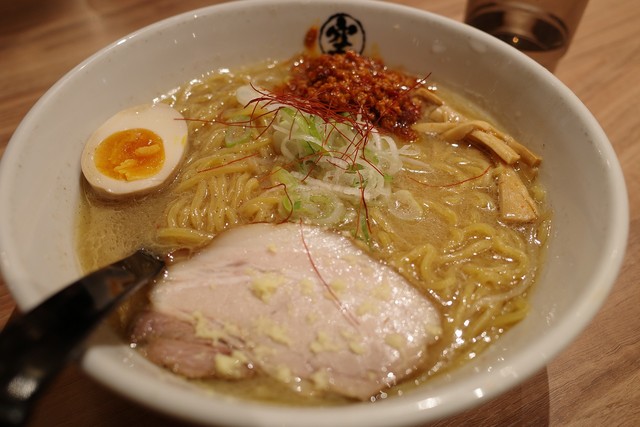
The approach is pure New Chitose Airport: rolling suitcases, departure screens, shopping bags, and the compressed appetite that comes before a flight. In that setting, ramen performs a specific Hokkaido role. It is not only a cold-weather comfort food but a regional calling card, especially in an airport where many travellers are trying to fit one last local meal between security timing and train schedules.
Ramen Sora Shin chitose kuukou ten belongs to that airport subculture: fast enough for transit, grounded enough to matter. Its selection for Tabelog 100 - Ramen - HOKKAIDO - 2025 gives it a stronger signal than the average terminal noodle counter, especially in a prefecture where ramen is treated as regional identity rather than convenience food. The format is also practical for mixed groups: ramen and dumplings, counter and table seating, a non-smoking room, and a price band that keeps the decision low-risk.
Hokkaido ramen, compressed into an airport format
Hokkaido ramen is not a single style. Sapporo has long been associated with miso, Hakodate with salt-based bowls, and Asahikawa with soy-leaning broths, while airport ramen zones tend to flatten those distinctions for travellers moving quickly. The better airport shops avoid that flattening. They keep the meal direct, hot, and regionally legible without turning lunch into a tasting-menu exercise.
This is where Ramen Sora Shin chitose kuukou ten makes sense in Chitose. The room has 43 seats, including 6 counter seats and 28 table seats, which places it between solo-airport efficiency and family-friendly airport dining. That matters in Japan, where ramen is often a fast solo meal, but New Chitose Airport functions as a final Hokkaido food hall for couples, children, and groups carrying luggage. The restaurant opened on 17 January 2015, giving it more than a decade inside a terminal environment where weak concepts rarely survive for long.
Its competitive set is unusually concentrated. Within the same airport dining ecosystem, Ajisai Shin chitose kuukou ten and Hokkaido Meibutsu Ramen Ebisoba Ichigen Shin chitose kuukou ten pull travellers toward other Hokkaido ramen associations, while Biei Senka Shin chitose kuukou ten and Hokkaido Gyunyu Castella show how the terminal turns regional produce and sweets into quick airport decisions. Ramen Sora sits in the serious-noodle lane rather than the souvenir-snack lane.
The useful test: recognition, price, and airport timing
Award lists can distort expectations when applied to airport dining. A terminal ramen shop should not be judged like a destination counter reached by taxi and planned weeks ahead. The better question is whether it performs above its logistical category. Here, the Tabelog 100 Hokkaido ramen selection is the trust signal; the price range of JPY 1,000 to JPY 1,999 keeps it within ordinary ramen economics; and the no-reservations format fits the airport, where fixed dining plans are often defeated by check-in lines and rail connections.
The result is a sensible choice for travellers who want Hokkaido ramen without leaving the airport perimeter. It also suits diners comparing one final bowl against a broader Chitose itinerary. For a wider map of the local dining field, Our full Chitose restaurants guide is the place to start; airport overnights can be matched through Our full Chitose hotels guide, while drink-led planning sits separately in Our full Chitose bars guide. Chitose is not a wine destination in the way Hokkaido’s broader agricultural regions are, but Our full Chitose wineries guide and Our full Chitose experiences guide help frame the area beyond the terminal.
The payment setup is broad for travellers: major credit cards, transportation IC cards, several electronic-money systems, and QR payments are accepted. Free Wi-Fi is listed, airport parking is available for car-rental users, and children are explicitly welcomed, including babies, preschoolers, school-age children, and strollers. Those details matter because ramen shops can be physically tight, but this airport branch is structured for a wider travel audience than a small city counter.
How it fits Japan's quick-meal culture
Japan’s airport dining is often better than its international reputation because domestic travellers expect competent regional food in transit. New Chitose takes that expectation further: dairy, seafood, sweets, and ramen all operate as compressed Hokkaido identity. A bowl here is part of that pattern. It is not a substitute for a Sapporo ramen crawl, but it is a credible airport version of the same cultural impulse: eat the region before leaving it.
That distinction helps set expectations. Diners looking for a long, chef-led meal should save their attention for another stop. Diners wanting a recognized ramen counter in Chitose, with a clear price bracket and enough seating variety for solo travellers or families, have a more direct case. The restaurant’s Tabelog score is 3.57, which in Japan’s review culture should be read conservatively rather than casually; Tabelog ratings tend to cluster lower than many Western platforms, so mid-3s can carry weight when paired with category recognition.
For readers building a broader Japan food route, the contrast is useful. A regional airport ramen shop solves a different problem from destination dining in major cities or specialized neighbourhood formats: compare it with IOrI, [Curry Senmon Ten] Maruyama Kyoju. in Sapporo, -Grilled beef Sukiyaki- KAMAKURA TANUKIAN 鎌倉 たぬき庵 in Kamakura. 鮪と炭火焼き うお炭 秋葉原店 in Tokyo.cafe in Osaka.know in Kumamoto, and (Shoku) Vietnam in Kawasaki. Across the Pacific, Jōdo Saké Bar in Los Angeles and Onigiri Time in Pasadena show how Japanese formats change when transplanted into California dining culture.
The editorial verdict is simple: this is a practical Hokkaido ramen stop with enough external recognition to justify choosing it over a generic airport meal. Use it when the itinerary leaves no time for a dedicated ramen detour, or when the final meal in Chitose needs to be quick, regional, and easy to manage with luggage.
Price Lens
Comparable venues by cuisine and price in the same metro.
| Venue | Cuisine | Price | Notes |
|---|---|---|---|
| Ramen Sora Shin chitose kuukou tenThis venue — the venue you are viewing | Not listed | $$ | Not listed |
| Sapporo Miso Ramen Senmon Ten Keyaki Shin chitose kuukou ten | Not listed | $$ | New Chitose Airport Domestic Terminal 3F (Hokkaido Ramen Dojo), Sapporo miso ramen shop |
| IOrI | Sumiyoshi, Ramen | $$ | Not listed |
| Mizushiro | Not listed | $$$ | Shikotsu Onsen Bangaichi, Traditional Japanese Kaiseki |
| 花ぶさ | 千歳市, Hokkaido Sushi | $$ | Not listed |
| Hokkaido Gyunyu Castella | Not listed | $ | New Chitose Airport, Hokkaido milk castella café |
Recognition history
Dated appearances from independent guides and award organizations, with the underlying list record or original source where available.
Tabelog 100 #76 · No. 76
Tabelog · Tabelog 100 - Ramen - HOKKAIDO - 2025
At a Glance
- Lively
- Casual
- Modern
- Solo
- Family
- Casual Hangout
- After Work
- Group Dining
- Hotel Restaurant
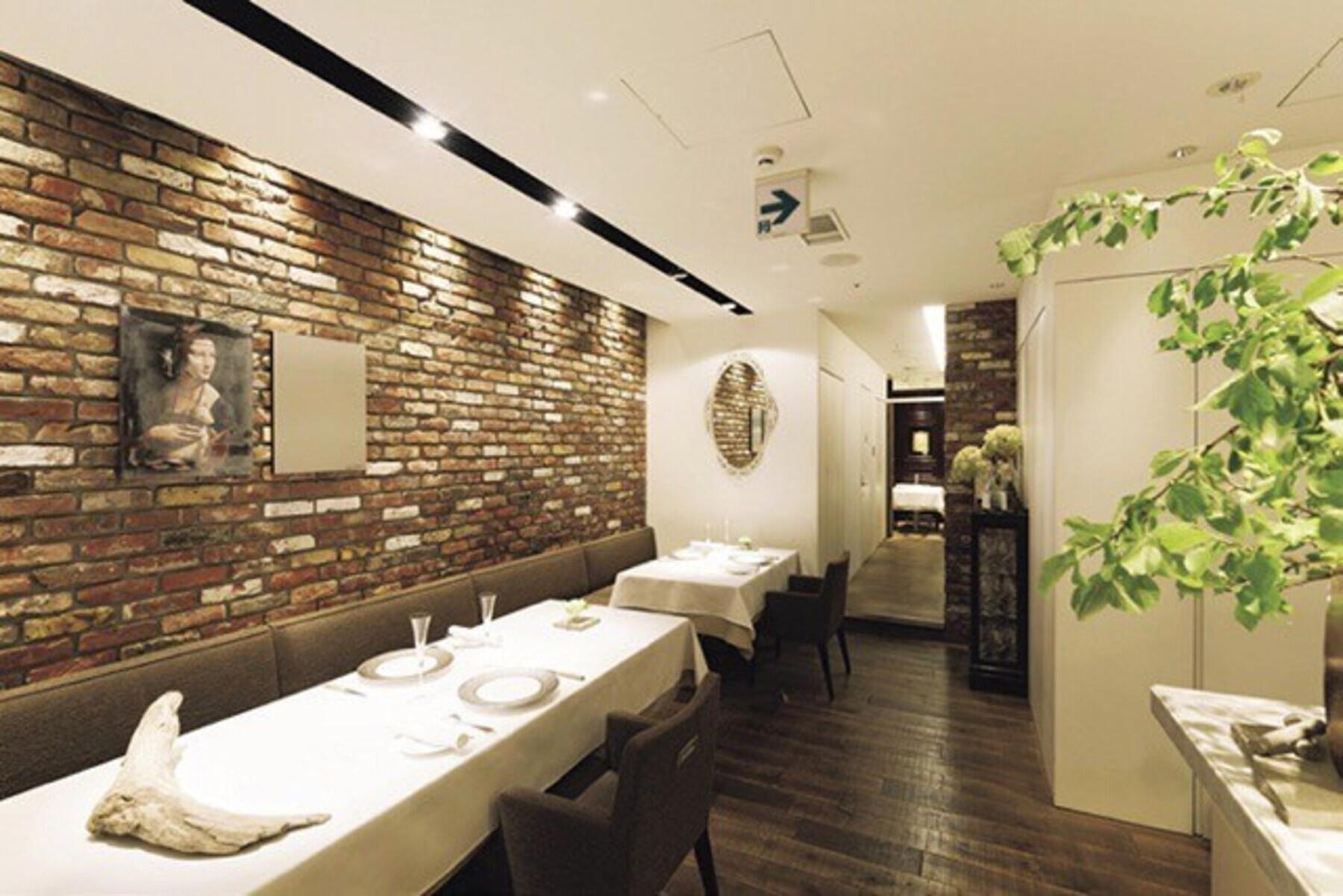
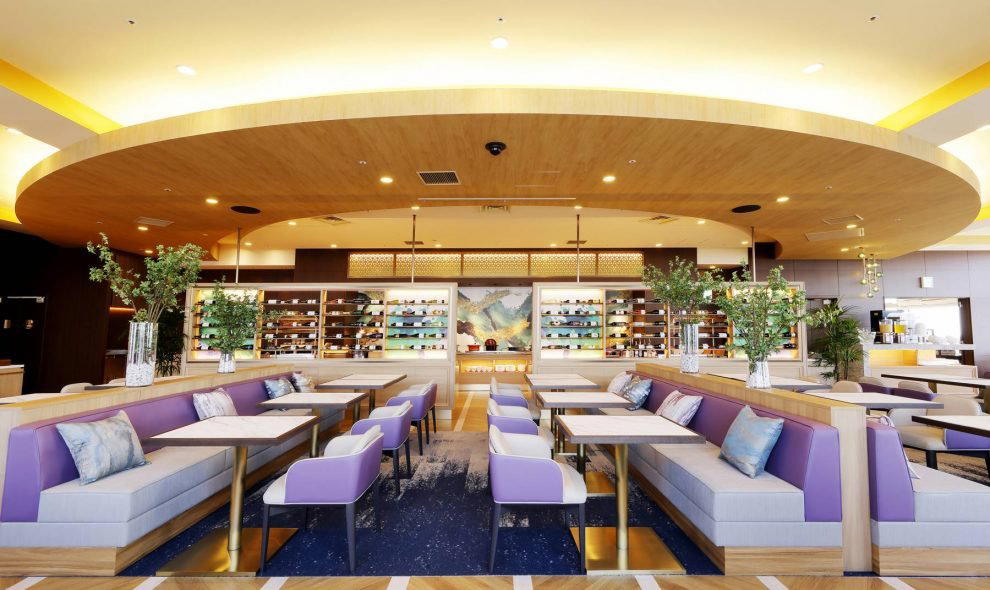
Busy, functional airport ramen shop with counter and table seating, bright lighting, and a casual atmosphere suited to travelers and families rather than lingering meals.