
Biei Senka Shin chitose kuukou ten is a take-out bread counter inside New Chitose Airport’s domestic terminal, useful for travelers who want Hokkaido produce translated into portable baking rather than another bowl of airport ramen. Its Tabelog Bread EAST “Tabelog 100” selections in 2020 and 2022 put it in a more serious bakery tier than the setting suggests.
Pearl is the En Primeur Club membership app — saves, bookings, and concierge access live there. Same editors, same standards.
- Address
- Japan, 〒066-0012 Hokkaido, Chitose, Bibi, 新千歳空港国内線ターミナル2F
- Phone
- +81 123-46-3300
- Website
- bieisenka.jp
- Directions
- Get directions
 Saves & bookings on Pearl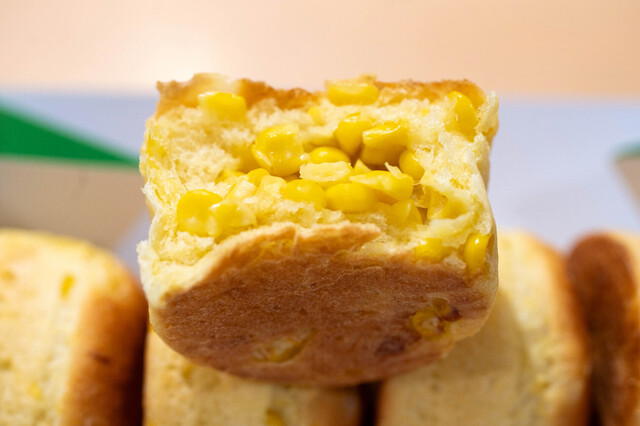
New Chitose Airport can feel less like a transit point than a compressed Hokkaido food hall: ramen steam, dairy sweets, seafood souvenirs, and bakery counters all competing before security. In that setting, bread works differently from a sit-down meal. It has to travel, survive a train ride or flight, and still say something specific about the island that produced it. Biei Senka Shin chitose kuukou ten belongs to that category of airport food that is not merely convenient, but rooted in a regional ingredient story.
Hokkaido’s food identity is often reduced to crab, miso ramen, butter, and milk desserts, yet its grain and field crops matter just as much. Biei, in central Hokkaido, has long been associated with rolling farmland and vegetable production, and that agricultural context explains why a bread counter here carries more editorial weight than its terminal location might imply. The format is take-out, but the point is sourcing: corn bread and bean bread are the draw, and the daily rhythm follows posted baking times rather than restaurant pacing.
Hokkaido field produce, translated into airport bread
Airport dining in Japan has become a serious regional showcase, especially in places where domestic travelers expect edible souvenirs to carry local specificity. New Chitose is unusually strong in that respect. A traveler can move from shrimp ramen at Hokkaido Meibutsu Ramen Ebisoba Ichigen Shin chitose kuukou ten to salt ramen at Ajisai Shin chitose kuukou ten, then pivot to dairy-focused cake at Hokkaido Gyunyu Castella. Bread sits between meal and omiyage, which is why this counter makes sense in the domestic terminal rather than as a quiet neighborhood bakery.
The Tabelog Bread EAST “Tabelog 100” selections in 2020 and 2022 are useful signals because they place the counter in a category judged beyond airport convenience. Tabelog’s bread lists tend to reward bakeries that inspire repeat local attention, not just captive-audience sales. A 3.62 Tabelog score also gives the selection some context: this is a modestly priced, high-throughput take-out operation, not a tasting-menu environment trying to behave like fine dining.
The tighter comparison is not with Chitose’s ramen counters, but with the way Hokkaido turns primary produce into travel-ready food. Corn and beans are direct, legible ingredients; they do not require a chef biography or elaborate menu language to make their point. That matters in an airport, where the reader’s decision is usually practical: what can be bought quickly, carried cleanly, and shared later without losing its sense of place.
First-come baking, purchase limits, and the airport queue economy
Operating logic is closer to a bakery drop than a restaurant reservation. Reservations and layaways are not offered, sales are first come, first served, and each person is limited to two boxes of corn buns and bean buns combined per day. Scheduled baking times are posted at the counter, which means timing has more value than charm. In a terminal full of constant choice, scarcity here is managed by batch and limit rather than by table allocation.
That system also changes how to read the price point. At JPY 1,000 to JPY 1,999, the counter sits above the sub-1,000 yen snack tier occupied by several airport quick-service options, but below the cost and time commitment of a full meal. Compared with ramen counters in the same airport ecosystem, the value is portability. Compared with confectionery counters, the value is a stronger savory-produce identity, even when the purchase is destined for home or a hotel room rather than immediate eating.
The setting is functional by design: domestic terminal, take-out service, no private rooms, no private use, non-smoking, and built for families moving through the airport with luggage and children. That is not a flaw. Hokkaido’s airport food culture is strongest when it accepts the constraints of transit instead of pretending to be a restaurant district. The better question is not whether the room has atmosphere, but whether the product earns space in a carry-on.
Where it fits in a Chitose food plan
Chitose dining splits between airport concentration and destination meals outside the terminal. For a quick regional meal, the airport’s ramen cluster remains efficient; for a more deliberate local reservation, names such as IOrI and Kita no Hana Hayashi pull the decision away from pure transit eating. Biei Senka Shin chitose kuukou ten works in a different slot: before a flight, after a train arrival, or as a food souvenir when a sit-down meal is no longer realistic.
For broader planning, Our full Chitose restaurants guide gives the useful dining frame, while Our full Chitose hotels guide, Our full Chitose bars guide, Our full Chitose wineries guide, and Our full Chitose experiences guide map the rest of the city’s travel decisions. Readers building a wider Japan food itinerary can compare how local formats translate across regions, from [Curry Senmon Ten] Maruyama Kyoju. in Sapporo to -Grilled beef Sukiyaki- KAMAKURA TANUKIAN 鎌倉 たぬき庵 in Kamakura. 鮪と炭火焼き うお炭 秋葉原店 in Tokyo.cafe in Osaka.know in Kumamoto, and (Shoku) Vietnam in Kawasaki. Across the Pacific, Jōdo Saké Bar in Los Angeles and Onigiri Time in Pasadena show a different version of the same question: how far can a compact format carry a regional food idea?
The editorial case is clear. This is not where to linger over a long meal; it is where Hokkaido’s agricultural identity enters the travel day in a disciplined, portable form. The award history supports taking the counter seriously, and the purchase rules make the planning simple: arrive with enough time, check the baking schedule, and treat availability as part of the format.
Side-by-Side Snapshot
Comparable venues by cuisine and price in the same metro.
| Venue | Cuisine | Price | Notes |
|---|---|---|---|
| Biei Senka Shin chitose kuukou ten | Japanese Bakery / Local Produce Shop | $ | New Chitose Airport |
| ROYCE' Shin chitose kuukou ten | Chocolate & Western-style sweets shop | $ | .null |
| Milk & Parfait Yotsuba White Koji Shin chitose kuukou ten | Hokkaido dairy soft-serve & parfait café | $ | New Chitose Airport Domestic Terminal |
| Ajisai Shin chitose kuukou ten | Hakodate Shio Ramen | $ | New Chitose Airport |
| Ramen Sora Shin chitose kuukou ten | Hokkaido Ramen & Dumplings | $$ | New Chitose Airport |
| 北のうまいもん碧水 | 北海道ローカルフード | $$ | 支笏湖温泉 |
Recognition history
Dated appearances from independent guides and award organizations, with the underlying list record or original source where available.
Tabelog 100 #72 · No. 72
Tabelog · Tabelog 100 - Bread - EAST - 2022
Continue exploring
More in Chitose
Restaurants in Chitose
Browse all →


At a Glance
- Modern
- Scenic
- Solo
- Family
- Casual Hangout
- Standalone
- Zero Proof
- Local Sourcing
Current opening hours
- Monday
- 8 AM–7 PM
- Tuesday
- 8 AM–7 PM
- Wednesday
- 8 AM–7 PM
- Thursday
- 8 AM–7 PM
- Friday
- 8 AM–7 PM
- Saturday
- 8 AM–7 PM
- Sunday
- 8 AM–7 PM
Hours can change for holidays and private events. Last verified .
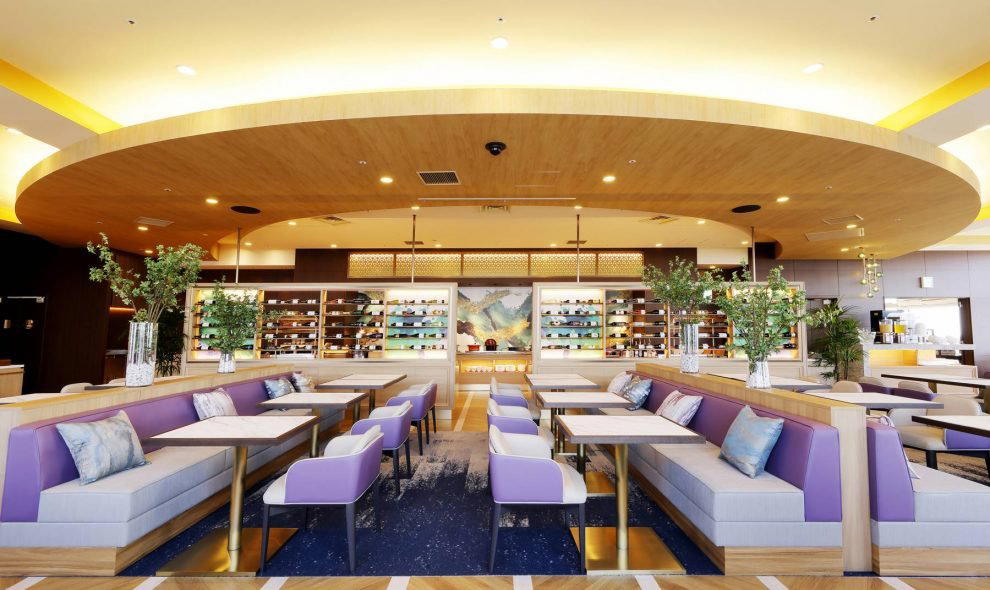
A bright, practical airport retail-bakery setting focused on grab-and-go local specialties rather than full-service dining.