
Hokkaido Gyunyu Castella belongs to New Chitose Airport’s stronger food culture: a Hokkaido dairy-led sweet counter rather than a generic terminal snack stop. Its Tabelog 100 selection for Japanese traditional sweets and Japanese sweets cafes in EAST 2023 gives it a credentialed place in a category where ingredient origin matters as much as convenience.
Pearl is the En Primeur Club membership app — saves, bookings, and concierge access live there. Same editors, same standards.
- Address
- Japan, 〒066-0012 Hokkaido, Chitose, Bibi, 987-22 New Chitose Airport Terminal, 3階
- Phone
- +81 123-46-2205
- Website
- h-castella.jp
- Directions
- Get directions
 Saves & bookings on Pearl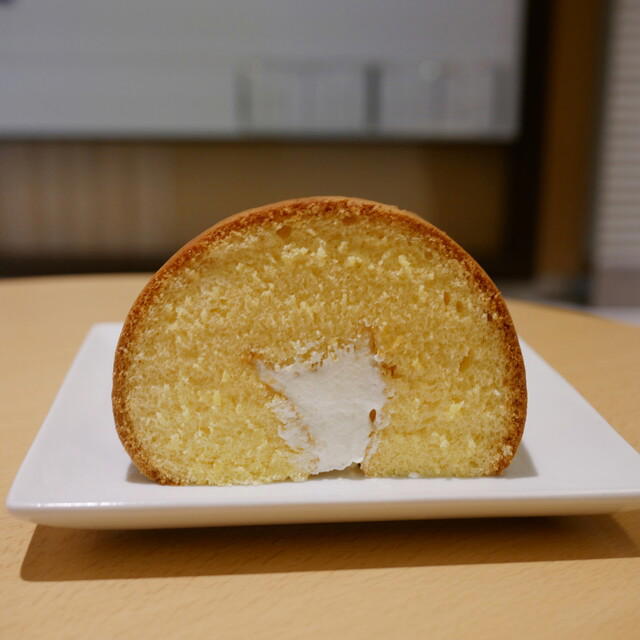
New Chitose Airport is not a neutral transit shell. Its food floors behave more like a compact Hokkaido pantry, with ramen counters, dairy sweets, produce-led shops, and takeaway counters compressed into the rhythm of departures. Hokkaido Gyunyu Castella sits inside that airport logic: quick enough for a passenger, specific enough to belong to the island’s milk-and-sweets identity.
The useful way to read the counter is through sourcing culture rather than spectacle. Hokkaido has built a national reputation around dairy, wheat, corn, potatoes, and cold-climate produce, and its airport food retail reflects that economy with unusual clarity. Castella, originally a sponge cake with Portuguese roots and a long Japanese afterlife, becomes a regional product here through the milk story. That matters because airport sweets in Japan often work as edible proof of place: the object has to travel, hold its shape, and communicate locality before the buyer reaches the gate.
Hokkaido dairy gives the castella counter its reason to exist
Japanese sweet counters tend to fall into two camps: heritage formats tied to tea culture, and regional souvenir formats built for travel. Hokkaido Gyunyu Castella belongs to the second camp, but with a stronger ingredient argument than many terminal sweets. The name itself foregrounds Hokkaido milk, placing the shop in the same regional conversation as soft-serve, parfaits, butter cookies, and dairy confectionery across the airport.
That distinction is useful for travelers comparing New Chitose’s food options. Hokkaido Meibutsu Ramen Ebisoba Ichigen Shin chitose kuukou ten and Ajisai Shin chitose kuukou ten speak to the airport’s ramen function, while Biei Senka Shin chitose kuukou ten points toward the produce-and-gift side of the terminal. A castella counter sits between those modes: less of a meal, more than a packaged souvenir, and firmly aligned with Hokkaido’s dairy economy.
The recognition is not incidental. Selection for Tabelog 100 Japanese traditional sweets and Japanese sweets cafe EAST 2023 places it in a national sweets conversation rather than only a terminal convenience category. Tabelog’s user-driven ecosystem is not the same kind of signal as Michelin or a restaurant guide inspection, but in Japan it carries weight for casual specialists, particularly in categories such as wagashi, ramen, curry, and sweets cafes where local volume and repeat attention matter.
A compact airport format, not a destination dining room
The room is scaled for movement. The format is listed as castella and cafe, with take-out service, counter seating, and a small seating count. That combination tells experienced Japan travelers what to expect: a short stop, a focused purchase, and a product designed to be eaten nearby or carried onward. It is not trying to compete with a counter sushi room in Sapporo or a slow dessert salon in Tokyo. Its strength is precision of role.
That role also explains why the airport setting is not a compromise. New Chitose has long treated food retail as part of Hokkaido’s tourism infrastructure, not an afterthought. For many passengers, the last taste of the island happens after security planning begins, and sweets counters have to meet a practical test: legible provenance, portable form, and enough local specificity to justify carrying it onto a flight.
Hokkaido Gyunyu Castella is strongest when judged against that standard. The category is narrow, the service format is fast, and the price tier sits in the everyday-sweets bracket rather than the luxury pâtisserie bracket. In Chitose, that makes it an efficient choice for a dairy-led sweet stop rather than a place to structure an evening around.
How it fits a Chitose food itinerary
Chitose dining is shaped by the airport more than many visitors expect. The city’s strongest food map includes terminal branches, quick regional specialists, and a few local counters outside the departure flow. For a broader read on the area, Our full Chitose restaurants guide gives the restaurant context, while Our full Chitose hotels guide, Our full Chitose bars guide, Our full Chitose wineries guide, and Our full Chitose experiences guide help separate a transit stop from a longer Hokkaido plan.
Within the terminal, the decision is mostly about appetite and timing. Ramen answers the pre-flight meal question; dairy sweets answer the lighter regional-snack question. That is why comparisons with IOrI or Kita no Hana Hayashi should be made carefully: those addresses occupy different dining occasions. The castella counter is about a controlled, place-specific sweet rather than a full restaurant arc.
For travelers building a wider Japan sweets-and-casual-dining map, the useful comparison is format discipline. A focused regional counter in Chitose has more in common with narrow specialists such as [Curry Senmon Ten] Maruyama Kyoju. in Sapporo, Onigiri Time in Pasadena, or Jōdo Saké Bar in Los Angeles than with broad, all-purpose dining rooms. The point is not sameness of cuisine; it is the confidence of a limited brief.
That same lens separates it from unrelated destination formats, whether -Grilled beef Sukiyaki- KAMAKURA TANUKIAN 鎌倉 たぬき庵 in Kamakura. 鮪と炭火焼き うお炭 秋葉原店 in Tokyo.cafe in Osaka.know in Kumamoto, or (Shoku) Vietnam in Kawasaki. Those names belong to different city rhythms. In Chitose, the sharper editorial question is simpler: does the stop express Hokkaido clearly in a short airport window? Here, the answer is yes, especially for travelers who want the island’s dairy culture in a portable form rather than another sit-down bowl before boarding.
Comparison Snapshot
Nearby venues at a similar price tier for orientation.
| Venue | Cuisine | Price | Notes |
|---|---|---|---|
| Hokkaido Gyunyu Castella | Hokkaido milk castella café | $ | New Chitose Airport |
| Hokkaido Meibutsu Ramen Ebisoba Ichigen Shin chitose kuukou ten | Hokkaido shrimp-based ramen | $ | New Chitose Airport |
| Ajisai Shin chitose kuukou ten | Hakodate Shio Ramen | $ | New Chitose Airport |
| 花ぶさ | Hokkaido Sushi | $$ | 千歳市 |
| Sapporo Miso Ramen Senmon Ten Keyaki Shin chitose kuukou ten | Sapporo miso ramen shop | $$ | New Chitose Airport Domestic Terminal 3F (Hokkaido Ramen Dojo) |
| Ramen Sora Shin chitose kuukou ten | Hokkaido Ramen & Dumplings | $$ | New Chitose Airport |
Recognition history
Dated appearances from independent guides and award organizations, with the underlying list record or original source where available.
Tabelog 100 #31 · No. 31
Tabelog · Tabelog 100 - Japanese traditional sweets / Japanese sweets cafe - EAST - 2023
Continue exploring
More in Chitose
Restaurants in Chitose
Browse all →

At a Glance
- Cozy
- Quiet
- Classic
- Solo
- Family
- Casual Hangout
- After Work
- Standalone
- Local Sourcing
Current opening hours
- Monday
- 9 AM–8 PM
- Tuesday
- 9 AM–8 PM
- Wednesday
- 9 AM–8 PM
- Thursday
- 9 AM–8 PM
- Friday
- 9 AM–8 PM
- Saturday
- 9 AM–8 PM
- Sunday
- 9 AM–8 PM
Hours can change for holidays and private events. Last verified .
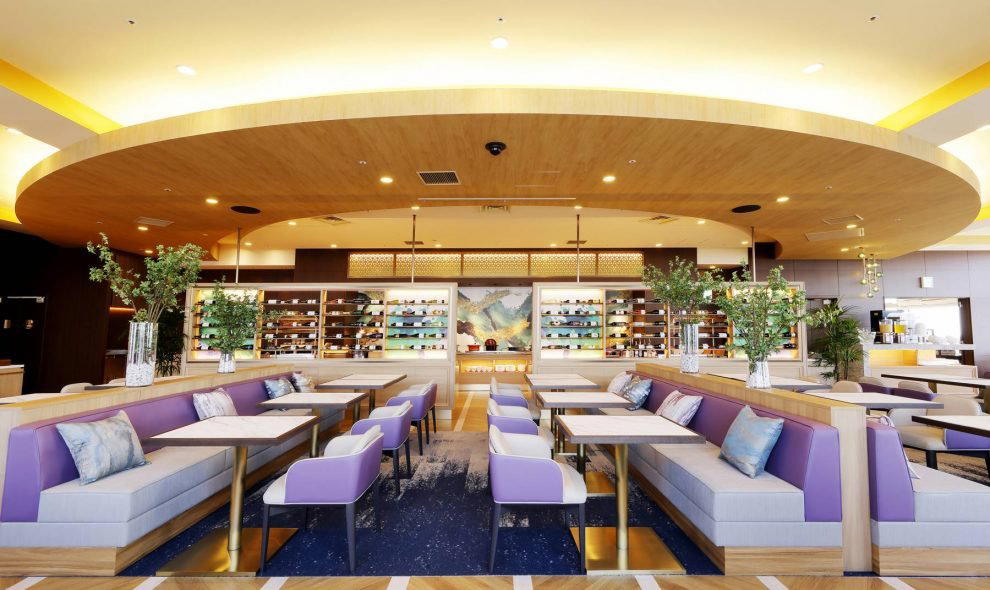
Bright and simple airport café with a small salon space, counter displays of castella cakes and sweets, and a relaxed, low-key atmosphere suited to a quiet break between flights.