
Ramen Shop Ushiku kessoku ten belongs to the practical, ingredient-led side of Japan’s ramen culture: low-cost bowls, tsukemen alongside ramen, and a room built for turnover rather than ceremony. Its selection for Tabelog Ramen EAST “Tabelog 100” in 2024 and 2025 gives it weight beyond Ushiku, especially for travelers tracing serious ramen outside Tokyo’s usual circuits.
Pearl is the En Primeur Club membership app — saves, bookings, and concierge access live there. Same editors, same standards.
- Address
- 504-1 Kessokucho, Ushiku, Ibaraki 300-1212, Japan
- Phone
- +81 29-874-1499
- Website
- instagram.com
 Saves & bookings on Pearl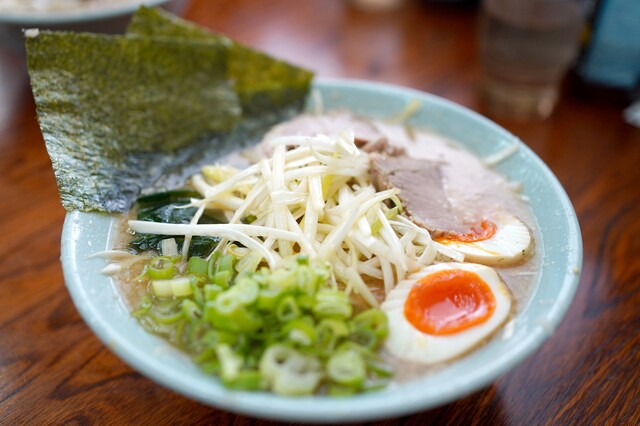
Approaching a suburban ramen counter in Ibaraki differs from entering a polished Tokyo noodle room. The mood is utilitarian: counter seats, raised tables, families, friends, and a shop rhythm built around bowls arriving fast and eaten while the broth is hot. Ramen Shop Ushiku kessoku ten belongs to that tradition, where value comes not from ceremony but repetition, sourcing discipline, and the small calibrations that separate a destination ramen shop from a convenient local stop.
Japan’s ramen culture rewards specialisation and accessibility. Its serious end has never belonged only to chef-led tasting-menu logic; it can sit in modest rooms, cash-first habits, and menus priced for regular use. That is why selection for Tabelog Ramen EAST “Tabelog 100” in both 2024 and 2025 matters in Ushiku. The recognition places the shop in a wider eastern Japan conversation without changing the grammar of the experience: ramen, tsukemen, counter seating, and an audience including children as well as noodle obsessives.
Ramen and tsukemen in a region where sourcing has to carry the argument
The point is not novelty. Ramen in Japan is controlled extraction: stock, tare, fat, noodles, toppings, and timing. Ingredient sourcing matters because small differences register quickly in a bowl served without luxury-service cover. Broth can lean on pork, chicken, seafood, vegetables, or layered combinations; noodles can be built for soup absorption or dipping strength; tare can push salt, soy, or miso forward. Even without a published chef narrative or named signature dish, serving both ramen and tsukemen places the shop inside a format where texture and concentration matter as much as heat and speed.
Tsukemen changes the equation. Dipping noodles usually need a more assertive sauce and firmer noodle structure, while ramen asks the kitchen to balance soup, noodle, and topping in one bowl before texture shifts. Running both formats well requires attention to ingredient behavior, not just flavor. Suburban ramen can be quietly demanding: the diner may spend little, but the margin for error is narrow.
Ushiku is not Tokyo, and that matters. Outside the capital’s dense rail-linked ramen districts, destination status must be earned with fewer walk-in tourists and more regional repeat custom. Selection for Tabelog’s eastern Japan ramen list suggests the shop has moved beyond neighbourhood convenience into ramen worth routing for, especially for travelers using Ibaraki as more than a pass-through prefecture.
A casual room with serious signals, not fine-dining theatre
The format is direct: 28 seats, with 16 at the counter and three raised tables. That split says much about the room. Counter seating preserves ramen-shop pace, while raised tables and stated family suitability make the experience less rigid than tiny urban counters dominated by solo diners. The shop is non-smoking inside, wheelchair accessible, and set up for families with babies, preschoolers, school-age children, and strollers, useful context in a category often written about as if every serious bowl requires adult-only endurance.
The recognition signal is specific. Tabelog’s Hyakumeiten selections are not Michelin stars and should not be read as luxury awards; they are list-based markers inside Japanese dining culture, comparing genre specialists within categories. For ramen, that framework is useful because it captures shops that may be inexpensive, casual, and operationally plain while still drawing knowledgeable diners. Ramen Shop Ushiku kessoku ten’s 2025 listing in the EAST ramen category, after its 2024 selection, gives a continuity signal rather than a one-season spike.
Against out-of-metro comparison points, the price tier tells a story. Ramen Kinoko and Tsukuba Ramen Onimonogatari sit in the JPY 1,000 to JPY 1,999 range, while the Ushiku shop’s listed average price is below JPY 999. Nonna Nietta, an Italian and pasta address in the far higher JPY 10,000 to JPY 14,999 bracket, is a different dining decision entirely. The relevant comparison is not fine dining versus ramen; it is how much credibility a low-cost ramen counter can build through execution, recognition, and repeatability.
How to fit it into an Ushiku food day
For travelers, the appeal is strongest when Ushiku becomes a regional food stop rather than a detour for a single plate. The shop is tied to the JR Joban Line orbit, with Ushiku Station nearest and local transit options extending beyond the rail exit. Parking is available, important in Ibaraki, where car-based dining is often more practical than station-to-station eating. Reservations are unavailable, so the decision is less about securing a table than choosing a time and accepting the ramen-shop tempo.
Payment is part of the culture: cards, electronic money, and QR code payments are not accepted. That is common enough among local Japanese ramen shops to shape visitor planning. The casual character is reinforced by the absence of private rooms and private-use format. This is not where to stage a formal meal, and that is the point. The value lies in a recognized ramen and tsukemen specialist operating with the everyday mechanics of the genre.
Readers building a broader itinerary can start with Our full Ushiku restaurants guide, then widen the day through Our full Ushiku hotels guide, Our full Ushiku bars guide, Our full Ushiku wineries guide, and Our full Ushiku experiences guide. For broader Japan dining research, compare how casual formats and regional price tiers shift at -Grilled beef Sukiyaki- KAMAKURA TANUKIAN 鎌倉 たぬき庵 in Kamakura, . 鮪と炭火焼き うお炭 秋葉原店 in Tokyo, .cafe in Osaka, .know in Kumamoto, (Shoku) Vietnam in Kawasaki, [Curry Senmon Ten] Maruyama Kyoju. in Sapporo, [ki:] in Kyoto, #肉といえば松田 奈良本店 in Kashihara, 1/3 HAMBURGER FACTORY in Kanazawa, 1000 in Yokohama, 1000mヒュッテ 1000m Hut in Kutchan, Jōdo Saké Bar in Los Angeles, and Onigiri Time in Pasadena.
The verdict is simple: this is a casual ramen and tsukemen address with enough recognition to justify attention beyond local convenience. Its interest lies in the tension between low price, everyday service mechanics, and the ingredient-led consistency ramen culture judges bowl by bowl.
A Quick Peer Check
Comparable venues by cuisine and price in the same metro.
| Venue | Cuisine | Price | Notes |
|---|---|---|---|
| Ramen Shop Ushiku kessoku tenThis venue — the venue you are viewing | Classic Japanese Ramen Shop | $ | Not listed |
| Suzaki Foods Shop | Sanuki Udon | $ | Takasecho, Mitoyo City |
| 屋宜家 | Traditional Okinawan Soba | $ | 八重瀬町大頓 |
| Okonomiyaki Chotto Yonnai | Hiroshima-Style Okonomiyaki | $ | Tomo |
| Sakuma Ice Cream Kobo | Ice Cream & Gelato | $ | Takifudo |
| Kanmi Dokoro Kaede | Japanese sweets cafe (wagashi & kakigori) | $ | Nishi Chiba |
Recognition history
Dated appearances from independent guides and award organizations, with the underlying list record or original source where available.
Tabelog 100 #91 · No. 91
Tabelog · Tabelog 100 - Ramen - EAST - 2025







At a Glance
- Lively
- Cozy
- Solo
- Casual Hangout
- Family
- Group Dining
- Late Night
- Standalone
- Beer Program
Current opening hours
- Monday
- 10:40 AM–11:15 PM
- Tuesday
- 10:40 AM–11:15 PM
- Wednesday
- 10:40 AM–11:15 PM
- Thursday
- 10:40 AM–11:15 PM
- Friday
- 10:40 AM–11:15 PM
- Saturday
- 10:40 AM–11:15 PM
- Sunday
- 10:40 AM–11:15 PM
Hours can change for holidays and private events. Last verified .