
Ramen Sakurajima Honten sits in Sapporo’s Nishino area with Tabelog 100 Ramen HOKKAIDO 2025 recognition, a compact 20-seat format, and a low everyday price band. Its appeal is less about luxury signalling than about Hokkaido’s demanding ramen culture: accessible, local, and judged against a deep field of specialist shops.
Pearl is the En Primeur Club membership app — saves, bookings, and concierge access live there. Same editors, same standards.
- Address
- 北海道札幌市西区西野四条3丁目1-38
- Phone
- +81116671321
- Website
- tabelog.com
 Saves & bookings on Pearl
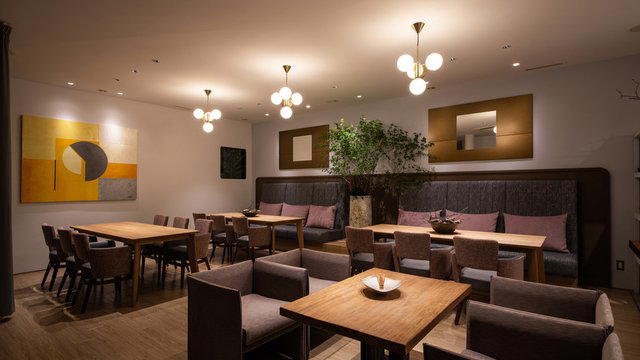
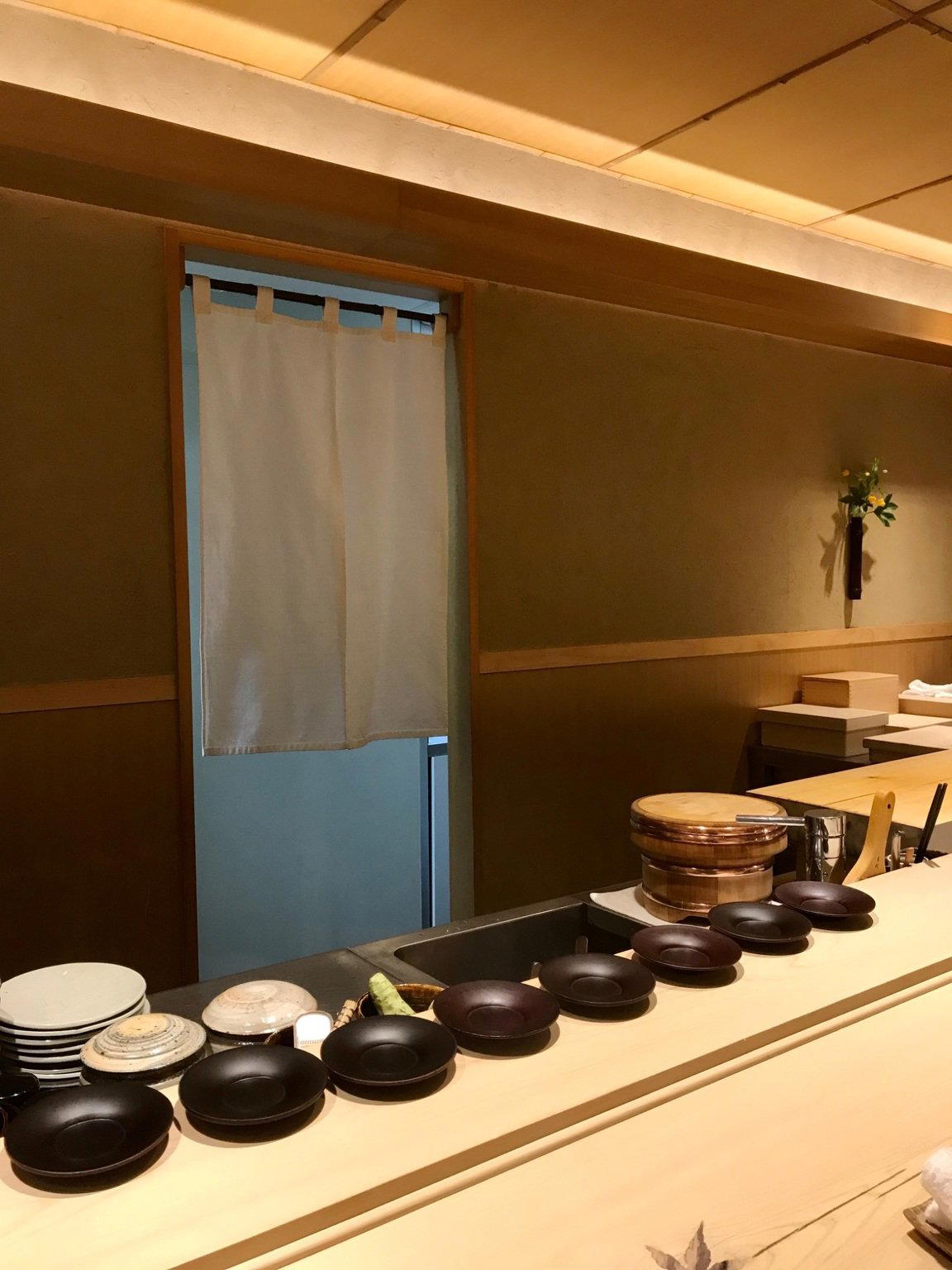
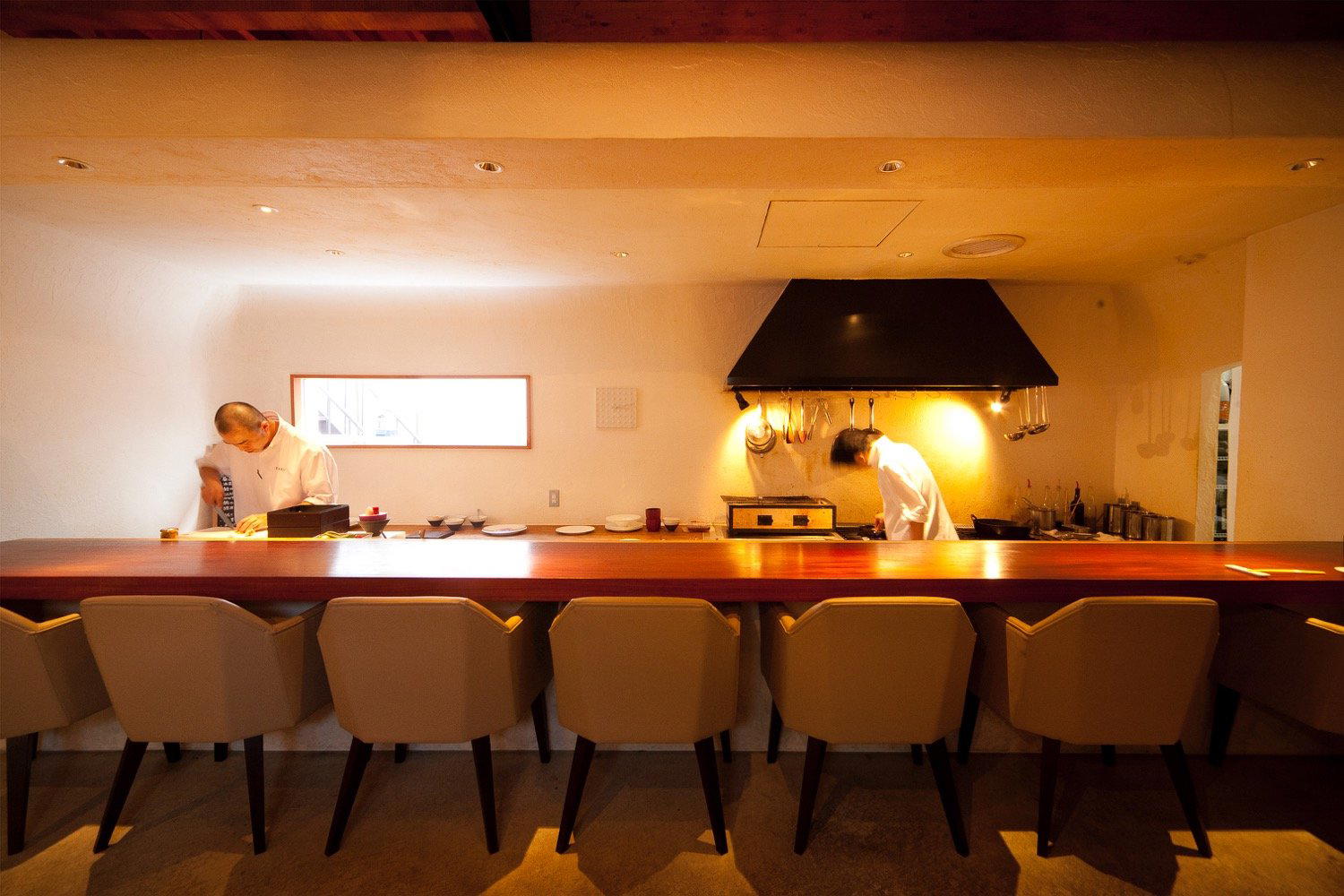
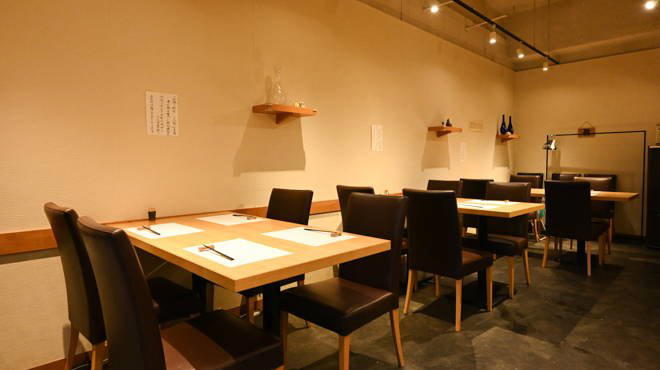
The approach to a Sapporo ramen shop is rarely theatrical. The city’s serious bowls tend to announce themselves through practical cues: a compact room, counter seating, steam at the pass, and a clientele that treats ramen as a meal with standards rather than a quick starch fix. Ramen Sakurajima Honten belongs to that register. In Nishino, away from the hotel-heavy center, the setting points to a local rhythm: 20 seats, counter space, tables, and a raised seating area, a format built for solo diners, families, and small groups rather than destination dining ceremony.
Sapporo’s ramen reputation is often flattened into miso shorthand, but the better reading is broader. Hokkaido ramen culture is shaped by cold weather, dairy-rich agriculture, seafood markets, and a habit of making noodle shops function as neighborhood institutions. Recognition matters here because the field is crowded and the margin between competent and memorable is narrow. Selection for Tabelog 100 Ramen HOKKAIDO 2025 places Ramen Sakurajima Honten inside a curated regional bracket, not a luxury bracket. That distinction is the point: this is reputation earned in a category where price stays low and scrutiny stays high.
A neighborhood ramen room judged by a regional ramen field
The Tabelog 100 format is useful for travelers because it separates broad popularity from category-specific attention. A ramen shop in Hokkaido does not need tasting-menu polish to matter; it needs consistency, a clear identity, and enough repeat local support to survive comparison with dozens of specialists. Ramen Sakurajima Honten’s Tabelog score of 3.58 and 2025 Hokkaido ramen selection give it a measurable reputation signal, especially for visitors trying to choose outside the central Sapporo dining grid.
The categories attached to the shop also say something about how ramen rooms in Japan often operate. Ramen is the anchor, but pork shabu-shabu and dumplings widen the table beyond a single-bowl transaction. That does not make the restaurant a multi-course venue; it keeps it in the casual Japanese dining zone where noodles, small sides, and family use can coexist. Compared with Nishino-area peers in the provided set, such as Teuchi Soba no Taguto at JPY 1,000 to JPY 1,999 or GELATERIA Geream Nishino ten at the lower casual end, the shop occupies the same everyday neighborhood economy rather than a special-occasion tier.
That everyday economy is central to Sapporo’s appeal. The city can support serious sushi, French-influenced dining, soup curry, yakitori, and izakaya culture, but ramen remains the democratic benchmark. A low price band does not lower expectations; it sharpens them. Diners are not paying for ceremony, so the bowl has to carry the argument. In that sense, the restaurant is better read as part of Hokkaido’s specialist-casual tradition than as an isolated address to collect.
What the recognition tells serious diners
Awards and lists can distort dining when they turn modest formats into trophy stops. Ramen resists that distortion better than many categories because the room, pace, and cost keep the experience grounded. Tabelog 100 Ramen HOKKAIDO 2025 recognition signals that this shop has entered a competitive regional conversation, but the structure remains plain: a small seating count, no private rooms, no private-use format, and no smoking. The room is built for throughput and repeat use, not spectacle.
For travelers, the editorial question is not whether a ramen shop is grand enough for an itinerary. It is whether the detour adds a more local reading of Sapporo than another central address would. Nishino answers that by moving the meal into a residential part of the city, where a ramen counter operates as daily infrastructure. That matters in Hokkaido, where food tourism can become overly concentrated around markets and station-adjacent clusters. A recognized ramen shop outside that orbit gives a different measure of the city’s eating habits.
The comparison set reinforces the point. Gop no Anagura and SAKURA BROWN sit in a similar JPY 1,000 to JPY 1,999 band, while BARNES occupies the same low-cost casual range. Nishino’s dining character is not defined by white-tablecloth ambition; it is defined by focused, small-format places that ask diners to travel for a specific craving. The restaurant fits that pattern with the added weight of a 2025 regional ramen selection.
How to place it in a Sapporo itinerary
This is a stronger choice for travelers who care about ramen as local culture than for diners seeking a long-form restaurant evening. The practical signals are clear enough: the shop is compact, cash payment is the safe assumption because cards, electronic money, and QR payments are not accepted, and standard ramen reservations are unavailable. Pork shabu-shabu is the exception, requiring a reservation. Hassamu Minami is the nearest station, and the listed transport note places the shop 1,261 meters from it, so plan with weather in mind, especially in winter.
Use it as a Nishino-side meal rather than as a central Sapporo convenience stop. The payoff is contextual: a recognized ramen shop in a neighborhood setting, operating at a price level that keeps the experience tied to daily dining. For broader planning around the city, see Our full Sapporo restaurants guide, plus Our full Sapporo hotels guide, Our full Sapporo bars guide, Our full Sapporo wineries guide, and Our full Sapporo experiences guide. Nearby and citywide dining references include 175°DENO Tantanmen Sapporo kitaguchi ten, [Curry Senmon Ten] Maruyama Kyoju., Aigues Vives, Ajanta Indo Curry Ten, and Ajanta Sohonke.
For readers extending the Japan restaurant file beyond Sapporo, the broader index also includes -Grilled beef Sukiyaki- KAMAKURA TANUKIAN 鎌倉 たぬき庵 in Kamakura. 鮪と炭火焼き うお炭 秋葉原店 in Tokyo.cafe in Osaka.know in Kumamoto, (Shoku) Vietnam in Kawasaki, [ki:] in Kyoto, Jōdo Saké Bar in Los Angeles, and Onigiri Time in Pasadena.
Cost Snapshot
Comparable venues in the metro at similar price points.
| Venue | Cuisine | Price | Notes |
|---|---|---|---|
| Ramen Sakurajima HontenThis venue — the venue you are viewing | Nishi, Ramen & Pork Shabu-shabu | $ | Not listed |
| IN CURRY | Nishi, Sapporo soup curry | $ | Not listed |
| China Soba Chiu | Chūō, Traditional Sapporo ramen counter | $ | Not listed |
| Ajanta Indo Curry Ten | Not listed | $ | Chūō, Japanese-Indian Curry / Soup Curry |
| Ise no Jo Kikusui honten | Shiroishi, Ramen & Gyoza Shop | $ | Not listed |
| Menya 169 | Chūō, Modern Japanese Ramen | $ | Not listed |
Recognition history
Dated appearances from independent guides and award organizations, with the underlying list record or original source where available.
Tabelog 100 #96 · No. 96
Tabelog · Tabelog 100 - Ramen - HOKKAIDO - 2025

At a Glance
- Cozy
- Lively
- Solo
- Family
- Casual Hangout
- Group Dining
- Standalone
Casual, non-smoking neighborhood ramen shop with a cozy mix of counter and small tables, simple interiors, and a relaxed, family-friendly atmosphere suited to solo diners and small groups.