Ramen Makotoya brings Japanese ramen culture to one of Graz's oldest merchant streets, Sporgasse, placing a bowl-focused format inside a city better known for Styrian roast pork and pumpkin-seed oil. The address puts it within walking distance of the Hauptplatz and the Schlossberg, making it a practical stop for those moving between the old town's architectural and dining attractions.
Pearl is the En Primeur Club membership app — saves, bookings, and concierge access live there. Same editors, same standards.
- Address
- Sporgasse 11, 8010 Graz, Austria
- Phone
- +43316811252
- Website
- liuasia.at
- Directions
- Get directions
 Saves & bookings on Pearl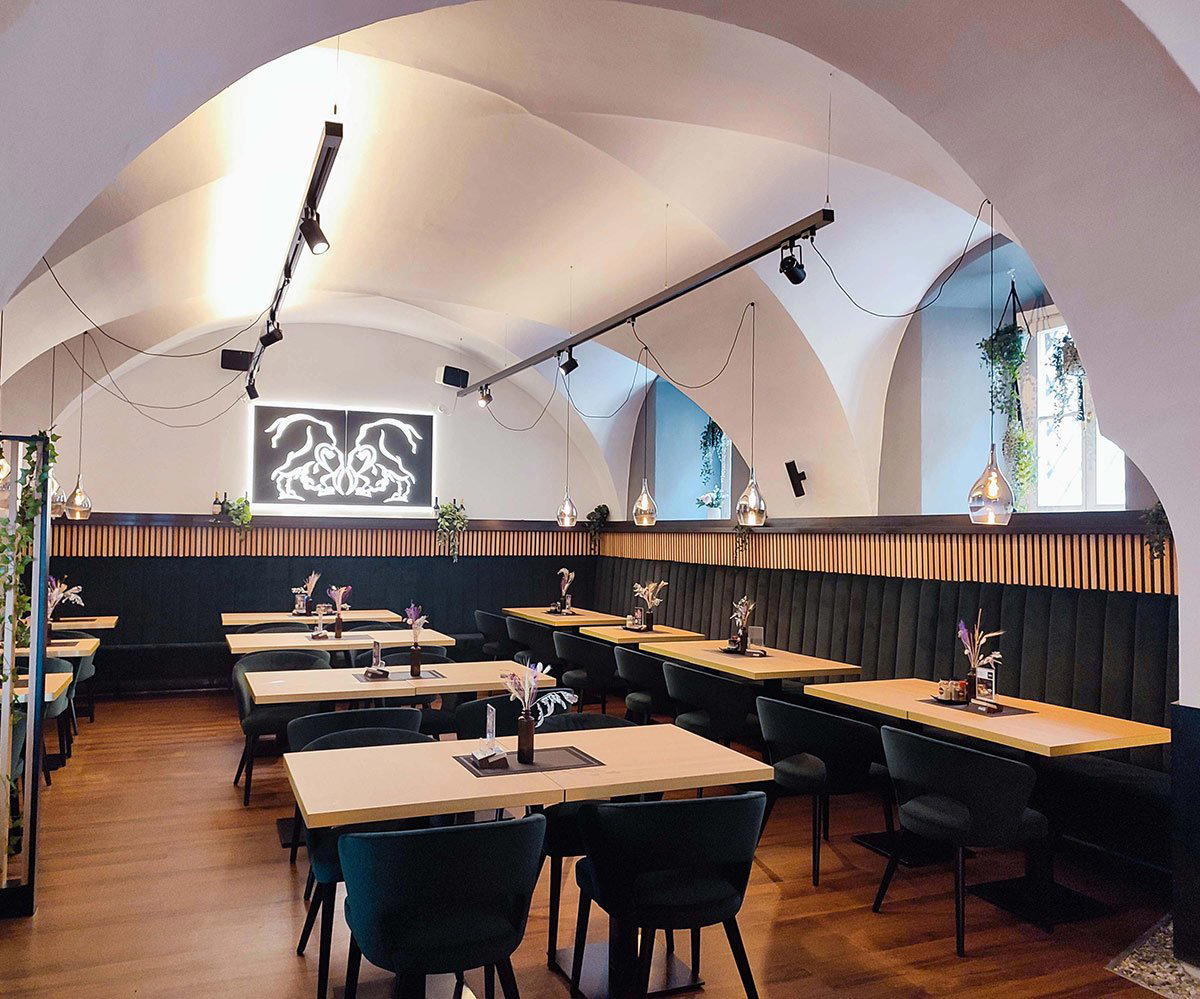
Ramen in the Heart of the Old Town
Sporgasse is one of Graz's most intact medieval commercial streets, a narrow corridor of arched facades and uneven cobblestones running south from the Hauptplatz toward the Herrengasse axis. The buildings here predate the Habsburg Baroque overlay that defines much of the city center, and the street retains a compressed, almost vault-like quality even on bright afternoons. It is not the obvious address for a Japanese ramen counter. That tension is part of what makes Ramen Makotoya worth locating on your map of the city.
Ramen Makotoya sits at Sporgasse 11, occupying a slot in a streetscape where the surrounding businesses tend toward traditional Austrian retail and historic cafes. The contrast between the setting and the format is not incidental, it reflects a broader pattern in mid-sized European cities, where Japanese noodle formats have found durable footholds not in the purpose-built Asian-food districts of larger capitals, but in historic pedestrian centers where foot traffic and low overhead make the economics work. Graz, with a student population drawn to Karl-Franzens-Universität and a food culture that has been quietly diversifying over the past decade, fits that profile.
What Ramen Means as a Format, and Why It Travels
Japanese ramen is one of the more misunderstood food formats that has migrated to European cities. In Japan, the category encompasses significant regional variation: tonkotsu from Fukuoka, the milky pork-bone broth that requires hours of aggressive boiling; shoyu from Tokyo, the cleaner soy-seasoned chicken broths of the older shokudo counters; miso ramen from Sapporo, where fermented soybean paste is stirred into a richer base; and shio, the salt-seasoned style often associated with lighter seafood stocks from coastal regions. Each of these is a distinct culinary tradition, not interchangeable variations on a single dish.
What made ramen a global export format is not simplicity but adaptability. The core architecture, a deeply flavored broth, alkaline wheat noodles with a specific chew, a curated set of toppings arranged with deliberate care, provides a framework that travels across supply chains and kitchen sizes without losing its internal logic. A well-made bowl in Vienna or Berlin or Graz can still deliver the structural integrity of the format even if the ingredients come from different sourcing channels than a Hakata or Sapporo kitchen would use. The measure is whether the broth has depth and the noodles have the right texture, not whether every ingredient is imported.
That context matters when placing Ramen Makotoya inside Graz's dining scene. The city's food identity is predominantly anchored in Styrian regional cooking, the pumpkin-seed oil, the Verhackertes, the roast meats and cold cuts, the wine traditions of the Südsteiermark running south toward the Slovenian border. Venues like Aiola im Schloss and aiola upstairs work within that regional framework at a premium level, and Arravané brings a contemporary European approach to the Graz fine-dining tier. Against that backdrop, a ramen-focused address represents a different kind of value proposition entirely, speed, directness, and a format where the quality signal is concentrated entirely in the bowl rather than distributed across a multi-course architecture.
The Cultural Roots of a Bowl
Understanding ramen's origins helps explain why it has become such a resilient export. The dish emerged in Japan in the late Meiji and Taisho periods through a fusion of Chinese wheat-noodle traditions and Japanese broth techniques, initially associated with street stalls and working-class urban dining. It was democratized further after World War II, when instant ramen, developed by Momofuku Ando in 1958, made the flavor profile available across income levels. The artisanal counter movement that emerged in Japan from the 1980s onward was, in part, a reaction against that mass-market version: specialized shops focusing on single broth styles, sourcing specific regional noodles, and elevating the format back toward craft.
That counter movement is the cultural ancestor of what European ramen restaurants serve today. When a city like Graz has a ramen address on a historic street, it is connected, however loosely, to that Japanese tradition of specialist shop culture, the idea that a kitchen can achieve depth by narrowing its focus rather than expanding its menu. The contrast with the broad à la carte formats typical of European restaurant culture is not trivial. In Austria, where venues like Steirereck im Stadtpark in Vienna or Ikarus in Salzburg represent a culinary tradition built on extensive, produce-led tasting programs, a format organized entirely around a single bowl is a meaningful departure from the local norm.
Graz's Evolving Food Scope
Graz has been developing a more pluralistic food culture over the past fifteen years, partly driven by its university population and partly by the city's growing status as a short-break destination from Vienna, Munich, and Zagreb. The Farmers' Market on Kaiser-Josef-Platz remains one of the better urban food markets in Austria, and the Lendviertel district has generated a cluster of independent cafes and casual restaurants that reflect a different demographic than the traditional Altstadt dining rooms. That expansion of register has created space for formats that would have seemed anomalous in the city a generation ago.
Within the Graz restaurant scene, Ramen Makotoya occupies a different tier from the fine-dining addresses. Artis (Creative) and Adelphia operate at the upper end of the city's dining spectrum, where tasting menus and wine programs carry significant price weight. A ramen counter at Sporgasse 11 competes in a different register, casual, bowl-focused, accessible at a lower price point, and its relevance to a visitor is less about fitting it into a fine-dining itinerary and more about having a reliable lunch or dinner option on a day built around walking the Altstadt, visiting the Kunsthaus, or exploring the Schlossberg. The Sporgasse address puts it naturally on the path between those major points.
For visitors building a wider picture of Austrian culinary ambition, the context beyond Graz is also worth noting. Austria's regional restaurant scene outside Vienna includes addresses like Obauer in Werfen, Döllerer in Golling an der Salzach, and Landhaus Bacher in Mautern an der Donau, venues that demonstrate the depth of the country's produce-driven dining tradition. The restaurant sits in an entirely different conversation from those addresses, but its presence in Graz's old town reflects the same urban broadening that has made the city a more interesting food destination overall.
Planning Your Visit
Sporgasse 11 is walkable from the Hauptplatz in under five minutes, and the street is pedestrian-friendly, making it easy to combine with a broader old-town circuit. Current hours are Mon: 11:30 AM to 10:30 PM; Tue: 11:30 AM to 10:30 PM; Wed: 11:30 AM to 10:30 PM; Thu: 11:30 AM to 10:30 PM; Fri: 11:30 AM to 10:30 PM; Sat: 11:30 AM to 10:30 PM; Sun: 11:30 AM to 10 PM. Reservations are recommended, and the price tier is moderate, around $18 per person. As a casual bowl-format restaurant, the restaurant is unlikely to require advance reservation in the way that fine-dining addresses like Griggeler Stuba in Lech or Gourmetrestaurant Tannenhof in Sankt Anton am Arlberg typically demand, but verification is always advisable during peak tourist season, which in Graz runs from late spring through the summer festival period and again during the December Christmas market weeks.
Comparable Venues
Comparable venues nearby, for context on price, style, and recognition.
| Venue | Cuisine | Price | Notes |
|---|---|---|---|
| Ramen MakotoyaThis venue — the venue you are viewing | Authentic Japanese Ramen | $$ | Not listed |
| Yamamoto | Authentic Japanese Sushi & Ramen | $$ | Innere Stadt |
| Kaoo Riverside | Modern Asian All-You-Can-Eat À La Carte | $$ | Innere Stadt |
| SAKANA | Modern Japanese Sushi | $$$ | Geidorf |
| Das Eggenberg | Modern Italian Pizza and All-Day Dining | $$ | Eggenberg |
| Freigeist Burger - Brauquartier | Gourmet American Burgers | $$ | Puntigam |
Continue exploring
More in Graz
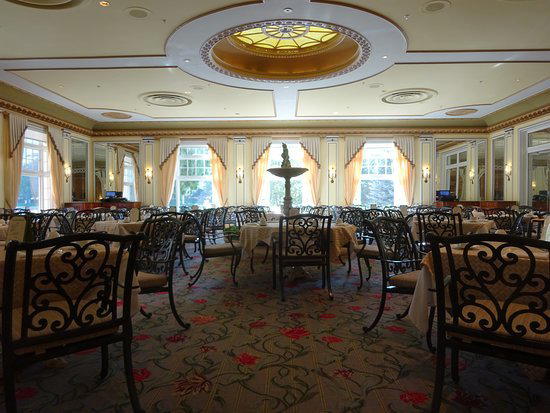
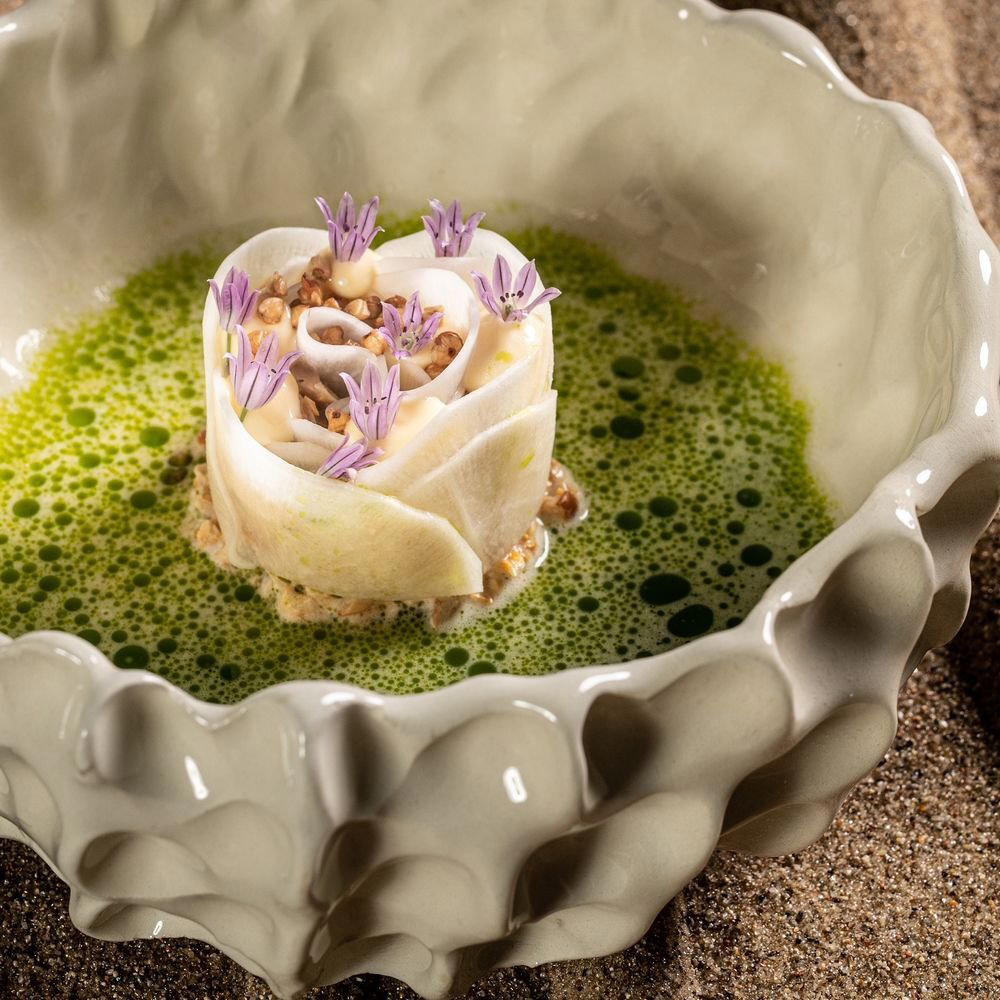
Restaurants in Graz
Browse all →
Bars in Graz
Browse all →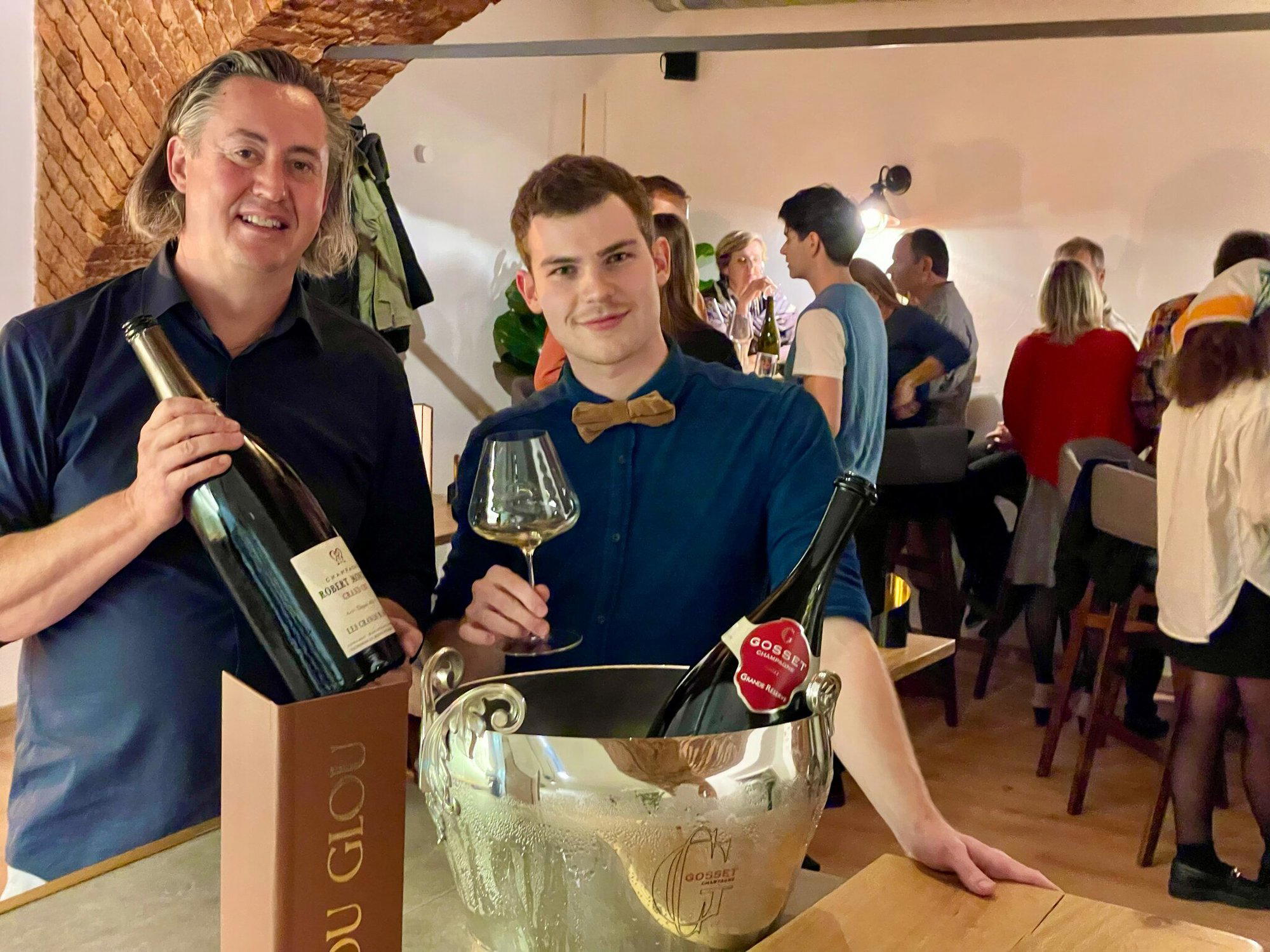
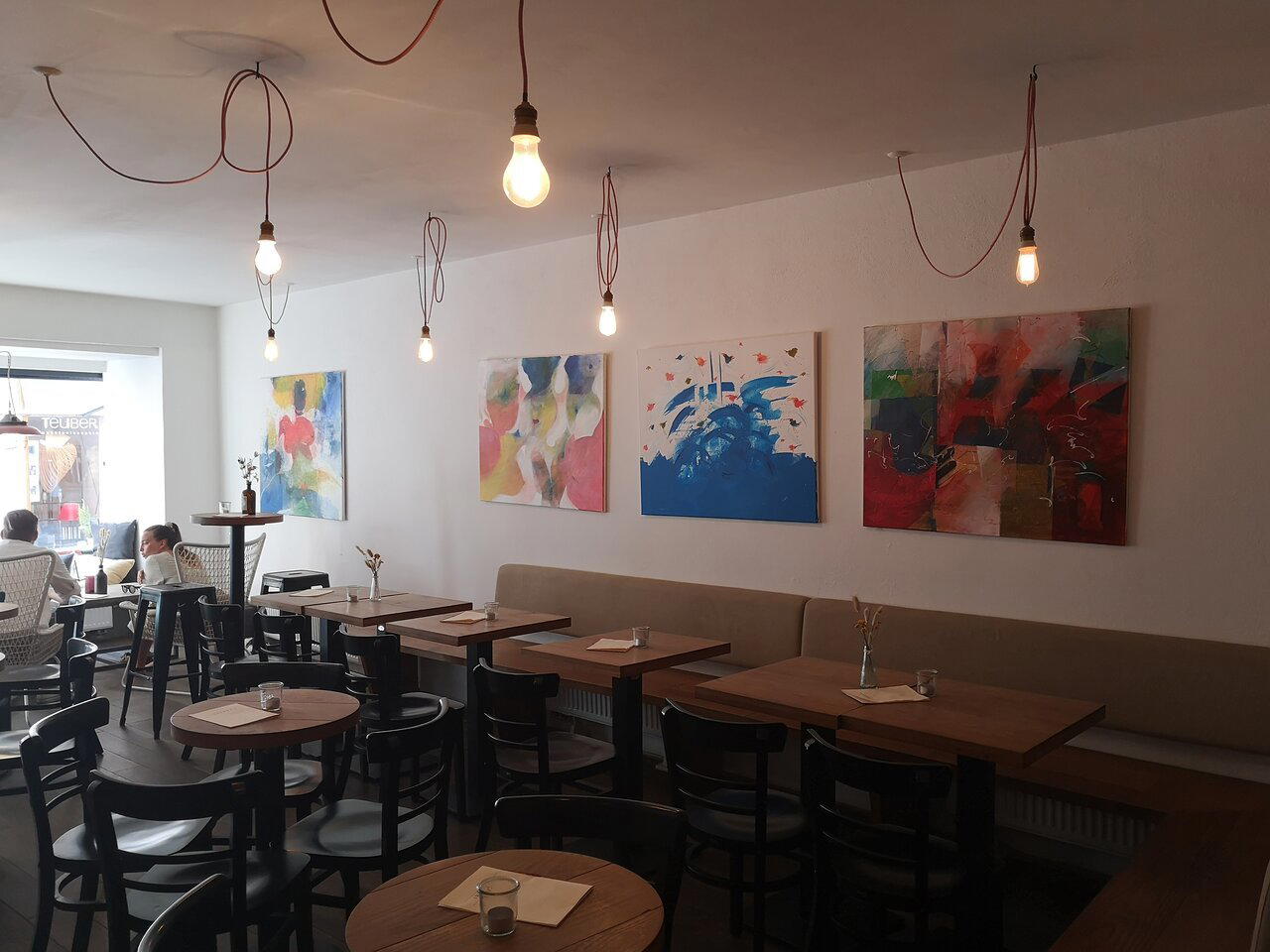

Hotels in Graz
Browse all →



At a Glance
- Modern
- Trendy
- Casual Hangout
- After Work
- Solo
- Open Kitchen
- Courtyard
- Craft Cocktails
Current opening hours
- Monday
- 11:30 AM–10:30 PM
- Tuesday
- 11:30 AM–10:30 PM
- Wednesday
- 11:30 AM–10:30 PM
- Thursday
- 11:30 AM–10:30 PM
- Friday
- 11:30 AM–10:30 PM
- Saturday
- 11:30 AM–10:30 PM
- Sunday
- 11:30 AM–10 PM
Hours can change for holidays and private events. Last verified .
Modern and pleasant environment with exclusive contemporary design; located in a courtyard off the main street providing a tucked-away, intimate feel despite being in the city center.