
Washoku Tei belongs to Kagoshima’s everyday washoku tier rather than its ceremony-driven dining tier: a small Chuocho counter-and-table room where cafeteria cooking, seafood, shochu, and set-meal logic carry the argument. Its Tabelog 100 - Diner - 2026 selection and JPY 1,000 - JPY 1,999 budget place it in a category where value depends on sourcing discipline, not luxury cues.
Pearl is the En Primeur Club membership app — saves, bookings, and concierge access live there. Same editors, same standards.
- Address
- 鹿児島県鹿児島市中央町25-8
- Phone
- +81992570507
- Website
- washoku-kagoshima.jimdo.com
 Saves & bookings on Pearl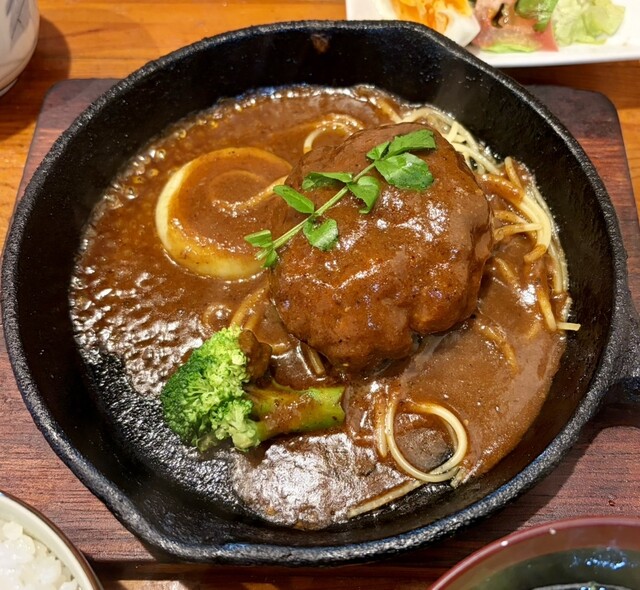
Approaching the tram-line side of Chuocho, the appeal is not spectacle but scale: the kind of compact Japanese dining room where counter seats, table seating, and tatami space create three different rhythms under one roof. Kagoshima rewards this format. The city’s serious eating is not confined to formal kaiseki rooms or high-ticket beef counters; it also lives in shokudo culture, where seafood, rice, soup, pickles, grilled items, and local drink habits turn everyday meals into a regional index.
That is the useful frame for Washoku Tei. The restaurant is categorized as cafeteria and seafood, selected for Tabelog 100 - Diner - 2026, and rated 3.57 on Tabelog. Those signals matter because diner recognition in Japan often captures places that do not behave like destination restaurants: modest budgets, repeat local use, and cooking that depends on ingredient trust rather than theatrical plating. In Kagoshima, that usually means close attention to fish, rice, miso, vegetables, and the drinking table, especially shochu, the prefecture’s defining spirit.
Seafood, shokudo logic, and the Kagoshima pantry
Kagoshima’s food identity is shaped by water and volcanic land: Kinko Bay, the wider waters off southern Kyushu, black pork, sweet potatoes, tea, and shochu. A small washoku counter here does not need to announce a grand philosophy. It needs to handle local ingredients with enough restraint that lunch can function as a set meal and dinner can stretch into drinking food. That duality is central to the shokudo form: it is democratic, but not careless.
Washoku Tei sits in that lane rather than the city’s premium wagyu or yakitori bracket. Among Kagoshima comparables, Aji no Tonkatsu Maruichi operates in a similar JPY 1,000 - JPY 1,999 band, while Toriya Yamaguchi and Karen Kagoshima ten occupy a far higher JPY 10,000 - JPY 14,999 dinner tier. The comparison clarifies the point: this is not where diners come to measure luxury. It is where ingredient familiarity, seasoning restraint, and price discipline do the work.
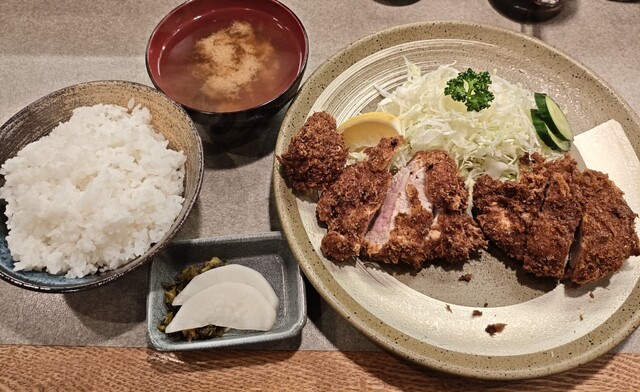
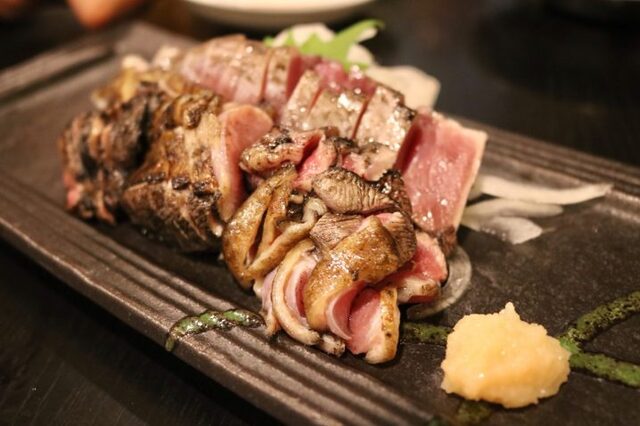
The seafood designation is especially relevant in a city where fish can appear in casual rooms without losing seriousness. Kagoshima’s better everyday restaurants often succeed by keeping the meal structure legible: rice as anchor, fish or meat as the main decision, alcohol as an optional extension rather than a required performance. The drink list’s emphasis on sake, wine, and shochu, with particular attention to shochu, places the restaurant inside a local pattern rather than a generic izakaya template.
For readers mapping the city by genre, the useful contrast is not only expensive versus inexpensive. It is pork cutlet versus charcoal chicken versus fish-and-rice cooking versus bar culture. Nearby editorial context includes Aji no Tonkatsu Maruichi for tonkatsu, Akadori Sumiyaki Daiyasu for grilled chicken, Charcoal-grilled Fish & Clay Pot-cooked Rice Ochawan, Japanese Set Meal Diner for another rice-led format, and Ichiba Shokudo Jounan ten for market-adjacent shokudo logic.
A small-room format with diner-level recognition
The room size keeps the experience closer to a neighborhood dining counter than a production-line restaurant: 22 seats, including 7 at the counter and 12 to 15 at tables. Counter seating matters in Japanese everyday restaurants because it compresses the distance between kitchen rhythm and diner attention. Tatami seating changes the tempo again, favoring slower meals with friends or family. Children are welcome, private rooms are not part of the format, and the restaurant is non-smoking.
The Tabelog 100 - Diner - 2026 selection gives this modest category a sharper editorial reading. Japan’s restaurant culture often separates prestige from comfort, but the diner list cuts across that division by recognizing places where regular use and quality control coexist. A 3.57 Tabelog score in this context does not imply luxury; it suggests a restaurant that has earned enough diner confidence to rise above anonymous station-area convenience.
That station-area context is important. Kagoshima Chuo is the city’s rail gateway, while Tenmonkan carries the heavier nightlife association. Washoku Tei’s Chuocho position makes it part of the practical eating map around transit rather than a detour-driven evening circuit. For a wider read on the city, use Our full Kagoshima restaurants guide, then split the trip by category with Our full Kagoshima bars guide, Our full Kagoshima hotels guide, Our full Kagoshima wineries guide, and Our full Kagoshima experiences guide.
How to read it against Japan's casual dining map
The restaurant is strongest as a lens on Japanese everyday cooking: not anonymous cafeteria food, not tasting-menu washoku, but the middle space where ingredient sourcing and repetition matter. Kagoshima’s shochu culture adds another layer. Sweet-potato shochu is not an accessory in southern Kyushu; it is part of the table’s grammar, especially with seafood, grilled dishes, and small plates meant to support conversation over time.
Travelers comparing this with other Japanese casual formats should look for the same structural clues: category, price band, alcohol culture, and room size. A sukiyaki specialist such as -Grilled beef Sukiyaki- KAMAKURA TANUKIAN 鎌倉 たぬき庵 in Kamakura signals a different meal architecture;. 鮪と炭火焼き うお炭 秋葉原店 in Tokyo points toward tuna and charcoal in an urban setting;.cafe in Osaka and.know in Kumamoto sit in other casual registers. Outside Japan, (Shoku) Vietnam in Kawasaki, [Curry Senmon Ten] Maruyama Kyoju. in Sapporo, Jōdo Saké Bar in Los Angeles, and Onigiri Time in Pasadena show how tightly defined formats can carry a whole dining identity.
The editorial case for the restaurant is therefore specific: it belongs on a Kagoshima itinerary when the goal is to understand how the city eats between market seafood, station convenience, local drink culture, and daily washoku. The price tier keeps expectations grounded; the 2026 Tabelog diner recognition supplies the trust signal; the seafood-and-shochu frame explains why this small room has relevance beyond a simple meal stop.
Quick Comparison
Nearby venues at a similar price tier for orientation.
| Venue | Cuisine | Price | Notes |
|---|---|---|---|
| Washoku TeiThis venue — the venue you are viewing | Japanese Set-Meal Restaurant | $$ | Not listed |
| Tonkatsu Kawakyu | Kagoshima Black Pork Tonkatsu | $$ | Chuocho |
| Maruman Ganso Yakitori | Traditional Kagoshima Yakitori (Satsuma Chicken) | $$ | Tenmonkan / Tenmonkandori |
| Tenjin Boumarushin | Traditional handmade soba | $$ | Tenmonkan / Tenmonkandori |
| Kumasotei | Traditional Satsuma Cuisine | $$ | Higashi Sengoku-cho |
| Yakitori Kouun | Yakitori | $$ | Hinohiguchi-cho |
Recognition history
Dated appearances from independent guides and award organizations, with the underlying list record or original source where available.
Tabelog 100 #68 · No. 68
Tabelog · Tabelog 100 - Diner - 2026
Continue exploring
More in Kagoshima
Restaurants in Kagoshima
Browse all →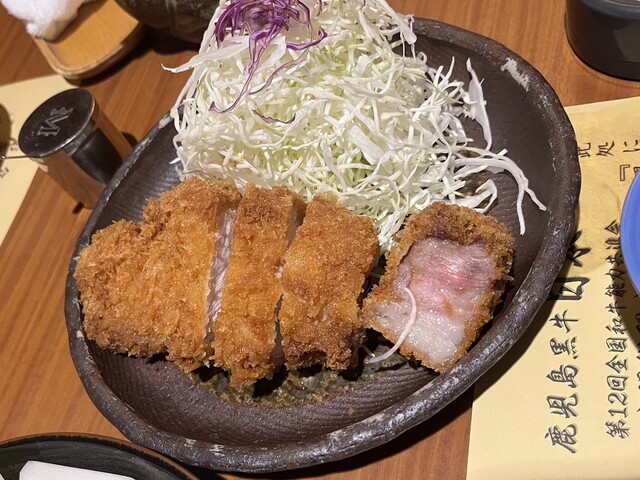
Hotels in Kagoshima
Browse all →
Wineries in Kagoshima
Browse all →
At a Glance
- Cozy
- Classic
- Family
- Casual Hangout
- Group Dining
- Solo
- Standalone
- Sake Program
- Local Sourcing
- Street Scene
Casual, family-oriented, and unpretentious, with an emphasis on relaxed everyday dining rather than formal service.