
Kikuzono places Chiba’s wagashi culture in a small, domestic-scale setting rather than a department-store sweets counter. Selected for Tabelog’s Japanese traditional sweets and sweets cafe EAST 100 in 2023, it is a compact stop for travelers interested in regional confectionery, courtly craft traditions, and the quieter food routes beyond central Tokyo.
Pearl is the En Primeur Club membership app — saves, bookings, and concierge access live there. Same editors, same standards.
- Address
- 360-24 Wakamatsuchō, Wakaba Ward, Chiba, 264-0021, Japan
- Phone
- +81 43-231-6866
- Website
- kikuzono.com
 Saves & bookings on Pearl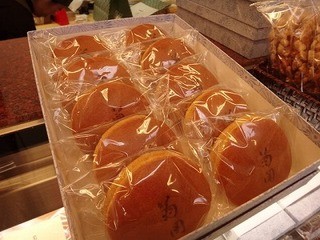
Approaching a house-format wagashi shop in Wakaba Ward changes the register of a Chiba food day. The mood is not the station-front rush of ramen, curry, and commuter coffee; it is slower, closer to the domestic roots of Japanese sweets culture, where confectionery sits between gift, seasonal marker, tea companion, and family errand. Kikuzono belongs to that quieter category. Its recognition in Tabelog’s 2023 Japanese traditional sweets and sweets cafe EAST 100 places it within a serious regional conversation, but the appeal is not scale. It is the discipline of a small sweets address in a city better known by visitors for transit, baseball, and the gateway pull of Narita than for wagashi.
Chiba dining rewards readers who stop treating the prefecture as Tokyo’s practical outer ring. The city’s stronger food map is fragmented: Indian cooking at Bengal Tiger, French-inflected dining at Cinq au Pied, Chinese wheat-flour cooking at Chinese Komugiko Ryori Senmonten Keisen, and higher-spend Japanese meals such as Boushu En. Wagashi sits outside that dinner-led logic. It belongs to daytime movement, gifting etiquette, and the seasonal calendar rather than the long reservation meal. That makes Kikuzono useful for a different kind of itinerary: a focused Chiba food stop that does not need to compete with a full lunch or dinner slot.
Wagashi in Chiba works well when it stays close to ritual, not spectacle
Japanese confectionery is often misread abroad as dessert. In Japan, wagashi carries a more exact role. It is tied to tea practice, holidays, seasonal motifs, regional ingredients, and the language of omiyage, the gift brought back from a place or given with social care. The form can be small, but the cultural load is large. A shop like Kikuzono matters because it keeps that category visible outside the department-store basement, where beautiful packaging can sometimes flatten regional identity into retail polish.
The courtly thread matters here. Kikuzono’s public history connects the prior owner with Kaga Hyakumangoku, service to the Imperial Court during the Taisho and Showa eras, and the continuation of the Kiku-en name after 1955. That story should not be treated as decoration. It signals a lineage in which sweets were made for ceremony as well as everyday use, a dual role that explains why wagashi can feel formal without being expensive or theatrical. Chiba’s stronger casual addresses often succeed through speed, comfort, and repetition; wagashi asks for a different reading, one based on restraint, season, and presentation.
That distinction also explains the gap between recognition and price tier. Tabelog’s EAST 100 selection in 2023 gives Kikuzono a credential that traveling diners can understand, while the category itself remains more accessible than many award-recognized dining formats. Compared with the tasting-menu economy that shapes much of premium travel dining in Japan, traditional sweets occupy a leaner, more democratic lane. The question is not whether it replaces a restaurant booking. It does not. The point is that it adds a cultural register most restaurant-heavy itineraries miss.
A small-format sweets stop changes how a Chiba itinerary reads
The room’s scale is part of the message. A compact seating setup and house-restaurant setting push the experience away from high-volume cafe culture and toward a neighborhood confectionery rhythm. For travelers, that means expectations should be calibrated: this is not a long-format restaurant experience, and it should not be judged by the grammar of chef counters, wine pairings, or late-night dining rooms. It is better understood as a precise daytime detour, especially for readers who care about Japanese food traditions beyond sushi, ramen, and kaiseki.
There is also a useful contrast inside Chiba itself. BAMBOU belongs to the contemporary restaurant circuit; Kikuzono sits closer to the older social function of food as gift and seasonal object. That difference is valuable. A day can move from sweets to a casual noodle or wheat-flour meal without overloading the schedule, or it can serve as a cultural counterpoint before a more formal dinner. For the broader city edit, Our full Chiba restaurants guide maps those restaurant choices, while Our full Chiba hotels guide, Our full Chiba bars guide, Our full Chiba wineries guide, and Our full Chiba experiences guide help place the stop inside a wider prefectural route.
The stronger editorial case is for travelers already comfortable leaving the obvious Tokyo food loop. Japanese sweets culture has national visibility, but the better learning often happens in specific local settings: a suburban shop, a family-friendly room, a sweets counter that operates on daytime habits rather than nightlife demand. The same principle applies across Japan’s smaller specialist addresses, from -Grilled beef Sukiyaki- KAMAKURA TANUKIAN 鎌倉 たぬき庵 in Kamakura to (Shoku) Vietnam in Kawasaki: the format tells the reader how the city eats, not merely what it sells.
Who should make the detour
Kikuzono is strongest for travelers building a food day around texture, ritual, and regional habits rather than a single trophy meal. The Tabelog 100 selection gives it enough external validation to justify attention, but the better reason to go is category literacy. Wagashi teaches a different side of Japanese dining: sweetness calibrated for tea, shapes and ingredients tied to the calendar, and hospitality expressed through wrapping, gifting, and restraint.
Readers chasing named signature dishes or chef-led counter drama should look elsewhere. Readers mapping Japan through specialist formats will understand the point quickly. It belongs in the same mental file as other focused, small-category addresses that reveal a city through one narrow craft:.cafe in Osaka.know in Kumamoto, [Curry Senmon Ten] Maruyama Kyoju. in Sapporo. 鮪と炭火焼き うお炭 秋葉原店 in Tokyo, Jōdo Saké Bar in Los Angeles, and Onigiri Time in Pasadena. The through-line is not cuisine type; it is attention to a specific food grammar. In Chiba, Kikuzono gives wagashi that role.
- Warabi mochi
- Kikuyaki zangetsu
- Onarikaido
- Dorayaki
- Momoyama
- Kiku monaka
Budget and Context
Comparable venues by cuisine and price in the same metro.
| Venue | Cuisine | Price | Notes |
|---|---|---|---|
| Kikuzono | Not listed | $ | Wakaba Ward, Traditional Japanese Wagashi & Confectionery |
| Koimen Kurage | Chuo-ku, Ramen & tsukemen shop | $ | Not listed |
| Ura Musashi Ya Nishichiba honten | Nishi-Chiba, Iekei Ramen Shop | $ | Not listed |
| Ramen Jiro Chiba ten | Chuo-ku, Jiro-style ramen shop | $ | Not listed |
| Ramen Sugita Ya Chiba yuukou ten | Not listed | $ | Chuo Ward, Traditional Yokohama Iekei Ramen |
| Tonkatsu Okura | Mihama-ku, Tonkatsu specialty restaurant | $$ | Not listed |
Recognition history
Dated appearances from independent guides and award organizations, with the underlying list record or original source where available.
Tabelog 100 #19 · No. 19
Tabelog · Tabelog 100 - Japanese traditional sweets / Japanese sweets cafe - EAST - 2023






At a Glance
- Classic
- Cozy
- Solo
- Family
- Casual Hangout
- After Work
- Standalone
- Historic Building
- Local Sourcing
Current opening hours
- Monday
- 9 AM–6 PM
- Tuesday
- 9 AM–6 PM
- Wednesday
- Closed
- Thursday
- 9 AM–6 PM
- Friday
- 9 AM–6 PM
- Saturday
- 9 AM–6 PM
- Sunday
- 9 AM–6 PM
Hours can change for holidays and private events. Last verified .
A small, house-like neighborhood wagashi shop with a simple, classic interior, quiet atmosphere, and a focus on take-away sweets rather than lingering dining.