
Ramen Hamano Ya brings Yokohama ie-kei ramen into Ichihara’s Goi area at a small, counter-led scale. Its Tabelog Ramen EAST 100 selections in 2024 and 2025, 10-seat format, and Yoshimura-ya lineage through Sugita-ya Chiba place it in the serious ramen conversation without moving into luxury pricing.
Pearl is the En Primeur Club membership app — saves, bookings, and concierge access live there. Same editors, same standards.
- Address
- 千葉県市原市五井2442-1
- Website
- tabelog.com
 Saves & bookings on Pearl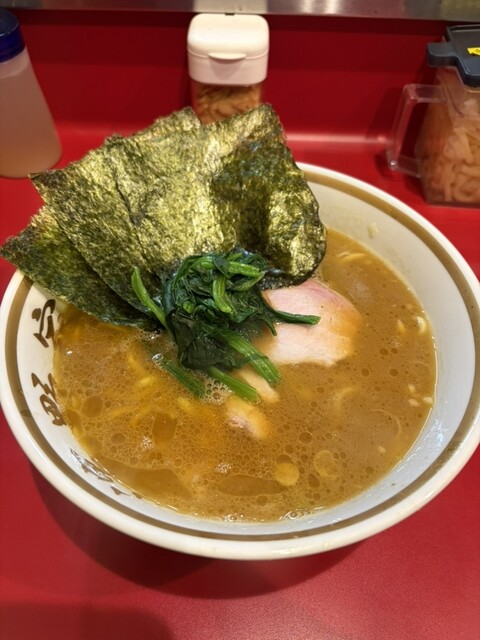
Approaching a compact ramen shop in Goi, the clues are practical before they are theatrical: a short queue culture, counter seating, and the quick turnover rhythm that defines serious suburban ramen in Japan. Ichihara is not Tokyo, and that matters. Outside the capital’s denser ramen corridors, a bowl has to justify the trip through consistency, lineage, and local repeat custom rather than spectacle.
Ramen Hamano Ya belongs to the ie-kei tradition, the Yokohama-born style built around pork-and-soy depth, thicker noodles, and a format designed for customization without ceremony. The relevant context is not fine dining polish, but supply discipline: broth management, noodle handling, and the sourcing chain behind a style whose reputation depends on density and repeatability. In that world, a small room can be an advantage. Fewer seats mean fewer moving parts, and the ramen counter becomes a production line where timing is the standard.
Ichihara's ie-kei signal, not a Tokyo detour
Chiba’s ramen culture sits between commuter-town pragmatism and destination eating. Tokyo gets more international attention, but the eastern Japan ramen map is broader, and Tabelog’s Ramen EAST 100 list is one of the clearer public signals for shops operating beyond the usual tourist circuits. Selection in 2024 and again in 2025 gives this address a credential that matters in ramen: sustained recognition rather than a single burst of novelty.
The lineage detail is also meaningful. The shop is noted as coming from Sugita-ya Chiba, a direct descendant line of Yokohama’s Yoshimura-ya, the source temple of the ie-kei style. That does not make every bowl identical; it frames the grammar. Ie-kei is less about chefly reinvention than control of a known language: the broth’s weight, the noodle’s chew, the soy seasoning’s force, and the way rice, toppings, and condiments complete the meal. Ingredient sourcing in this tradition is not usually presented as a farm-by-farm narrative. It shows up in structure: bones, tare, fat, noodles, and rice behaving as a system.
Against nearby higher-spend dining, the contrast is sharp. Comparison venues such as Takaoka sit in a sushi bracket around JPY 30,000 to JPY 39,999, while Le Coeur and Epice occupy restaurant price tiers far above a ramen counter. Ramen Hamano Ya operates in a different decision category: focused, quick, and built around a single genre rather than a multi-course evening. That is why the low price band is not incidental. It is part of the ramen proposition, where repetition and access carry as much weight as rarity.
Ten seats, family access, and the discipline of a small room
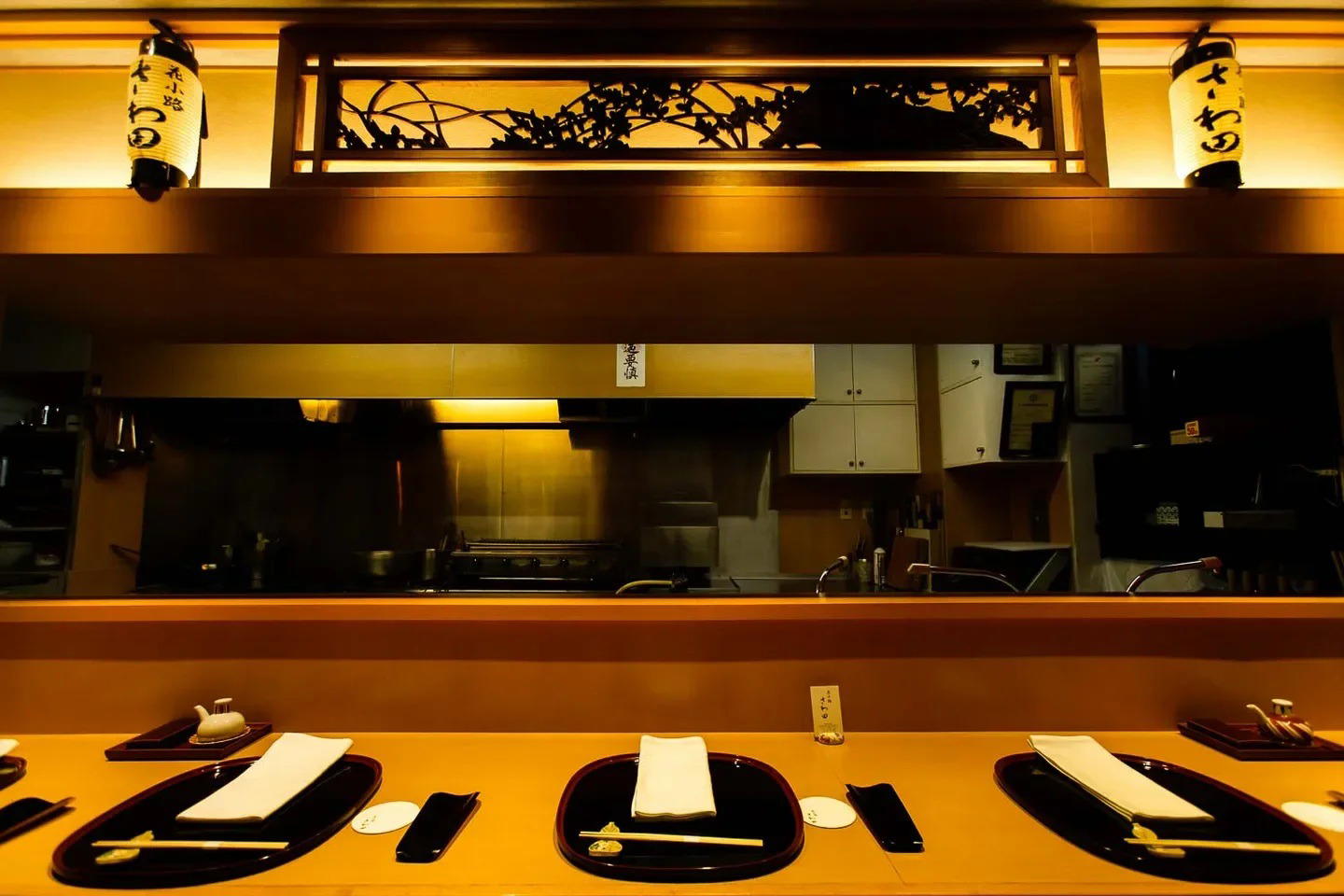
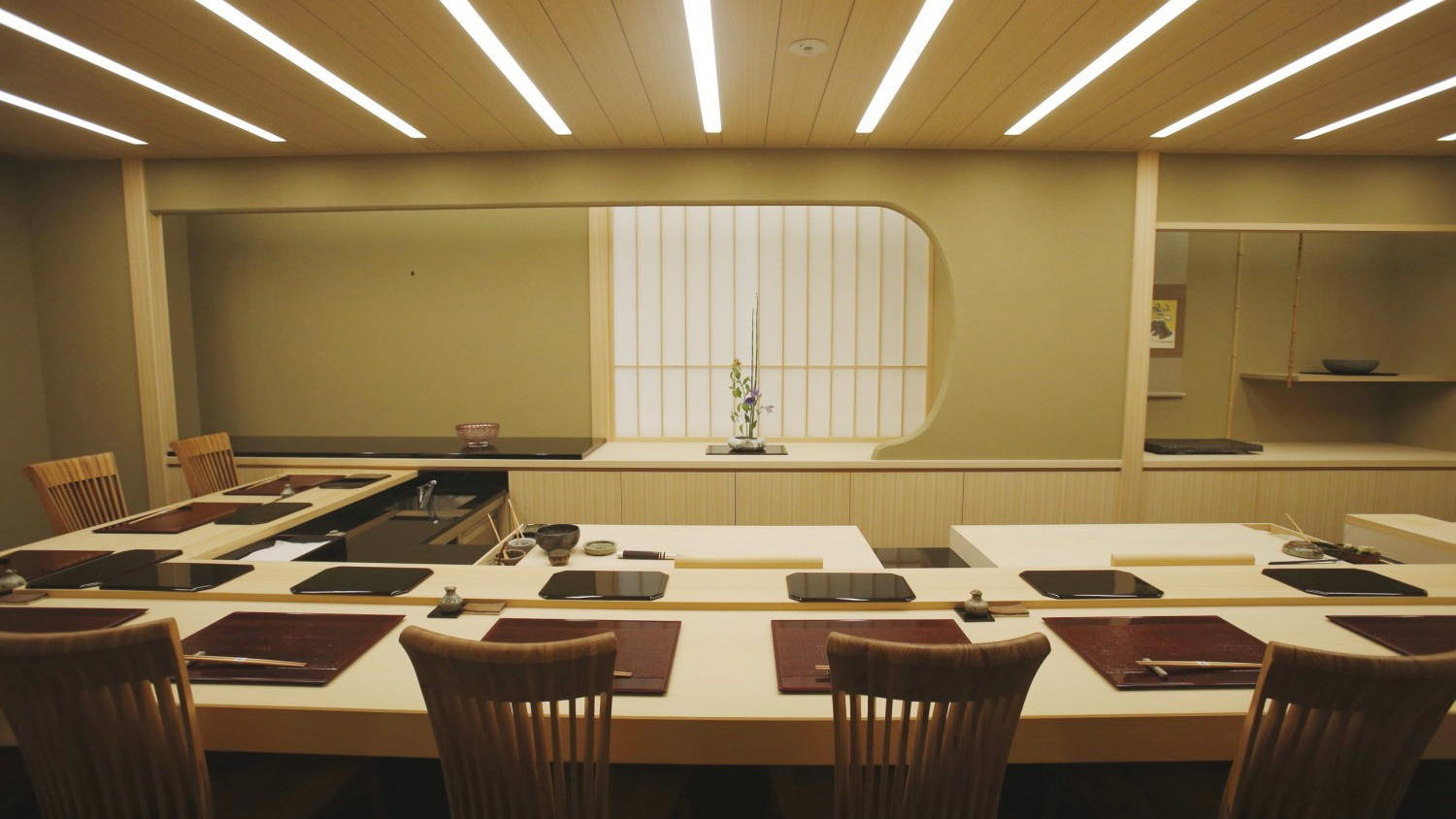
The room is small: 10 seats, split between six counter places and one four-person table. That mix says plenty about the atmosphere. Solo diners can eat at the counter without performance, while a small family can use the table if timing works. Children are welcome, which is not always the case in compact, queue-driven ramen settings, and the format remains casual rather than hushed.
The house rules are part of the experience. No smoking applies inside, in the parking lot, and while waiting outside; representative waiting is prohibited. Those details are not minor etiquette. They protect flow in a shop where capacity is tight and the queue is part of the operating model. The effect is a ramen room built for turnover, not lingering. Readers planning a broader Ichihara food day can place it within Our full Ichihara restaurants guide, with nearby trip planning in Our full Ichihara hotels guide, Our full Ichihara bars guide, Our full Ichihara wineries guide, and Our full Ichihara experiences guide.
Useful comparison is not with tasting-menu restaurants, but with other narrowly focused Japanese formats where technique is compressed into repetition. A beef specialist such as -Grilled beef Sukiyaki- KAMAKURA TANUKIAN 鎌倉 たぬき庵 in Kamakura or a sake-led address such as Jōdo Saké Bar in Los Angeles asks the diner to understand one category in depth. The same logic applies here, just at ramen speed and ramen cost.
How to read the bowl through sourcing and lineage
Ie-kei ramen’s ingredient story begins with repetition rather than ornament. The style depends on stock extraction, tare balance, and noodles that can withstand a heavy broth without collapsing. In a city like Ichihara, the sourcing question is less about luxury produce and more about whether the shop can keep the same structure service after service. That is where the Yoshimura-ya family tree becomes relevant: it signals a disciplined template, not a decorative biography.
Ramen Hamano Ya’s opening in December 2020 places it among a younger generation of shops that gained recognition after Japan’s ramen scene had already become intensely documented online. A Tabelog score of 3.83 in this category is a credible public marker, particularly when paired with repeat Ramen EAST 100 selection. The editorial read is simple: this is not a general-purpose restaurant that happens to serve ramen. It is a ramen shop whose appeal comes from staying inside a demanding style and doing the operational work that style requires.
For readers mapping Japanese casual dining more widely, the lesson travels. A counter-led ramen shop in Ichihara, an onigiri specialist such as Onigiri Time in Pasadena, a curry shop such as [Curry Senmon Ten] Maruyama Kyoju. in Sapporo, and a compact cafe such as .cafe in Osaka all show the same principle: narrow formats reward consistency. Other Japanese dining references, from . 鮪と炭火焼き うお炭 秋葉原店 in Tokyo and.know in Kumamoto to (Shoku) Vietnam in Kawasaki, [ki:] in Kyoto, #肉といえば松田 奈良本店 in Kashihara, 1/3 HAMBURGER FACTORY in Kanazawa, 1000 in Yokohama, and 1000mヒュッテ 1000m Hut in Kutchan, sit in different genres, but the useful question is the same: what does the format allow the kitchen to repeat well?
Snapshot
Comparable venues by cuisine and price in the same metro.
| Venue | Cuisine | Price | Notes |
|---|---|---|---|
| Ramen Hamano YaThis venue — the venue you are viewing | Yokohama Iekei-style Ramen Shop | $ | Not listed |
| Miyazato Soba (宮里そば) | Okinawan Soba | $ | Miyazato |
| Umemura | Japanese Soul Food | $ | Koto |
| Ramen Jiro Keisei ookubo ten | Jiro-style ramen and tsukemen | $ | Funabashi |
| Yoshinoya | Traditional Japanese sweets (kusa dango) shop | $ | Katsushika |
| Chuka Soba Maruki | Classic Japanese ramen (chuka soba & tsukemen) | $ | Matsudo |
Recognition history
Dated appearances from independent guides and award organizations, with the underlying list record or original source where available.
Tabelog 100 #41 · No. 41
Tabelog · Tabelog 100 - Ramen - EAST - 2025



At a Glance
- Lively
- Cozy
- Intimate
- Solo
- Family
- Casual Hangout
- After Work
- Standalone
A compact, non-smoking ramen shop with just a few counter and table seats, creating an intimate, bustling atmosphere where guests line up for richly flavored Iekei-style bowls in a direct, no-frills setting.