Raf's




Michelin Plate · James Beard Award Semi Finalist · New York Times Best Restaurants in New York City
Our verdict
A converted NoHo bakery on Elizabeth Street, Raf's runs a wood-fired European menu spanning French and Italian traditions, from escargot enrobed in whipped lardo to hand-cut pastas and Sicilian cast iron pizza. Chefs Mary Attea and Camari Mick bring precision to the classics, while the bar offers a strong walk-in alternative to the reservation-only dining room.

Pearl is the En Primeur Club membership app, where members save venues, book tables and use the concierge.
The menu
What to order
- House-made bread basket
- Half chicken
- Beef tartare
- White chocolate budino
A Bakery Reborn on Elizabeth Street
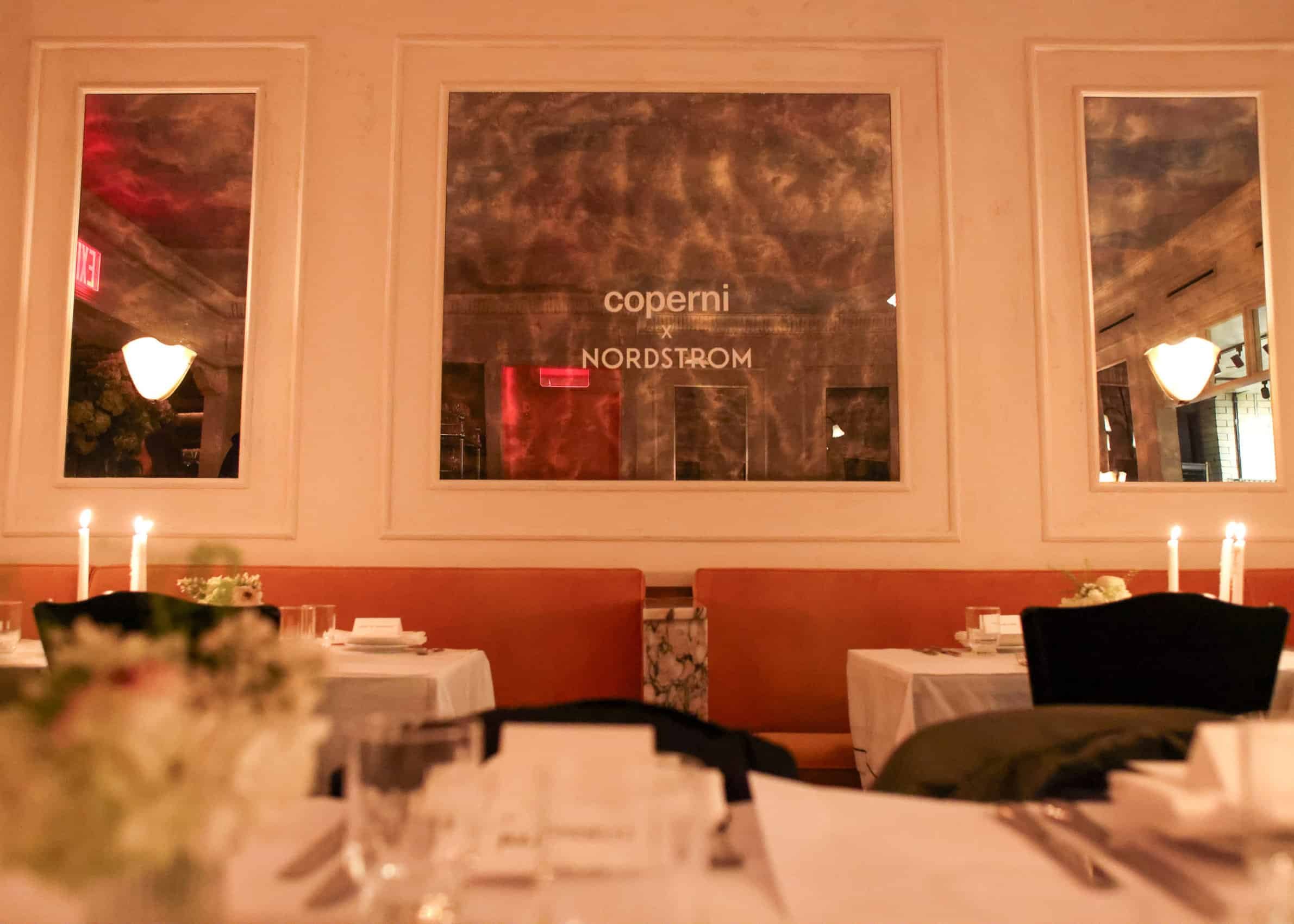
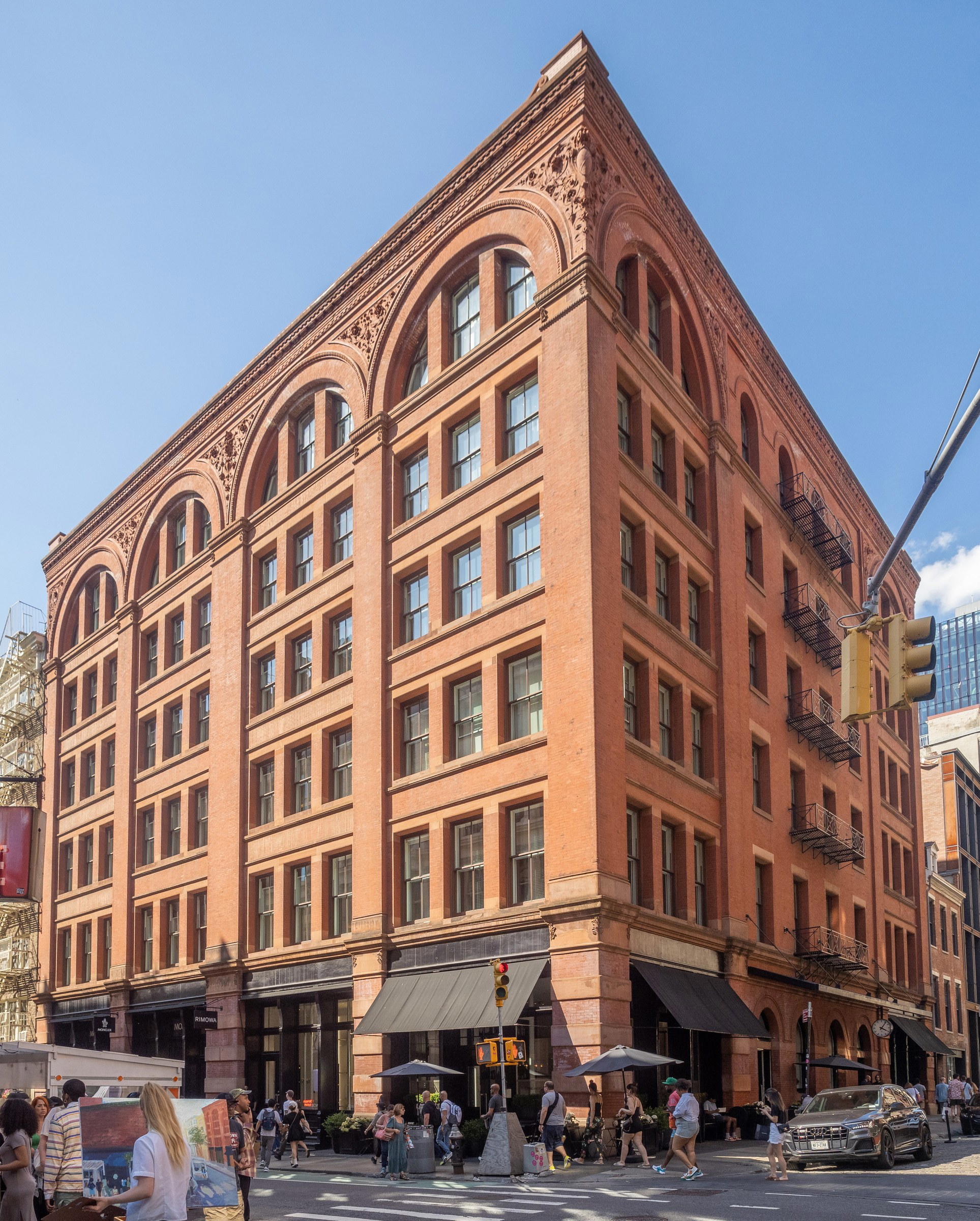
The conversion of a decades-old NoHo bakery into a low-lit, wood-fired restaurant is, in many ways, the defining move of a certain strand of New York dining: find the right bones, strip back the excess, and let the kitchen do the talking. At 290 Elizabeth Street, the Elizabeth Street Hospitality Group followed that logic closely. The space carries the memory of its previous life in a way that feels deliberate rather than accidental, and the result is a room that reads as European bistro without tipping into pastiche. For a city that has spent years cycling through maximalist concepts, there is something almost corrective about the restraint on display here.
NoHo sits at an interesting intersection in Manhattan's dining map. It lacks the tourist volume of the nearby Bowery and the scene-chasing energy of the West Village, which means restaurants here tend to attract a more settled, neighbourhood-loyal crowd. Raf's fits that profile: a place where the bar fills early, the pasta orders run high, and the room rewards repeat visits.
The Menu: European Breadth, Italian and French at the Core
The European category covers a lot of territory on New York menus, often functioning as a catch-all for chefs who want range without constraint. At Raf's, the framing is more disciplined. The menu draws primarily from Italian and French traditions, with the wood-fired oven functioning as an organising principle rather than a novelty feature. Dishes like escargot, leeks vinaigrette, and hand-cut pastas position the kitchen squarely in classical bistro territory, while the specific executions show more technical precision than the familiar formats might suggest.
The escargot arrives enrobed in whipped lardo, a preparation that shifts the dish's texture profile considerably and signals the kind of detail-level thinking that separates a considered menu from a generic one. The leeks vinaigrette, a dish that lives or dies on the quality of its dressing and the care taken with the vegetable itself, is finished with stracciatella, adding a dairy richness that works against the sharpness of the vinaigrette. These are not reinventions. They are intelligent calibrations of established forms.
House-made bread warrants particular attention. In a dining tier that includes New York heavyweights like Le Bernardin, Per Se, and Eleven Madison Park, bread service has become a meaningful signal of kitchen intent. At Raf's, the house-made loaves arrive as a first-order consideration rather than an afterthought, and the instruction to treat them as a must-order reflects a confidence in the product that the kitchen earns.
The Sicilian cast iron skillet pizza offers a different register entirely, functioning as a shareable anchor for groups and a counterpoint to the more finesse-oriented plates elsewhere on the menu.
Pastry Chef Camari Mick's dessert program deserves separate consideration. The white chocolate budino operates on the principle that simplicity, executed at a high level, outperforms complexity deployed for its own sake. It is the kind of dessert that confirms a kitchen's understanding of restraint, and in a city where dessert courses often try to overreach, it reads as a deliberate editorial choice.
The Wine Program and Bar Presence
The editorial angle most relevant to understanding Raf's place in the New York dining conversation runs through its wine and bar program. The room's European orientation provides a natural framework for a cellar built around French and Italian producers, and the bistro format places a premium on by-the-glass range and value-for-format rather than pure depth. For restaurants operating at the $$$$ price tier without the tasting-menu structure of peers like Atomix or Masa, the wine list functions as both a revenue driver and a signal of curation intelligence.
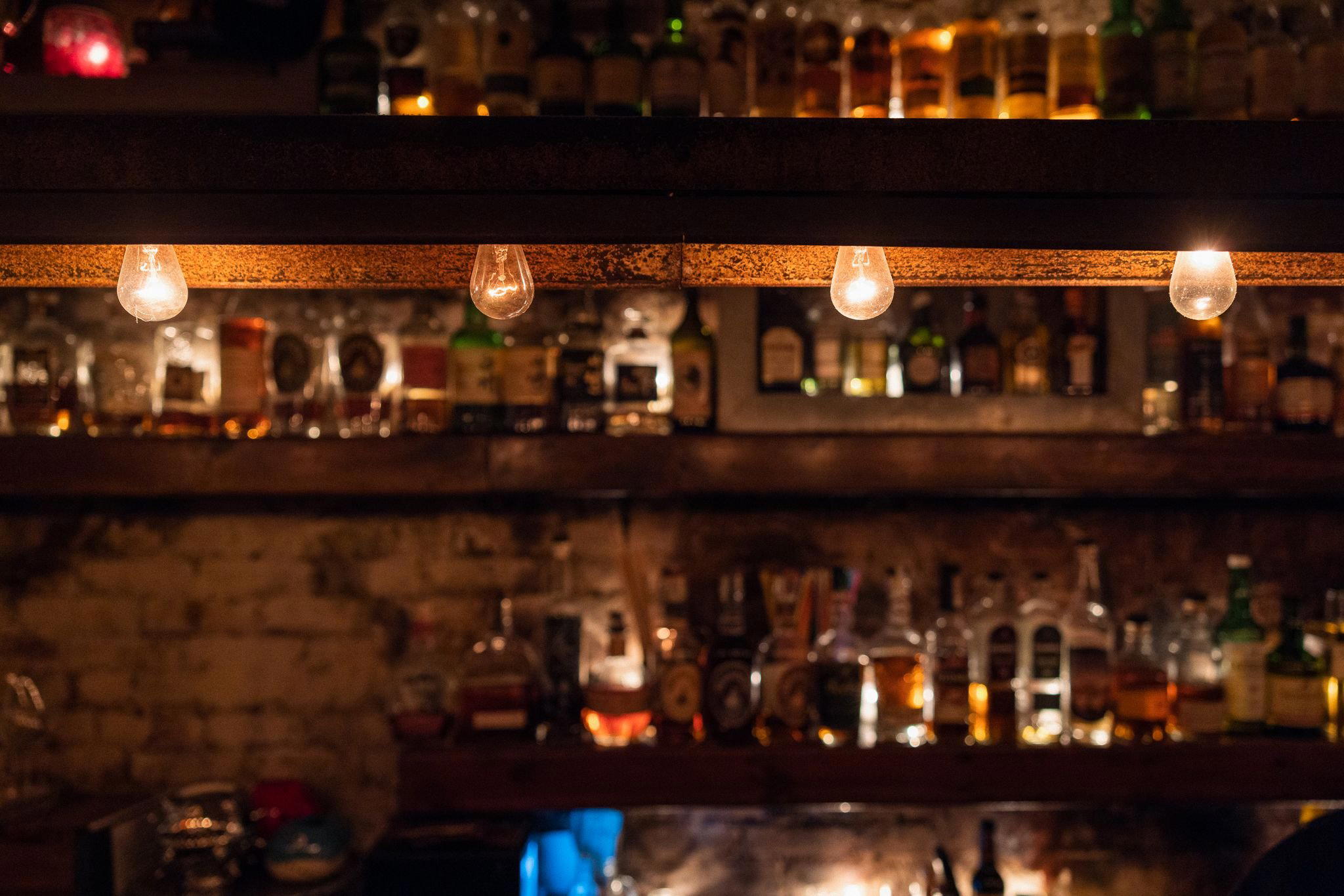
The bar at Raf's carries particular operational weight. For diners who did not plan ahead, the bar is specifically cited as the recommended alternative to the reservation-only dining room, which means the wine and cocktail program needs to work as a standalone experience rather than a waiting area. That distinction matters: it suggests a bar built for lingering, not just queuing, and it positions Raf's within a New York subset of restaurants where the bar experience is architecturally and programmatically integrated into the dining room's identity rather than separated from it.
European bistros of this calibre, whether in Paris, Milan, or their New York equivalents, have historically organised their wine lists around accessibility and food compatibility rather than collector prestige. The French and Italian menu at Raf's implies a cellar weighted toward Burgundy, northern Italian whites, and natural wine producers from both countries, though the specific depth of the list would need direct confirmation. What is clear is that a kitchen producing escargot with whipped lardo and rabbit mafaldine expects the wine list to keep pace with the food's ambition.
How Raf's Fits the NoHo Dining Moment
New York's restaurant scene at the top of the market has polarised sharply between multi-course tasting formats and the kind of à la carte, shareable-dishes approach that Raf's represents. The latter has been in ascendance across several neighbourhoods, partly as a reaction to the rigidity of the tasting-menu format and partly because the economics of post-pandemic dining reward flexibility. Raf's sits confidently in the à la carte camp, with a range of shareable formats that accommodate different table configurations and appetite levels.
The comparison to other European-anchored New York kitchens is instructive. Where restaurants like Le Bernardin operate at the summit of French technique and Eleven Madison Park has moved toward a fully plant-based contemporary format, Raf's occupies a different position: classical bistro execution with the production values of a serious kitchen, at a price point that reflects the quality without demanding tasting-menu commitment. That is a useful niche, and one that a neighbourhood like NoHo, with its mix of long-term residents and destination diners, is well-positioned to support.
For those planning around New York's broader dining picture, the full New York City restaurants guide maps the city's range across categories, price tiers, and neighbourhoods. Those arriving from elsewhere might also find the New York City hotels guide, bars guide, and experiences guide useful for building a fuller picture of the city. For those tracking the European bistro format in other major cities, comparable points of reference include Stiller in Guangzhou and Aroma in Guangzhou, both of which operate European formats in very different competitive contexts.
Planning a Visit
Raf's is located at 290 Elizabeth Street in NoHo, Manhattan. The bar is available for walk-ins and functions as a full alternative to the dining room, making it a reliable option for spontaneous visits. The price range falls at the $$$$ tier, consistent with a kitchen of this calibre in this neighbourhood. For context on how that positions against the wider city, the New York City wineries guide and the broader restaurant guide provide useful frames of reference.
Frequently asked questions
at Raf's?
Where the Accolades Land
| Venue | Cuisine | Price | Awards | Notes |
|---|---|---|---|---|
| Raf'sThis venue (the venue you are viewing) | Italian and French Bistro | $50–100 | Michelin Plate · James Beard Award Semi Finalist | Not listed |
| Le Bernardin | French Seafood Fine Dining | $300–500 | 3 Michelin Stars · World's 50 Best #13 | French, Seafood |
| Atomix | Modern Korean Tasting Menu | $300–500 | 2 Michelin Stars · World's 50 Best #7 | Modern Korean, Korean |
| Masa | Seasonal Hokkaido Tempura Omakase | $150–200 | Tabelog 100 #34 | Sushi, Japanese |
| Per Se | French Fine Dining Tasting Menu | $300–500 | 3 Michelin Stars · World's 50 Best #40 | French, Contemporary |
| Eleven Madison Park | Contemporary Plant-Based Fine Dining | $300–500 | 3 Michelin Stars · World's 50 Best #4 | French, Vegan |
Recognition history
Dated appearances from independent guides and award organizations, with the underlying list record or original source where available.
Michelin Plate
Michelin
James Beard Award Semi Finalist
James Beard Award
Opinionated About Dining Casual in North America Recommended
Opinionated About Dining
New York Times Best Restaurants in New York City
New York Times
Full recognition history (5 entries)
James Beard Award Semi Finalist
James Beard Award
Continue exploring
More in New York City
Restaurants in New York City
All restaurants in New York City →
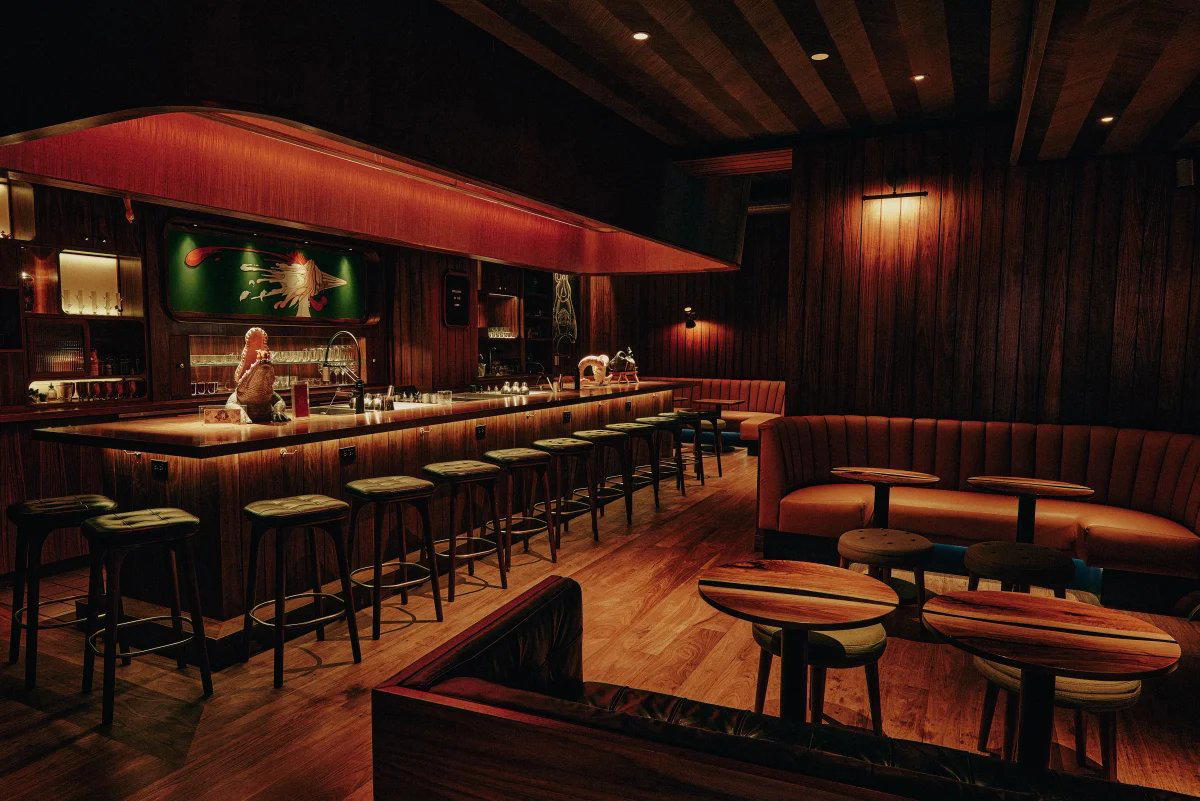
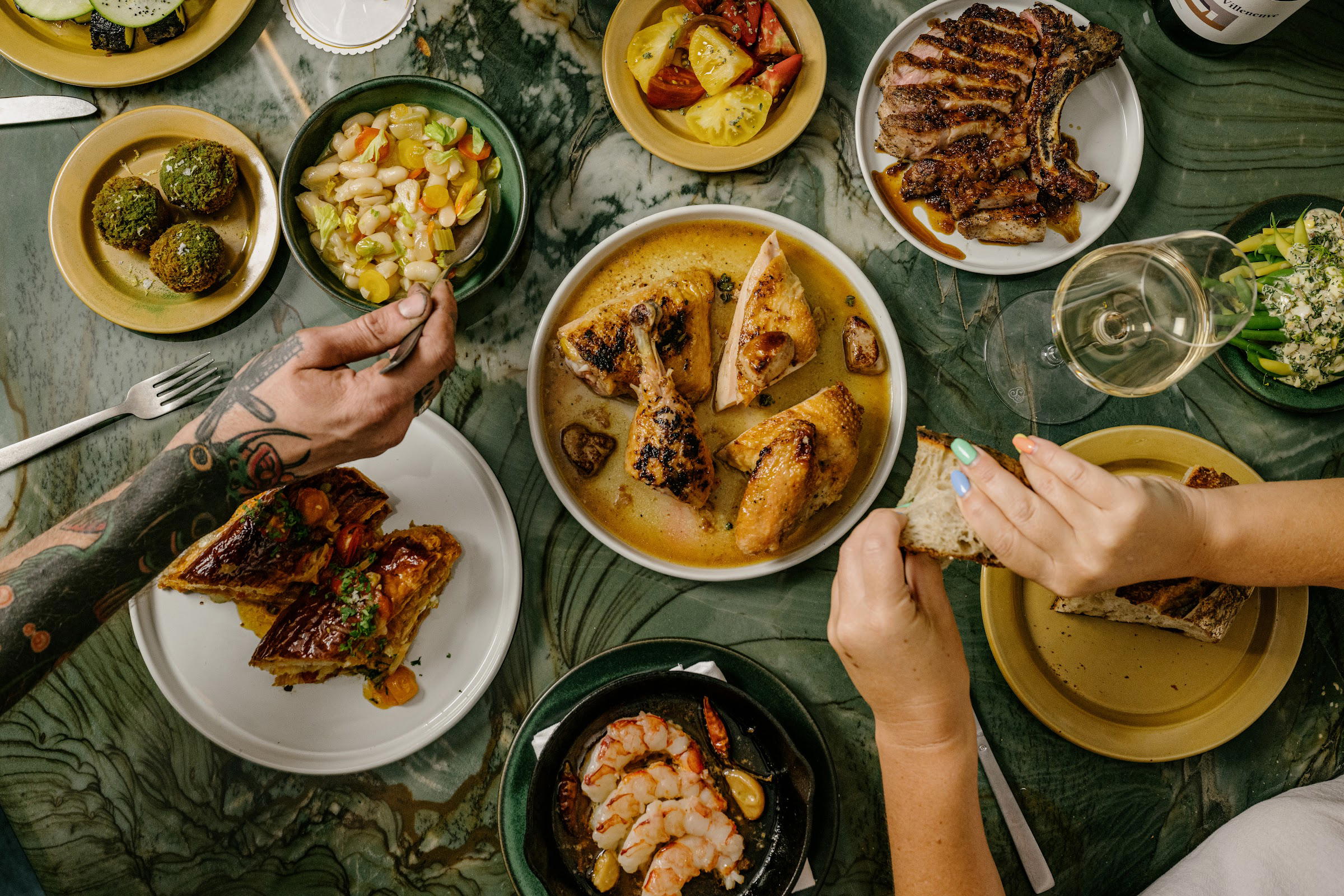
Bars in New York City
All bars in New York City →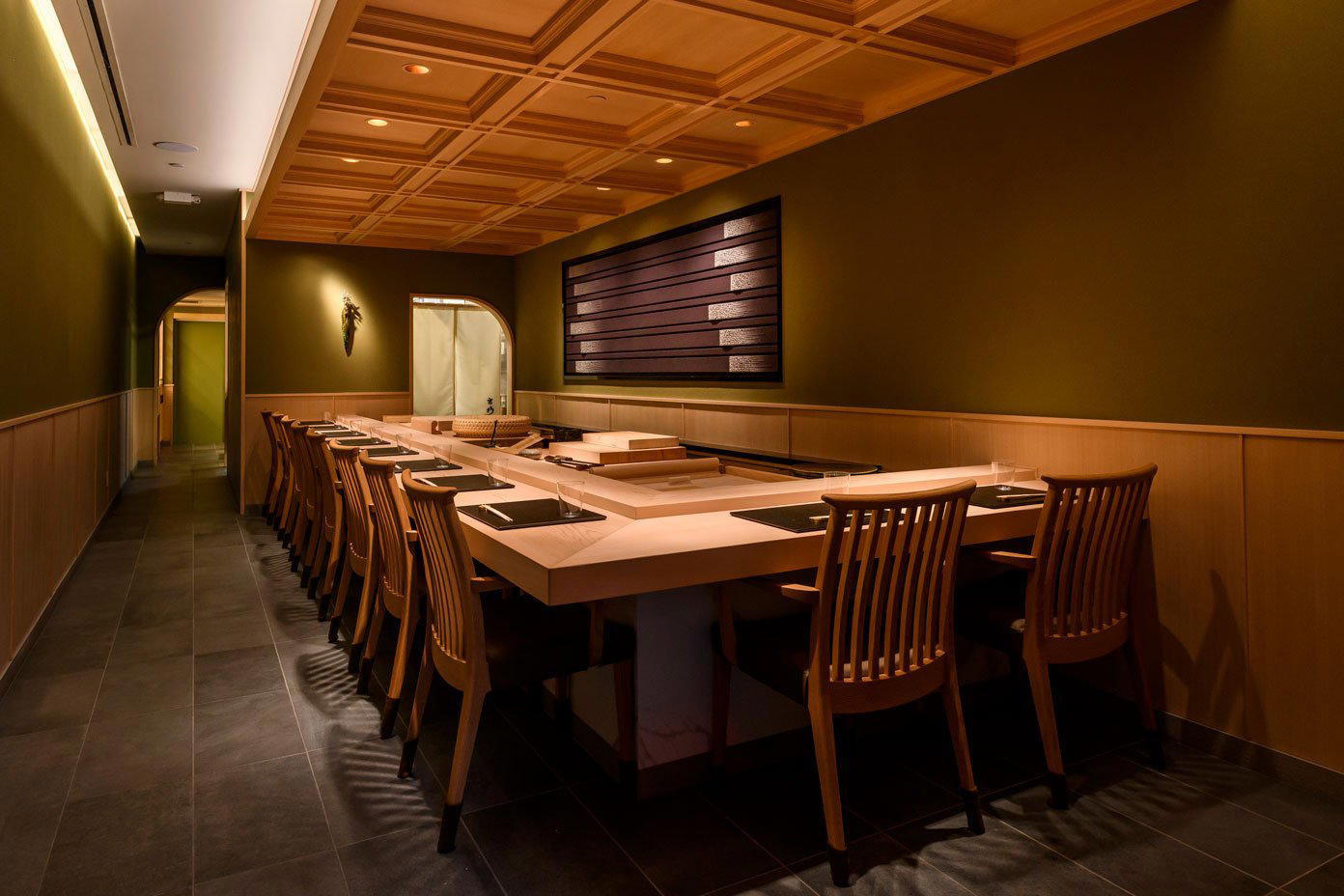
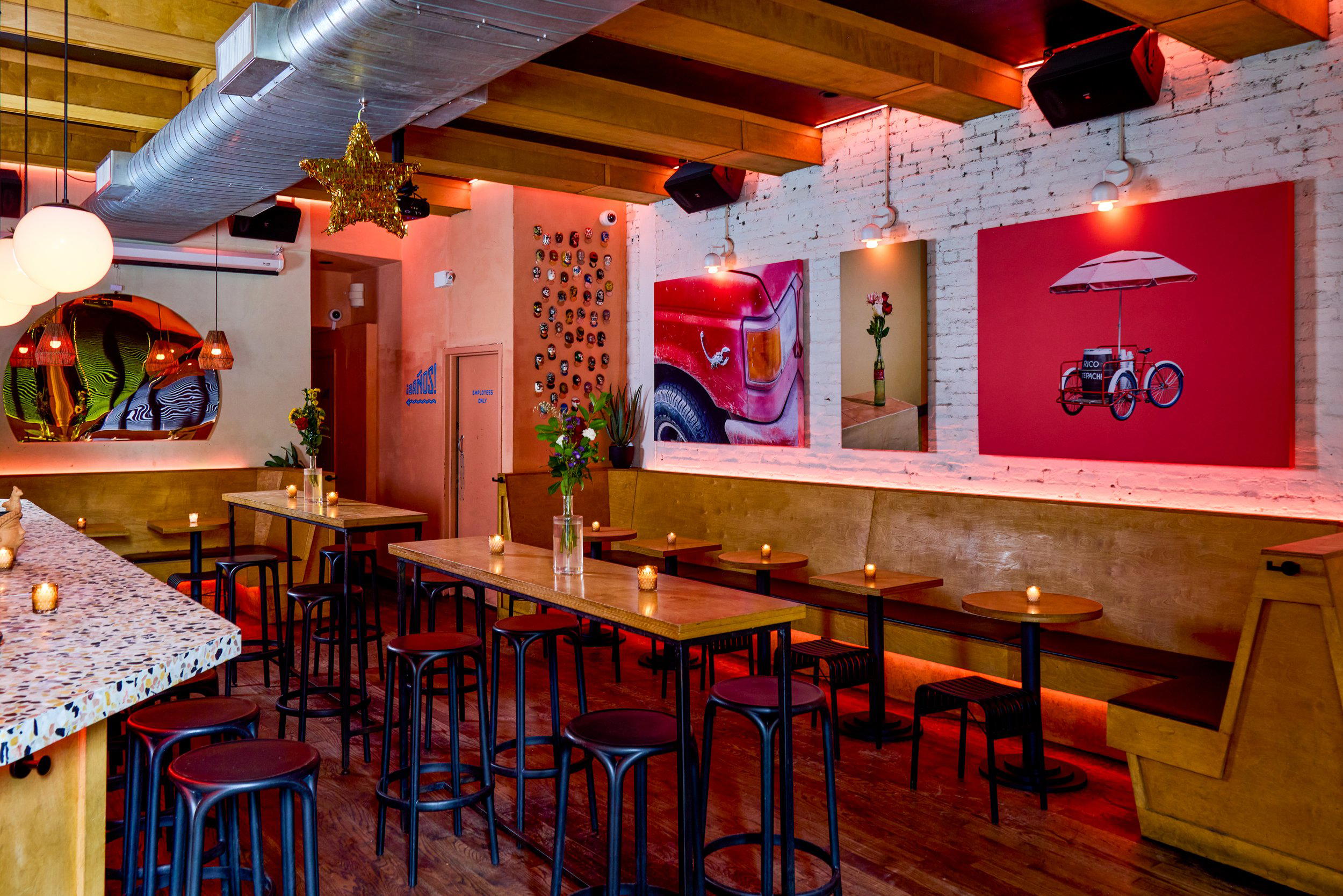





Details
- Intimate
- Elegant
- Cozy
- Sophisticated
- Date Night
- Special Occasion
- Open Kitchen
- A La Carte
Current opening hours
- Monday
- Closed
- Tuesday
- 9 AM–3 PM, 5–11 PM
- Wednesday
- 9 AM–3 PM, 5–11 PM
- Thursday
- 9 AM–3 PM, 5–11 PM
- Friday
- 9 AM–3 PM, 5 PM–12 AM
- Saturday
- 9 AM–3 PM, 5 PM–12 AM
- Sunday
- 9 AM–11 PM
Hours can change for holidays and private events. Hours as of .
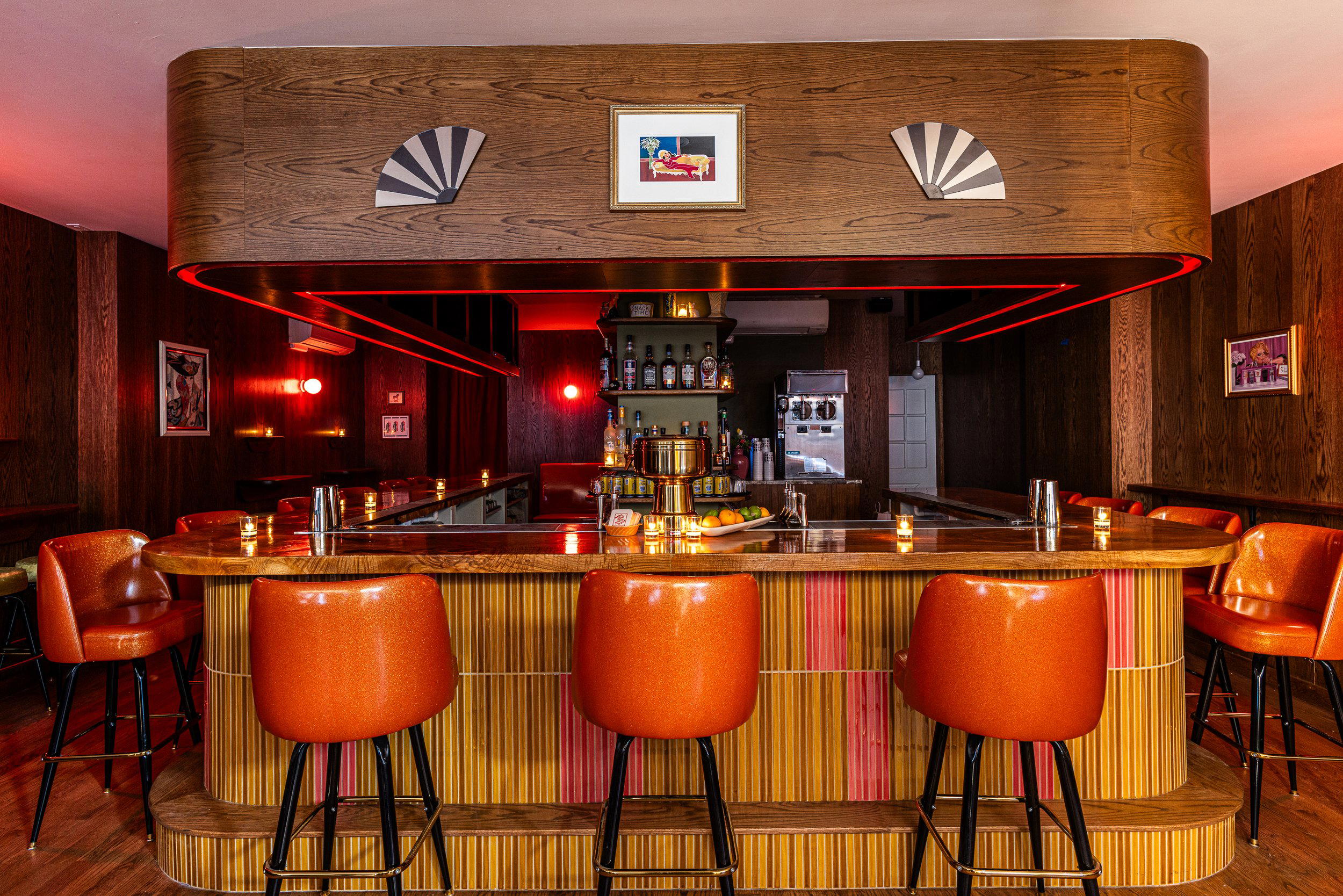
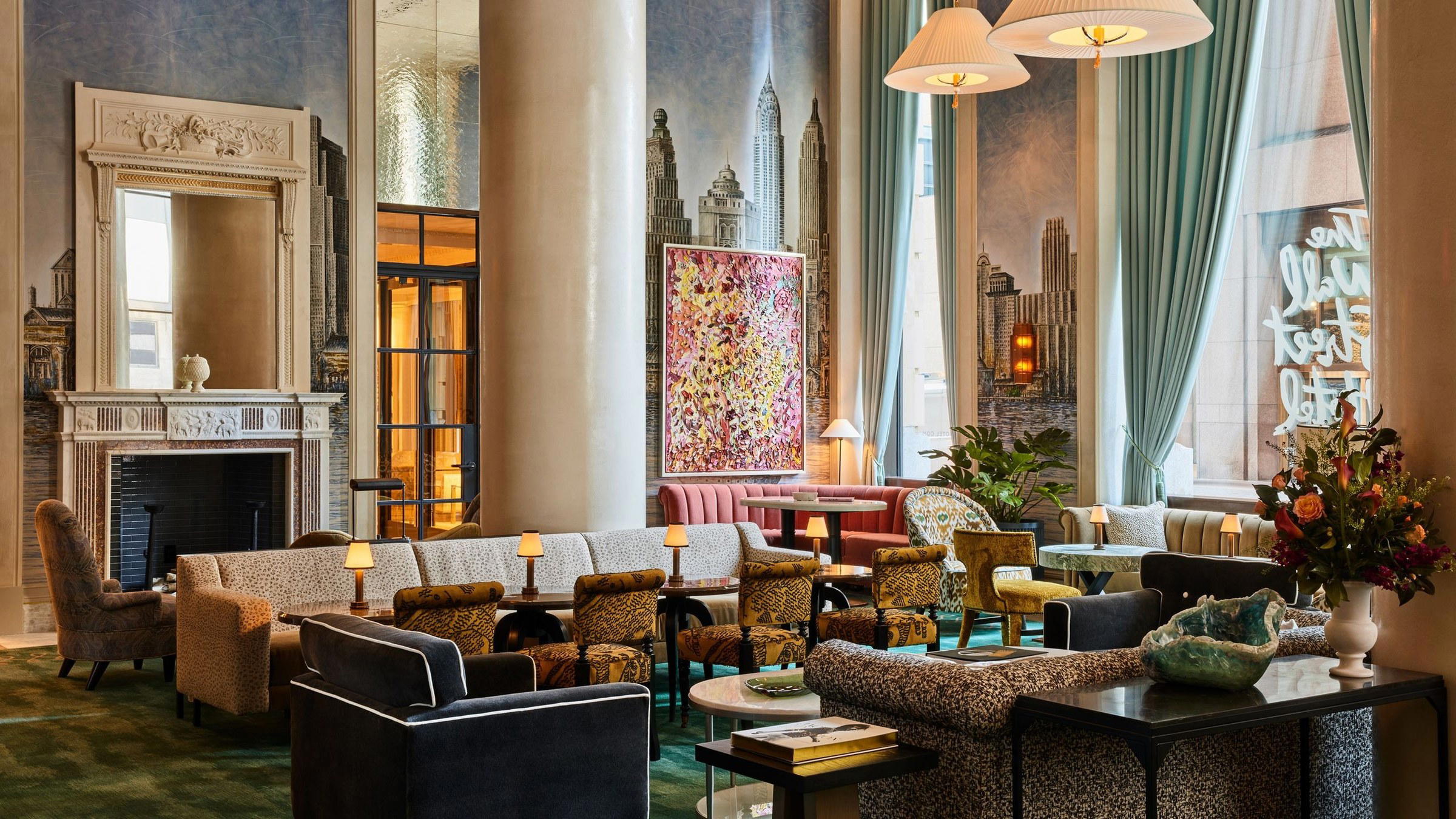
Glowy and candlelit with white tablecloths, antiqued mirrors, subway tiles, and an open kitchen, creating an intimate and effortlessly cool European bistro atmosphere.