Radici
Our verdict
Radici occupies a precise address in Luxembourg's Kirchberg district, a quarter better known for European institutions than for serious dining. Set against a neighbourhood in transition, it positions itself within the city's growing cohort of restaurants that treat sourcing and environmental accountability as structural commitments rather than marketing additions. For visitors mapping Luxembourg's restaurant scene, Radici offers a distinct reference point among the capital's more considered tables.

Pearl is the En Primeur Club membership app — saves, bookings, and concierge access live there. Same editors, same standards.
- Address
- 6 Rue du Fort Niedergruenewald, 2226 Kirchberg Luxembourg
- Phone
- +35243776870
- Hours
- Mon–Fri 12–2 PM, 7–10:30 PMSat 7–10:30 PMSun Closed
- Website
- radici.lu
- Directions
- Get directions
- Booking
- Book on the venue's website
Kirchberg and the Question of Dining Ambition
Luxembourg's Kirchberg plateau has spent decades defined by its institutional architecture: the European Court of Justice, the Philharmonie, the Mudam contemporary art museum. Restaurants here have historically served a different purpose than those in the old city or Clausen, functioning more as business-hours support for the quarter's workforce than as destinations in their own right. That dynamic has been shifting. Radici, at 6 Rue du Fort Niedergruenewald, sits inside this transition, occupying a neighbourhood that is acquiring a more considered hospitality character without yet shedding its institutional identity.
The address matters because it tells you something about the restaurant's intended audience. Kirchberg draws an internationally mobile crowd, largely connected to EU institutions and the financial sector, with exposure to high-standard dining in Brussels, Frankfurt, and beyond. That is a demanding peer-comparison group, and restaurants in the quarter either ignore the standard or meet it. Radici's positioning, from what the address and available signals suggest, aligns with the latter ambition.
The Sourcing Premise: How Luxembourg's Ethical Dining Tier Works
Across Luxembourg's restaurant scene, a recognisable tier has emerged: kitchens that structure their menus around provenance accountability, reduced waste, and relationships with producers rather than distributors. Archibald De Prince, operating in the organic category at €€€€, represents one anchor in this set. Apdikt, in the creative tier at €€€, represents another entry point at a lower price ceiling. Radici's name itself — Italian for "roots" — signals the thematic register it is operating in: a return to origin, a grounding in source material, a stated interest in where things come from before they reach the plate.
This is not a peripheral concern in contemporary European fine dining. The restaurants that have built the most durable reputations in the past decade, from Copenhagen's fermentation-forward kitchens to the regenerative-agriculture-aligned tables in rural France, have made supply chain integrity a central rather than supplementary part of their identity. In Luxembourg, the scale of the country creates a particular version of this challenge: local producers are limited in volume, and sourcing from within the Grand Duchy or its immediate borders requires genuine relationships rather than catalogue ordering. When a restaurant name evokes roots, the question worth asking is whether the sourcing practice matches the branding.
The Italian Inflection in a French-Dominant Market
Luxembourg's restaurant culture has been shaped heavily by French culinary tradition. Léa Linster and Ma Langue Sourit both operate in the modern and contemporary French register at the €€€€ tier, and between them they account for a significant share of the city's critical attention. Fani offers a counterpoint in the Italian category, also at €€€€, demonstrating that there is appetite for a serious Italian table in the capital.
The word "Radici" places the restaurant in Italian cultural territory, and this framing has implications for how sustainability operates within the kitchen's approach. Italian culinary tradition has its own language of ethical sourcing: the Slow Food movement began in Italy, DOP and IGP designations were developed within an Italian regulatory framework, and the concept of cucina povera, cooking that extracts maximum flavour from minimum waste, is embedded in the tradition. A restaurant working in this register, even in a northern European capital far from Italian geography, has access to a coherent philosophical vocabulary for connecting sourcing ethics to cooking technique.
For visitors to Luxembourg who have already experienced the French-inflected fine dining circuit, Radici offers a different reference frame. Where Ma Langue Sourit represents the apex of the contemporary French approach in the city, and Léa Linster carries the weight of modern French tradition, a table grounded in Italian sourcing philosophy occupies different critical territory.
Kirchberg as a Dining Destination: Practical Orientation
Kirchberg is not a walking neighbourhood in the way that the old city, Clausen, or Grund are. It sits on a plateau above the Alzette valley, purpose-built for institutional use, and arriving by car or tram (the Kirchberg line connects to the city centre) is more practical than approaching on foot from the old town. The address at Rue du Fort Niedergruenewald places Radici within the quarter's more recently developed edge, adjacent to the European district's institutional cluster.
For visitors structuring a wider Luxembourg dining itinerary, the country's geography rewards some planning. Day trips and meals in the broader Grand Duchy are genuinely practical: Beim Bertchen in Wahlhausen, Côté cour in Bourglinster, and Domaine La Forêt in Remich each represent distinct regional dining experiences accessible within an hour of the capital. Closer in, Beefbar Smets in Strassen and B13 in Bertrange fill out the suburban tier. For further context across the full city dining scene, the EP Club Luxembourg restaurants guide maps the broader picture.
Reservation logistics for Kirchberg restaurants vary. The quarter's lunch trade is driven by institutional calendars, which means midday slots can fill quickly during EU council weeks and parliamentary sessions. Evening bookings tend to be more available, though a restaurant with a clear sustainability positioning and a well-defined identity can build a following that compresses availability.
Where Radici Sits in the Critical Picture
Luxembourg's dining scene punches above what its population size would predict. The country has a Michelin presence across multiple tiers and a dining public with exposure to the European capitals immediately surrounding it. Within this environment, restaurants that ground their identity in a specific sourcing philosophy compete not just on cooking execution but on coherence: whether the premise holds together from the producer relationships through to the plate.
Internationally, the reference points for this approach are well established. Le Bernardin in New York has demonstrated that a single-minded focus on ingredient quality can sustain critical relevance across decades. Atomix, also in New York, shows what happens when a kitchen builds its entire architecture around cultural and sourcing specificity. These are different scales and contexts, but the underlying principle transfers: clarity of premise, sustained over time, is what separates restaurants with durable reputations from those that trade on positioning alone.
For Radici, operating in Kirchberg with a name that commits it to a rootedness narrative, the critical question is the same one facing any restaurant in this tier: whether the sourcing story is structural or decorative. Luxembourg's more considered dining tables, including Archibald De Prince and the farm-to-table adjacent operations outside the city like Kore in Steinfort and Der Napf in Wilwerdange, have built their reputations by making that structural commitment visible in the menu format, the producer acknowledgements, and the seasonal responsiveness of the kitchen. Radici's place in that conversation will be determined by the same measures.
Frequently asked questions
What part of town is Radici in?
Radici is located at 6 Rue du Fort Niedergruenewald, 2226 Kirchberg Luxembourg, Luxembourg.
How does Radici fit into the broader Italian dining options across Luxembourg City?
Radici occupies a distinct position in Luxembourg City's Italian restaurant offering by combining sourcing accountability with an Italian culinary framework, rather than operating as a conventional trattoria or pizza-led concept. Its location in Kirchberg, at 6 Rue du Fort Niedergruenewald, places it away from the tourist-facing old city and closer to the European institutions district, drawing a professional and internationally aware dining crowd. That context shapes both the kitchen's ambition and its audience in ways that set it apart from Italian restaurants in Grund or the city centre.
What's the best thing to order at Radici?
Radici's menu is structured around provenance accountability, which means the kitchen's strongest dishes tend to reflect what is being sourced well at any given time rather than fixed signature plates. The Italian inflection within Luxembourg's French-dominant restaurant culture gives the menu a distinct character worth exploring across multiple courses. For the most current picture of what the kitchen is leading with, checking directly with the restaurant at 6 Rue du Fort Niedergruenewald is the practical approach.
Do I need a reservation for Radici?
Kirchberg is primarily a business and institutional district rather than a footfall neighbourhood, which means Radici draws a purposeful crowd rather than walk-in traffic. Booking ahead is advisable, particularly for weekday lunches when the European institutions bring professional diners to the plateau. check the venue's official channels at its Kirchberg address for current availability.
What do critics highlight about Radici?
Within Luxembourg's dining conversation, Radici is positioned alongside kitchens that take sourcing transparency seriously, a tier that has drawn editorial attention in a country whose restaurant scene punches above its population size. The Italian register in a market shaped by French culinary tradition also gives Radici a distinct reference point that critics in the local scene have noted. Specific published reviews are best sought through Luxembourg-focused food media for the most current critical assessment.
Can Radici handle vegetarian requests?
Kitchens in Luxembourg's provenance-accountability tier typically build menus around seasonal and locally sourced produce, which creates a natural foundation for vegetable-forward cooking. Whether Radici offers a dedicated vegetarian menu or adapts dishes on request is worth confirming directly with the restaurant at 6 Rue du Fort Niedergruenewald before your visit.
Is Radici good value for money?
Luxembourg's dining market sits at a higher price point than most European capitals, reflecting both the cost base and the spending power of its international professional population. Radici occupies the provenance-driven tier, where ingredient sourcing and reduced waste commitments typically support mid-to-upper pricing rather than budget positioning. For current menu pricing, contacting the restaurant directly gives the most accurate picture.
The Quick Read
Comparable venues nearby, for context on price, style, and recognition.
| Venue | Cuisine | Price | Awards | Notes |
|---|---|---|---|---|
| RadiciThis venue — the venue you are viewing | Authentic Italian Trattoria | Not listed | Not listed | Not listed |
| Brasserie Guillaume | Classic French Brasserie & Seafood | $30–50 | Not listed | Ville Haute, Classic French Brasserie & Seafood |
| Bellamy | French Fusion Gastro-Tapas | $50–100 | Not listed | Ville Haute, French Fusion Gastro-Tapas |
| Gusto Naturale | Modern Italian | $50–100 | Michelin Plate | Schifflange, Modern Italian |
| Public House | Seasonal Local Tasting Menu | Not listed | We're Smart World 2 Radishes | Ville Haute, Seasonal Local Tasting Menu |
| Chocolate House | Chocolate Cafe | $10–20 | Not listed | Ville Haute, Chocolate Cafe |
Continue exploring
More in Luxembourg
Restaurants in Luxembourg
Browse all →
Bars in Luxembourg
Browse all →

Hotels in Luxembourg
Browse all →
Details
- Elegant
- Cozy
- Sophisticated
- Modern
- Date Night
- Business Dinner
- Hotel Restaurant
- Extensive Wine List
- A La Carte
- Tasting Menu
- Vegetarian Friendly
- Vegan Options
Current opening hours
- Monday
- 12–2 PM, 7–10:30 PM
- Tuesday
- 12–2 PM, 7–10:30 PM
- Wednesday
- 12–2 PM, 7–10:30 PM
- Thursday
- 12–2 PM, 7–10:30 PM
- Friday
- 12–2 PM, 7–10:30 PM
- Saturday
- 7–10:30 PM
- Sunday
- Closed
Hours can change for holidays and private events. Last verified .
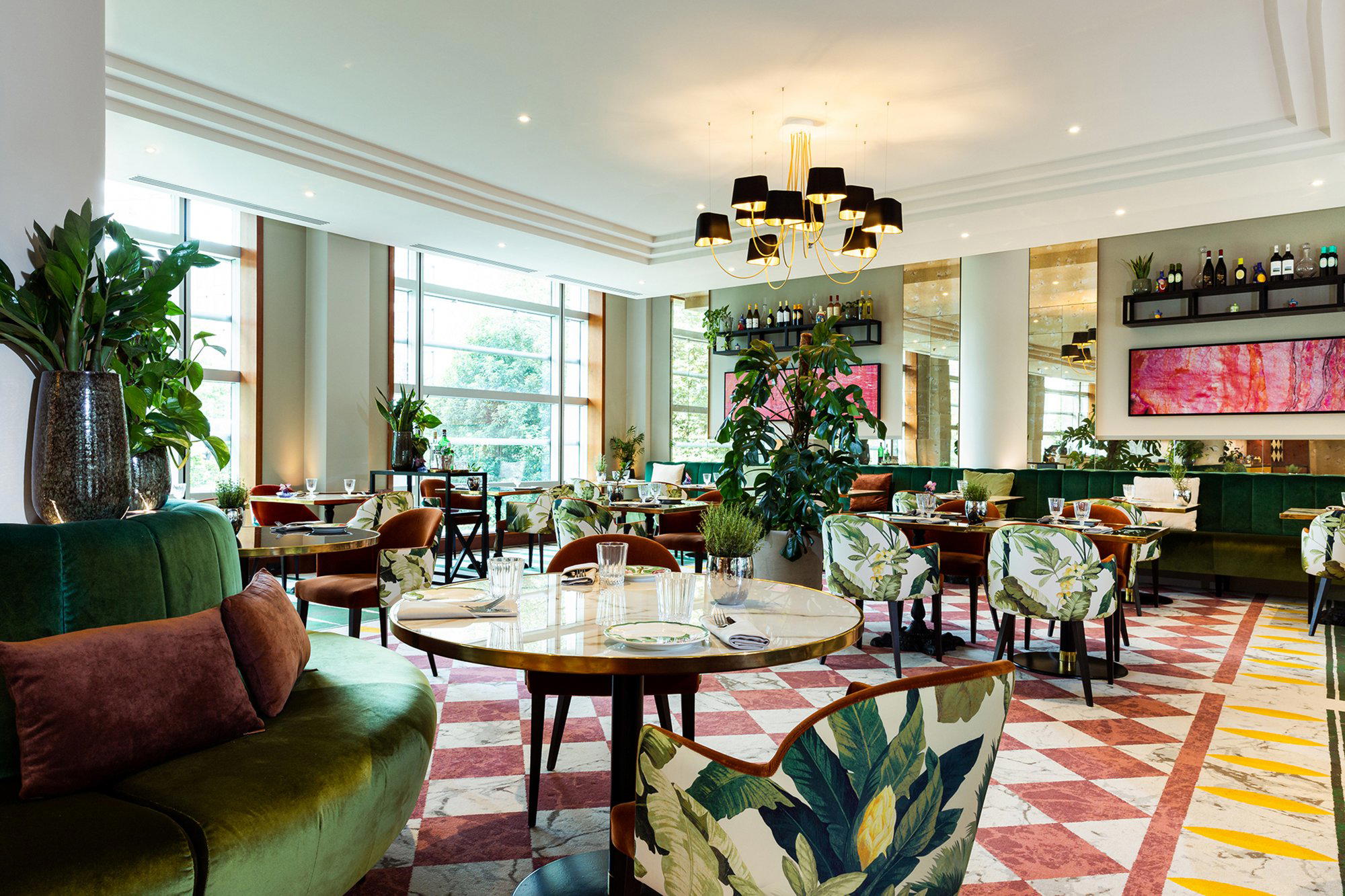
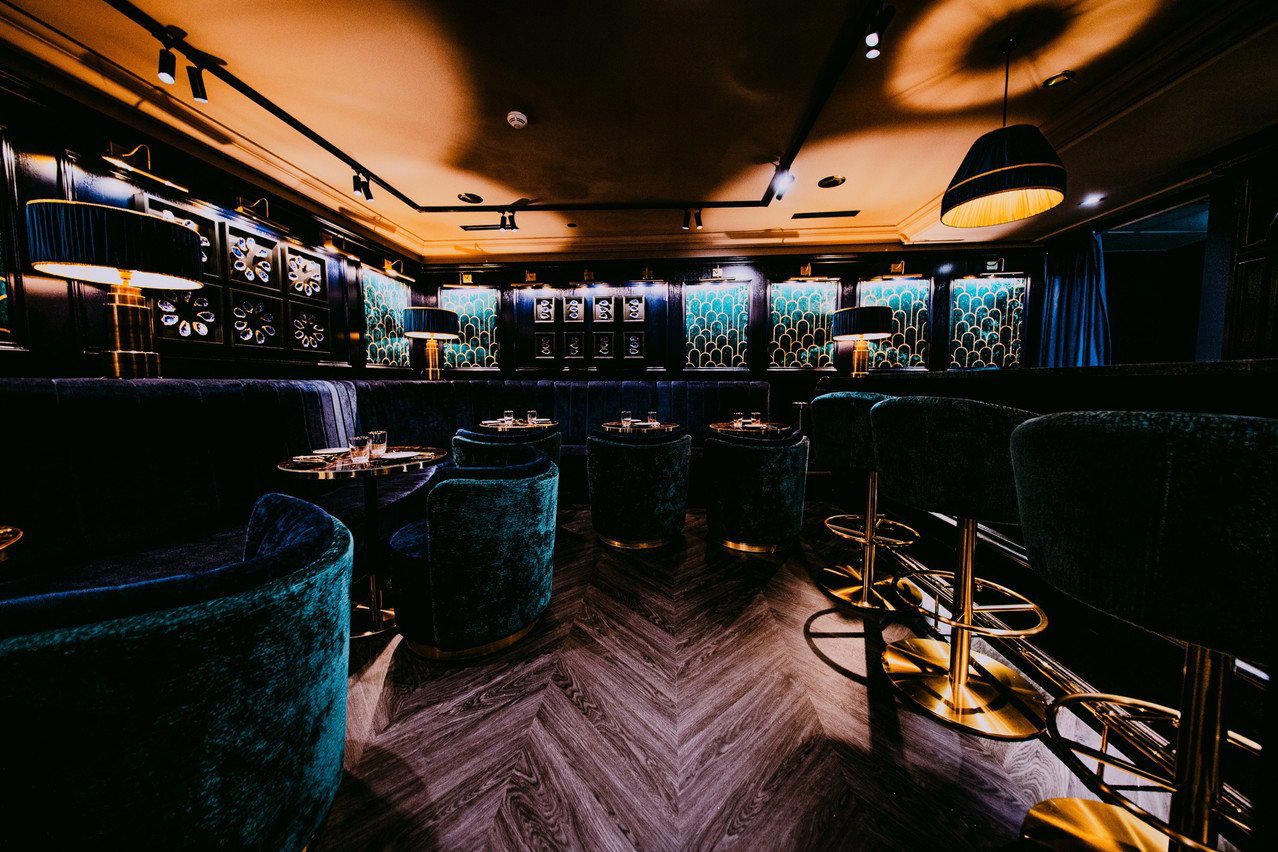
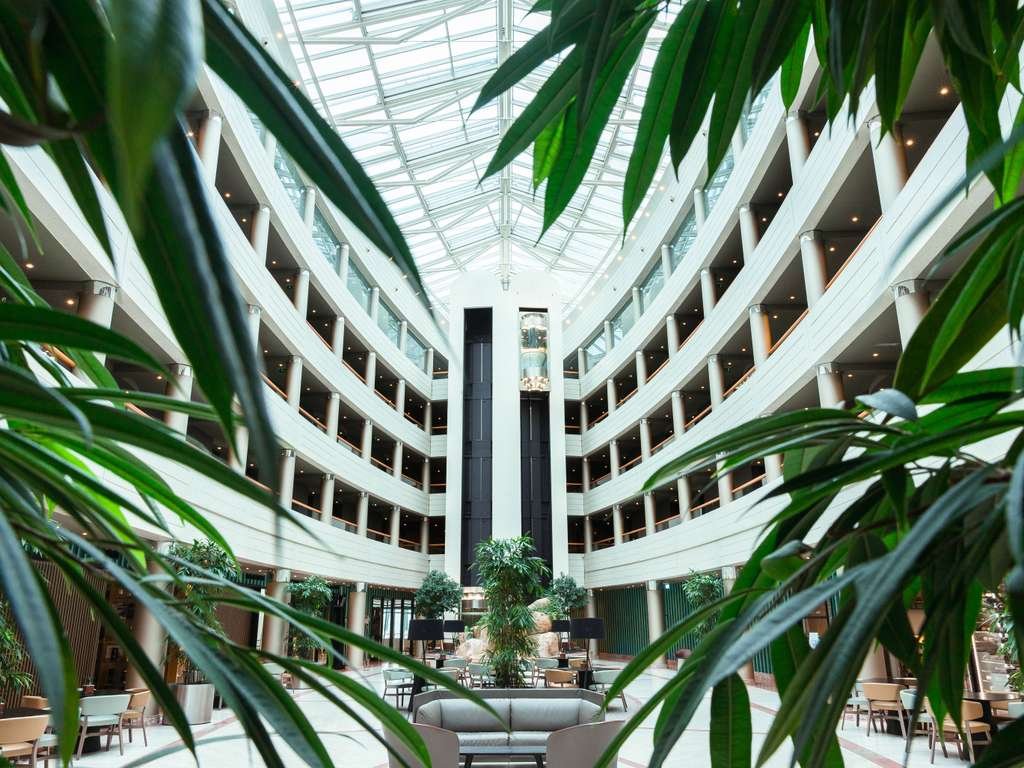
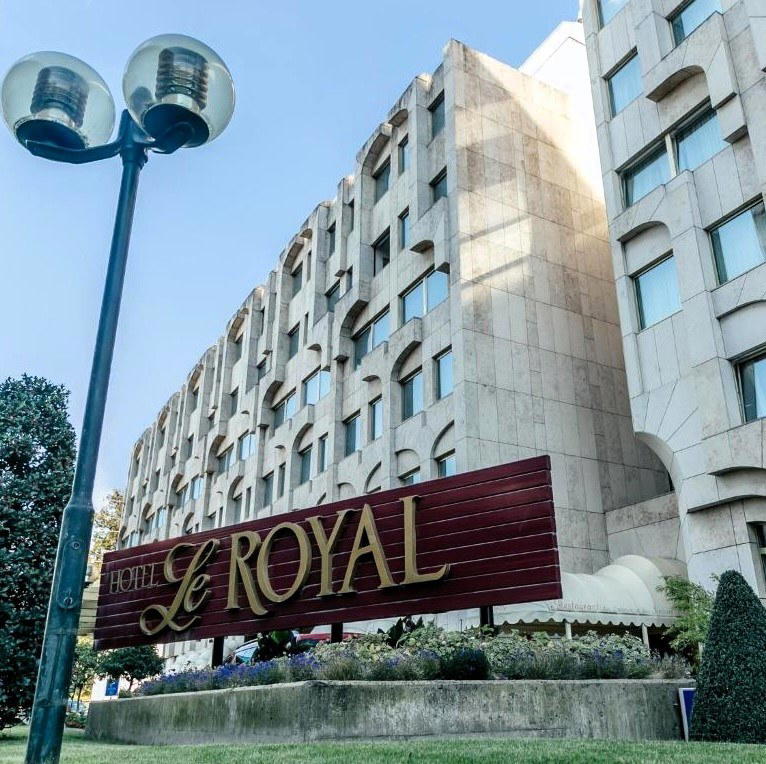
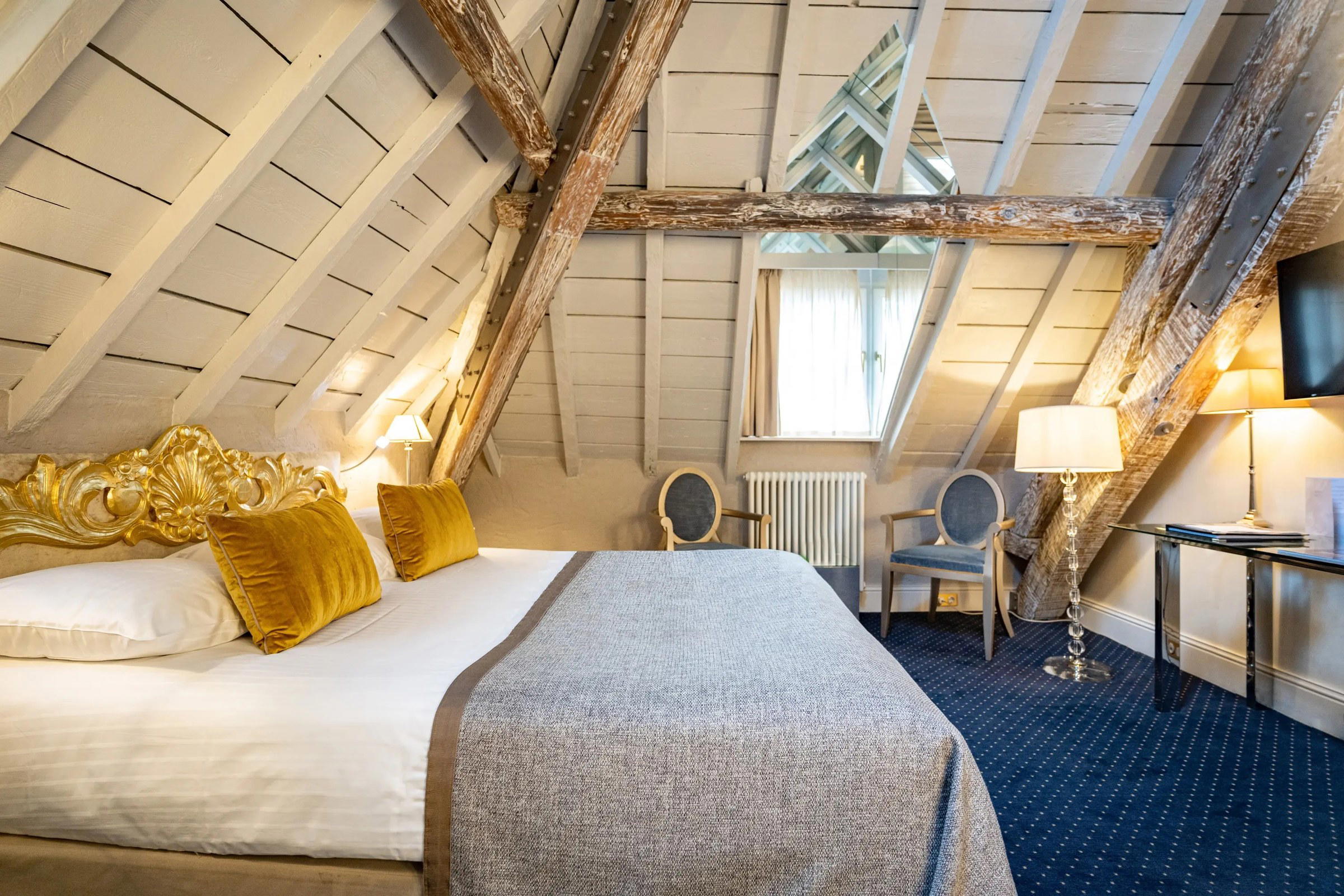
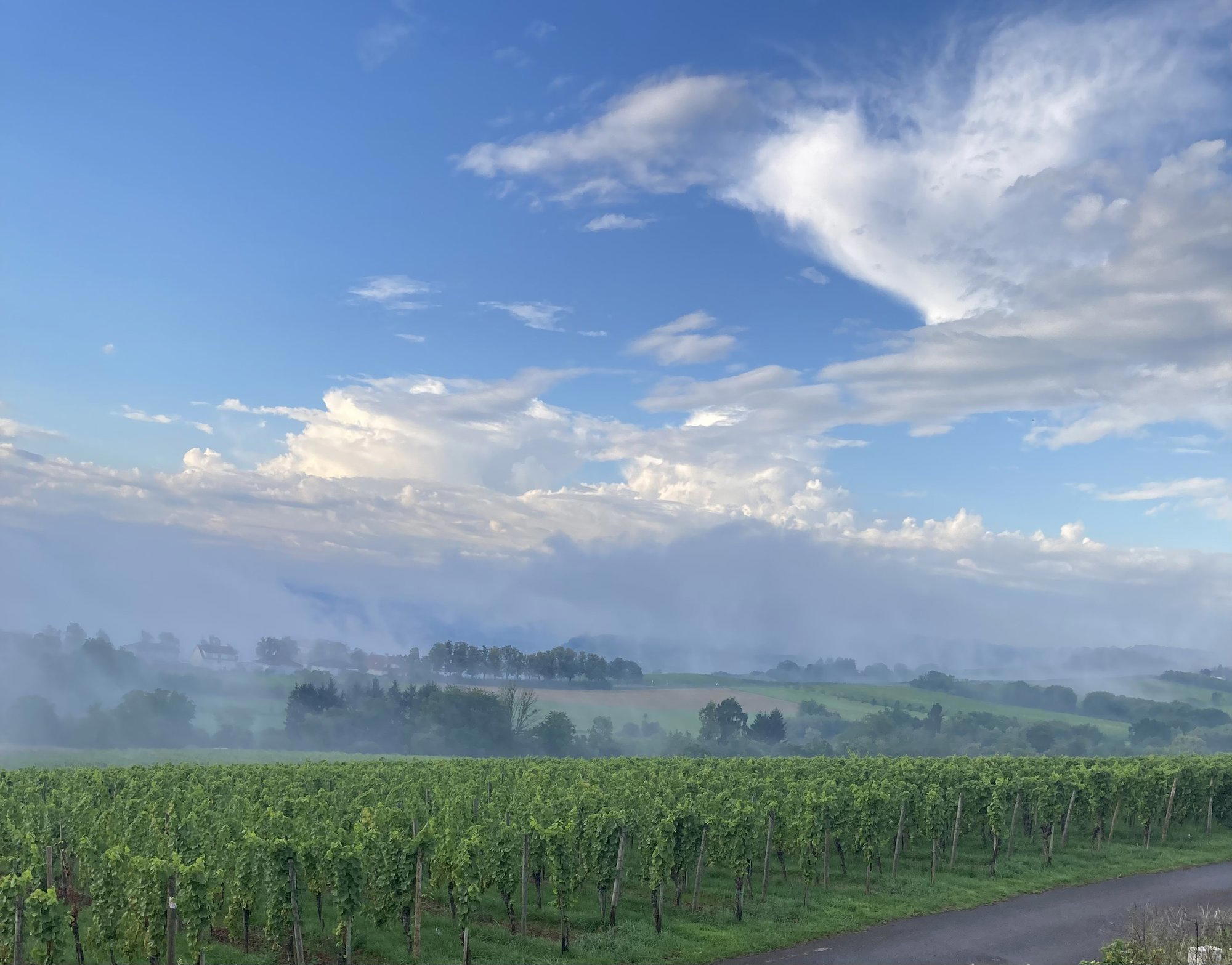
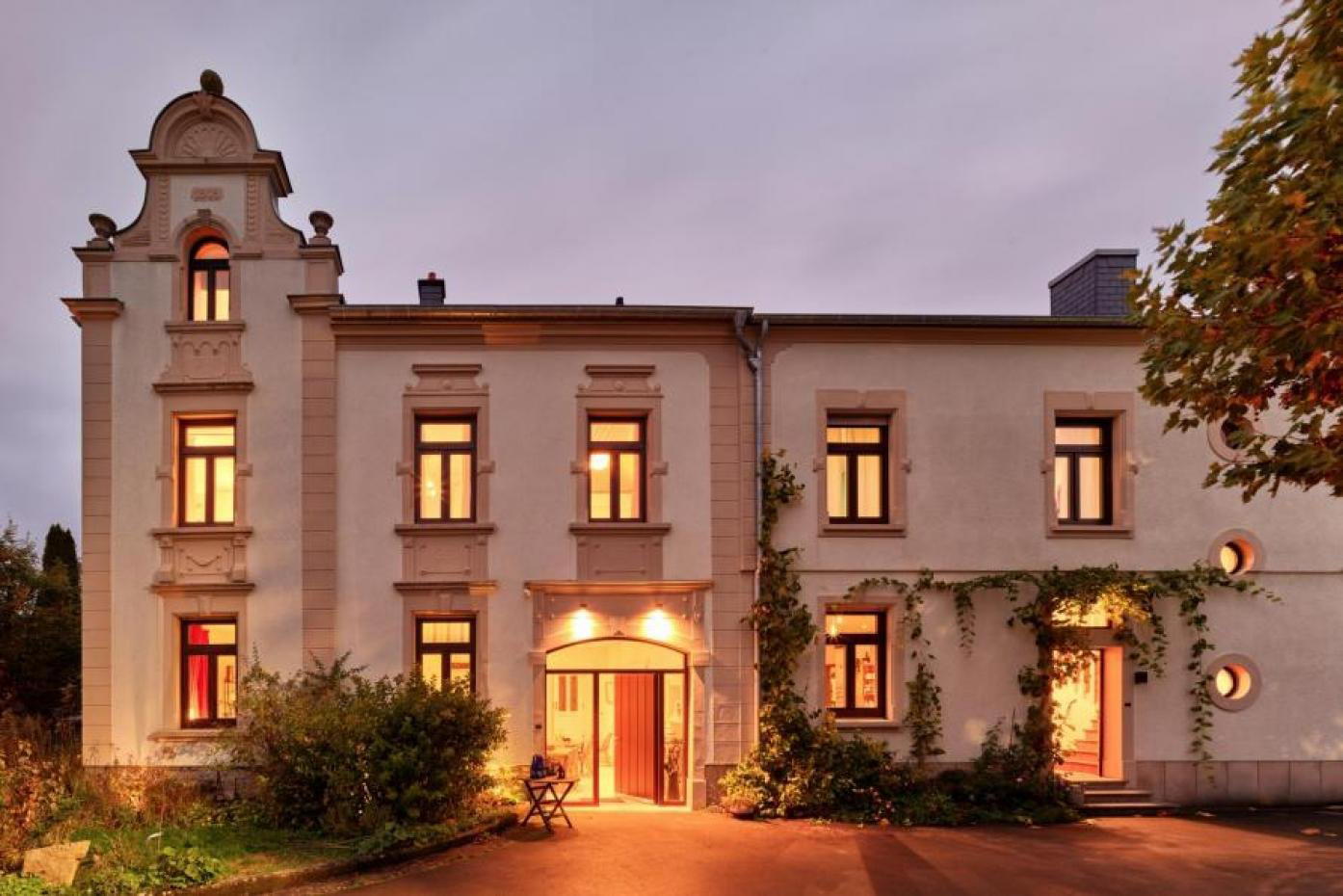
Bright and green setting with colorful, lively decor blending sophistication and warmth, described as relaxing, quiet, and elegant.