Public House

On Boulevard Franklin D. Roosevelt, Public House occupies a historic building while operating with the energy of a younger generation. Chef Anne Knepper leads a team whose ambition occasionally surfaces in flashes of genuine refinement, though the kitchen has not yet fully committed to the vegetable-forward direction it signals. A restaurant worth tracking as it finds its register.
Pearl is the En Primeur Club membership app — saves, bookings, and concierge access live there. Same editors, same standards.
- Address
- 7, Boulevard Franklin D. Roosevelt, 2450 Luxembourg, Luxembourg
- Phone
- +352621573723
- Website
- publichouse.lu
- Directions
- Get directions
 Saves & bookings on Pearl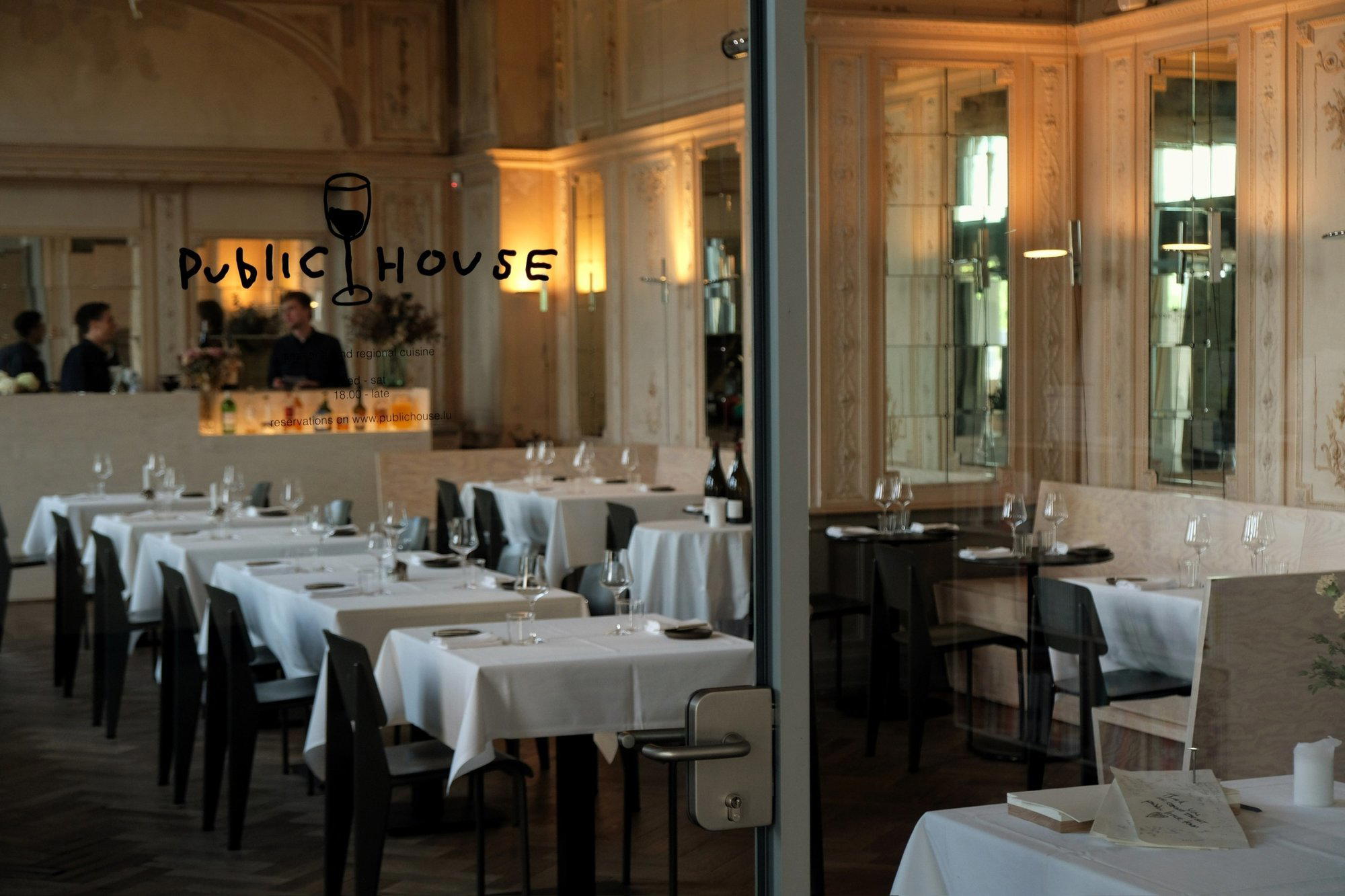
A Historic Address, A Kitchen Still Finding Its Voice
Boulevard Franklin D. Roosevelt cuts through one of Luxembourg City's more composed stretches, lined with period facades that carry the weight of the Grand Duchy's institutional confidence. Number 7 sits within that continuity, a building whose bones predate the dining generation now working inside it. That tension between the architectural frame and the people animating it is, in many ways, the defining characteristic of Public House as a dining proposition in 2024.
Luxembourg's restaurant scene has been quietly reconfiguring itself over the past decade. The city's fine-dining tier, anchored by long-established references like Léa Linster (Modern French) and Ma Langue Sourit (Contemporary French, Modern Cuisine), has coexisted with a newer current of kitchens that draw on different energy, less ceremony, more curiosity. Public House positions itself in that second current, though it is working out exactly how far to take the premise.
The Cultural Argument for Vegetables
The editorial angle worth examining at Public House is not the historic building or the youth of its team, but the broader shift in what European restaurant cooking is expected to prioritise. Across cities from Copenhagen to Lyon, the past decade produced a serious renegotiation of protein's dominance on the plate. Vegetables stopped being accompaniment and started being the subject. That shift has arrived in Luxembourg, and kitchens that signal an intent to lead on vegetables are making a cultural as much as a culinary statement.
The restaurant signals that intent. The kitchen shows evidence of a chef, Anne Knepper, who understands what a vegetable-led plate can look like when it is handled with real intention. The problem, and it is worth naming clearly, is that the signal and the execution have not yet converged consistently. The menu at present tends to resolve toward classical habits: preparations that feel comfortable and familiar rather than genuinely committed to the vegetable-forward frame the restaurant implies. When a dish breaks from that pattern, it can be genuinely arresting, a flash of what the kitchen is capable of producing when it trusts the direction. Those moments are what justify the attention, and why the restaurant sits in a watch-and-develop category rather than a settled one.
The comparison is useful here. At Apdikt (Creative), the creative brief is pursued more consistently from first course to last. At Archibald De Prince (Organic), the organic sourcing framework imposes a discipline that keeps the kitchen anchored to its stated identity. The restaurant is still negotiating between what it aspires to be and what its classic training defaults to when the pressure is on. That is not a failure condition, it is a development phase, but it is worth understanding before booking.
The Energy in the Room
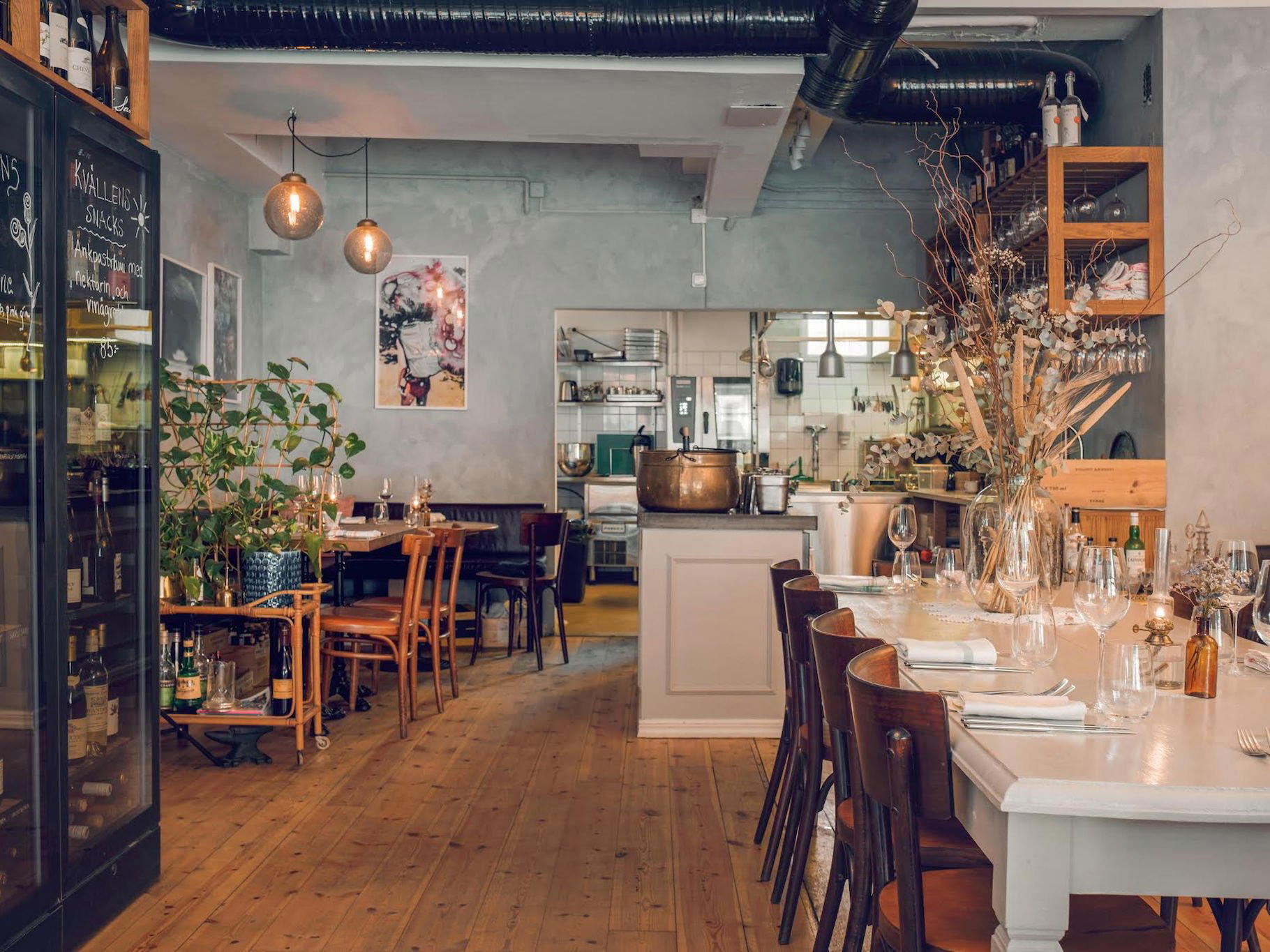
Whatever the kitchen's current register, the dining room operates with a dynamism that distinguishes it from Luxembourg's more established addresses. The team is young, and that youth manifests not as inexperience but as an absence of the studied formality that can make dining at the city's leading tables feel slightly rehearsed. Service at the restaurant feels genuinely present rather than procedural. For diners who find the ritual of high-end Luxembourg dining mildly airless, that quality carries real weight.
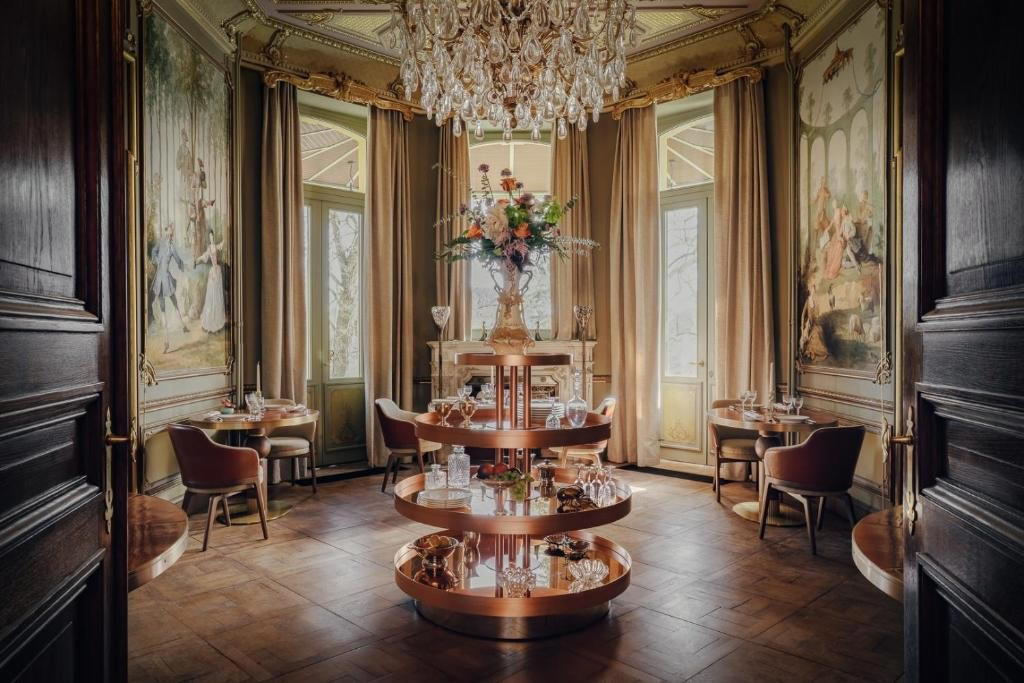
The house itself contributes something to that feeling. Historic buildings in this city tend to be deployed as statements of permanence, a way of signalling institutional authority. At the restaurant, the architecture reads differently, as a counterpoint to the team's youth rather than a reinforcement of convention. Whether that tension eventually resolves into a coherent identity or remains productive friction is one of the more interesting questions in Luxembourg dining at the moment.
For context on how similar negotiations play out in kitchens at higher levels of establishment, it is instructive to look at how restaurants like Lazy Bear in San Francisco or Alinea in Chicago committed fully to a singular culinary premise. The commitment itself, rather than any individual dish, is what defined those kitchens as serious propositions. The restaurant has the talent to make a comparable commitment, the question is whether it will.
Where Public House Sits in the Luxembourg Picture
Luxembourg City's dining options span a wider range than the country's size suggests. The formal end of the market is well-served: Ma Langue Sourit and Léa Linster occupy a top tier that prices and performs against regional European fine dining rather than just local competition. Fani (Italian) covers the city's serious Italian ground at the upper price range. SENSA in Weiswampach extends the country's dining story beyond the capital.
The restaurant occupies a different kind of space: a restaurant that is doing something worth paying attention to, even if what it is doing has not fully crystallised. That position has its own value for a certain kind of diner, one who finds fully resolved restaurants occasionally too comfortable, and who prefers the friction of watching a kitchen push against its own instincts.
Planning Your Visit
The restaurant is located at 7, Boulevard Franklin D. Roosevelt, 2450 Luxembourg. Dress expectations follow the relaxed-formal register common to this category of European urban dining, considered but not ceremonial.
Budget and Context
Comparable venues nearby, for context on price, style, and recognition.
| Venue | Cuisine | Price | Notes |
|---|---|---|---|
| Public HouseThis venue — the venue you are viewing | Ville Haute, Seasonal Local Tasting Menu | $$$ | Not listed |
| De Gaart | Gasperich, Modern European Bistro | $$$ | Not listed |
| Brasserie Ciel | Not listed | $$$ | Ville Haute, Bistronomic French Brasserie |
| Le Q dans le Beurre | Not listed | $$$ | Bonnevoie-Nord / Verlorenkost, Lyon-style Bouchon Brasserie |
| Bao 8 | Not listed | $$$ | Gare, Modern French-Asian Fusion Bao House |
| Le 18Bar | Not listed | $$$ | Ville-Haute, Cocktail bar with bistro snacks |
Recognition history
Dated appearances from independent guides and award organizations, with the underlying list record or original source where available.
We're Smart World 2 Radishes
We're Smart World
Continue exploring
More in Luxembourg
Restaurants in Luxembourg
Browse all →
Bars in Luxembourg
Browse all →
Hotels in Luxembourg
Browse all →
At a Glance
- Cozy
- Modern
- Intimate
- Date Night
- Special Occasion
- Historic Building
- Natural Wine
- Local Sourcing
- Zero Waste
- Street Scene
Cozy historic cavern with relaxed living-room feel, thoughtful plating like Michelin-star quality, and warm young staff.