QING YA

Michelin Plate
Our verdict
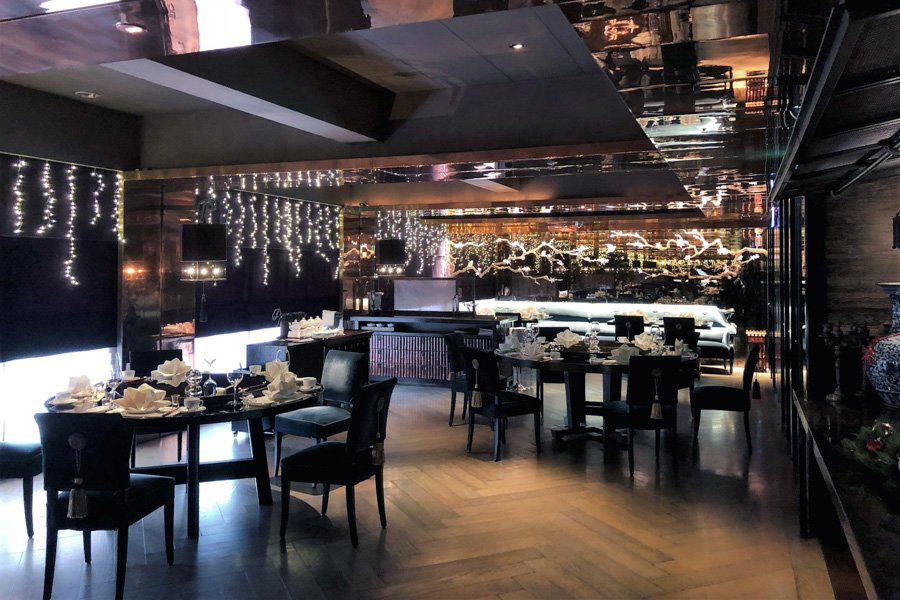
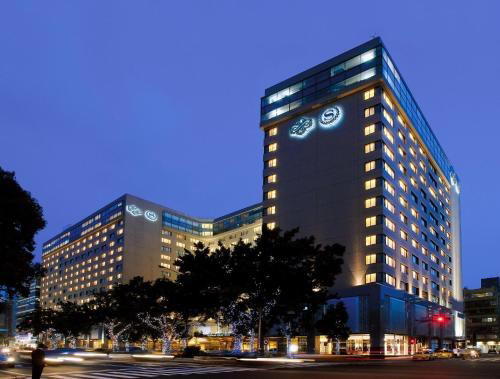
Located on the third floor of the Hilton Sinban in Banqiao District, QING YA is a Cantonese dining room built around generous shared portions and the discipline of traditional roasting technique. The centrepiece is a scarlet roast goose prepared over longan wood and carved tableside, sourced from Yunlin County birds and available only by pre-order. The room's muted green palette and grid-pattern carpet give it a composed, contemporary feel with classical references throughout.

Pearl is the En Primeur Club membership app, where members save venues, book tables and use the concierge.
Cantonese Roasting Tradition in Banqiao's Hotel Dining Scene
Cantonese roasting is one of the most technically demanding disciplines in Chinese cuisine, requiring precise temperature control, sourced-to-specification birds, and, in the most committed kitchens, wood-fired heat rather than gas. Taiwan's restaurant scene has largely defaulted to Taiwanese and Japanese formats when it comes to hotel dining, but Cantonese banquet and roast houses occupy their own corner of that world, serving a tradition that traces back to Guangdong's siu mei culture. QING YA, on the third floor of the Hilton Sinban in Banqiao District, New Taipei, is one of the addresses where that tradition is practised with genuine attention to sourcing and process.
Within New Taipei's restaurant range, which spans everything from the night-market casual registers of A Gan Yi Taro Balls and A-ba's Taro Ball to more elaborate dining at addresses like Amajia and Chi Yuan, QING YA occupies the hotel dining tier, where the format tends toward large shared tables, banquet-scale portions, and signature roast preparations that require advance logistics. That tier rewards planning.
The Room: Modern Restraint with Classical Signals
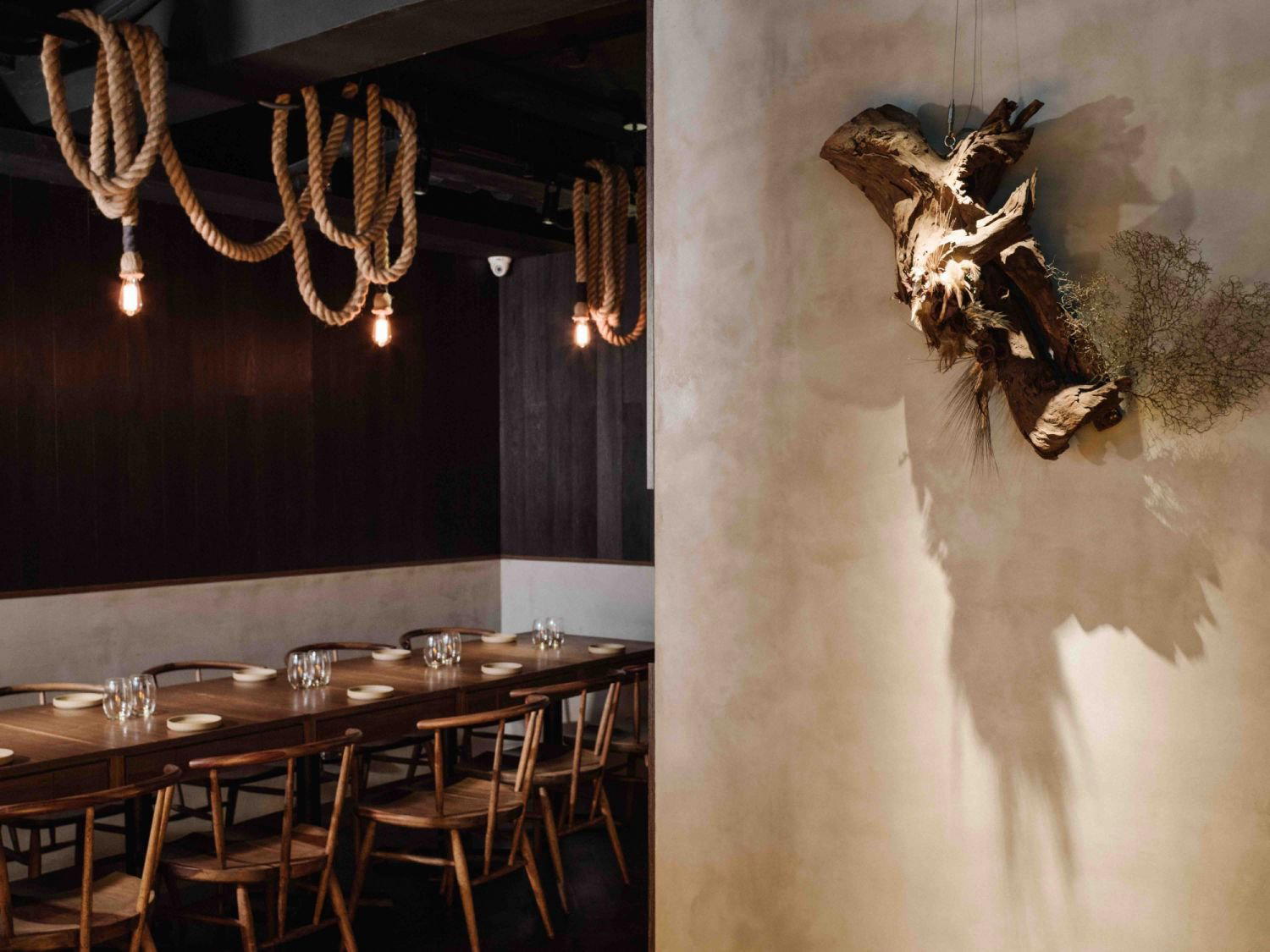
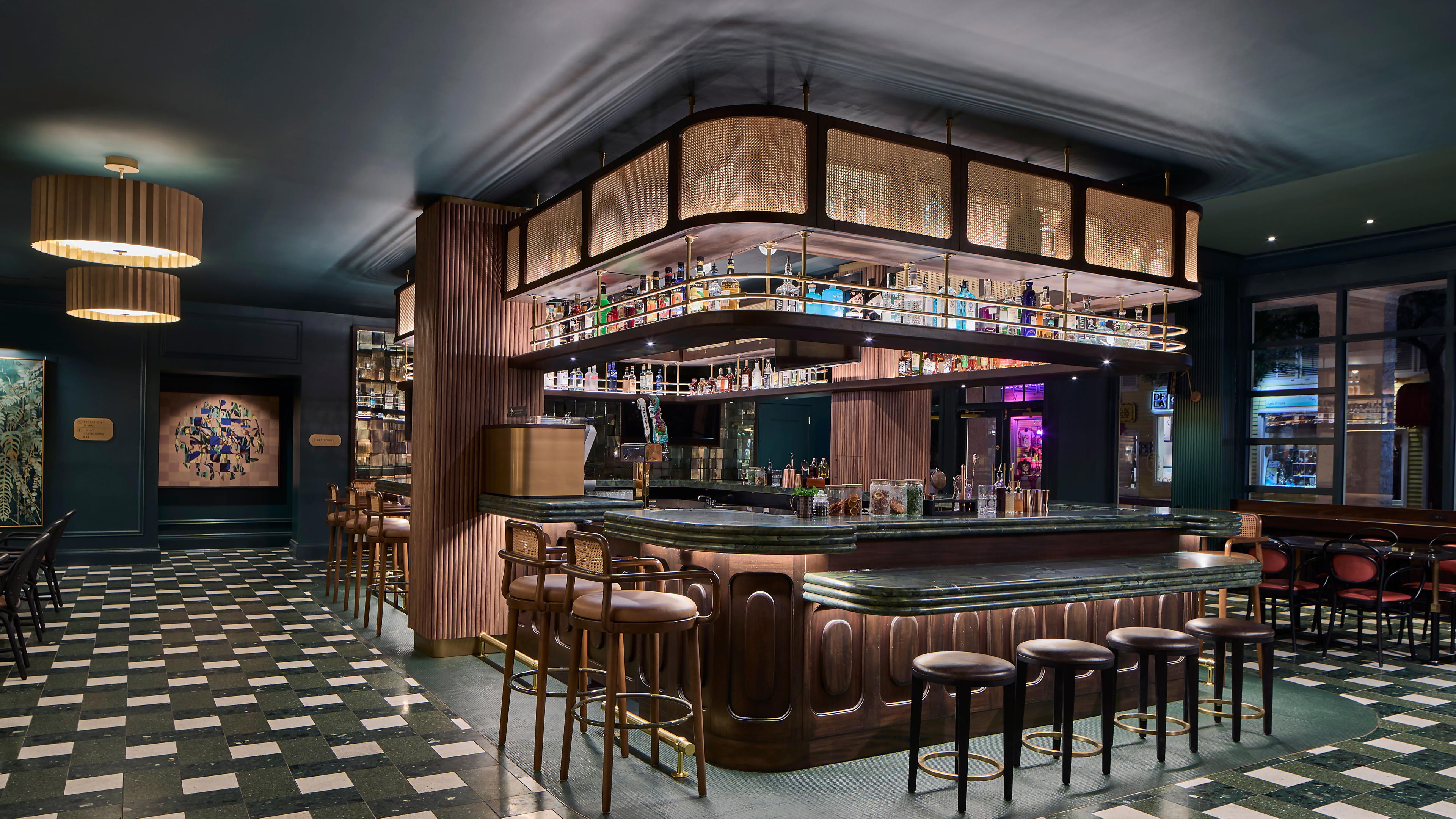
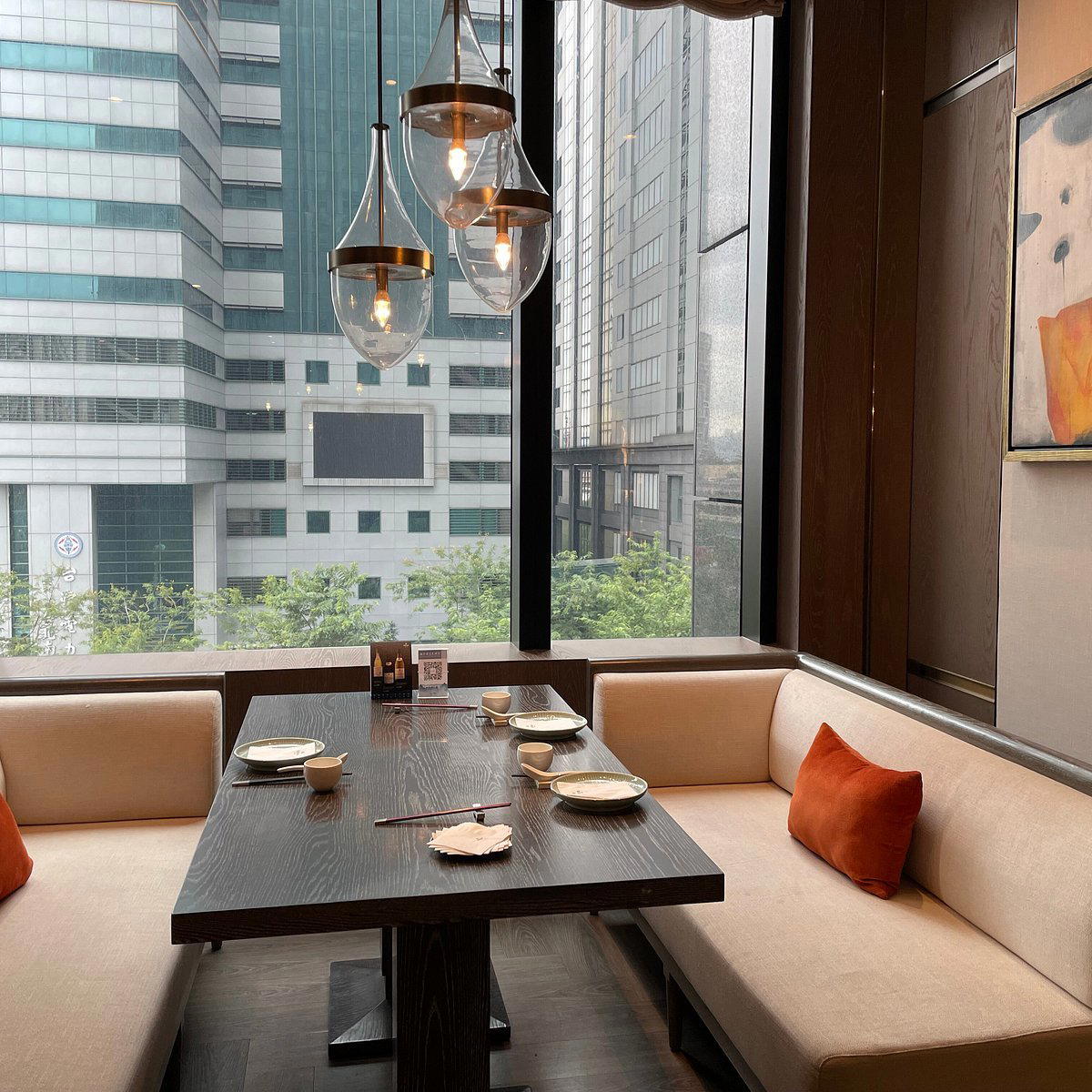
Hotel Cantonese dining rooms across Taiwan and the wider region often default to red lacquer and gold, signalling tradition through decoration rather than food. QING YA takes a different approach. The muted green walls and grid-pattern carpet position the space inside a contemporary design register, while the room's proportions and layout retain the scale necessary for the shared-plate Cantonese format. The visual restraint means the food carries more of the room's identity than the décor does.
Seating by the windows is the most requested position, offering a vantage point over the surrounding area while still sitting within the dining room's composed atmosphere. For groups planning around the signature roast, table placement matters less than booking lead time, but window seats reward early reservations.
The Roast Goose: Yunlin County Birds and Longan Wood
Across the Cantonese roasting canon, goose holds a different status than duck or pork. It requires a heavier bird, longer roasting times, and a more exacting preparation process to render the fat correctly without drying the meat. The most respected roast goose kitchens in Hong Kong and Guangdong have long been distinguished by sourcing discipline, wood choice, and carving precision rather than sauce or accompaniment.
QING YA's signature preparation uses 5kg birds sourced from Yunlin County, a farming region on Taiwan's western plain known for its agricultural output, and roasts them over longan wood. Longan wood is a hardwood that burns with moderate heat and imparts a faintly sweet, aromatic smoke, a choice with deliberate flavour logic rather than default convenience. The goose is served four ways and carved tableside, which is both a theatrical moment and a practical one: carving at the table means the meat reaches guests at the temperature and arrangement the kitchen intends. Pre-ordering is required, with a lead time of at least three days. That requirement is worth taking seriously, since the kitchen prepares birds to order rather than roasting in volume.
The three-day pre-order window is the single most important logistical detail for any visit to QING YA. Groups that arrive without a pre-ordered bird will find a broad Cantonese menu but will miss the dish that defines the address.
The Menu Beyond the Goose
Cantonese cuisine's range is wider than its roast preparations, and QING YA's menu reflects that breadth. The menu is described as large, and portions are sized for sharing across a group rather than individual plating. This is the banquet-format Cantonese model, where the table acts as a platform for sequential shared dishes rather than separate courses, and where the rhythm of a meal is governed by the group's pace rather than a set sequence.
Within Taiwan's broader dining conversation, Cantonese banquet format sits at a distinct remove from the tasting-menu format that has drawn international attention to addresses like JL Studio in Taichung and logy in Taipei. Those kitchens work in smaller seatings with fixed sequences; QING YA operates at table scale, with the flexibility and generosity that the Cantonese banquet tradition requires. Neither format is superior in categorical terms; they serve different dining purposes and different group sizes. For a table of six or more, the shared-plate logic of QING YA's menu is more functional than a tasting sequence.
Taiwan's dining geography also includes strong regional expressions further afield, from GEN in Kaohsiung to Zhu Xin Ju in Tainan and indigenous-focused cooking at Akame in Wutai Township. QING YA's Cantonese orientation places it within a different culinary lineage entirely, one rooted in southern Chinese diaspora tradition rather than the island's own indigenous or Taiwanese-Han heritage.
Siu Mei Culture and Its Place in Taiwan
Siu mei, the Cantonese tradition of fire-roasted meats, arrived in Taiwan largely through the post-war migration of people from Guangdong and Hong Kong, and has since established itself as a recognisable thread in the island's urban food culture. What distinguishes the serious practitioners from casual versions is the sourcing chain: breed and weight of the animal, feed, slaughter timing, marinating duration, and the fuel used to fire the roast. These variables compound, and their cumulative effect is legible in the finished product. The specificity of QING YA's sourcing, named county, named wood, named weight, signals a kitchen that is working within that tradition rather than approximating it.
Planning a Visit
QING YA is located at 3F, Hilton Sinban, 88 Minquan Road, Banqiao District, New Taipei. Banqiao is a well-connected district accessible by the Taipei Metro Blue Line, making it reachable from central Taipei without requiring a taxi. For anyone combining hotel and dining on the same trip, the Hilton Sinban itself is an option worth considering alongside the full New Taipei hotels guide.
The practical priority for any group is the three-day pre-order for the roast goose. Reservations should be made with enough lead time to confirm the bird simultaneously. Window seats are worth requesting at booking. For diners building a longer New Taipei itinerary, the full New Taipei restaurants guide covers a range of formats and neighbourhoods, with additional context on bars via the New Taipei bars guide and experiences via the New Taipei experiences guide. For those exploring the region's winery scene, the New Taipei wineries guide is the relevant reference point. Nearby dining alternatives in the neighbourhood include BAK KUT PAN, which operates in a distinct culinary register but serves the same shared-table eating culture. Outside of New Taipei entirely, those with an interest in hotel-adjacent resort dining might also consider the context of Volando Urai Spring Spa and Resort in Wulai District.
Frequently asked questions
What should I expect atmosphere-wise at QING YA?
The room at QING YA works against the red-lacquer-and-gold template typical of hotel Cantonese dining. Muted green walls and a grid-pattern carpet set a modern, restrained tone with classical undertones. The most sought-after seats are the sofas by the windows, which offer the best vantage point over the room.
Where is QING YA in New Taipei?
QING YA is located at 3F, Hilton Sinban, 88 Minquan Road, Banqiao District, New Taipei.
What kind of recognition has QING YA received?
QING YA has received recognition including: With muted green walls and a grid-pattern carpet, the space feels modern, with a hint of oriental beauty. The large menu is mostly Cantonese, and portion sizes are generous – enough for a few to share. For the signature scarlet roast goose ….
What's the best thing to order at QING YA?
The signature scarlet roast goose is the centrepiece: 5kg birds sourced from Yunlin County are grilled over longan wood and carved tableside, served four ways. It requires a pre-order of at least three days in advance. The menu beyond the goose is broad and Cantonese in range, with portions sized for sharing across the table.
Do they take walk-ins at QING YA?
Walk-ins are possible for general dining, but the signature roast goose requires a pre-order placed at least three days ahead. Arriving without a reservation for the goose means you won't get it, that's the one booking constraint worth planning around before you visit QING YA at Hilton Sinban, 88 Minquan Road, Banqiao District.
Price Lens
Comparable venues nearby, for context on price, style, and recognition.
| Venue | Cuisine | Price | Awards | Notes |
|---|---|---|---|---|
| QING YAThis venue (the venue you are viewing) | Cantonese Chinese | Not listed | Michelin Plate | Not listed |
| Shou Wu | Hakka Cuisine | Not listed | Michelin Plate | Banqiao District, Hakka Cuisine |
| NATURAL TEA MANOR | Tea-infused Taiwanese | Not listed | Michelin Plate | Xizhi District, Tea-infused Taiwanese |
| Lao Hsu | Taiwanese and Jiangzhe Cuisine | $10–20 | Michelin Plate | New Taipei City, Taiwanese and Jiangzhe Cuisine |
| Zhulin Chicken (Yonghe) | Taiwanese Poached Chicken Rice & Noodles | $1–10 | Michelin Plate | Yonghe, Taiwanese Poached Chicken Rice & Noodles |
| SÒNG JHAO | Taiwanese with Sichuan Influences | $10–20 | Michelin Bib Gourmand | Yonghe District, Taiwanese with Sichuan Influences |
Recognition history
Dated appearances from independent guides and award organizations, with the underlying list record or original source where available.
Michelin Plate
Michelin · 2026 Michelin Plate