


Pur sits on Passatge de la Concepció in Eixample, bringing the farm-to-table philosophy of the Nandu Jubany group to central Barcelona. The open kitchen foregrounds ingredient quality above technique, with charcoal-grilled and salt-cured preparations anchored by seasonal produce. A Michelin Plate (2025) and the award for Best Steak Tartare in Spain (2024) confirm it occupies a credible middle tier in the city's dining hierarchy.
Pearl is the En Primeur Club membership app — saves, bookings, and concierge access live there. Same editors, same standards.
- Address
- Passatge de la Concepció, 11, Eixample, 08008 Barcelona, Spain
- Phone
- +34 931 70 17 70
- Website
- purbarcelona.com
- Directions
- Get directions
 Saves & bookings on Pearl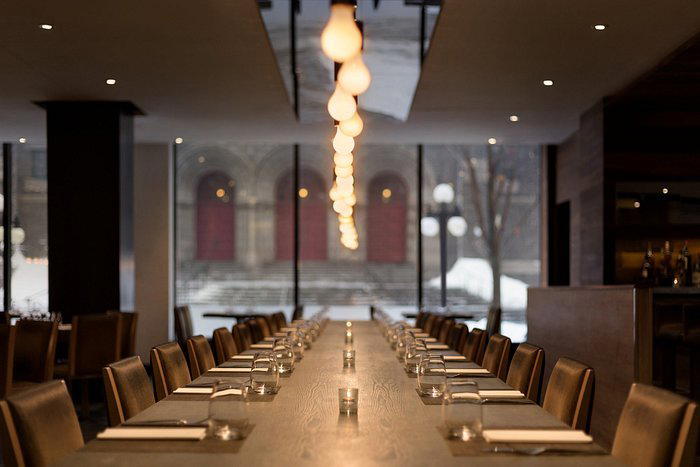
Raw Material, Open Flame, and the Case Against Artifice
Passatge de la Concepció is a quiet pedestrian lane off Passeig de Gràcia, narrow enough that you hear the dining room before you properly see it. At Pur, the open kitchen is a deliberate architectural choice: the cooking is visible from most seats, the smells of charcoal and rendered fat arriving at the table ahead of any dish. In a city where many mid-range restaurants obscure their kitchens behind a door or a partial screen, that transparency reads as a statement about what the food actually is, and is not.
Barcelona's contemporary dining scene has split into broadly two camps over the past decade. One camp operates at the progressive-creative end: restaurants like Disfrutar (Progressive, Creative), Cocina Hermanos Torres (Creative), and ABaC (Creative) sit in the €€€€ tier, where technique and transformation are the central premise. The other camp, smaller, harder to define, but increasingly well-attended, prizes ingredient identity over transformation. Pur belongs to the second group, priced at €€€, and it competes on the quality of what arrives on the plate rather than what has been done to it.
The Ethics Behind Product-Based Cooking
Farm-to-table as a category label has accumulated a certain cynicism over the years, applied freely to restaurants with a herb pot outside and a seasonal-salad section on an otherwise unchanged menu. At its more serious end, however, product-based cooking carries a genuinely different operational logic, one with direct sustainability consequences. When a restaurant builds dishes around ingredient quality rather than technique-led transformation, the supply chain becomes load-bearing: sourcing decisions, producer relationships, and seasonal calendars are not decorative context but structural to what appears on the plate.
The Jubany group, which includes Can Jubany, Mas d'Orsor in Viladrau, El Serrat del Figaro in Taradell, and Mas Albereda Hotel in Sant Julià de Vilatorta, has built its reputation across Catalonia precisely on this supply-chain logic. Operating multiple properties across different microregions of the region creates both the incentive and the scale to maintain direct producer relationships that a single urban restaurant rarely sustains alone. Pur functions as the Barcelona outpost of that network, drawing on sourcing infrastructure developed over years of rural operation.
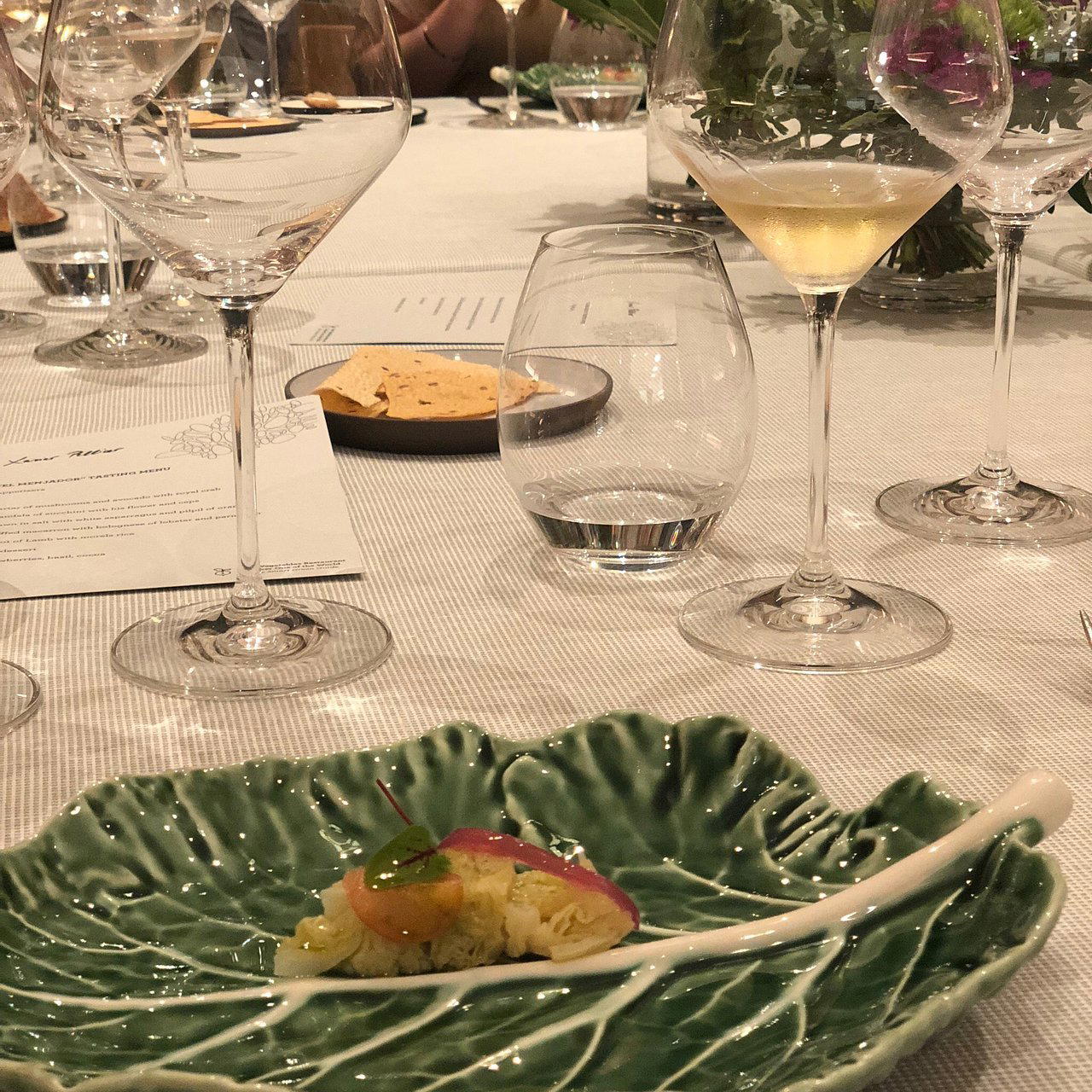
The practical expression of that commitment shows in dishes structured around what is verifiably seasonal. Tomatoes arrive when Catalonia's tomato season permits, served with stracciatella cheese and pine nuts, a preparation whose interest depends entirely on the tomato being worth eating raw. Artichoke salad with Payoyo cheese, a semi-cured sheep and goat milk cheese from Cádiz, demonstrates the same logic: two quality ingredients in composition rather than competition, with minimal intervention between field and plate. For European farm-to-table restaurants operating on comparable principles, see also BOK Restaurant Brust oder Keule in Münster and Clostermanns Le Gourmet in Niederkassel.
Fire, Salt, and Restraint on the Plate
Spain's grilling tradition runs deep, from the txokos of the Basque Country to the brasa culture of Catalonia, and charcoal cooking sits at the intersection of that tradition with ingredient-first cooking. When a kitchen commits to grilled, charcoal-grilled, and salt-cured preparations as its primary techniques, it is betting on the ingredient carrying the flavour rather than the sauce or the foam. At Pur, that bet is made explicit in the menu structure.
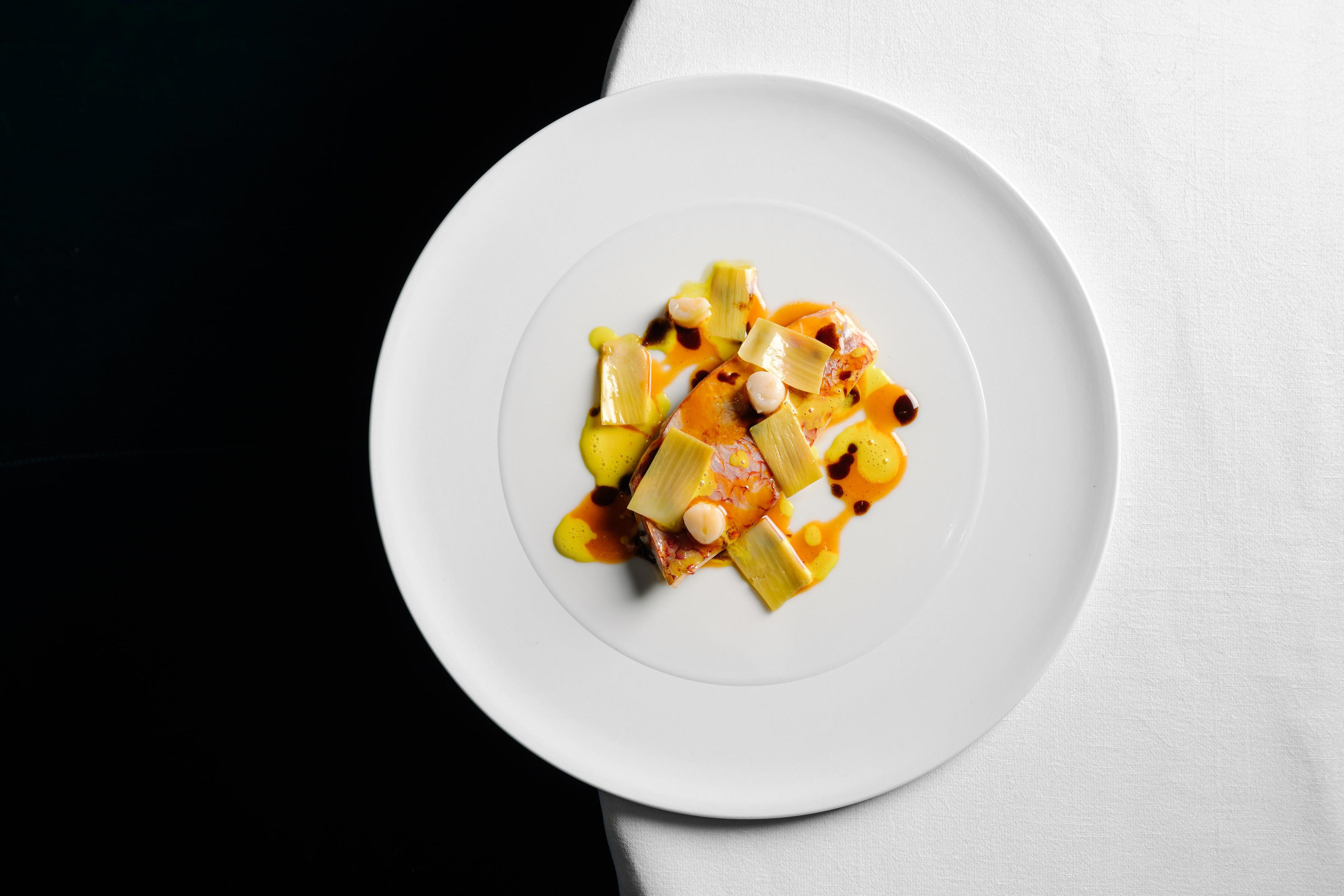
The grilled marrow with steak tartare won the award for Leading Steak Tartare in Spain in 2024, a credential that locates the dish within a defined competitive context rather than just a house claim. Marrow and raw beef is a pairing with long classical precedent, the fat of one moderating the acidity of the other, but the charcoal execution adds a smoky register that takes it out of French bistro territory and into something more specifically Catalan. Tuna tataki with pippirana and avocado, and belly of tuna with sea urchins and fresh wasabi, show the kitchen's range beyond beef: the pippirana is an Andalusian vegetable preparation, which points again to sourcing across Spanish regions rather than strict Catalan localism.
For readers who want to map Pur against the wider high-end Spanish dining spectrum, useful reference points include El Celler de Can Roca in Girona, Arzak in San Sebastián, Quique Dacosta in Dénia, Azurmendi in Larrabetzu, Aponiente in El Puerto de Santa María, and DiverXO in Madrid, all operating in the creative-transformative register that Pur explicitly does not occupy.
How to Eat Here
Both à la carte and tasting menu formats are available. The bar counter provides a closer sightline to the open kitchen and is worth requesting for those interested in watching the fire-based preparation unfold. Ordering half portions across the à la carte is a practical strategy for covering more ground, particularly given the breadth of the menu's sourcing range.6 across 748 reviews indicates consistent execution over a meaningful sample size. Pur's 2025 Michelin Plate recognition places it in the category of restaurants Michelin inspectors consider worth a detour.
For other Eixample restaurants operating in adjacent territory, Besta and Nairod are worth considering in the same planning window.
Know Before You Go
- Address: Passatge de la Concepció, 11, Eixample, 08008 Barcelona, Spain
- Price range: €€€
- Cuisine: Farm to table, product-based, charcoal-grilled
- Awards: Michelin Plate (2025); Leading Steak Tartare in Spain (2024)
- Format: À la carte and tasting menu; bar seating available 6 / 5 (702 reviews)
- Group affiliation: Nandu Jubany group (Can Jubany, Mas d'Orsor, and others)
Accolades, Compared
Comparable venues nearby, for context on price, style, and recognition.
| Venue | Cuisine | Price | Awards | Notes |
|---|---|---|---|---|
| PurThis venue — the venue you are viewing | Product-Based Mediterranean Grill | $$$ | Michelin Plate | Not listed |
| Nectari | Modern Mediterranean with Seasonal Ingredients | $$$ | Michelin Plate | la Nova Esquerra de l'Eixample |
| Capet | Modern Catalan | $$$ | Michelin Plate | Barri Gotic |
| Virens | Contemporary Mediterranean Green Cuisine | $$$$ | Michelin Plate | la Dreta de l'Eixample |
| Impar | Mediterranean Fusion Tapas | $$$ | Not listed | la Maternitat i Sant Ramon |
| Kintsugi | Modern Japanese Omakase with Catalan Ingredients | $$$ | Michelin Plate | la Dreta de l'Eixample |
Recognition history
Dated appearances from independent guides and award organizations, with the underlying list record or original source where available.
Macarfi 9.2 Food Rating
Macarfi
Michelin Plate
Michelin
Michelin Plate
Michelin
We're Smart World 2 Radishes
We're Smart World
Continue exploring
More in Barcelona
Restaurants in Barcelona
Browse all →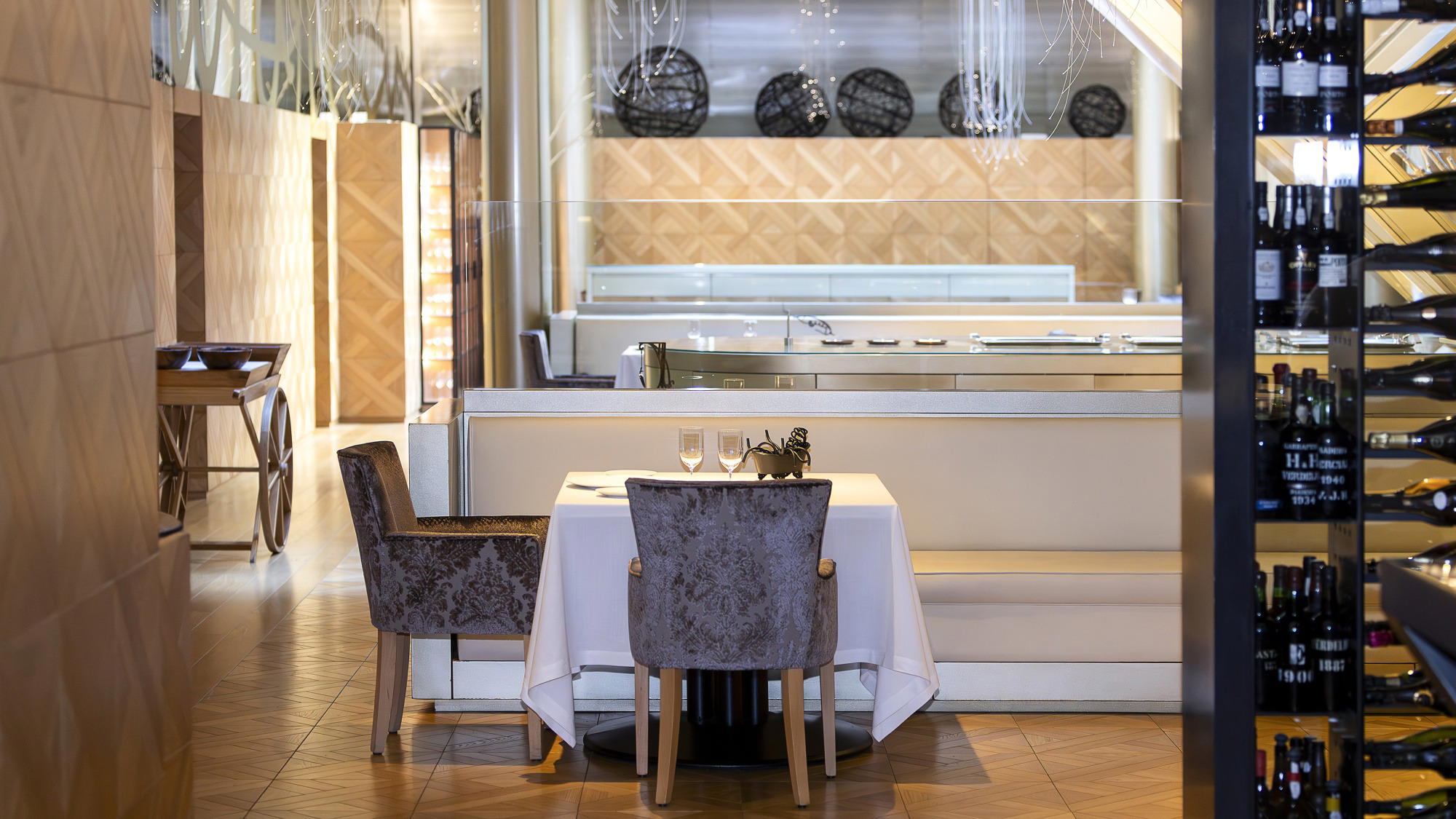
Bars in Barcelona
Browse all →
Hotels in Barcelona
Browse all →


At a Glance
- Elegant
- Modern
- Intimate
- Sophisticated
- Date Night
- Special Occasion
- Open Kitchen
- Extensive Wine List
- Farm To Table
- Local Sourcing
Current opening hours
- Monday
- 1–3:30 PM, 7:30–10:30 PM
- Tuesday
- 1–3:30 PM, 7:30–10:30 PM
- Wednesday
- 1–3:30 PM, 7:30–10:30 PM
- Thursday
- 1–3:30 PM, 7:30–10:30 PM
- Friday
- 1–3:30 PM, 7:30–10:30 PM
- Saturday
- 1–3:30 PM, 7:30–10:30 PM
- Sunday
- Closed
Hours can change for holidays and private events. Last verified .
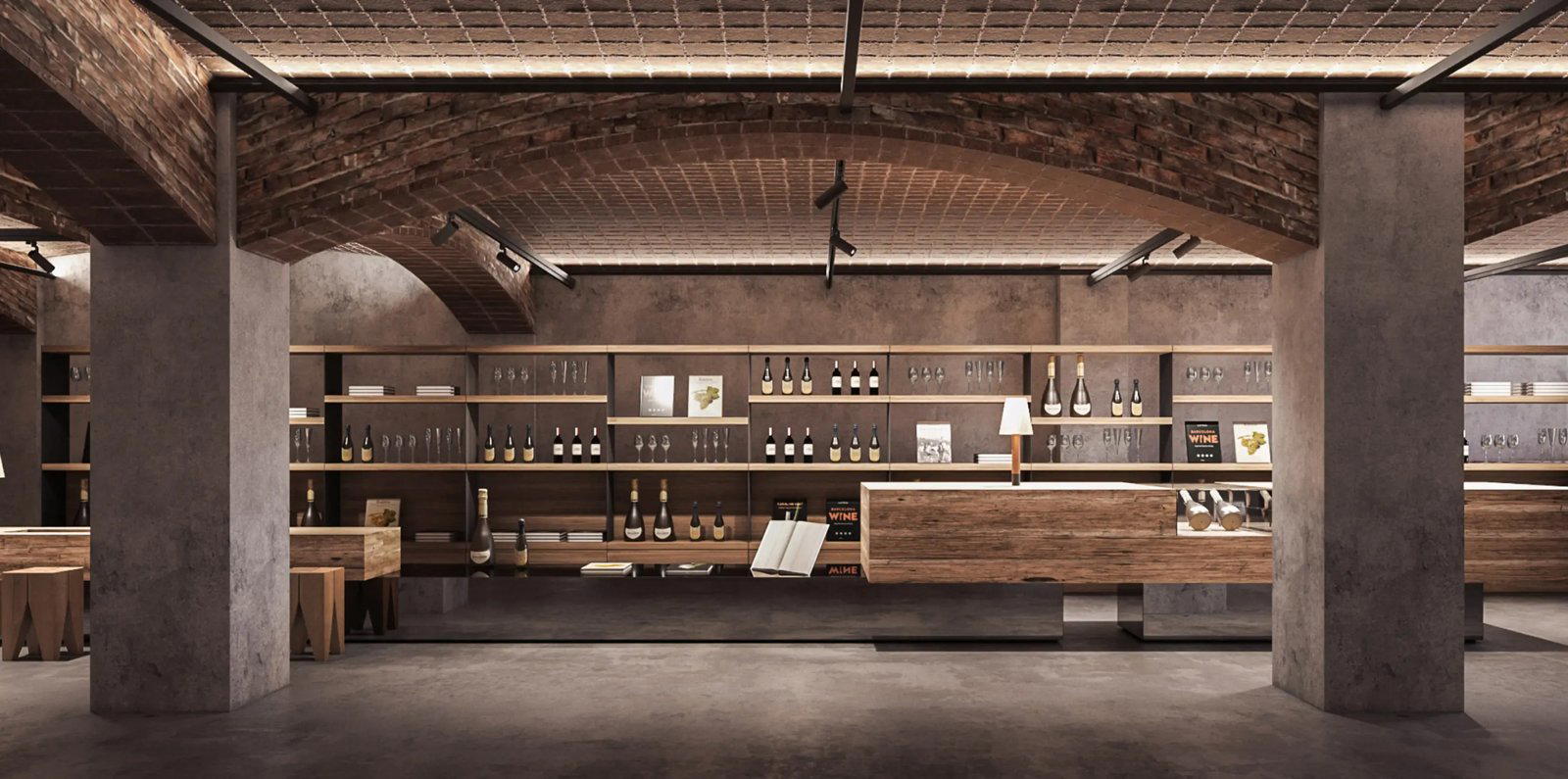
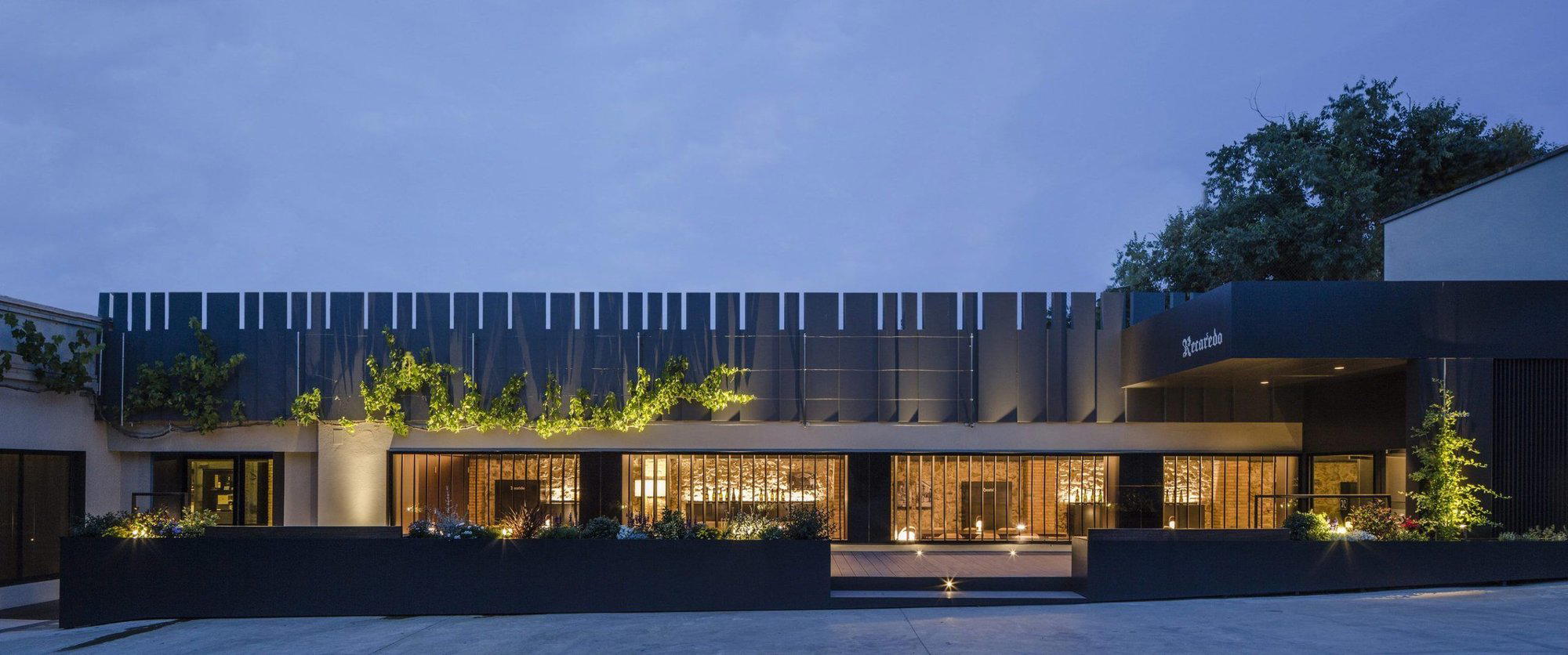
Chic, minimalist design with round tables and bar seating facing a lively open kitchen, creating a theatrical, cozy, and zen-like atmosphere.