Our verdict
Proyecto Nativa serves modern Bolivian fusion in Sucre, with local sourcing and an extensive wine list that fits a leisurely dinner.

Pearl is the En Primeur Club membership app, where members save venues, book tables and use the concierge.
Where Bolivia's Highlands Meet the Plate
Sucre sits at roughly 2,750 metres above sea level, and the air carries a dryness that sharpens attention. The colonial centre, a UNESCO World Heritage Site since 1991, presents whitewashed facades and cobbled streets that establish an architectural register of considered restraint. Restaurants in this part of the city tend to match that register: smaller in scale, quieter in ambition than the scene in La Paz, but increasingly serious about what arrives on the table. Proyecto Nativa, at La Paz 737, occupies this context. The address places it inside the walkable historic core, where foot traffic slows enough for a meal to feel like a considered stop rather than a convenience.
The Ingredient Argument Bolivia Is Starting to Make
Across South America, the conversation about native ingredients has shifted from academic to urgent. Peru's now well-documented biodiversity movement drew global attention to Andean produce, but Bolivia holds roughly 40 percent of the Andean region's potato varieties alone, alongside quinoa landraces, chuño traditions, and a range of peppers and herbs that remain largely absent from international menus. Sucre's position in Chuquisaca department places it within reach of highland valleys where smallholder agriculture still operates outside industrial supply chains. For kitchens with the sourcing discipline to work these networks, the raw material case for Bolivian cuisine is substantial.
Proyecto Nativa's name signals the editorial stance it takes in this debate. "Nativa" is not decorative branding in the Bolivian context: it positions the kitchen explicitly within the movement to prioritise endemic, pre-colonial, and regionally rooted produce over imported or standardised commodity ingredients. That framing connects it to a broader current running through Andean dining, from Gustu's sourcing programme in La Paz to the quieter, less-publicised work being done in smaller cities like Sucre itself. For comparison, kitchens elsewhere making similar ingredient-first arguments, such as Arpège in Paris or Aponiente in El Puerto de Santa María, have built sustained reputations around the specificity of their sourcing relationships. The underlying logic is identical: ingredient provenance as editorial statement.
Sucre's Dining Scene and Where Nativa Fits
Sucre does not operate on the same register as La Paz for dining volume or international visibility. The city's restaurant scene is smaller, more locally oriented, and consequently less reviewed by the international press that shapes global food tourism. That relative obscurity has a practical upside: kitchens here are not performing for external validation to the same degree. The pressure is local, which tends to produce food that reflects actual place rather than approximated global trends.
Within Sucre, a small cohort of restaurants is working in the ingredient-conscious space that Proyecto Nativa occupies. Brasero Restaurant represents another entry point into this category, and the two together begin to sketch a scene rather than a single outlier. Nationally, the reference points extend to La Rufina in La Paz and further afield to Sach'a Huaska in Porongo, both of which engage the native ingredient question from different regional perspectives. Casa Charo in Samaipata adds a further data point: Bolivia's serious cooking is not concentrated in a single city. It is distributed across territories with distinct ecological identities, and Sucre holds its own within that map.
For travellers who have eaten through the more globally recognised end of this sourcing-led format, whether at Lazy Bear in San Francisco, Atomix in New York City, or Amber in Hong Kong, Proyecto Nativa offers a recalibration. The scale is different, the price point presumably lower, and the ingredient vocabulary is one most international diners will not have encountered in this form.
Understanding the Sourcing Logic
The "nativa" approach in a Bolivian kitchen involves sourcing decisions that run deeper than choosing local over imported. Bolivia's agricultural heritage includes the systematic breeding of crops adapted to altitude, frost, and thin soils over centuries. Chuño, the freeze-dried potato that predates European contact, represents one end of that spectrum: a preservation technology that encodes climate knowledge into food. Quinoa grown at altitude carries a flavour profile distinct from the commodity grain that reached global supermarkets after 2000. Locoto peppers and ají amarillo operate differently from the standardised chilli supply most commercial kitchens use. A kitchen genuinely committed to native sourcing is working with ingredients that require relationship-building with specific farming communities, not simply switching suppliers.
This is what separates the credible nativa framing from the decorative. Restaurants like Alinea in Chicago or Alléno Paris au Pavillon Ledoyen have built reputations partly on technical mastery over sourced ingredients; the Bolivian equivalent requires not just technique but ethnobotanical literacy. The conversation between kitchen and ingredient is different when the ingredient carries a pre-colonial knowledge system. Proyecto Nativa's positioning suggests it understands this distinction, even if the specifics of its current programme are not fully documented in available public record.
Planning the Visit
Sucre is accessible by air from La Paz and Santa Cruz, with the Alcantarí Airport serving the city roughly 35 kilometres from the centre. Travel times within Bolivia are significant, and Sucre is typically a destination city rather than a transit point, which means visitors who arrive tend to stay long enough to eat deliberately. La Paz 737 is within walking distance of the major historic plazas, making it reachable on foot from most central accommodation without planning. For the fullest context on what the city offers across its dining range, our full Sucre restaurants guide maps the scene more broadly.
Frequently asked questions
Is Proyecto Nativa child-friendly?
Nothing in the available record for Proyecto Nativa at La Paz 737 explicitly confirms child-specific facilities.
Is Proyecto Nativa better for a quiet night or a lively one?
The venue's positioning within Sucre's smaller, locally anchored restaurant scene points toward a quieter register rather than a high-volume, late-night one. Sucre itself operates at a slower pace than La Paz, and a kitchen focused on native Bolivian ingredients typically draws guests interested in the food rather than the room's noise level.
Does Proyecto Nativa focus specifically on Bolivian native ingredients rather than broader South American cuisine?
The name itself signals intent: 'nativa' in a Bolivian kitchen context points to sourcing from within Bolivia's agricultural heritage, which includes hundreds of native potato varieties, diverse quinoa strains, and Andean grains largely absent from international menus. This distinguishes Proyecto Nativa from restaurants in Sucre that cook broadly Latin or fusion menus. Bolivia's biodiversity argument is increasingly documented alongside Peru's, and kitchens in Sucre are beginning to make that case at the plate level.
What do people recommend at Proyecto Nativa?
Given the venue's name and Sucre's position within Bolivia's growing native-ingredient conversation, the kitchen likely draws on Andean staples including native potato varieties, quinoa, and highland legumes, though ordering off any confirmed menu would require visiting or contacting the restaurant directly at La Paz 737, Sucre.
Comparable Spots, Quickly
Comparable venues nearby, for context on price, style, and recognition.
| Venue | Cuisine | Price | Awards | Notes |
|---|---|---|---|---|
| Proyecto NativaThis venue (the venue you are viewing) | Modern Bolivian Fusion | $30–50 | Not listed | Not listed |
| Sach'a Huaska | Peruvian-Japanese Fusion Cevicheria | $30–50 | Not listed | Porongo |
| Casa Charo | Contemporary Bolivian Seasonal Tasting Menu | $50–100 | Not listed | Barrio Arriba |
| La Rufina | Modern Bolivian Street Food | $20–30 | Not listed | Sopocachi |
| Phayawi | Traditional Bolivian Cuisine | Not listed | The Best Chef One Knife | Southern zone |
| Sabor Clandestino | Modern Bolivian Sensory Fusion | $50–100 | Not listed | Sopocachi |
Details
- Cozy
- Modern
- Rustic
- Special Occasion
- Date Night
- Open Kitchen
- Extensive Wine List
- Local Sourcing
- Tasting Menu
- A La Carte
- Vegetarian Friendly
- Vegan Options
Current opening hours
- Monday
- 6–9:30 PM
- Tuesday
- 6–9:30 PM
- Wednesday
- 6–9:30 PM
- Thursday
- 6–9:30 PM
- Friday
- 6–9:30 PM
- Saturday
- 6–9:30 PM
- Sunday
- Closed
Hours can change for holidays and private events. Hours as of .
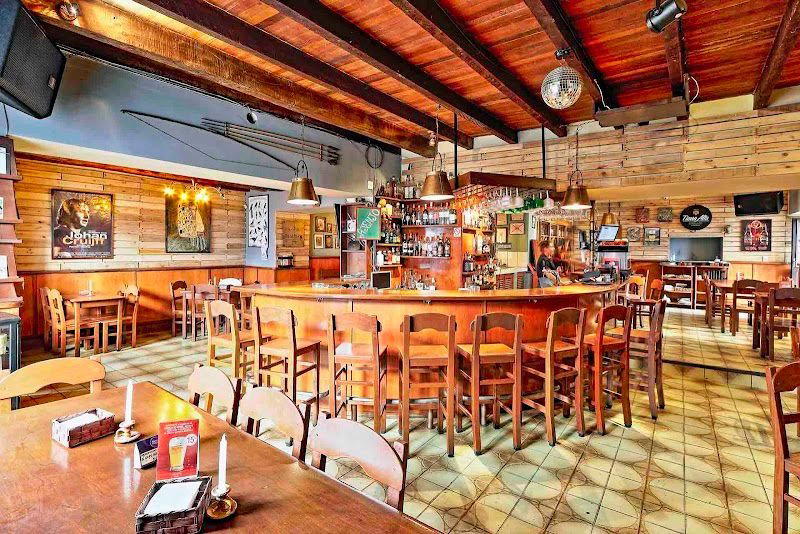
Cozy, homey neo-bistro atmosphere like a stylish living room with relaxed yet sophisticated dining.