
Phayawi sits in Achumani, one of La Paz's quieter southern residential zones, where chef Valentina Arteaga is building a kitchen with a distinct sense of place. The restaurant draws from Bolivian culinary tradition with the kind of focused intent more commonly associated with high-profile urban addresses. For visitors tracing serious cooking across Latin America, it represents a different register of the regional conversation.
Pearl is the En Primeur Club membership app — saves, bookings, and concierge access live there. Same editors, same standards.
- Address
- C/. 22 de Achumani, La Paz, Bolivia
- Phone
- +591 72027433
- Website
- phayawi.com
- Directions
- Get directions
 Saves & bookings on Pearl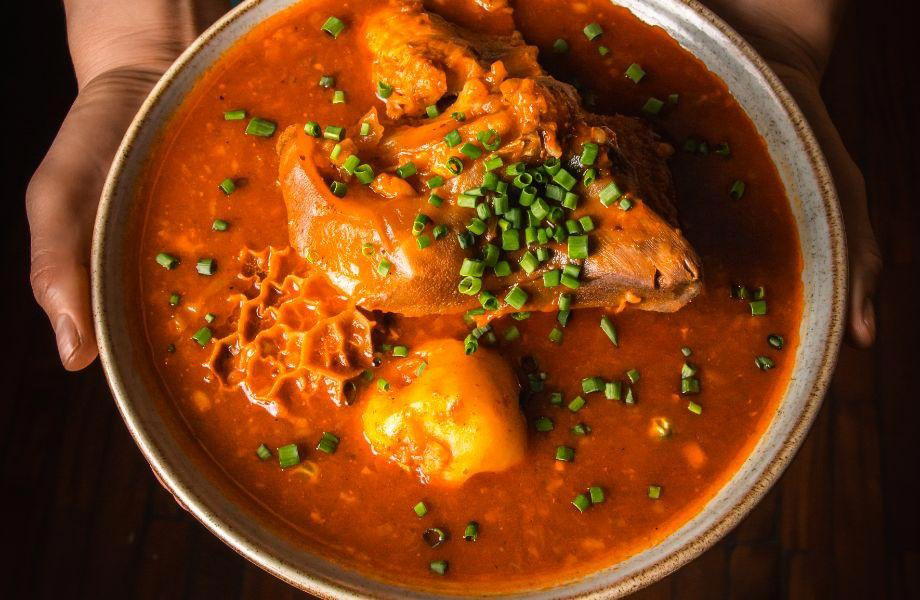
Achumani's Culinary Register
La Paz's dining scene divides, roughly, along altitude and neighbourhood lines. The city centre and Sopocachi draw the visible names, the wine lists, and the recognizable international formats. Further south, in the residential zones that climb and spread through the valley's folds, a quieter category of restaurant has been developing: locally rooted, less dependent on tourist traffic, and more directly in conversation with Bolivian culinary identity. Achumani sits in that southern arc, and Phayawi belongs to it.
The address on Calle 22 de Achumani places the restaurant in a district that functions primarily as a neighbourhood rather than a dining destination. That positioning is a choice with real consequences for the experience. Visitors who make the trip south do so with purpose. There is no casual foot traffic, no cluster of competing tables on the same block to frame the decision. The context is residential, and the restaurant reads against that backdrop rather than against a row of peers.
What the Location Says About the Kitchen
In cities where serious cooking is concentrating in specific corridors, a chef who operates outside those corridors is either making a statement or responding to a different set of priorities. At Phayawi, the displacement from La Paz's more prominent restaurant zones points toward a kitchen that is less interested in the visibility of its address than in the conditions the address creates: more control, a more specific clientele, and a tighter feedback loop between the kitchen's ambitions and the people who seek it out.
Chef Valentina Arteaga leads the kitchen, and her presence here is the restaurant's primary credential. The culinary conversation in Bolivia has been changing over the past decade, partly through the influence of internationally visible projects and partly through a quieter generation of chefs working with Bolivian ingredients and techniques in ways that do not require external validation to be legible. Arteaga is part of that second current. The Achumani address, away from the more performative end of the city's restaurant scene, is consistent with that approach.
For context on what this kind of positioning means across Latin America, that some of the region's most discussed kitchens operate at a deliberate remove from their city's obvious dining corridors. Animalón in Valle de Guadalupe and Lunario in El Porvenir both operate in agricultural settings that shape the menu's identity as much as the chef's training does. The logic at Phayawi is different in geography but comparable in orientation: the location is part of the editorial statement.
La Paz as a Dining City
La Paz has a more complex culinary identity than its international profile suggests. The city sits at over 3,600 metres, which gives it among the more distinctive produce environments of any capital in the Americas. Altitude affects fermentation, cooking times, and ingredient availability in ways that kitchens here have to account for and, increasingly, are choosing to foreground. The broader Bolivian pantry includes quinoa varieties, chuño (freeze-dried potato), a range of chiles specific to the Andean growing zones, and proteins that do not appear in most regional dining narratives.
The restaurant that has done much to internationalize this context is Gustu, which occupies the upper tier of the city's dining conversation and has served as a reference point for how Bolivian ingredients can be framed for international audiences. But the scene is not monolithic. Ancestral and Arami represent different calibrations of the same underlying interest in Bolivian culinary identity, each with a distinct approach to format and audience. Phayawi sits in this conversation, in a neighbourhood that most visitors to the city will not pass through without a specific reason to do so.
For travellers who use Latin American dining as a way of tracking how regional culinary identity is being reinterpreted, La Paz deserves attention. The comparison set extends beyond Bolivia: Pujol in Mexico City, Levadura de Olla in Oaxaca, and KOLI Cocina de Origen in Monterrey are all operating in the same broader movement, using deeply local ingredient knowledge to build something that reads as contemporary without requiring the vocabulary of European fine dining to do so. La Paz is now producing its own contributors to that shift.
Planning a Visit
Getting to Achumani from central La Paz or Miraflores involves a southbound trip of around 20 to 30 minutes depending on traffic, most easily made by taxi or ride-share app. The neighbourhood is well served by both, and the restaurant's distance from the city's tourist-facing zones is not a practical barrier so much as a signal to visitors that this is a deliberate destination. Reservations are recommended. Reservations are recommended, particularly for weekend evenings.
The Wider Frame
Phayawi is not the easiest restaurant to reach in La Paz, and that is partly the point. The kitchens that generate particularly interesting conversations in contemporary Latin American dining are rarely the ones positioned for maximum accessibility. Le Chique in Puerto Morelos and Olivea Farm to Table in Ensenada both require a traveller to move toward them with some intentionality; the same applies to Jazamango, which operates in a coastal Mexican idiom that rewards visitors who arrive with genuine curiosity about what the kitchen is doing rather than what the setting looks like in photographs.
At the more technically demanding end of the international spectrum, the shift toward precision and restraint that defines kitchens like Le Bernardin in New York City or Atomix has a parallel in how Andean kitchens are beginning to treat ingredient specificity: not as a marketing position but as a practical constraint that generates creative pressure. How Phayawi sits within that current is worth tracking for anyone with a serious interest in where Latin American cooking is heading.
Recognition Snapshot
Comparable venues nearby, for context on price, style, and recognition.
| Venue | Cuisine | Price | Awards | Notes |
|---|---|---|---|---|
| PhayawiThis venue — the venue you are viewing | Traditional Bolivian Cuisine | $$$ | Not listed | Not listed |
| Imilla Alzada | Craft Pizza & Brewery | $$ | Not listed | Cota Cota |
| Sabor Clandestino | Modern Bolivian Sensory Fusion | $$$ | Not listed | Sopocachi |
| La Rufina | Modern Bolivian Street Food | $$$ | Not listed | Sopocachi |
| Ancestral | Modern Bolivian Grill | $$$ | World's 50 Best #79 | Calacoto |
| Arami | Modern Andean-Amazonian | $$$ | World's 50 Best #48 | Achumani |
Recognition history
Dated appearances from independent guides and award organizations, with the underlying list record or original source where available.
The Best Chef One Knife
The Best Chef
Continue exploring
More in La Paz
Restaurants in La Paz
Browse all →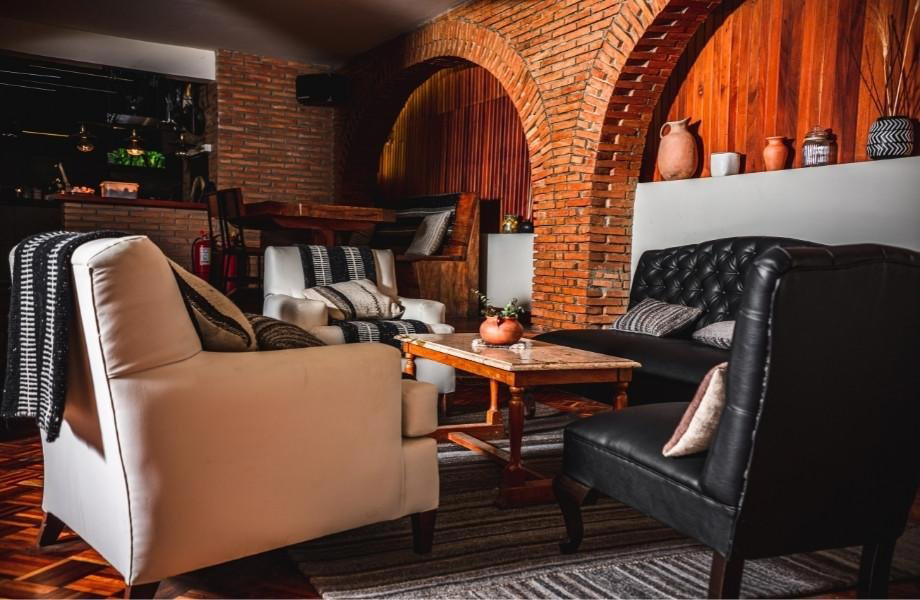
Bars in La Paz
Browse all →
Hotels in La Paz
Browse all →
At a Glance
- Elegant
- Sophisticated
- Special Occasion
- Celebration
- Date Night
- Open Kitchen
- Local Sourcing
- Organic
Current opening hours
- Monday
- Closed
- Tuesday
- 12–3:30 PM
- Wednesday
- 12–3:30 PM
- Thursday
- 12–3:30 PM, 7–10 PM
- Friday
- 12–3:30 PM, 7–10 PM
- Saturday
- 12–3:30 PM, 7–10 PM
- Sunday
- 12–3:30 PM
Hours can change for holidays and private events. Last verified .
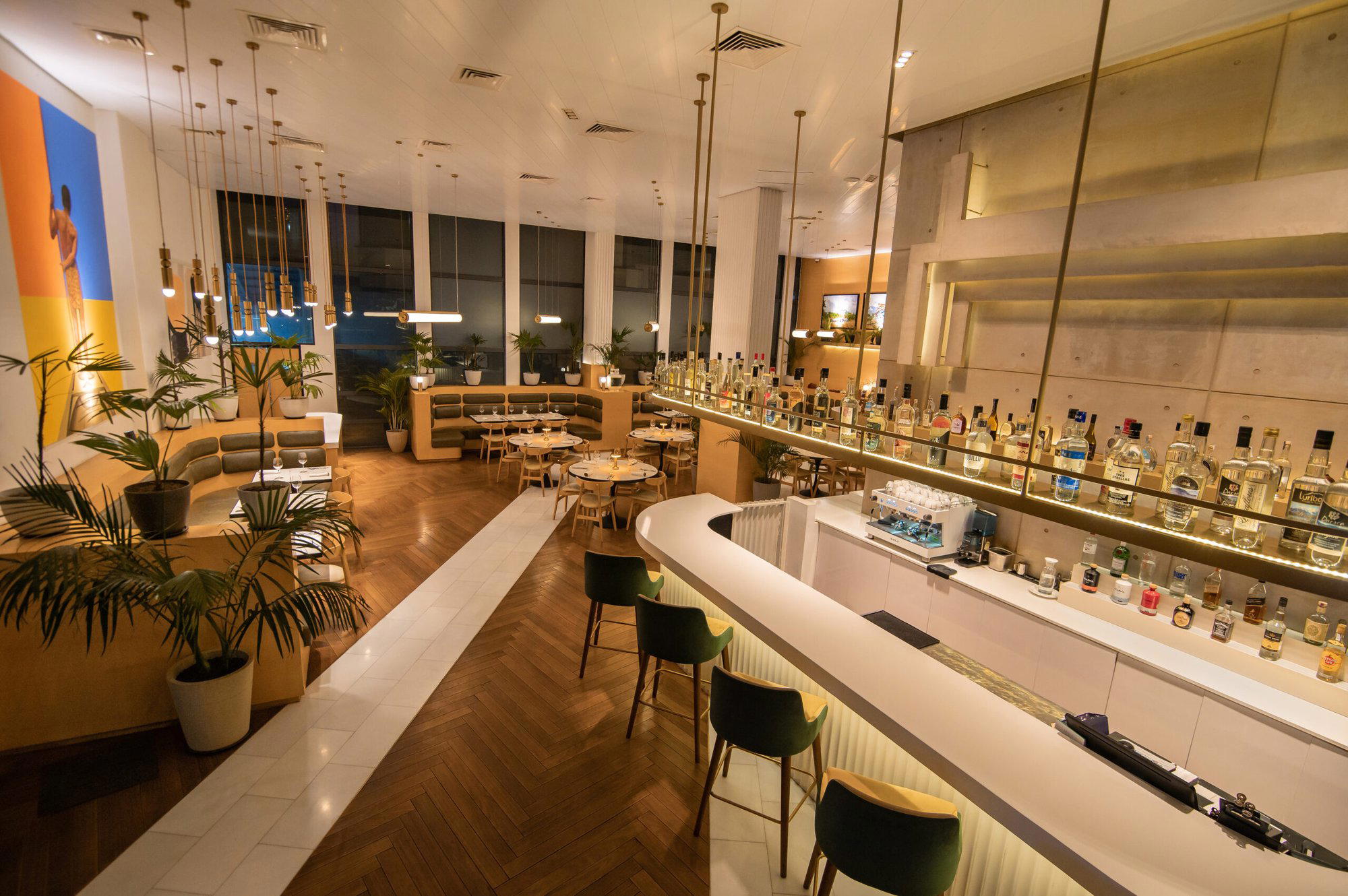
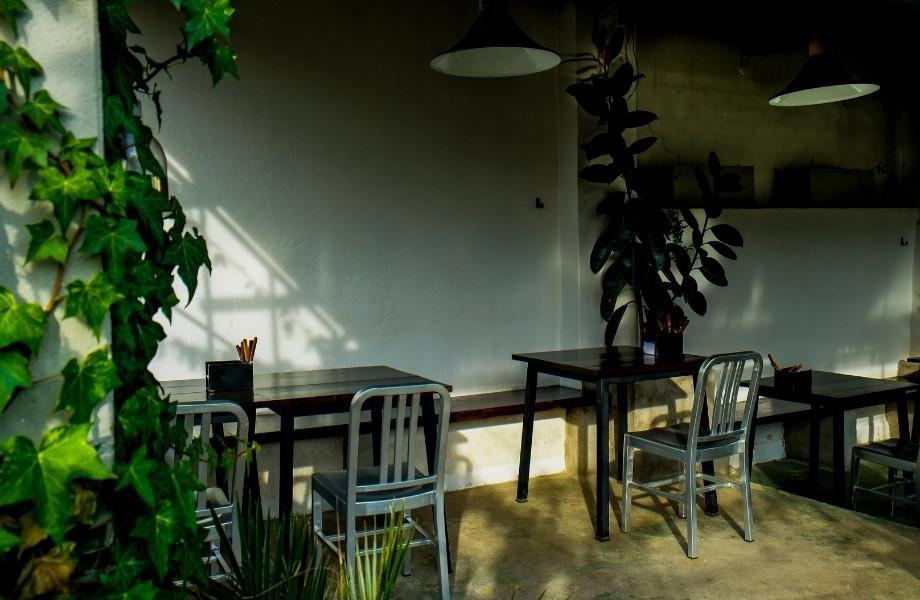
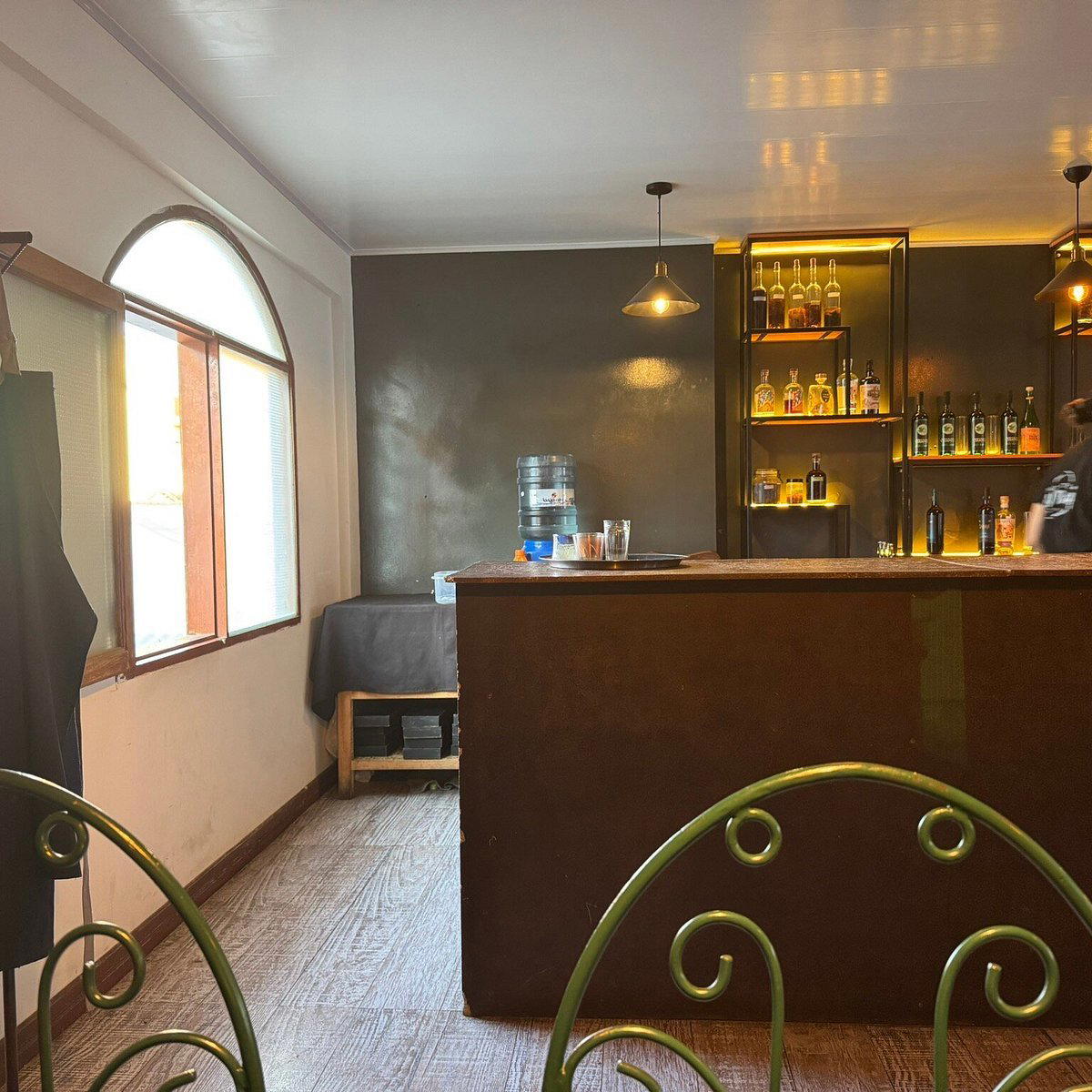
Warm, welcoming space with elegant presentation that honors Bolivian traditions while maintaining contemporary sophistication.