Our verdict
On a quiet stretch of Belisario Salinas in La Paz, La Rufina occupies a spot in the city's expanding conversation around ingredient-led cooking. With Bolivia's high-altitude pantry as its foundation, the restaurant draws from the same sourcing ethic reshaping serious dining across South America's Andean cities. Expect a kitchen that treats provenance as the primary argument on the plate.

Pearl is the En Primeur Club membership app, where members save venues, book tables and use the concierge.
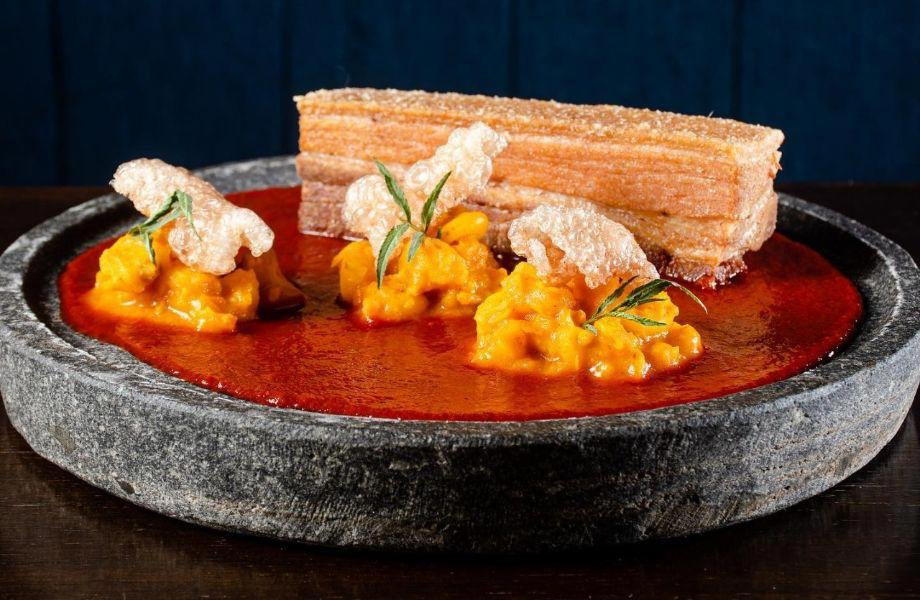
Where the Andean Pantry Becomes the Menu
In La Paz, altitude is not merely a geographic fact, it is a culinary variable. At 3,600 metres, ingredients behave differently, cooking times shift, and the produce that survives the environment carries a density of flavour that lower-elevation kitchens rarely encounter. Across the city's more considered dining rooms, this has become a guiding principle: let the source material set the terms. La Rufina, addressed at Belisario Salinas 572, sits within this current, in a neighbourhood that has quietly accumulated some of the city's more focused restaurants.
The streets around Belisario Salinas occupy a residential register that separates them from the commercial noise of central La Paz. Arriving at the address, the setting signals restraint before anything else, a cue that tends to be reliable in this part of the city. The kind of dining room that does not announce itself loudly is often the one most confident in what it is doing in the kitchen.
Bolivia's Sourcing Revolution and What It Means at the Table
To understand what restaurants like La Rufina are working within, it helps to understand the transformation that has taken place in Bolivian ingredient networks over the past decade. The country holds one of the most biodiverse agricultural portfolios in South America: more than 4,000 varieties of potato originating in the Andes, dozens of native chile species, quinoa from the altiplano, cacao from the Yungas lowlands, and river fish from Amazonian tributaries that reach into Bolivian territory. For most of the twentieth century, this abundance went largely unremarked in fine-dining contexts, which leaned heavily on European reference points and imported ingredients.
The shift began in earnest when Gustu, founded in La Paz with a deliberate mandate to source only from within Bolivia, demonstrated that the country's pantry could hold its own against any regional cuisine in South America. That proof of concept rippled outward. Restaurants in Sucre, Santa Cruz, and Samaipata began building menus around similar sourcing commitments. The conversation in La Paz's more serious kitchens moved from "what technique do we apply" to "what does this region actually grow, and how do we honour it." La Rufina operates in the aftermath of that shift, in a city where ingredient provenance has become a credible editorial position for a restaurant, not a marketing afterthought.
Comparable moves are visible at Agricole Cocina de Campo, which builds its identity explicitly around campo-sourced produce, and at Ancestral, where the focus falls on pre-colonial ingredients and preparation methods. Arami, Cardón, and Comedor HRP each represent different registers of the same broader preoccupation with what Bolivia actually produces and how it can be cooked with intention.
The Altiplano Table: Context Across Bolivia
The sourcing conversation in La Paz does not exist in isolation. Across Bolivia, restaurants in secondary cities have been making similar arguments with local produce. Proyecto Nativa in Sucre has built its reputation on native Chuquisaca ingredients. Casa Charo in Samaipata draws from the microclimate of the Vallegrande province. Sach'a Huaska in Porongo works within the lowland agricultural traditions of Santa Cruz department. What these restaurants collectively signal is that Bolivia's fine-dining emergence is not centralised in La Paz alone, it is a national renegotiation of what the country's kitchens can say about where they are.
For the traveller arriving in La Paz from a circuit that might also include cities like New York, where Le Bernardin and Atomix operate within entirely different sourcing and pricing frameworks, or Hong Kong, where 8 1/2 Otto e Mezzo Bombana and Amber represent a different kind of institutional fine dining, the contrast is useful. La Paz's serious restaurants operate without the international recognition infrastructure that supports dining at places like Alinea in Chicago or Alléno Paris au Pavillon Ledoyen. What they have instead is specificity: ingredients that grow nowhere else at this altitude, in this climate, with these particular soil conditions.
Placing La Rufina in the Neighbourhood
Belisario Salinas is not a restaurant row in any conventional sense. The street carries a quieter residential texture, and the restaurants that have established themselves here tend to attract a clientele that arrives with some prior intention rather than passing foot traffic. That dynamic suits ingredient-focused kitchens well: it allows for smaller formats, more considered menus, and a pace of service that does not need to process crowds.
For visitors working from our full La Paz restaurants guide, La Rufina fits most naturally into an evening dedicated to exploring what the city's mid-to-upper tier of independent restaurants is doing with Bolivian produce. It is not the same proposition as a meal at a globally recognised address. The argument here is geographic and agricultural before it is technical, which, in the current conversation about Andean cooking, is often the more interesting argument to follow.
Planning Your Visit
La Rufina's address at Belisario Salinas 572 places it in a walkable zone of La Paz, accessible from the Sopocachi neighbourhood. Restaurants at this level of focus in La Paz typically operate with limited covers, and evenings fill accordingly. Visitors also arriving from or connecting to Emeril's in New Orleans, Lazy Bear in San Francisco, or Alain Ducasse at Louis XV in Monte Carlo will find the La Paz dining register operates at a different price point and without equivalent institutional infrastructure, but with sourcing specificity that those kitchens cannot replicate.
Frequently asked questions
What's La Rufina's location?
La Rufina is located at Belisario Salinas 572, La Paz, Bolivia, La Paz.
What makes La Rufina different from other La Paz restaurants working with Bolivian ingredients?
La Rufina's placement on Belisario Salinas in Sopocachi separates it from the more visible dining corridors in La Paz, putting it squarely in a residential context where the kitchen, not the address, does the work. Bolivia's sourcing movement has reached restaurants across multiple cities, but La Paz venues at altitude face specific cooking constraints that Bolivian operations in lower cities do not.
What's the signature dish at La Rufina?
La Rufina's menu draws directly from Bolivia's native pantry, meaning the kitchen's focus is ingredient-led rather than built around a single fixed signature. The restaurant sits at Belisario Salinas 572 in La Paz, where the approach centres on Andean produce sourced through Bolivia's growing network of regional suppliers.
Is La Rufina reservation-only?
Booking policy details for La Rufina are not currently published. Given its residential location on Belisario Salinas in Sopocachi, a neighbourhood where smaller dining rooms are the norm, arriving without a reservation carries real risk of a full house. Contacting the venue directly ahead of your visit is the practical approach.
What's the signature at La Rufina?
The defining characteristic of La Rufina's cooking, as understood through its La Paz context, is its commitment to the Bolivian ingredient sourcing movement that has reshaped the country's serious restaurant scene. At 3,600 metres, altitude itself shapes how the kitchen operates, from cooking times to ingredient behaviour. That grounding in the Andean pantry, rather than any single dish, is what gives La Rufina its kitchen identity.
Can La Rufina adjust for dietary needs?
Bolivian cuisine increasingly works with plant-based Andean staples, including native tubers, grains, and legumes, which suggests structural flexibility in ingredient-led cooking of this kind. Communicating requirements directly to the restaurant at Belisario Salinas 572 before booking is the surest approach.
Should I splurge on La Rufina?
What is clear is that the restaurant operates within Bolivia's evolving sourcing-focused dining scene in La Paz, a city where even serious restaurants tend to sit well below equivalent venues in Lima or Buenos Aires on cost. For travellers already in Sopocachi, the neighbourhood position alone makes La Rufina a logical priority over higher-profile options in the city centre.
In Context: Similar Options
Comparable venues nearby, for context on price, style, and recognition.
| Venue | Cuisine | Price | Awards | Notes |
|---|---|---|---|---|
| La RufinaThis venue (the venue you are viewing) | Modern Bolivian Street Food | $20–30 | Not listed | Not listed |
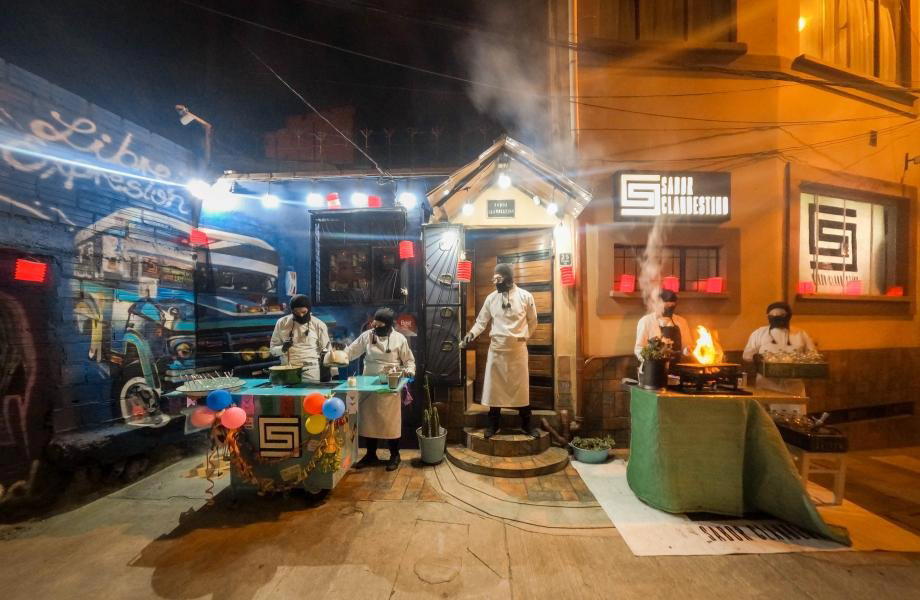
| Sabor Clandestino | Modern Bolivian Sensory Fusion | $50–100 | Not listed | Sopocachi |
| Imilla Alzada | Craft Pizza & Brewery | $1–10 | 50 Top Pizza Latin America #16 | Cota Cota |
| Phayawi | Traditional Bolivian Cuisine | Not listed | The Best Chef One Knife | Southern zone |
| Ancestral | Modern Bolivian Grill | $20–30 | World's 50 Best #79 | Calacoto |
| Gustu | Modern Bolivian Fine Dining | $50–100 | World's 50 Best #75 | Calacoto |
Continue exploring
More in La Paz
Restaurants in La Paz
All restaurants in La Paz →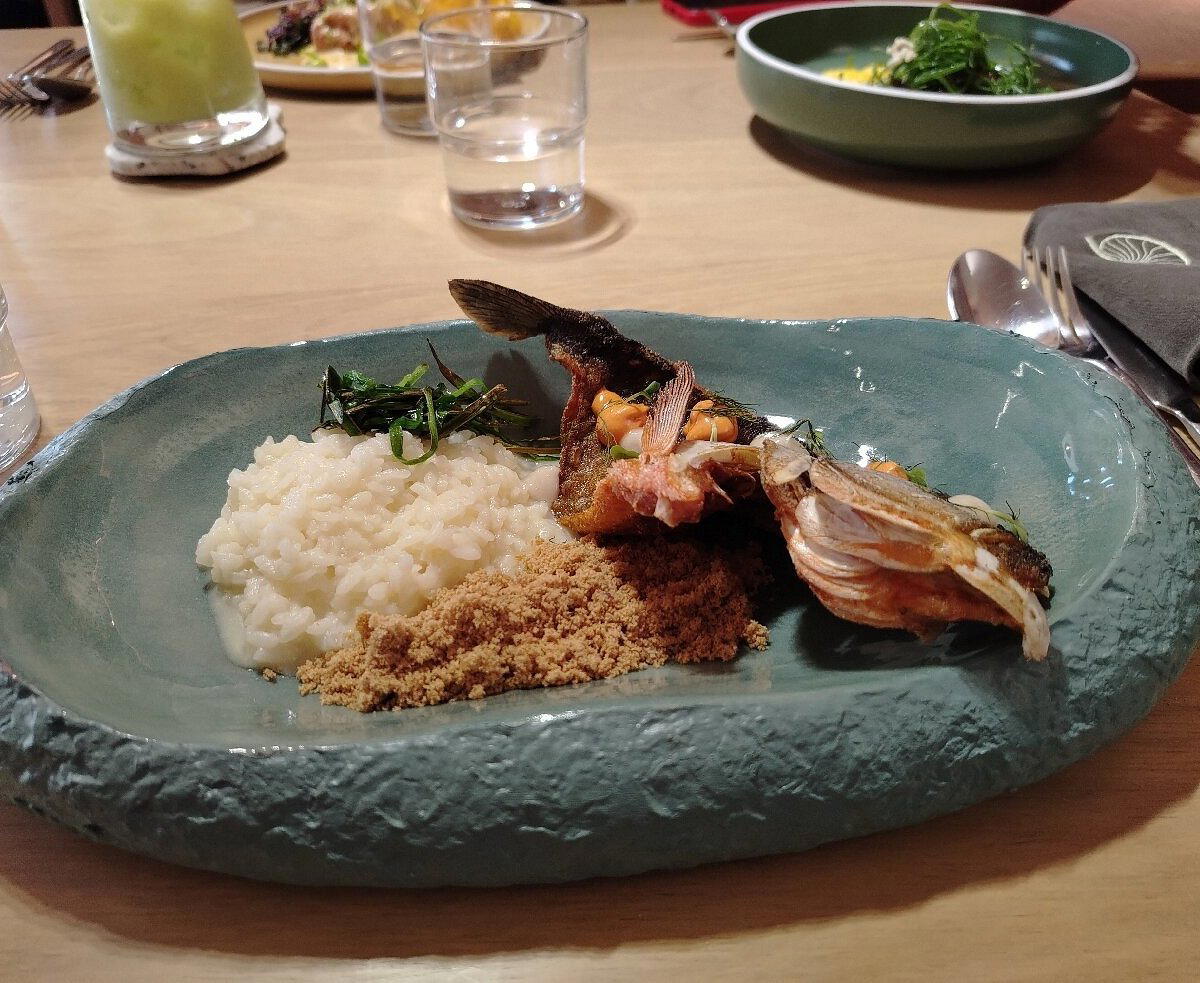
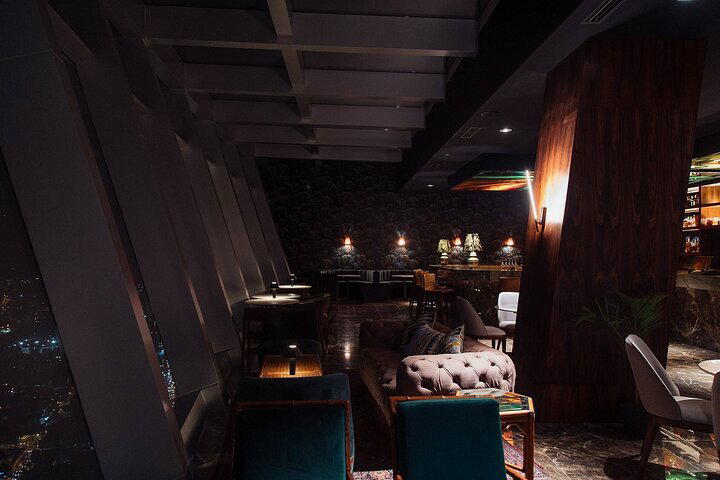
Bars in La Paz
All bars in La Paz →
Hotels in La Paz
All hotels in La Paz →

Details
- Cozy
- Elegant
- Rustic
- Date Night
- Special Occasion
- Open Kitchen
- Craft Cocktails
- Local Sourcing
- A La Carte
- Tasting Menu
- Vegetarian Friendly
Current opening hours
- Monday
- 12–10 PM
- Tuesday
- 12–10 PM
- Wednesday
- 12–10 PM
- Thursday
- 12–10 PM
- Friday
- 12–10 PM
- Saturday
- 12–10 PM
- Sunday
- Closed
Hours can change for holidays and private events. Hours as of .
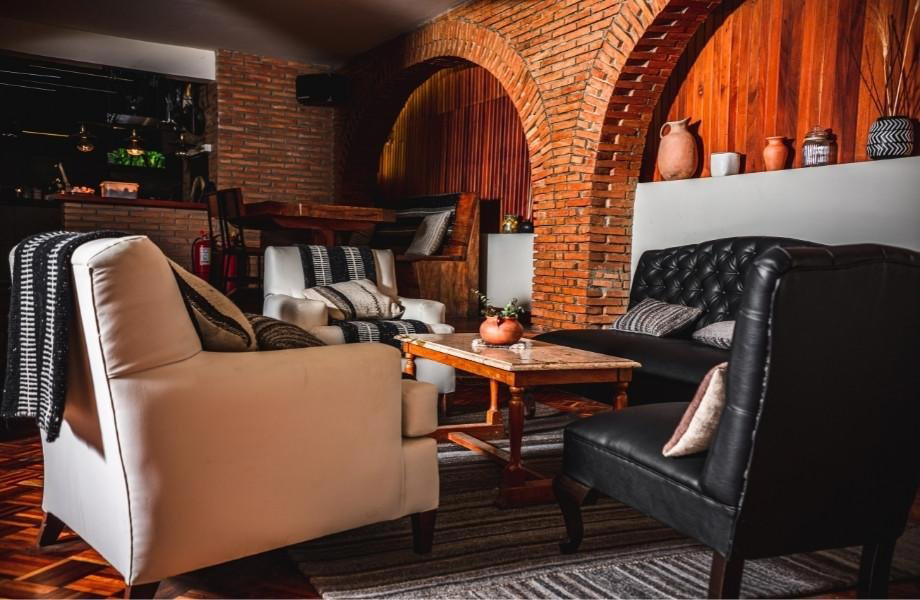
Cozy atmosphere with colorful decor, tablecloths, and Andean touches creating an elegant yet warm 'altiplano chic' setting.