
Opened in 2019 and winner of the American Express One to Watch Award in 2022, Ancestral puts Bolivian produce at the centre of a wood-fired grill format that prioritises sourcing over spectacle. Grilled trout, native paiche, and fresh herbs cut from an on-site garden define the menu's character. In a city where international formats have long overshadowed native ingredients, Ancestral argues convincingly for the other direction.
Pearl is the En Primeur Club membership app — saves, bookings, and concierge access live there. Same editors, same standards.
- Address
- Calle 10 de Achumani Maria F. Goya #135, La Paz, Bolivia
- Phone
- +591 62473383
- Website
- ancestral.mesa247.la
- Directions
- Get directions
 Saves & bookings on Pearl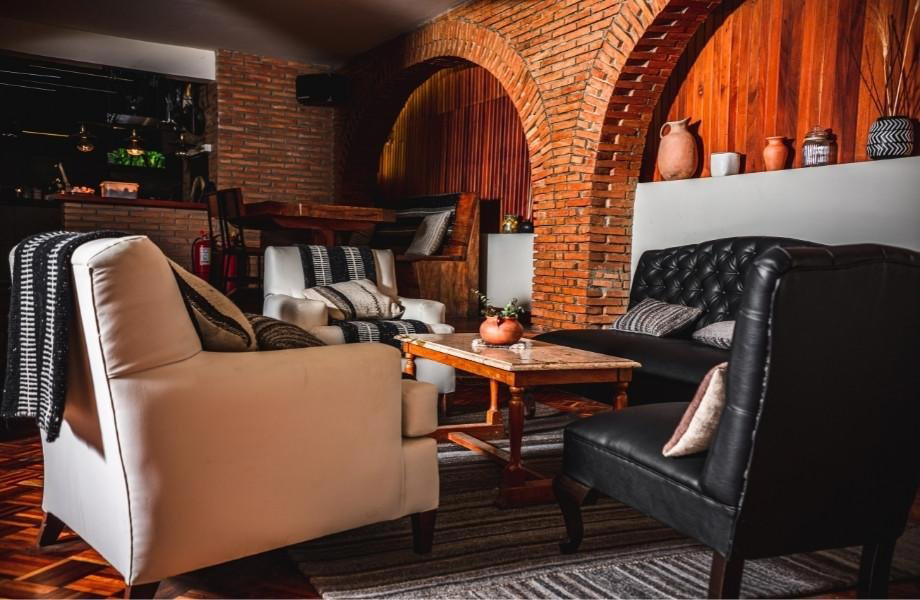
Where the Smoke Meets the Altiplano
Ancestral is a restaurant in La Paz's Achumani district, known for wood-fired grilling and Bolivian produce. It is in this context that Ancestral's wood-fired format makes sense: the smoke from an open grill carries differently in the thin air of a city at 3,600 metres, and the deliberate sourcing of Bolivian produce signals a kitchen focused inward rather than outward, toward the country's own larder rather than toward imported European or pan-Asian reference points.
That orientation toward local sourcing has become a meaningful category in Latin American dining over the past decade, but La Paz is a different proposition from Lima or Buenos Aires. The altitude, the geography, and the relative insularity of Bolivian culinary culture have historically made it harder to build a restaurant around native ingredients at a premium level. Ancestral, founded in 2019 by Mauricio Lopez and Sebastián Giménez, entered that context with a format that treats open-fire cooking as its primary technique and the Bolivian pantry as its primary argument.
Fire as Method, Bolivia as Source
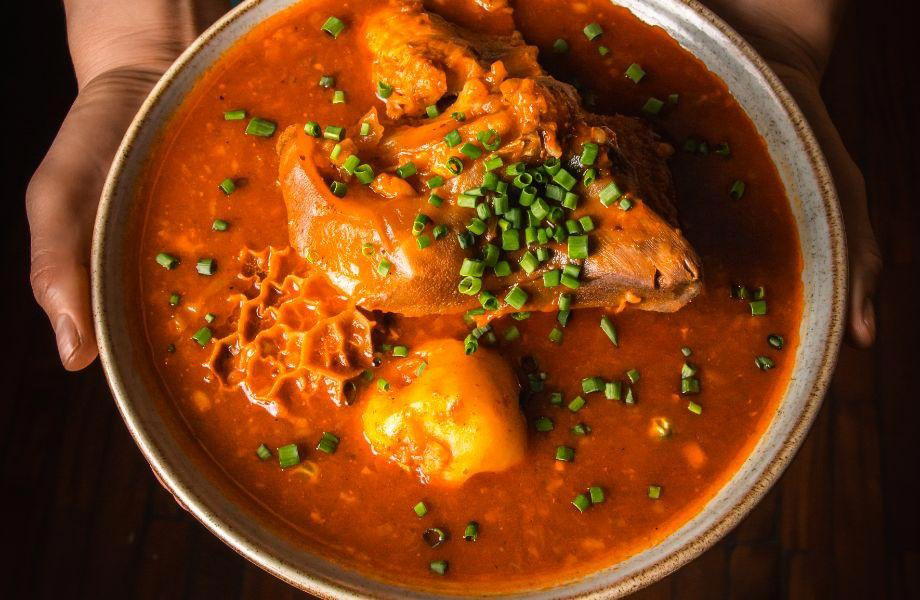
The logic of wood-fired grilling as a vehicle for ingredient-forward cooking has been well established in South America, from the asado traditions of Argentina and Uruguay to the brasas formats that have proliferated across Peru and Colombia. What distinguishes Ancestral's position within that broader movement is the specificity of its sourcing: the menu draws on Bolivian produce in ways that go beyond token local colour. Grilled trout from Bolivian highland lakes, paiche from the Amazon basin lowlands, and fresh herbs harvested from the restaurant's own garden define the menu's character. Paiche in particular signals serious ingredient intent; the large Amazonian fish has become a marker of Brazilian and Peruvian kitchens willing to work with native freshwater species, and its presence in a La Paz context points toward supply chains that require genuine effort to maintain at altitude.
The meat focus is consistent with the grill-centred format, where fire does the work that elaborate sauce or modernist technique would do elsewhere. Across Latin America, the leading open-fire kitchens have learned that the sourcing decision and the fire management are effectively the same creative act: what you select to put on the grill is inseparable from what the grill will do with it. At restaurants like Gustu in La Paz, the Bolivian ingredient argument has been made at an institution-building scale with international visibility; Ancestral approaches the same argument from a more focused, higher-temperature angle, where the grill is both technique and philosophy.
The 2022 One to Watch Signal
Recognition from the American Express One to Watch Award in 2022 placed Ancestral inside a category of restaurants that industry observers track as directional rather than merely accomplished. The One to Watch designation, associated with the Latin America's 50 Best ecosystem, functions differently from a ranked-list placement: it identifies restaurants where the trajectory matters as much as the current execution. In 2022, Ancestral earned that designation four years after opening, a timeline that suggests a kitchen that had moved from establishing its format to consolidating its sourcing and consistency.
That kind of external validation carries weight in La Paz specifically because the city's restaurant scene has historically been underrepresented in regional rankings dominated by Lima, São Paulo, and Buenos Aires. Restaurants like Phayawi and Arami operate within a city where the critical infrastructure for fine dining has developed more slowly than in Bolivia's peer capitals. Ancestral's award positions it as part of a cohort making the case that La Paz deserves a place in the broader South American dining conversation, alongside recognised names from New York to Monte Carlo to Hong Kong.
La Paz in Its Dining Moment
La Paz currently occupies an interesting position in regional dining: enough critical attention has arrived to make the city visible on international radar, but not so much that the restaurant culture has been reshaped by external demand. That gap creates conditions where ingredient-forward formats can develop on their own terms, without the pressure to produce a globally legible tasting-menu experience. Ancestral's grill-and-garden model is a direct product of that environment, and it reads differently here than the same format would in a city already saturated with similar concepts.
For visitors building a broader La Paz dining itinerary, Ancestral sits at a different register from Jazamango, which operates within a coastal Mexican frame, or from internationally trained kitchens working closer to European fine-dining conventions. Among restaurants recognised at a global level for ingredient discipline and open-fire cooking, Ancestral belongs in conversation with places like Lazy Bear in San Francisco and Emeril's in New Orleans, kitchens where a clearly defined technique and a specific regional larder are the whole point.
Planning Your Visit
Ancestral is located at Calle 10 de Achumani Maria F. Goya #135 in the Achumani neighbourhood of La Paz. Given its award profile and the relatively limited dining capacity typical of restaurants at this level in the city, booking ahead is recommended.
A Quick Peer Check
Comparable venues nearby, for context on price, style, and recognition.
| Venue | Cuisine | Price | Awards | Notes |
|---|---|---|---|---|
| AncestralThis venue — the venue you are viewing | Modern Bolivian Grill | $$$ | World's 50 Best #79 | Not listed |
| Gustu | Modern Bolivian Fine Dining | $$$$ | World's 50 Best #75 | Calacoto |
| Arami | Modern Andean-Amazonian | $$$ | World's 50 Best #48 | Achumani |
| Phayawi | Traditional Bolivian Cuisine | $$$ | Not listed | Southern zone |
| Imilla Alzada | Craft Pizza & Brewery | $$ | Not listed | Cota Cota |
| Sabor Clandestino | Modern Bolivian Sensory Fusion | $$$ | Not listed | Sopocachi |
Recognition history
Dated appearances from independent guides and award organizations, with the underlying list record or original source where available.
World's 50 Best Latin America's Best Restaurants #79
World's 50 Best
Continue exploring
More in La Paz
Restaurants in La Paz
Browse all →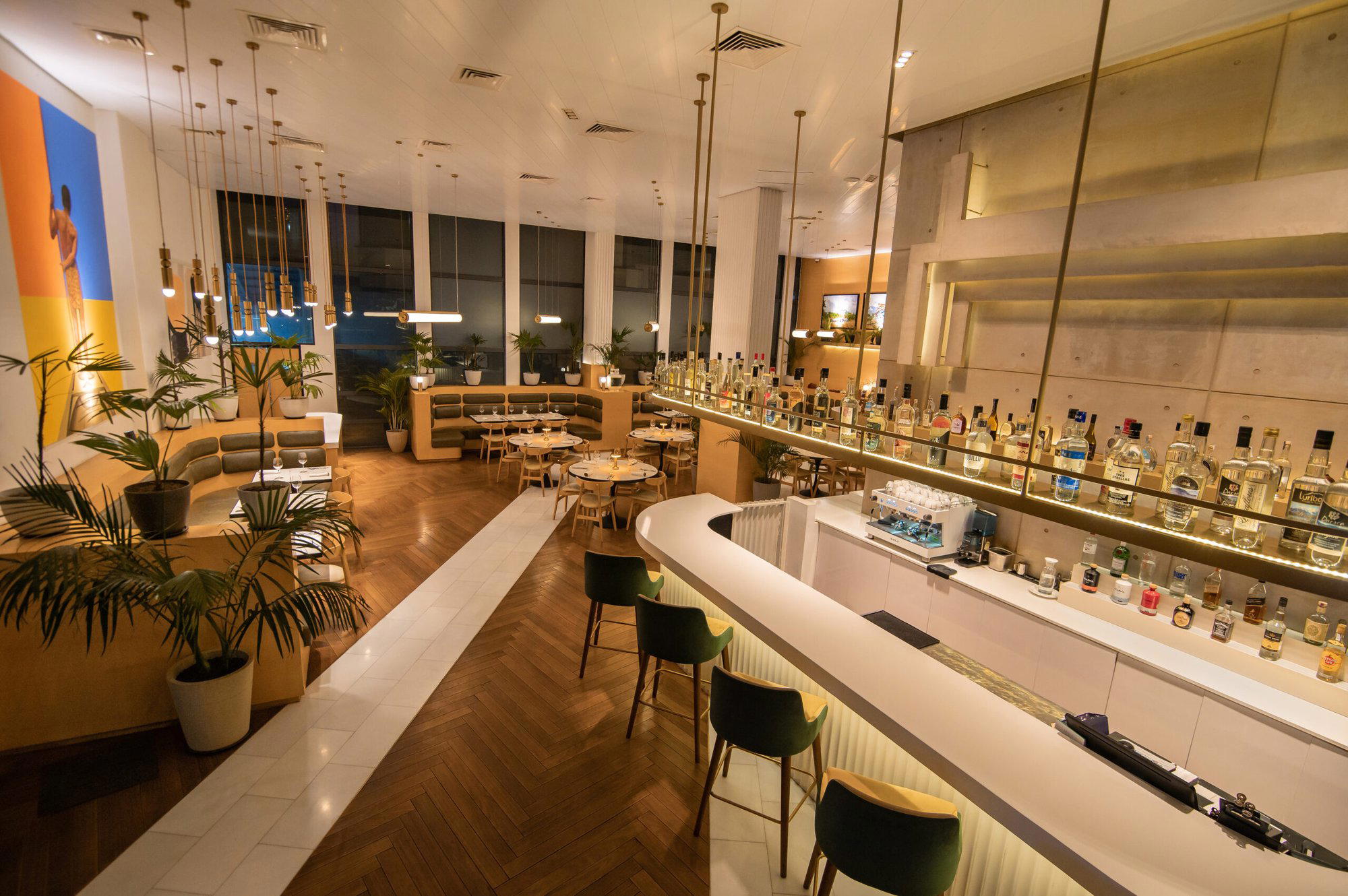
Bars in La Paz
Browse all →
Hotels in La Paz
Browse all →

At a Glance
- Cozy
- Elegant
- Modern
- Special Occasion
- Date Night
- Open Kitchen
- Garden
- Extensive Wine List
- Local Sourcing
- Garden
Current opening hours
- Monday
- Closed
- Tuesday
- 7–10 PM
- Wednesday
- 7–10 PM
- Thursday
- 7–10 PM
- Friday
- 12–3:30 PM, 7–10 PM
- Saturday
- 12–3:30 PM, 7–10 PM
- Sunday
- 12–3:30 PM
Hours can change for holidays and private events. Last verified .
Relaxed, spacious wood-floored dining room with open kitchen views, garden vistas, chic and cozy atmosphere.