Our verdict
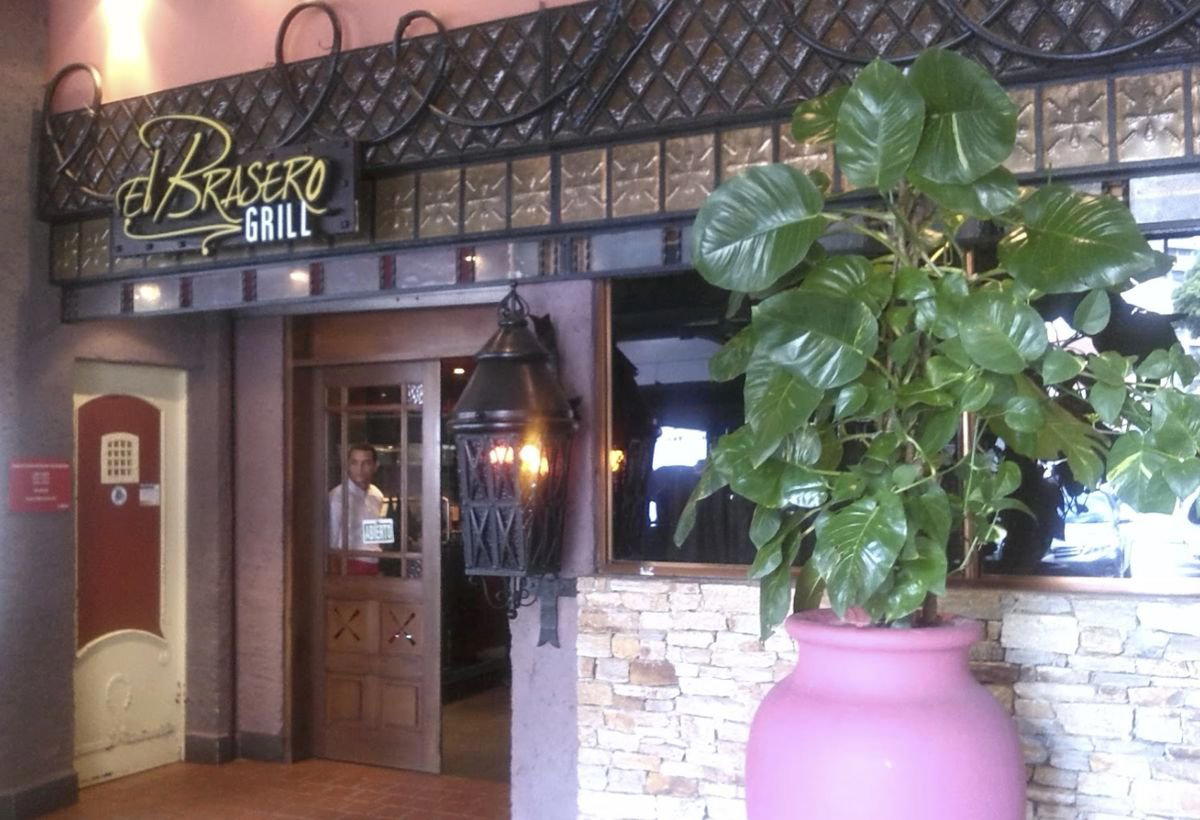
Brasero Restaurant operates within the commercial Centro Comercial El Marqués corridor in Caracas, serving a city where fire-driven cooking has long anchored the informal dining tradition. The brasero format, open-flame grilling over live coals, sits at the centre of Venezuelan culinary identity, and this address puts that tradition into a structured restaurant context. For visitors tracking the Sucre dining circuit, it represents a useful reference point in the capital's mid-tier grill category.

Pearl is the En Primeur Club membership app, where members save venues, book tables and use the concierge.
The menu
See the current menu on wa.me →Fire, Coal, and the Architecture of Venezuelan Grilling
Walk into any serious grill-focused address in Caracas and the same sequence plays out: the smell of char reaches you before the menu does, the kitchen's heat pushes into the dining room, and the protein arrives at the table with evidence of direct flame rather than the mediated warmth of an oven. This is the brasero tradition, cooking over live coals in an open or semi-open hearth, and it sits closer to the functional heart of Venezuelan dining culture than almost any imported format. At Brasero Restaurant, located at Local 1 in the ground-floor commercial strip of Centro Comercial El Marqués on Avenida Rómulo Gallegos in Caracas, that tradition is brought into a structured restaurant setting. The address itself signals something about positioning: commercial-centre dining in Caracas tends to serve a working and professional crowd, and the brasero format within that context is practical rather than theatrical.
The Sourcing Logic Behind Live-Fire Cooking
The editorial case for writing about fire-forward restaurants in cities like Caracas is not about spectacle. It is about ingredient accountability. Live-flame grilling at the brasero level is a technique that exposes the quality of what it cooks, fat content, aging, freshness, in ways that sauce-heavy or heavily processed preparations do not. Across South America, the tradition of cooking over wood or coal is inseparable from regional sourcing pride. In the Venezuelan context, beef from the Llanos region has historically carried that argument: cattle raised on open savannah grasses, processed with relatively limited industrial intermediaries, arriving at a grill with a flavour profile that reflects provenance. Whether that supply chain remains intact or has shifted under current agricultural and economic conditions in Venezuela is a live question that any visitor should investigate locally before assuming continuity.
The broader point holds regardless of moment: restaurants built around a live-fire format are making a sourcing commitment that cannot be disguised. You cannot hide inferior protein behind a brasero. This is why the format functions as a useful signal when assessing a dining address, in Caracas or elsewhere. Venues like Atelier Moessmer Norbert Niederkofler in Brunico and Reale in Castel di Sangro have built international reputations in part by treating sourcing as the first argument and technique as the second. At a different price tier and in a different culinary tradition, the same logic applies to a Venezuelan grill address.
Caracas in the South American Grill Conversation
City's grill culture sits in a different register from the Argentine parrilla tradition or the Brazilian churrasco circuit, both of which have developed institutional export identities with international steakhouse franchises and well-documented cuts. Venezuelan grilling is less codified for export, which means it remains more locally inflected and, for the visiting diner, more instructive about where you actually are. The Cordero in Caracas represents one end of the city's current meat-forward dining conversation; Brasero sits at a different point on that continuum, operating within a commercial-centre format that prioritises access over ceremony.
For context on what structured sourcing ambition looks like at the high end of the global live-fire conversation, Uliassi in Senigallia and Quattro Passi in Marina del Cantone both demonstrate how proximity to a primary ingredient source reshapes the entire menu logic. The Venezuelan version of that argument is geographic: a country with significant cattle-rearing land, active fishing coastline across multiple states, and agricultural diversity that, at different points in the country's economic history, has supported serious kitchen programmes. That context informs what a venue like Brasero is reaching toward, even when the practical details of any given week's supply chain are impossible to confirm from outside.
Where Brasero Sits in the Sucre and Caracas Dining Pattern
Sucre, in the context of Venezuelan dining, refers to the state rather than a separate city, and Caracas remains the capital anchor for most of the dining addresses in this region. The commercial dining strip along Avenida Rómulo Gallegos is a working corridor rather than a destination neighbourhood, which shapes the format and pacing of addresses that operate there. If you are building an itinerary around the broader Venezuelan grill tradition, cross-referencing addresses in different parts of the city and coast gives a fuller picture. Portarossa in Pampatar on Margarita Island represents a coastal counterpoint, while addresses in the interior like Casa Tarbes Restaurant in Municipio Valencia and Casa Vintage Restaurant in Municipio Naguanagua fill out the regional picture. Our full Sucre restaurants guide maps these addresses against each other with more granularity.
For ingredient-sourcing focused dining in the Venezuelan context, the Sucre state coastline and the Llanos interior represent the two primary supply arguments. Coastal access means fish, shellfish, and seafood traditions that differ substantially from the inland grill culture. Addresses closer to that supply chain, such as Proyecto Nativa in Sucre, have built programmes more explicitly around local provenance signalling. The live-fire format at Brasero operates from a different geographic anchor, but the underlying argument, that technique should serve ingredient quality rather than override it, connects the two.
Planning a Visit: What to Know Before You Go
Visitors should verify current trading status and reservation requirements directly on arrival or through local contacts in Caracas. The address at Local 1, Centro Comercial El Marqués, PB Av. Rómulo Gallegos, Caracas 1071, Miranda, Venezuela, places the venue in a commercial-centre ground-floor format that typically operates through walk-in or same-day booking rather than weeks-ahead reservation systems. Given the volatility of Caracas's restaurant market in recent years, confirming that a venue remains open before building an itinerary around it is good practice, not excessive caution. For visitors tracking fire-driven cooking further afield, Lazy Bear in San Francisco and Emeril's in New Orleans represent well-documented reference points on the North American side of the live-fire and hearth-cooking conversation. Le Bernardin in New York City, Atomix in New York City, HAJIME in Osaka, and Dal Pescatore in Runate round out the international tier for visitors who use a Venezuela visit as part of a longer comparative dining trip. Also worth noting in the regional context: Tasca Restaurant El Moroco in Municipio Urbaneja and CasaPakeaé¤é¦ in Vargas Municipality each address different segments of the Venezuelan dining range.
Frequently asked questions
Is Brasero Restaurant suitable for children?
Brasero sits inside Centro Comercial El Marqués on Av. Rómulo Gallegos in Caracas, a commercial-centre address that typically accommodates mixed-age groups without friction. The live-fire grill format is the kitchen's defining feature, which tends to appeal to older children comfortable with a smoke-forward dining room.
What kind of setting is Brasero Restaurant?
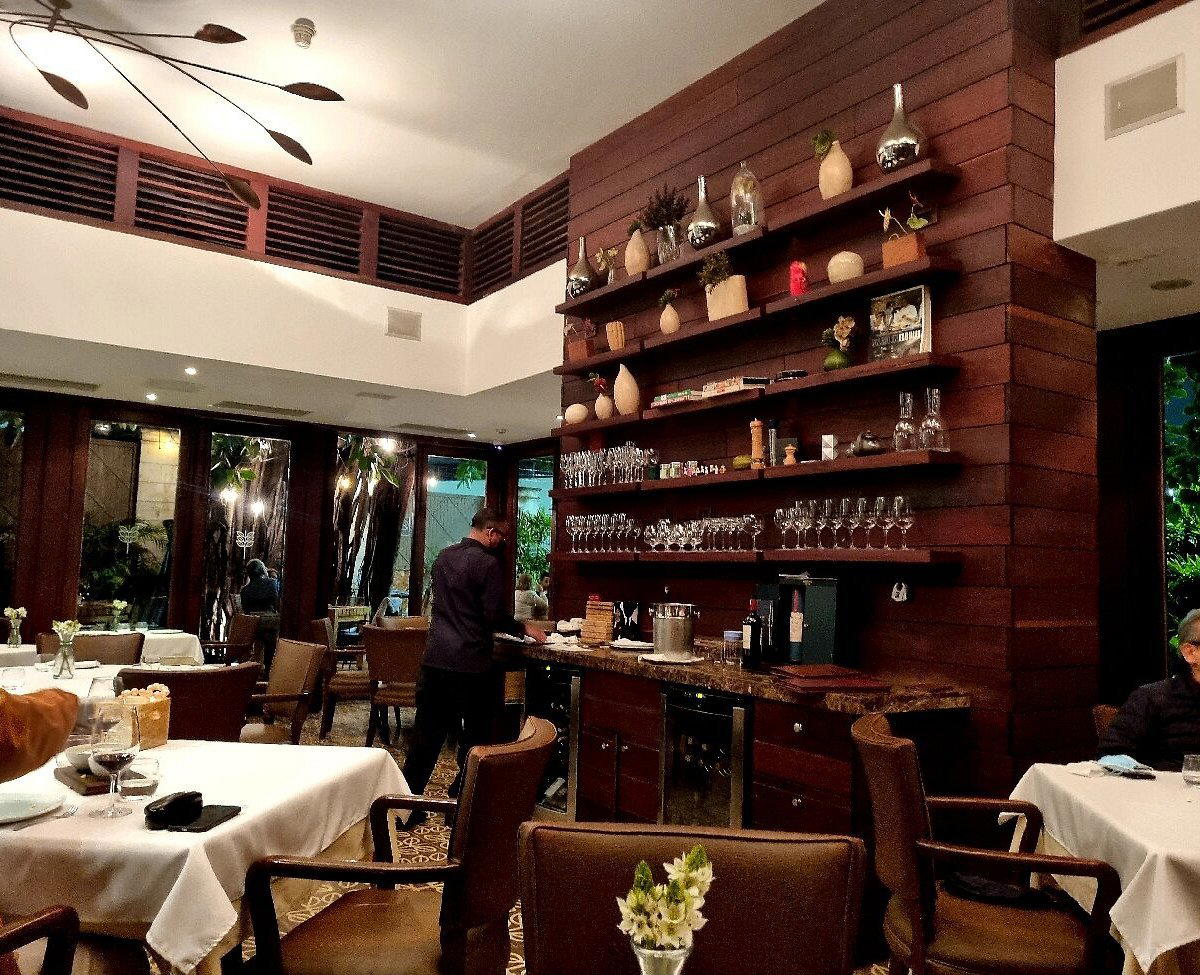
The restaurant occupies Local 1 on the ground floor of Centro Comercial El Marqués, placing it within a structured commercial context rather than a standalone street-level room. In Caracas, that format often signals a reliably air-conditioned, accessible environment with on-site parking, which shapes the visit before guests reach the table. The kitchen centres on live-fire cooking, so the visual and aromatic presence of coal and char is part of the room's character.
How does Brasero Restaurant fit into Caracas's broader grill culture compared to Argentine or Brazilian traditions?
Caracas grill culture operates in a distinct register from the Argentine parrilla circuit or Brazilian churrasco format, both of which have developed internationally recognisable protocols around cut selection and service style. Brasero, positioned in the Sucre area of Caracas at Centro Comercial El Marqués, sits within a Venezuelan tradition that draws on those influences while reflecting local ingredient priorities and sourcing patterns. The live-fire approach the restaurant takes is less about performing a borrowed format and more about the accountability that open-flame cooking imposes on ingredient quality.
What's the signature dish at Brasero Restaurant?
What the name and kitchen format do signal is a coal-and-wood-fire grilling orientation, which in the Caracas grill tradition typically anchors around cuts of beef and fire-roasted vegetables. For current menu details, contacting the restaurant directly or checking upon arrival will give you the most accurate picture.
Side-by-Side Snapshot
Comparable venues nearby, for context on price, style, and recognition.
| Venue | Cuisine | Price | Awards | Notes |
|---|---|---|---|---|
| Brasero RestaurantThis venue (the venue you are viewing) | Grill Restaurant | Not listed | Not listed | Not listed |
| Alto | Modern Venezuelan Fine Dining | Not listed | The Best Chef One Knife | Altamira |
| El Bosque Bistró | Contemporary Venezuelan Bistro | $30–50 | The Best Chef One Knife | Chacao |
| Tasca Restaurant El Moroco | Spanish Seafood | Not listed | Not listed | Lecheria |
| Casa Vintage Restaurant | Caribbean Beach Dining | Not listed | Not listed | Municipio Naguanagua |
| CasaPakeaé¤é¦ | Venezuelan Coastal | $10–20 | Not listed | Vargas Municipality |
Continue exploring
More in Sucre
Restaurants in Sucre
All restaurants in Sucre →
Hotels in Sucre
Browse all →
Details
Current opening hours
- Monday
- 11:30 AM–10 PM
- Tuesday
- 11:30 AM–10 PM
- Wednesday
- 11:30 AM–10 PM
- Thursday
- 11:30 AM–10 PM
- Friday
- 11:30 AM–12 AM
- Saturday
- 11:30 AM–12 AM
- Sunday
- 11:30 AM–9 PM
Hours can change for holidays and private events. Hours as of .
Comfortable setting.