


Opened in November 2024 by chef Marsia Taha Mohamed and sommelier Andrea Moscoso Weise, Arami operates in La Paz's Achumani neighbourhood as a casual fine dining address built around the biodiversity corridor between the Amazon and the Andes. The menu treats that geographic exchange as its primary ingredient source, drawing from two of the world's most ecologically dense regions within a single country.
Pearl is the En Primeur Club membership app — saves, bookings, and concierge access live there. Same editors, same standards.
- Address
- Avenida del Aviador # 1 Calle 9 de Achumani, La Paz
- Website
- aramirestaurant.com
- Directions
- Get directions
 Saves & bookings on Pearl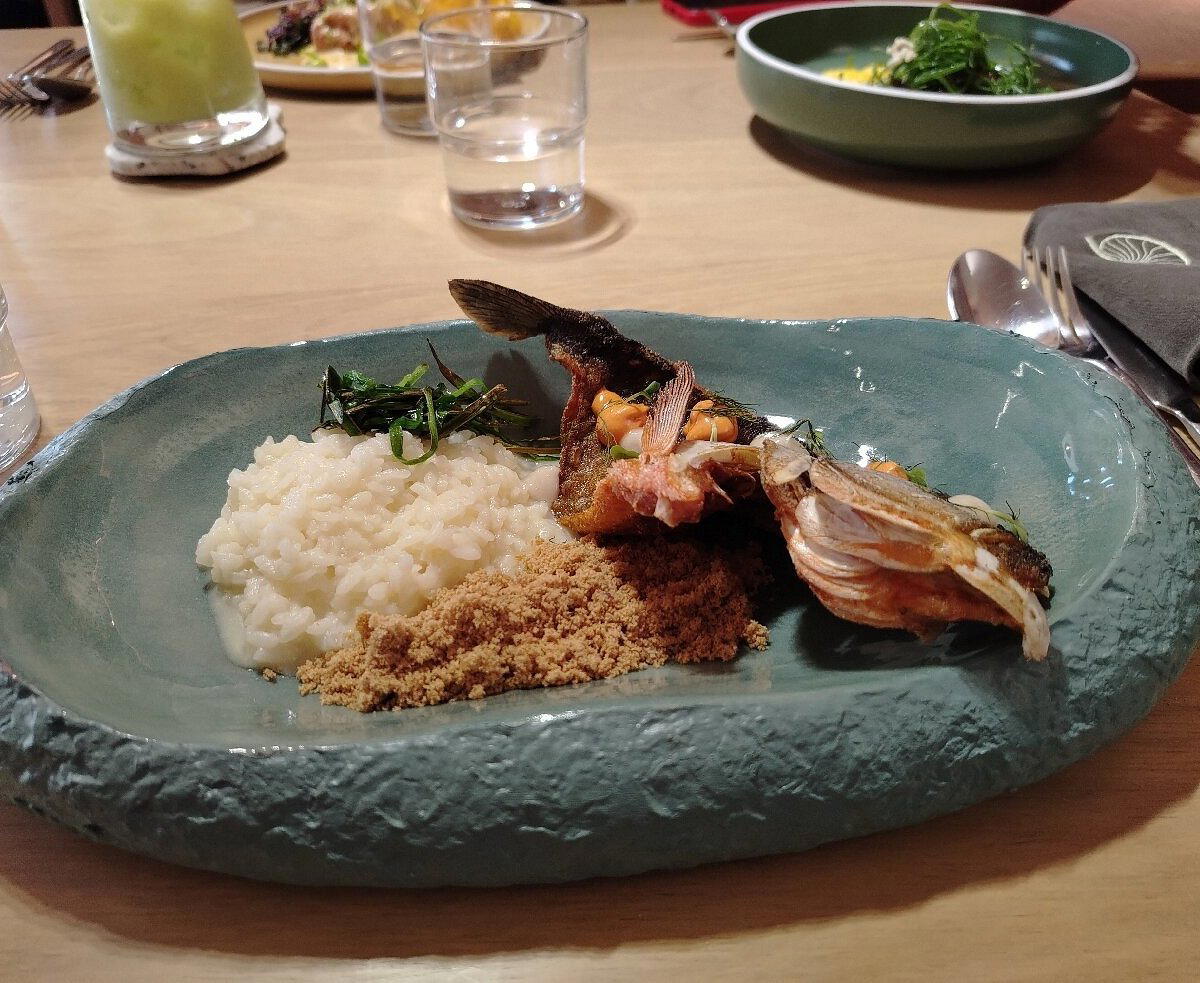
Where the Amazon Meets the Altiplano
Bolivia sits at among the more ecologically compressed points on the planet: within its borders, the high-altitude Andean plateau drops through cloud forest into the Amazon basin, creating a corridor of biodiversity that few countries can match. That geography is not backdrop at Arami, it is the organizing principle of the kitchen. The restaurant, which opened in November 2024 in La Paz's Achumani neighbourhood, treats the cultural and ecological exchange between these two zones as both ingredient library and editorial frame. What arrives on the plate is a record of that exchange: the tubers and grains of the Andes read against the wild proteins and botanicals of the Amazon lowlands.
In Mexico, a comparable editorial stance has driven the country's most-discussed restaurants for over a decade. Pujol in Mexico City built its reputation on indigenous ingredient research; Levadura de Olla in Oaxaca centres pre-Hispanic corn culture; KOLI Cocina de Origen in Monterrey maps a single region's larder in depth. Bolivia's fine dining scene arrives at this same conversation from a different angle, a country with extraordinary ecological range but far less international documentation of its ingredient traditions. Arami enters that gap at a moment when Andean and Amazonian biodiversity is drawing serious culinary attention across South America.
The Ingredient Logic of the Andes-Amazon Corridor
The Amazon basin produces ingredients that remain largely absent from fine dining menus outside South America: açaí harvested from floodplain palms, river fish with no direct equivalent in Atlantic or Pacific cuisines, Amazonian herbs whose aromatic profiles sit outside the European spice canon. The Andean side contributes differently, over 3,000 documented varieties of potato originate in the region, quinoa and kiwicha have deep agricultural histories at altitude, and Andean corn varieties span colour and starch ranges that bear little resemblance to commodity grain. At Arami, the menu is built to place both ingredient sets in conversation, treating the ecological boundary between them as a line worth crossing repeatedly on the plate.
This is not a novel editorial position in South American dining. Gustu, the La Paz restaurant that helped establish the city's international dining profile, made Bolivian ingredient sourcing its founding argument. Arami arrives in a different register: chef Marsia Taha Mohamed and sommelier Andrea Moscoso Weise have framed the project as a female-led exploration, and the casual fine dining format they have chosen positions it at a slightly different price tier and mood than the white-tablecloth end of the La Paz scene. Where comparable addresses in the city, including Ancestral and Phayawi, occupy specific positions in the local fine dining hierarchy, Arami's casual format signals a deliberate choice to make the ingredient argument accessible without shedding technical ambition.
Achumani and the Geography of the La Paz Dining Scene
La Paz's restaurant geography is shaped by altitude and urban sprawl. The city descends from the altiplano rim at roughly 3,600 metres toward the lower valley districts, with Achumani sitting in the southern zone at a somewhat lower elevation than the historic centre. That neighbourhood position matters practically: Achumani is a residential district with a different character from the central Sopocachi and Miraflores corridors where much of the city's established dining is concentrated. A restaurant opening there in November 2024 is making a specific statement about where La Paz's dining energy might be shifting, and about who the primary audience is.
The address at Avenida del Aviador places the restaurant within reach of a resident clientele rather than a tourist circuit, which tends to shape the mood of a room differently from city-centre fine dining. For visitors, getting to Achumani requires intent, this is not a walk-past discovery. That friction also functions as a filter: the room will skew toward people who have specifically sought the restaurant out, which tends to produce a more informed dining audience and a different energy than a table on a main tourist artery.
Opening Context and the Timing Question
November 2024 is a recent opening by any measure, which makes Arami one of the youngest addresses in the La Paz fine dining conversation. That timing carries both risk and opportunity. On the risk side, a restaurant this new has not yet accumulated the track record that allows critics to triangulate its position with confidence. The menu may still be finding its voice; the front-of-house rhythm in a new opening typically stabilises over the first twelve months. On the opportunity side, a visit in 2025 or early 2026 places a diner at a genuinely formative moment, the stage at which a restaurant's identity is most visible as a work in progress and at which the team's intentions are most directly readable from each plate.
Chef Marsia Taha Mohamed brings credentials that position Arami within a tier of technically serious Andean cooking. The female-led framing is also notable in a regional dining scene where particularly profiled kitchens have historically been male-dominated. The partnership with sommelier Andrea Moscoso Weise suggests a programme in which the beverage component is treated as equal editorial weight to the food, a signal that the drink pairing deserves attention when booking. Bolivia's wine production is limited, but the country's fermentation traditions, particularly chicha and singani-based spirits, offer a local pairing logic that a sommelier with this focus would be expected to know in depth.
Placing Arami in the Wider Mexican and South American Context
Arami sits in La Paz, Bolivia, a city whose restaurant scene has internationalised rapidly over the past decade, with addresses from Gustu to Ancestral and Phayawi each staking distinct positions in the local ingredients conversation. The Andes-Amazon framing that Arami adopts draws on one of the hemisphere's most compelling ingredient stories, and it arrives at a moment when that story is gaining traction well beyond South America. Restaurants in New York like Atomix and Le Bernardin demonstrate how ingredient-led narratives from specific geographies can drive sustained critical attention when the kitchen executes with enough precision and consistency. Whether Arami's sourcing argument translates into that kind of international profile will depend on the discipline of execution over the next few years.
For the reader deciding between La Paz's current crop of serious restaurants, Arami offers the particular energy of a restaurant in its first year, where the stakes of the stated intention are still openly visible. The ingredient argument is sound, the geographic framing is coherent, and the casual fine dining format makes the entry point lower than a full tasting menu commitment.
Planning Your Visit
Arami is located at Avenida del Aviador No. 1, Calle 9 de Achumani, in the southern valley district of La Paz. The restaurant opened in November 2024, making advance reservation advisable even in its early months as word of the project spreads. Reservations are recommended. The casual fine dining format means dress code expectations sit below the formal end of the spectrum, though the technical ambition of the kitchen warrants smart casual dress.
What Regulars Order at Arami
No confirmed signature dishes or published menu data are available for Arami at this stage of its opening. Given the restaurant's stated focus on Andean and Amazonian biodiversity, regulars and early visitors are likely drawn to preparations that foreground the least-familiar ingredients from the lowland Amazon corridor, the ingredients that have no direct equivalent in the Andean or Mexican pantry and that represent one literal expression of the kitchen's sourcing argument. The sommelier-led beverage programme, with its probable emphasis on Bolivian fermentation traditions, is the other component that early visitors have cited as a point of distinction from the city's longer-established fine dining addresses.
Cost Snapshot
Comparable venues nearby, for context on price, style, and recognition.
| Venue | Cuisine | Price | Awards | Notes |
|---|---|---|---|---|
| AramiThis venue — the venue you are viewing | Achumani, Modern Andean-Amazonian | $$$ | World's 50 Best #48 | Not listed |
| Gustu | Calacoto, Modern Bolivian Fine Dining | $$$$ | World's 50 Best #75 | Not listed |
| Ancestral | Calacoto, Modern Bolivian Grill | $$$ | World's 50 Best #79 | Not listed |
| La Rufina | Sopocachi, Modern Bolivian Street Food | $$$ | Not listed | Not listed |
| Phayawi | Not listed | $$$ | Not listed | Southern zone, Traditional Bolivian Cuisine |
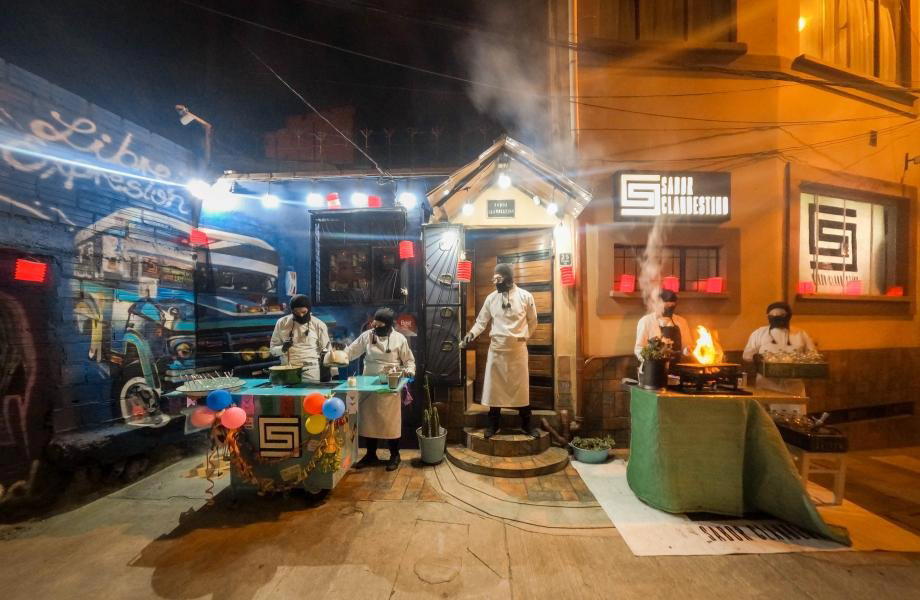
| Sabor Clandestino | Not listed | $$$ | Not listed | Sopocachi, Modern Bolivian Sensory Fusion |
Recognition history
Dated appearances from independent guides and award organizations, with the underlying list record or original source where available.
Food & Wine Global Tastemakers Top Restaurants #4
Food & Wine
The Best Chef One Knife
The Best Chef
World's 50 Best Latin America's Best Restaurants #48
World's 50 Best
Continue exploring
More in La Paz
Restaurants in La Paz
Browse all →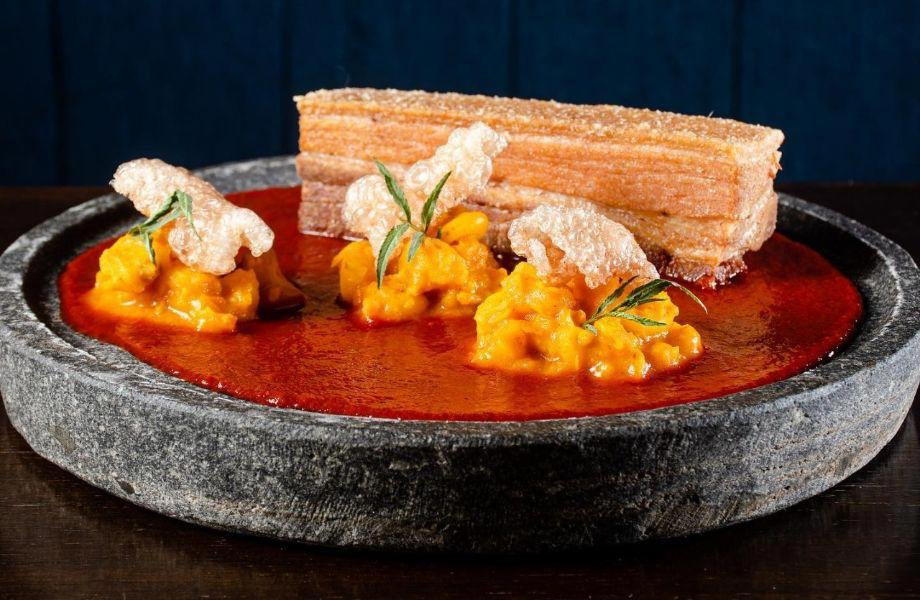
Bars in La Paz
Browse all →
Hotels in La Paz
Browse all →

At a Glance
- Minimalist
- Elegant
- Modern
- Special Occasion
- Celebration
- Date Night
- Open Kitchen
- Sommelier Led
- Local Sourcing
- Sustainable Seafood
- Organic
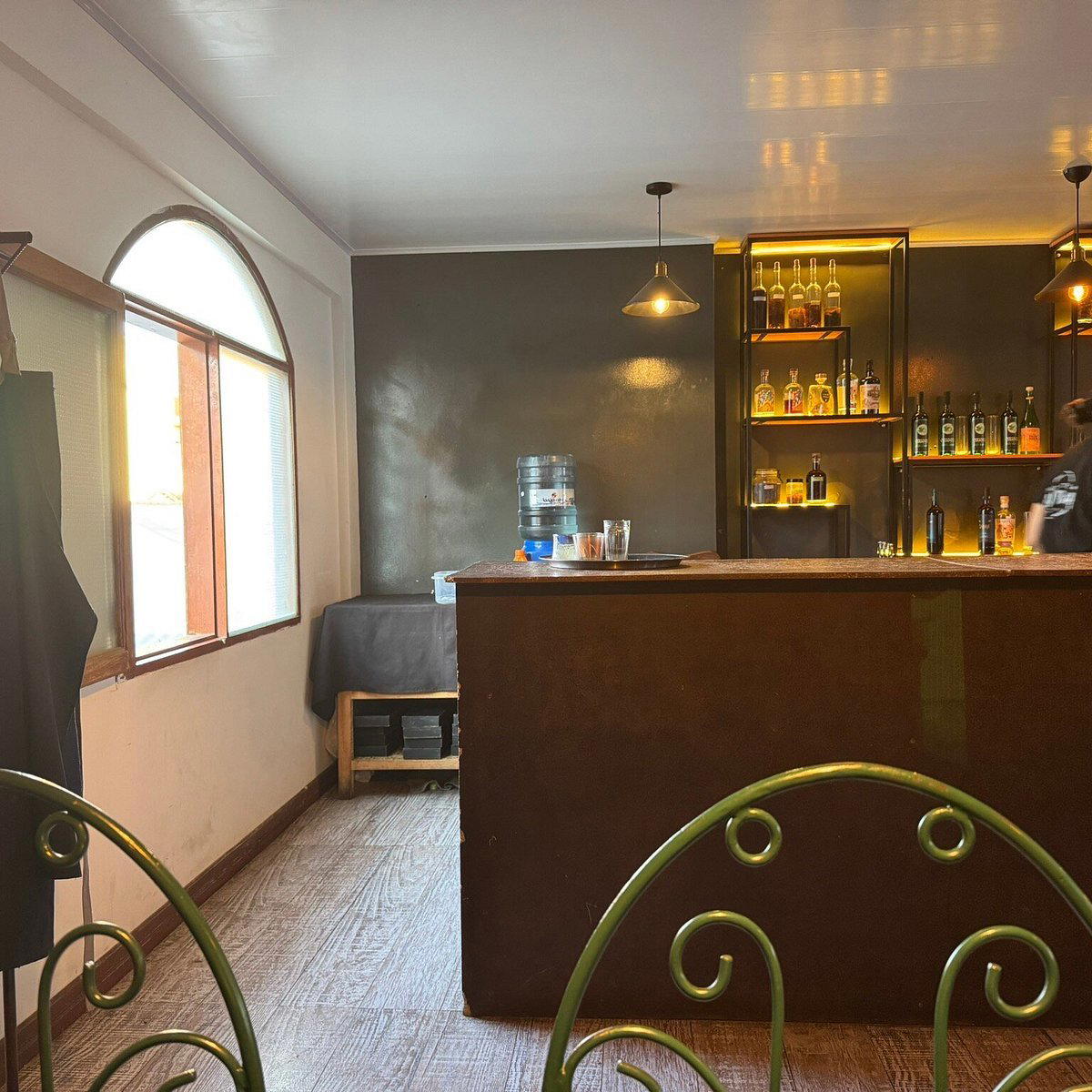
Minimalist décor in pale wood and grey tones allows meticulously plated dishes to be the focal point; casual yet refined atmosphere.