Primorska koliba
Primorska koliba sits on the northern Krk coast in Malinska, where the Kvarner Gulf's culinary tradition of lamb, seafood, and local wine holds firm against mainland trends. The kitchen draws on the island's pastoral and maritime heritage, placing it in a category of neighbourhood restaurants that serve as honest entry points into Dalmatian-adjacent coastal cooking. Visitors to Malinska's modest dining scene will find it among the area's established local addresses.
Pearl is the En Primeur Club membership app — saves, bookings, and concierge access live there. Same editors, same standards.
- Address
- Ul. Svetog Apolinara 2, 51511, Malinska, Croatia
- Phone
- +38551859551
- Website
- primorska-koliba.com
- Directions
- Get directions
 Saves & bookings on Pearl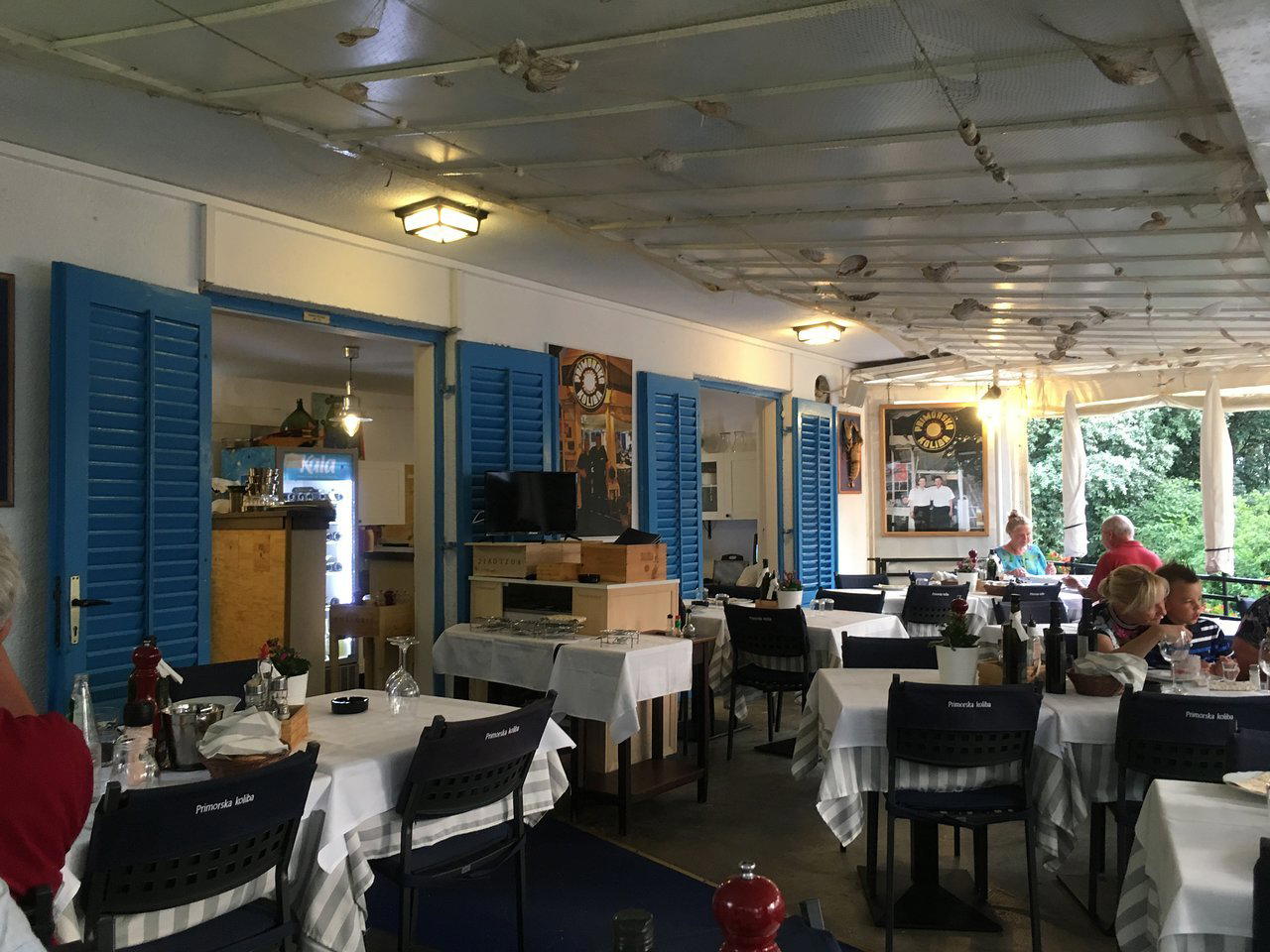
Where Kvarner Cooking Stays Honest
The island of Krk occupies a particular position in Croatian coastal dining: large enough to sustain a year-round local economy, close enough to Rijeka and the mainland to absorb outside influence, yet stubbornly attached to its own pastoral and maritime identity. Malinska, on the island's northwestern coast, sits within that tension. Its waterfront and surrounding olive groves have shaped a dining culture that leans on lamb raised in the interior, fish pulled from the Kvarner Gulf, and wines grown on the island's limestone slopes. Primorska koliba is a restaurant in Malinska, Croatia, serving Traditional Mediterranean Seafood at a casual price tier. It operates within that tradition rather than against it.
The physical approach to a konoba-style restaurant in this part of Croatia carries its own grammar. Stone walls, wooden interiors, and a practical orientation toward feeding locals and visiting regulars define the category. This is not the architecture of spectacle. The Kvarner coastal restaurant at this register is built around function: a kitchen producing dishes rooted in what the island has always grown, raised, and caught, served without the editorial overlay that Croatia's more decorated restaurants apply. Compare this to the format at Pelegrini in Sibenik or Restaurant 360 in Dubrovnik, where Mediterranean technique and tasting-menu formats command steep price brackets, and the contrast clarifies what the neighbourhood konoba is actually doing: preserving a culinary register that the upper end of the Croatian restaurant scene has largely moved past.
The Cultural Weight of the Kvarner Table
Kvarner cooking is often collapsed into the broader category of Dalmatian cuisine, but the distinction matters. The gulf's colder, deeper waters produce different fish than the warmer Adriatic channels around Split or Dubrovnik. The island's interior grazing land, combined with a maritime microclimate, gives Krk lamb a character specific to this geography. The region also maintains one of Croatia's oldest wine identities: Žlahtina, the white grape variety grown almost exclusively on Krk, produces light, mineral-driven wines that have accompanied island meals for centuries. A restaurant working within this tradition is, in effect, a custodian of a hyper-regional food culture that mainland Croatian dining rarely replicates.
This is the context in which Croatia's neighbourhood restaurants carry outsized cultural significance. Where Agli Amici Rovinj in Rovinj operates at the premium end of Istrian coastal cooking, or Nebo by Deni Srdoč in Rijeka represents the urban ambition of Kvarner's largest city, the local konoba holds the middle ground: accessible to islanders, intelligible to informed visitors, and largely indifferent to the award cycles that define the upper tier. That indifference is not a weakness. It is, for a certain kind of traveller, the point.
Malinska's Place in the Island Dining Order
Krk is Croatia's most populated island, and its dining scene reflects that density without quite achieving the depth of Hvar or Korčula. Malinska functions as a quieter counterpoint to the island's better-known resort towns. Its restaurants serve a mix of summer visitors and year-round residents, which tends to produce menus calibrated for repeat custom rather than one-off occasion dining. The result, across the town's better local addresses, is a consistency of produce and preparation that more tourist-facing restaurants sometimes sacrifice for throughput.
For travellers approaching the broader Kvarner region, the island's dining can be mapped alongside restaurants from the surrounding mainland coast. Burin in Crikvenica represents the northern Adriatic coastal format, while Alfred Keller in Mali Lošinj shows what happens when that regional tradition meets more structured kitchen ambition. Primorska koliba sits at the accessible end of this regional spectrum, which makes it a rational first stop for visitors building familiarity with Kvarner flavours before moving to more technically demanding addresses. Nearby, Vila Rova offers another point of comparison within Malinska itself, giving the town two distinct reference points for local dining.
Reading the Croatian Coastal Restaurant Category
Croatia's restaurant category has bifurcated sharply over the past decade. At one end, a cluster of internationally recognised addresses, including Boskinac in Novalja on neighbouring Pag and LD Restaurant in Korčula, have positioned themselves within the broader European fine-dining conversation, with price points and booking windows to match. At the other end, the traditional konoba format has held its ground by doing something the upper tier cannot easily replicate: providing daily-use cooking that reflects genuine local appetite rather than curated visitor experience.
Restaurants like Dubravkin Put in Zagreb, Krug in Split, and Korak in Jastrebarsko each represent regional Croatian cooking at different price registers and in different urban contexts. The coastal island format, by contrast, is shaped by geography in ways that urban Croatian restaurants are not: ingredient sourcing is constrained by what the island produces and what ferry logistics allow, and the seasonal rhythm is compressed into a shorter high period between June and September. That compression tends to sharpen focus. Restaurants operating year-round on a small island learn quickly which dishes justify the effort of consistent execution.
It is the category of regionally specific, produce-led restaurants that hold their ground by knowing exactly what they are. Bodulo in Pag, BioMania Bistro Bol in Bol, and Cantilly Garden Restaurant in Samobor each illustrate how Croatian regional cooking survives and in some cases strengthens at the neighbourhood level. The gap between this tier and internationally acclaimed restaurants such as Le Bernardin in New York City or Atomix in New York City is not just one of technique or price: it is a difference in what the restaurant is fundamentally for.
Planning a Visit
Malinska is accessible from the mainland via the Krk Bridge, the only fixed link between a Croatian island and the mainland, which puts the town within roughly an hour of Rijeka by car. The summer season runs from late June through August, when Malinska's population expands significantly and restaurant demand increases proportionally. Visitors planning to eat in the better local addresses during peak weeks would be wise to book ahead, as the town's total restaurant capacity is limited. The shoulder months of May, early June, and September offer a more measured experience of the island's dining scene, with local produce still at full reach and considerably less pressure on tables.
Price and Recognition
Comparable venues nearby, for context on price, style, and recognition.
| Venue | Cuisine | Price | Notes |
|---|---|---|---|
| Primorska kolibaThis venue — the venue you are viewing | Not listed | $$ | Not listed |
| Vila Rova | Not listed | $$$$ | Malinska-Dubasnica, Modern Kvarner Mediterranean |
| Konoba Šantek | Not listed | $$ | Rasopasno, Traditional Croatian Grill & Roast |
| Nada | Not listed | $$ | Vrbnik old town, Traditional Mediterranean Seafood |
| Lucija | Povile, Croatian Mediterranean Seafood | $$ | Not listed |
| Ružmarin | Slatina, Mediterranean Pizza & Grill | $$ | Not listed |
Continue exploring
More in Malinska Dubasnica
Restaurants in Malinska Dubasnica
Browse all →
Bars in Malinska Dubasnica
Browse all →
Hotels in Malinska Dubasnica
Browse all →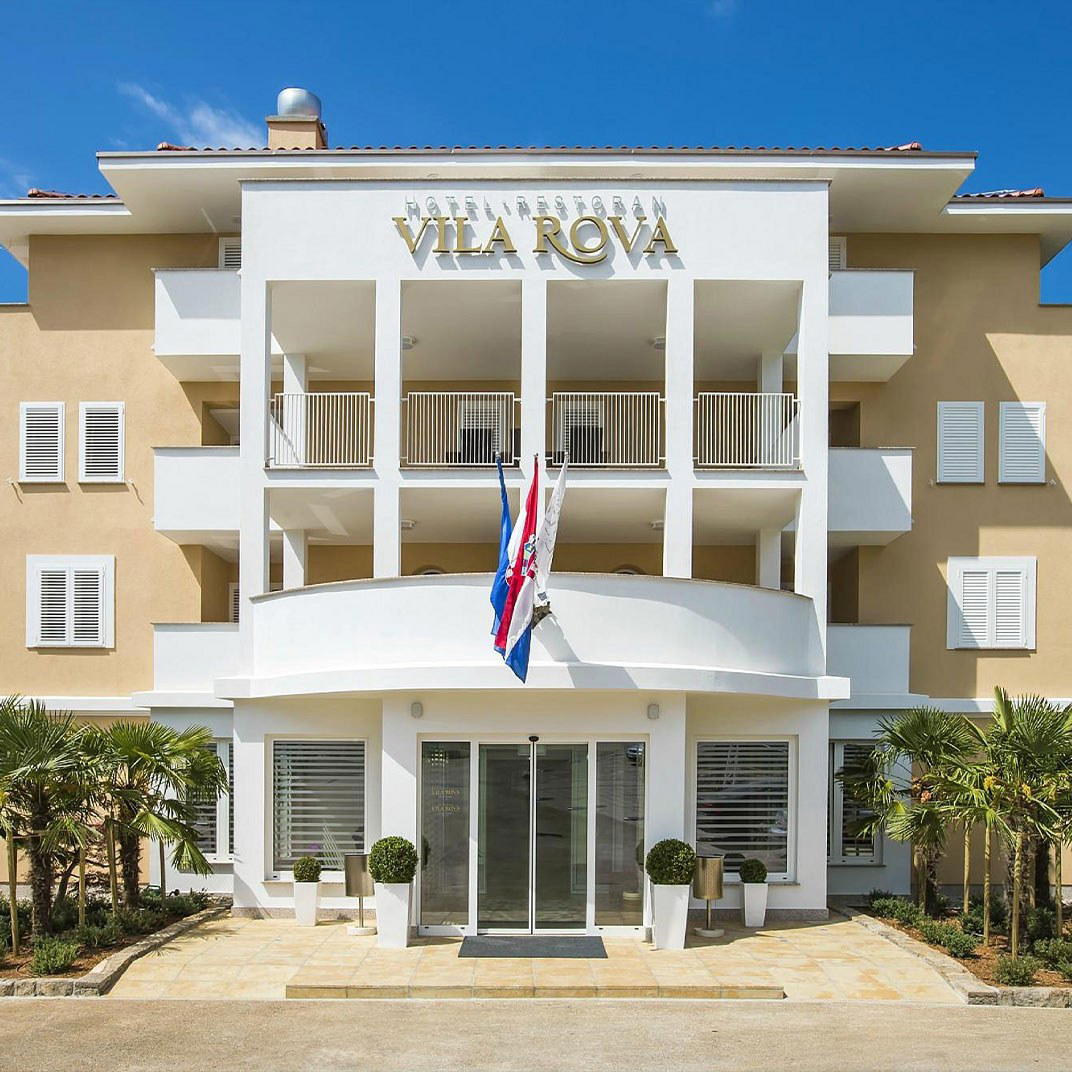
Wineries in Malinska Dubasnica
Browse all →At a Glance
- Rustic
- Scenic
- Cozy
- Casual Hangout
- Family
- Terrace
- Waterfront
- Local Sourcing
- Waterfront
Current opening hours
- Monday
- 12–11 PM
- Tuesday
- 12–11 PM
- Wednesday
- 12–11 PM
- Thursday
- 12–11 PM
- Friday
- 12–11 PM
- Saturday
- 12–11 PM
- Sunday
- 12–11 PM
Hours can change for holidays and private events. Last verified .
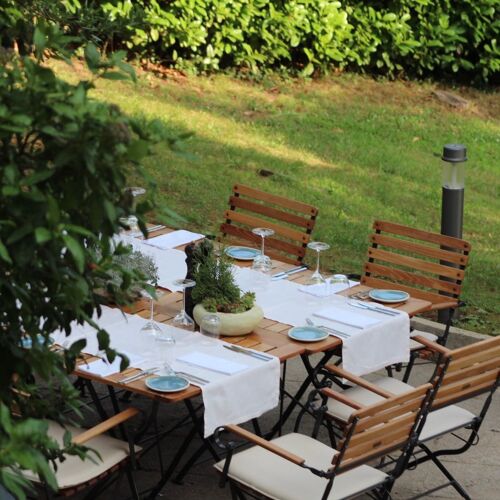
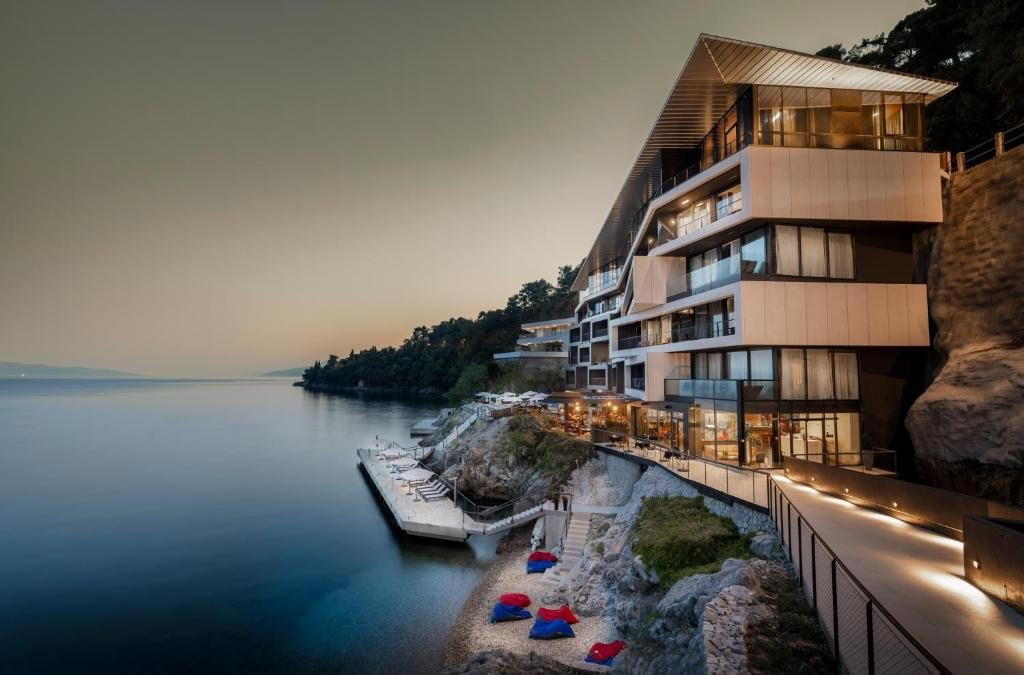
Relaxed seaside terrace under pine trees with a traditional coastal hut atmosphere.