Nada sits on Glavača street in Vrbnik, a medieval hilltop village on Krk island where the Adriatic coast and Kvarner Bay define what ends up on the plate. Dining here places you inside a tradition of island hospitality shaped by proximity to the sea and the vineyards that cover Krk's interior, the same conditions that make Vrbnik a reference point for Croatian coastal dining.
Pearl is the En Primeur Club membership app — saves, bookings, and concierge access live there. Same editors, same standards.
- Address
- Glavača 22, 51516, Vrbnik, Croatia
- Phone
- +38551857065
- Website
- nada-vrbnik.hr
- Directions
- Get directions
 Saves & bookings on Pearl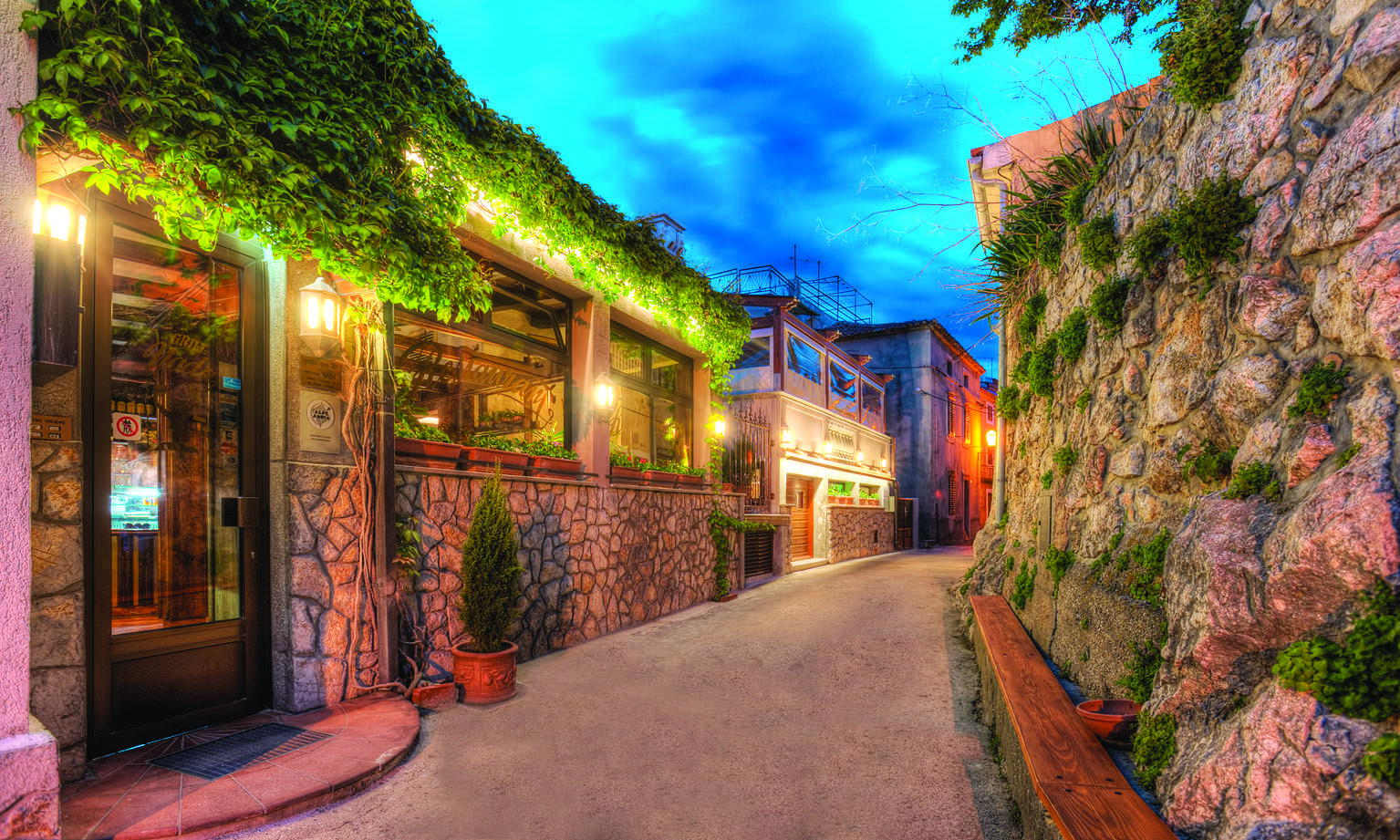
Where the Kvarner Table Begins
Vrbnik is the kind of place that reminds you how much geography shapes a dining culture. Perched on a limestone cliff above the Kvarner Bay on the eastern edge of Krk island, the village sits at the convergence of two defining Croatian food traditions: the Adriatic catch that arrives from below and the dry-stone vineyard terraces that rise behind it. The streets are narrow enough that a single car cannot pass, and the stone walls retain the heat of the afternoon long after the sun drops. It is in this compressed, seaside-cliff environment that Nada, at Glavača 22, operates, not as an anomaly but as a direct product of its setting.
Croatian island dining in the Kvarner region has not followed the same trajectory as, say, the Dalmatian coast's more internationally visible restaurant scene, where venues like Pelegrini in Sibenik or Restaurant 360 in Dubrovnik have attracted sustained awards attention. Kvarner operates at a quieter register. The ingredient quality is comparable, often superior in terms of raw material proximity, but the format tends toward the familial and the local rather than the tasting-menu theatrical. Nada occupies that quieter register, in a village where the dining culture has always been more about what the island produces than about what a kitchen does to it.
The Sourcing Logic of Krk Island
The editorial argument for ingredient-led dining is easier to make on Krk than almost anywhere else in Croatia. The island is small enough, roughly 405 square kilometres, that the distance between sea, farm, and table is genuinely short. Lamb grazed on the island's aromatic scrubland carries a flavour profile shaped by wild herbs and salt air that no mainland-reared animal replicates. The same logic applies to the seafood: the Kvarner Bay is one of the colder, cleaner stretches of the Adriatic, producing shellfish and fish with a pronounced mineral character that warmer southern waters do not yield.
Then there is Žlahtina, the white grape variety that is almost entirely specific to Vrbnik and its immediate surroundings. The variety grows in the mineral-rich soils above the village, and the resulting wines, typically dry, with high natural acidity and a salinity that mirrors the coastal air, are practically inseparable from the local table. Dining in Vrbnik without engaging with Žlahtina is a bit like eating in Burgundy while ignoring Pinot Noir: technically possible, but contextually incomplete. The wine and the food here are shaped by the same environment, and tables in the village tend to reflect that alignment as a matter of course rather than as a curated pairing exercise.
This sourcing discipline is not distinctive to Nada, it defines the better end of dining across the Kvarner islands. Alfred Keller in Mali Lošinj and Boskinac in Novalja both demonstrate how tightly island kitchens can bind themselves to local producers when the format allows for it. In Vrbnik, the scale of the village itself enforces a kind of sourcing discipline: there are no industrial supply chains feeding into these streets. What is local is what is available.
The Setting at Glavača 22
The address places Nada inside Vrbnik's old town, where the streets were built for pedestrians and pack animals rather than logistics. Stone construction is the architectural constant: walls, floors, stairways, and the terraces that project out over the cliff edge toward the bay below. The light changes dramatically across a meal, particularly in summer evenings, when the western sky reflects off the water and the stone takes on a warm amber cast. This is the kind of physical environment that the Croatian coast does particularly well, not constructed atmosphere, but the accumulated effect of centuries of building in the same material, in the same place.
The narrowness of Vrbnik's streets also means that the distinction between indoor and outdoor dining collapses in a way that does not happen in larger towns. Tables spill into lanes, the smell of the sea is constant, and the informality of the setting reinforces the idea that this is a place to eat the way Vrbnik has always eaten, without ceremony, but with serious attention to what is on the plate.
Vrbnik in the Wider Croatian Dining Circuit
Croatia's restaurant conversation has grown considerably more sophisticated in the past decade, anchored at one end by the Dalmatian fine-dining tier and expanding outward into regional specialisms. Dubravkin Put in Zagreb and Korak in Jastrebarsko represent the inland Croatian tradition; Agli Amici Rovinj and Krug in Split anchor different points along the coast. Vrbnik sits outside these more trafficked nodes, which is partly what preserves the character of its dining. The village has not been repositioned as a food destination in the way that some Dalmatian towns have; it remains a place where people eat because they are there, and because what is there is genuinely worth eating.
The closest peer on the Vrbnik dining map is Restaurant Gospoja, which operates in the same village and within the same sourcing logic. Comparing the two is worthwhile for anyone spending more than a single meal in Vrbnik. Further afield in island Croatia, LD Restaurant in Korčula and BioMania Bistro Bol in Bol represent how differently island kitchens can interpret local ingredients depending on their ambition and format. Bodulo in Pag and Burin in Crikvenica extend the Kvarner coastal picture further. For full context on eating and drinking in the area, covers the village's options in detail.
The reference points that sit furthest from Nada's register, Le Bernardin in New York City or Atomix in New York City, or the staged dining of Cantilly Garden Restaurant in Samobor, are useful precisely because of the contrast they provide. What Vrbnik offers is the opposite of that: no production, no ceremony, just the direct line between a specific piece of Croatian coastline and what arrives at the table.
Planning Your Visit
What kind of setting is Nada?
Nada is a village restaurant in Vrbnik's medieval old town, on Krk island in the Kvarner Bay. The setting is defined by stone-built lanes, cliff-edge proximity to the sea, and the informal, local character that distinguishes Kvarner dining from the more production-conscious fine-dining tier found in Dubrovnik or Split. Nada is a neighbourhood dining spot with a price point around USD 25 per person.
Does Nada work for a family meal?
Vrbnik's dining culture is broadly family-oriented, and the village format, relaxed, pedestrianised, with shared meals as the norm, suits multi-generational groups. If the price range and formality level at Nada align with what the Croatian coastal tradition typically offers at this category of venue, it is a reasonable fit for families.
What do regulars order at Nada?
What can be said with confidence is that the Kvarner Bay seafood tradition, fresh fish, shellfish from cold Adriatic waters, and lamb grazed on aromatic island scrubland, forms the backbone of the better village tables in Vrbnik. Pairing any of those with local Žlahtina wine is the logical starting point for anyone eating in the village for the first time.
Is Nada a good place to try Žlahtina wine alongside food?
Vrbnik is the home of Žlahtina, the white variety grown almost exclusively in the village's immediate surroundings, and any table in the old town offers a direct encounter with this wine in the context it was made for. The grape produces dry whites with high acidity and a saline mineral quality that aligns closely with Kvarner seafood. For visitors specifically interested in the wine-food relationship that defines this part of the Croatian coast, Vrbnik, and by extension, tables like Nada's, is one direct way to experience it.
A Quick Peer Check
Comparable venues nearby, for context on price, style, and recognition.
| Venue | Cuisine | Price | Notes |
|---|---|---|---|
| NadaThis venue — the venue you are viewing | Traditional Mediterranean Seafood | $$ | Not listed |
| Restaurant Gospoja | Modern Croatian-Mediterranean Seafood | $$ | Vrbnik |
| Hotel & Restoran Degenija | Traditional Croatian Regional Grill | $$ | Selište Drežničko, Rakovica |
| Konoba Volta | Traditional Croatian & Gorski Kotar Game Cuisine | $$ | Fuzine |
| Kali | Traditional Croatian Seafood | $$ | Medveja |
| Ročka Konoba | Authentic Istrian | $$ | Roč |
Continue exploring
More in Vrbnik
Restaurants in Vrbnik
Browse all →
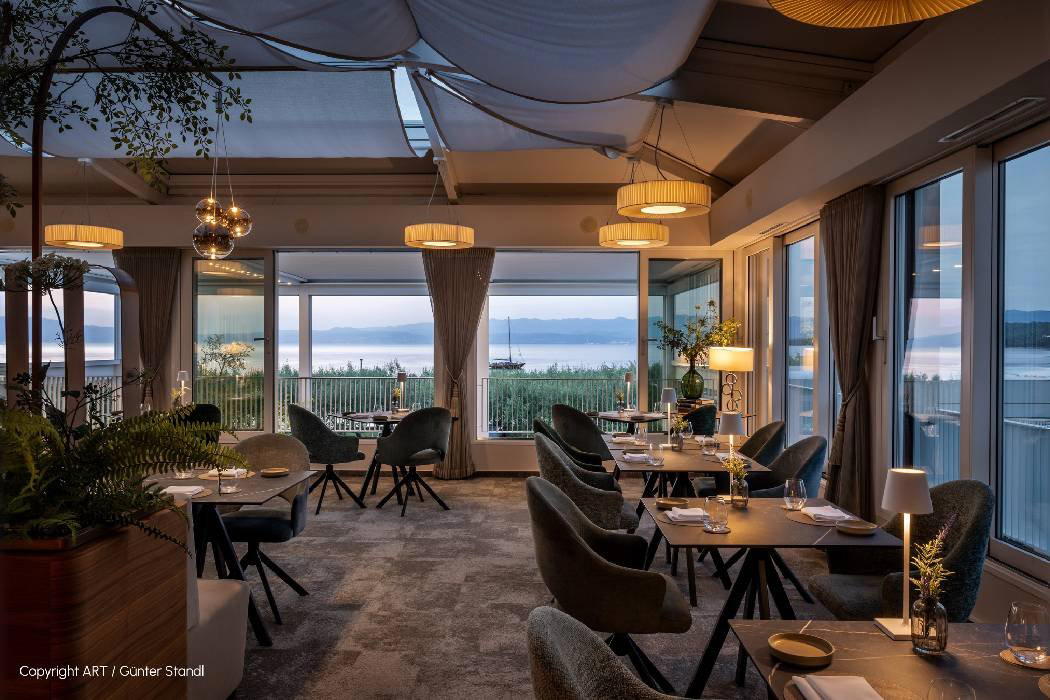
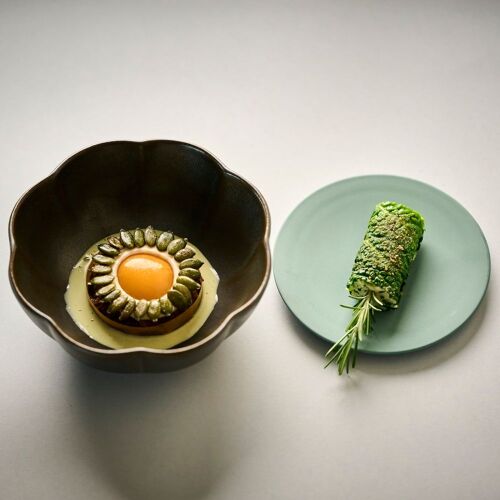
Bars in Vrbnik
Browse all →
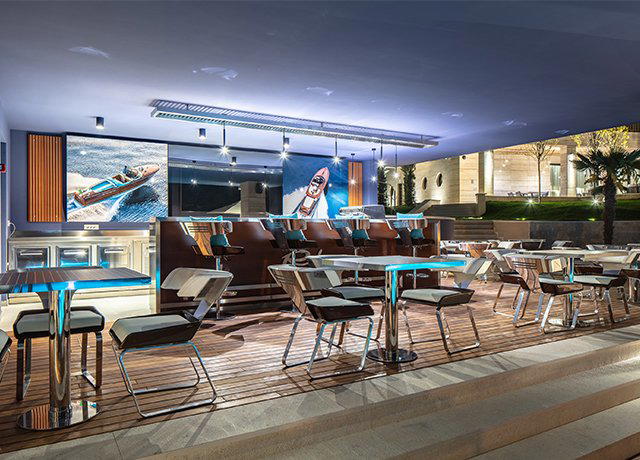
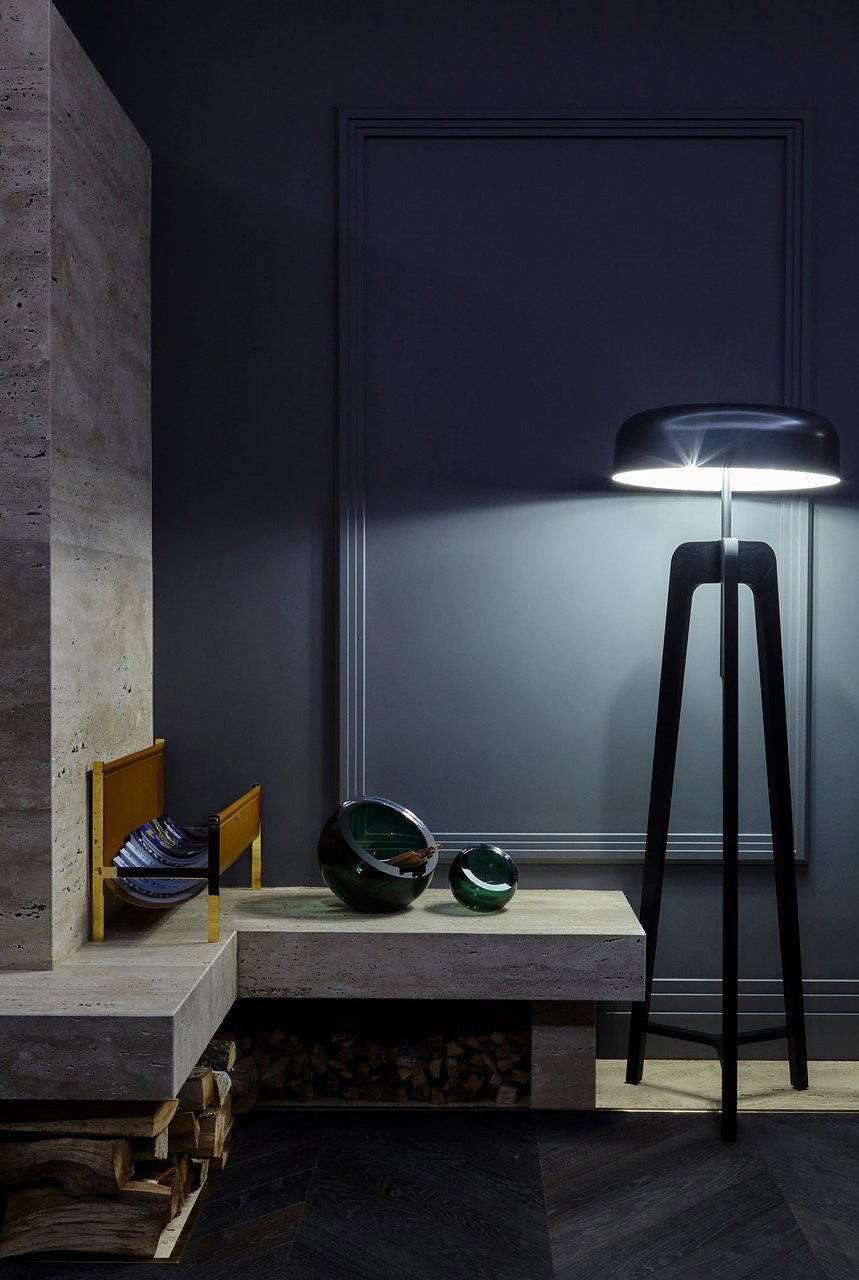
Hotels in Vrbnik
Browse all →
Wineries in Vrbnik
Browse all →At a Glance
- Rustic
- Cozy
- Scenic
- Date Night
- Family
- Special Occasion
- Terrace
- Wine Cellar
- Extensive Wine List
- Local Sourcing
- Waterfront
Current opening hours
- Monday
- 11 AM–10 PM
- Tuesday
- 11 AM–9 PM
- Wednesday
- 11 AM–9 PM
- Thursday
- 11 AM–9 PM
- Friday
- 11 AM–10 PM
- Saturday
- 11 AM–10 PM
- Sunday
- 11 AM–10 PM
Hours can change for holidays and private events. Last verified .
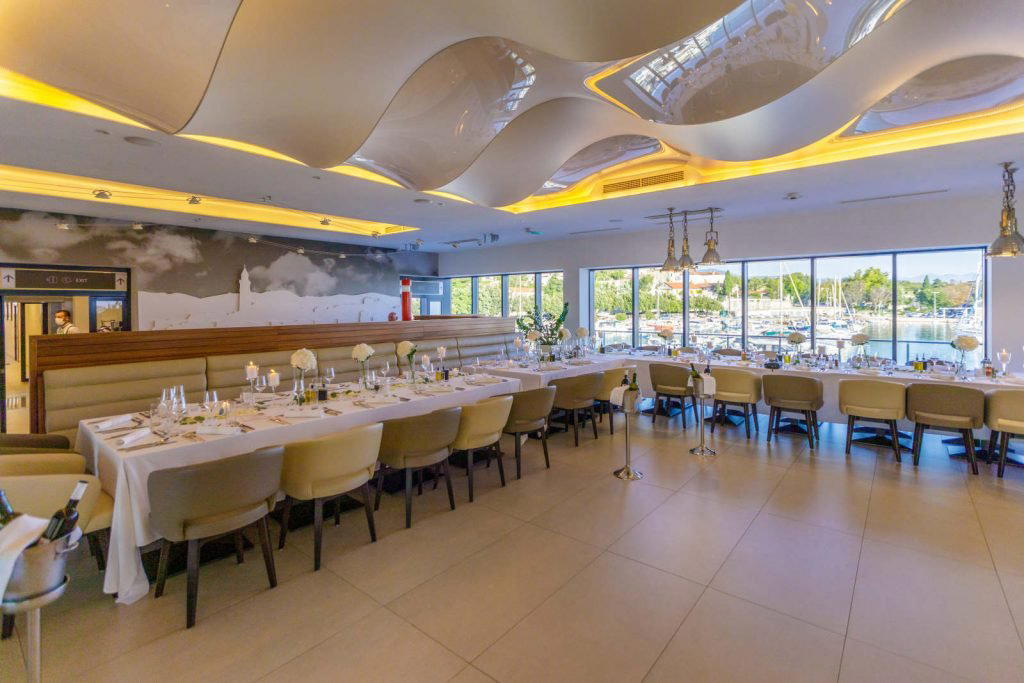
Charming rustic terrace with sea views using old barrels as tables, elegant modern interior in the hilltop old town.