On the Kvarner coast between Rijeka and Crikvenica, Lucija occupies a stretch of the Adriatic where the catch arrives close enough to the kitchen that the gap between sea and plate is measured in minutes rather than miles. The restaurant sits along the D8 coastal road in Povile, a small settlement that most drivers pass without stopping, which is precisely what keeps the place working at a human scale.
Pearl is the En Primeur Club membership app — saves, bookings, and concierge access live there. Same editors, same standards.
- Address
- D8 20, 51250, Povile, Croatia
- Phone
- +385911598742
- Directions
- Get directions
 Saves & bookings on Pearl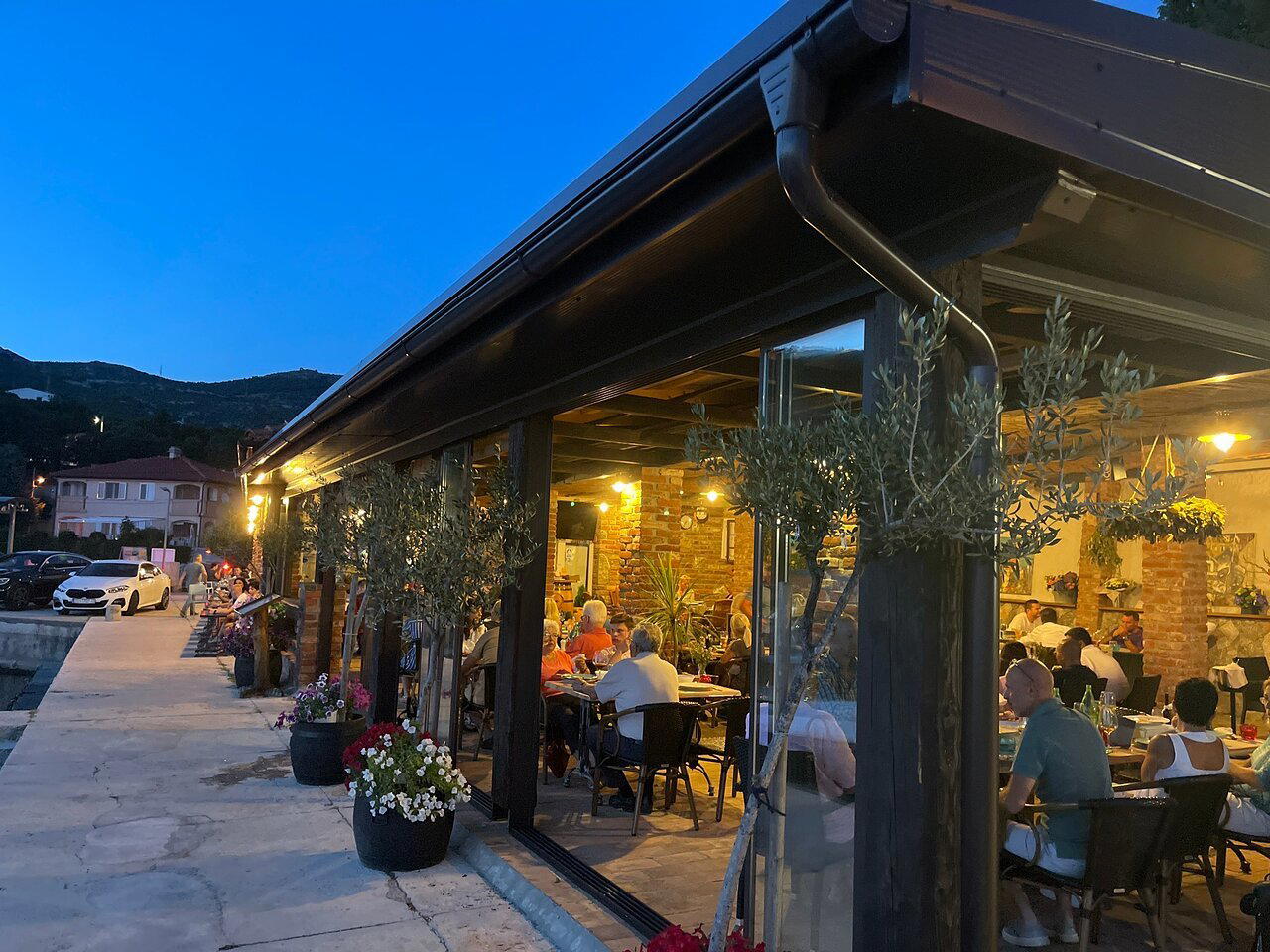
Where the Kvarner Catch Sets the Terms
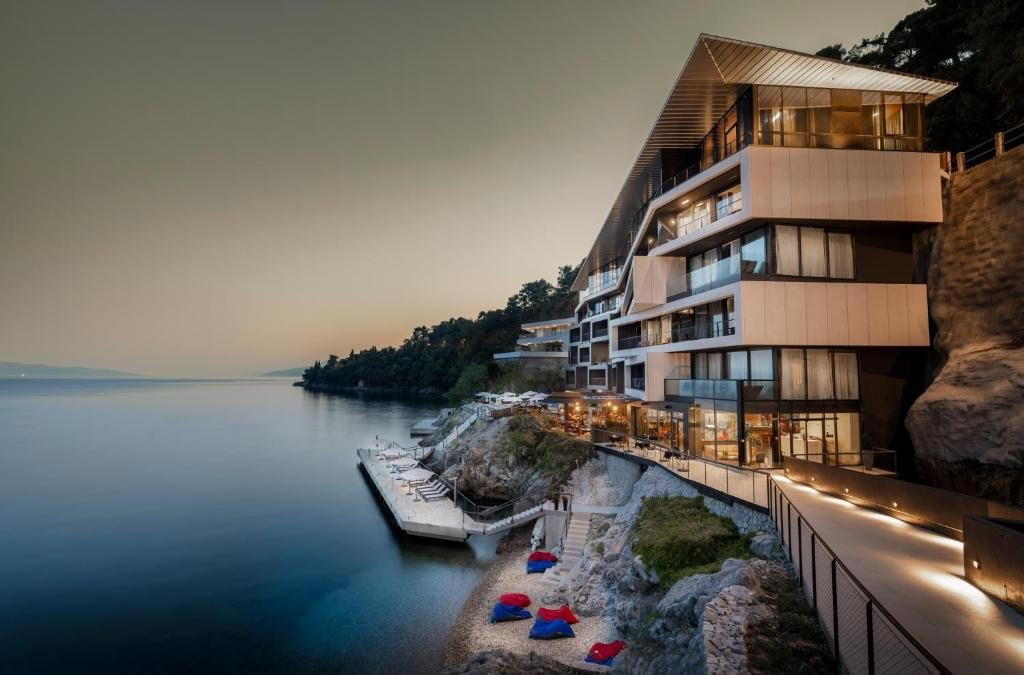
Croatia's Kvarner Gulf operates on a different register from the Dalmatian coast to the south. The water is colder, the currents more complex, and the fishing communities smaller, conditions that historically produced a more austere, ingredient-led approach to cooking rather than the herb-heavy, slow-roasted traditions you find further down the Adriatic. Povile sits along this northern stretch, a coastal settlement on the D8 between Rijeka and Crikvenica where the shoreline is close enough to the road that the smell of salt reaches the car window before any signage does. Lucija occupies that same strip, positioned where access to the water is a practical reality rather than a marketing claim.
The setting itself does much of the editorial work. Approaching from either direction on the coast road, the sea is almost always in peripheral view, and the light on the Kvarner, particularly in the late afternoon, has a quality that photographers and painters have documented for more than a century: a flat, silver clarity that is particular to this latitude and the way the mountains behind Vinodol hold weather systems back from the shore. It is a context that demands a certain kind of food, one that does not compete with its surroundings.
Ingredient Geography: What the Kvarner Produces
The sourcing argument for Kvarner cuisine rests on proximity and specificity. The Adriatic here yields scampi of the kind associated with Kvarner bay, kvarnerski škamp, which have a protected designation of origin and differ in sweetness and texture from the larger, softer specimens caught further south. Local fishing boats operating out of Crikvenica, Selce, and the smaller coves along this stretch supply restaurants directly, bypassing the wholesale redistribution that adds time and distance in larger markets. For a small restaurant on the D8 in Povile, the supply chain is short by structural necessity as much as by choice.
This is the context in which Kvarner's smaller coastal restaurants operate: the ingredient quality is a function of geography, not just kitchen philosophy. The same logic applies to the broader Croatian approach to seafood preparation, grilling over charcoal, dressing with local olive oil, pairing with blitva (Swiss chard with potato) and local wine. It is a tradition that resists elaboration because elaboration would undercut the raw material. Restaurants in this tier of the Croatian dining scene tend to be judged on whether they get out of the way of the ingredients rather than on technical showmanship. Pelegrini in Sibenik and Restaurant 360 in Dubrovnik, where the sourcing argument is matched by a more elaborate culinary apparatus.
Povile in the Kvarner Dining Picture
The Kvarner coast has been producing serious dining options for longer than most international visitors realise. Opatija's grand hotel dining rooms date to the late nineteenth century; Cubo in Opatija now represents a more contemporary expression of that tradition. Rijeka, which held the European Capital of Culture designation in 2020, has a restaurant scene that includes Nebo by Deni Srdoč, one of Croatia's more recognised fine-dining addresses. Crikvenica, the nearest substantial town to Povile, has its own small cluster of seafood restaurants, including Burin in Crikvenica.
Povile itself is smaller and less visited than any of these, which positions Lucija in a specific niche: a coastal restaurant serving a stretch of the D8 that functions partly as a through-route and partly as a destination for visitors who rent houses along this section of the Vinodol coast. The clientele mix, local families, Croatian summer visitors, and a smaller number of international travellers, shapes the kind of cooking that makes sense here. Large-format fresh fish, grilled shellfish, pasta with locally caught seafood: these are the formats that dominate Kvarner coast restaurants at this scale, though
How This Fits the Broader Croatian Scene
Croatia's restaurant scene has diversified considerably over the past decade. Zagreb now has venues with credentialed tasting menus, represented here by Dubravkin Put. The island restaurants, LD Restaurant in Korčula, Boskinac in Novalja, have built cases for serious gastronomy attached to wine production and local agriculture. Istria, at the northern end of Croatia's coast, has developed fine-dining infrastructure, with Agli Amici Rovinj bringing Italian contemporary technique to local Istrian ingredients.
The Kvarner coast sits between these poles. It lacks Istria's concentration of recognised restaurants and Dalmatia's volume of tourist traffic, but it has access to ingredients, the scampi, the local bream and sea bass, the shellfish from the colder northern waters, that the more celebrated venues further south often source from this exact stretch of sea. A restaurant like Lucija, operating on the D8 in Povile, is embedded in that supply network in a way that larger, more formal venues necessarily are not. For comparison with the island end of this spectrum, Bodulo in Pag and BioMania Bistro Bol in Bol illustrate how smaller Croatian islands approach similar sourcing questions. Further down the coast, Krug in Split occupies a different price tier but operates in the same tradition of Adriatic ingredient focus.
Planning Your Visit
Povile is accessed via the D8 coastal road, with Rijeka approximately 40 kilometres to the north and Crikvenica around 10 kilometres to the south. The route is scenic but undulates along cliff faces, so travel times from Rijeka can exceed what the distance suggests. The summer season on this stretch runs from late June through August, when the Vinodol coast fills with Croatian and Central European visitors; outside those months, coastal restaurants in settlements this size often operate on reduced schedules or close entirely. Visitors with more flexibility in timing might consider the shoulder season, May and September, when the coast is accessible and uncrowded, ingredients from the Kvarner fishing grounds are at their most consistent, and the light the area is known for is at its most characteristic. Internationally, the approach to ingredient-led coastal cooking that defines venues like this one has direct counterparts at a different scale in cities like New York, Le Bernardin represents the maximally formal end of that tradition, while Atomix demonstrates what happens when sourcing precision meets tasting-menu structure. Lucija operates without that formal apparatus, This is part of Lucija's appeal. Korak in Jastrebarsko and Cantilly Garden Restaurant in Samobor show how the ingredient-sourcing argument translates away from the coast. Alfred Keller in Mali Lošinj provides the closest island parallel to the Kvarner coastal format Lucija represents.
At-a-Glance Comparison
Comparable venues nearby, for context on price, style, and recognition.
| Venue | Cuisine | Price | Notes |
|---|---|---|---|
| LucijaThis venue — the venue you are viewing | Croatian Mediterranean Seafood | $$ | Not listed |
| Kali | Traditional Croatian Seafood | $$ | Medveja |
| Mondo | Modern Istrian Truffle Cuisine | $$ | Motovun |
| 4kantuna | Dalmatian Mediterranean | $$ | Old Town Zadar |
| Diana | Mediterranean Steakhouse | $$ | Cikat Bay |
| Bodulo | Traditional Croatian Seafood & Pag Lamb | $$ | Pag |
Continue exploring
More in Povile
Restaurants in Povile
Browse all →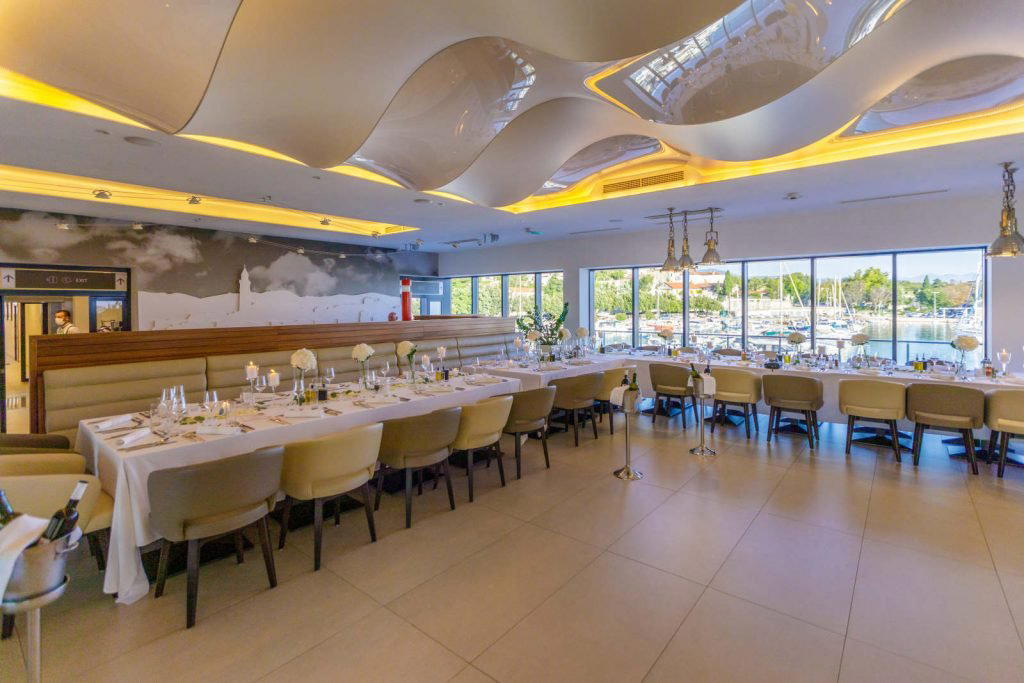

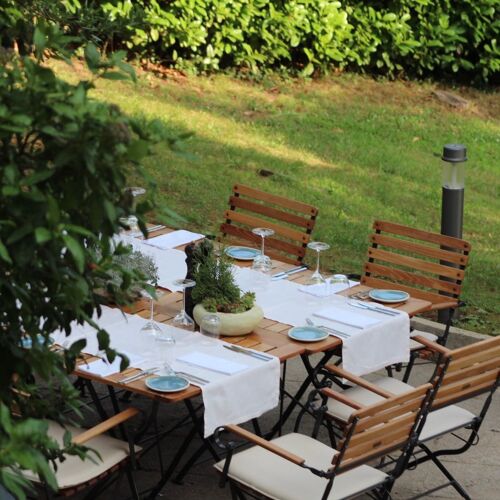
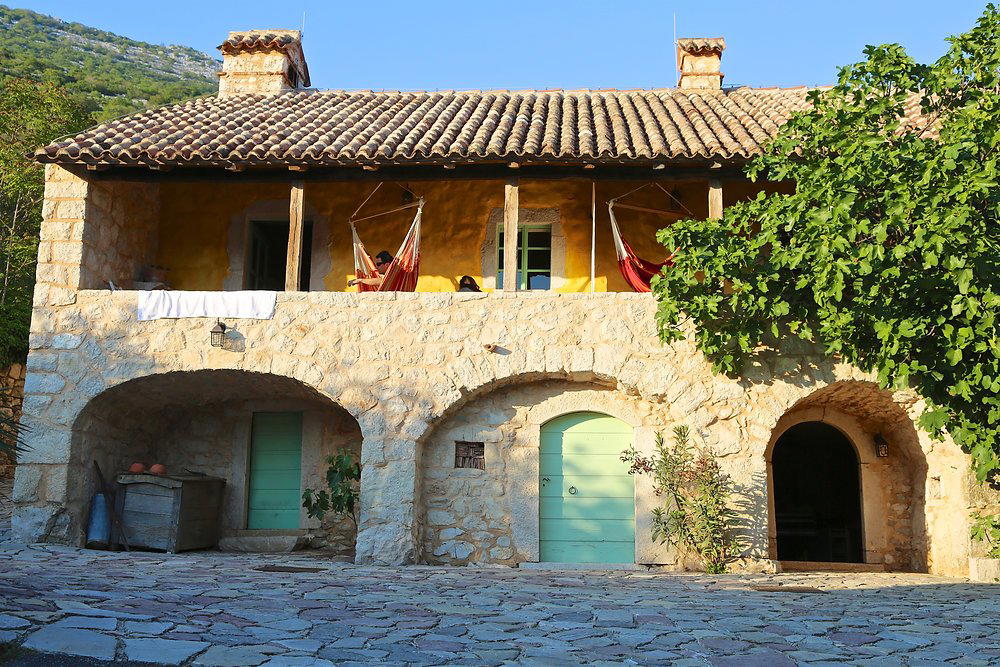
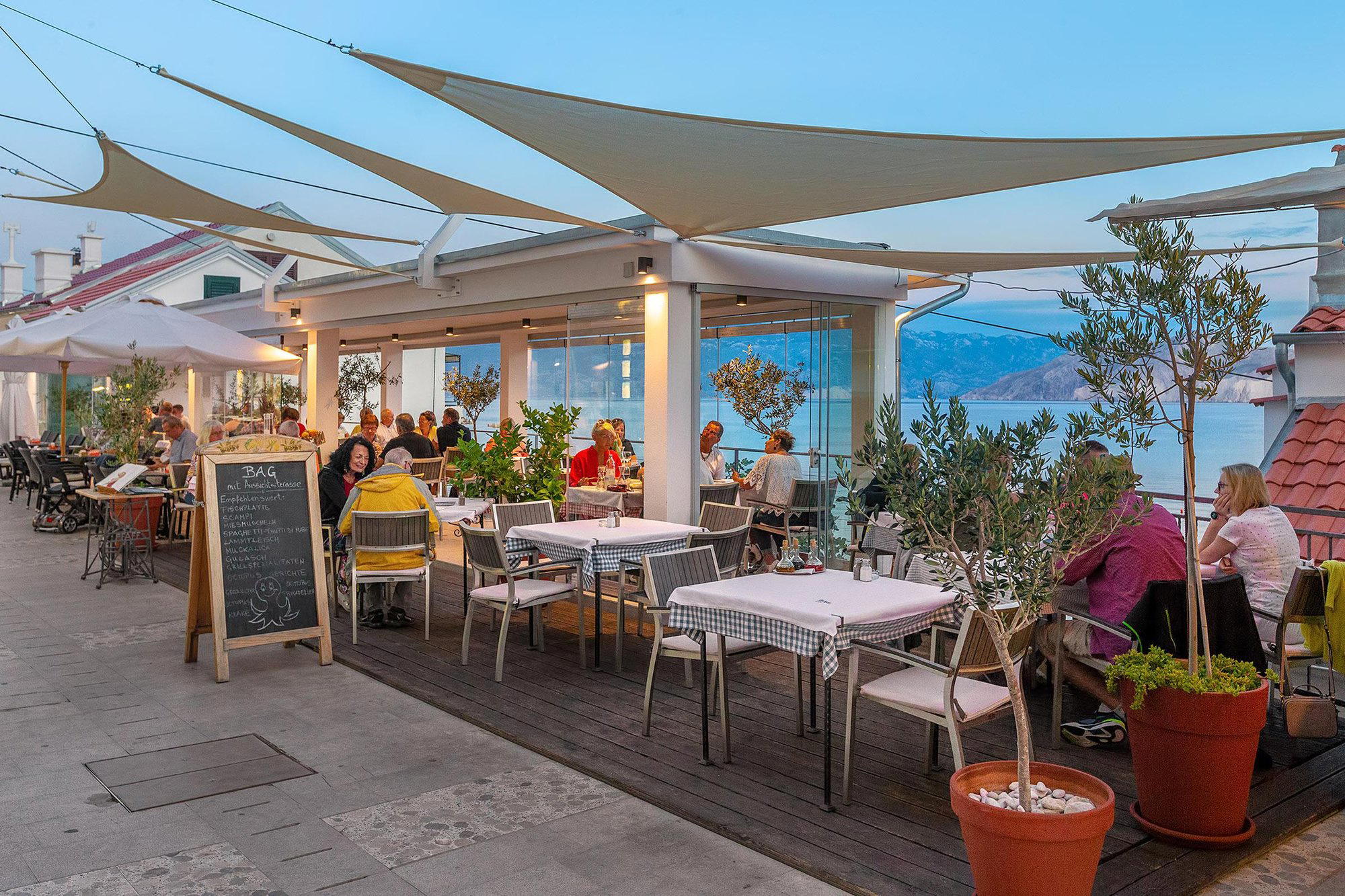
Bars in Povile
Browse all →Hotels in Povile
Browse all →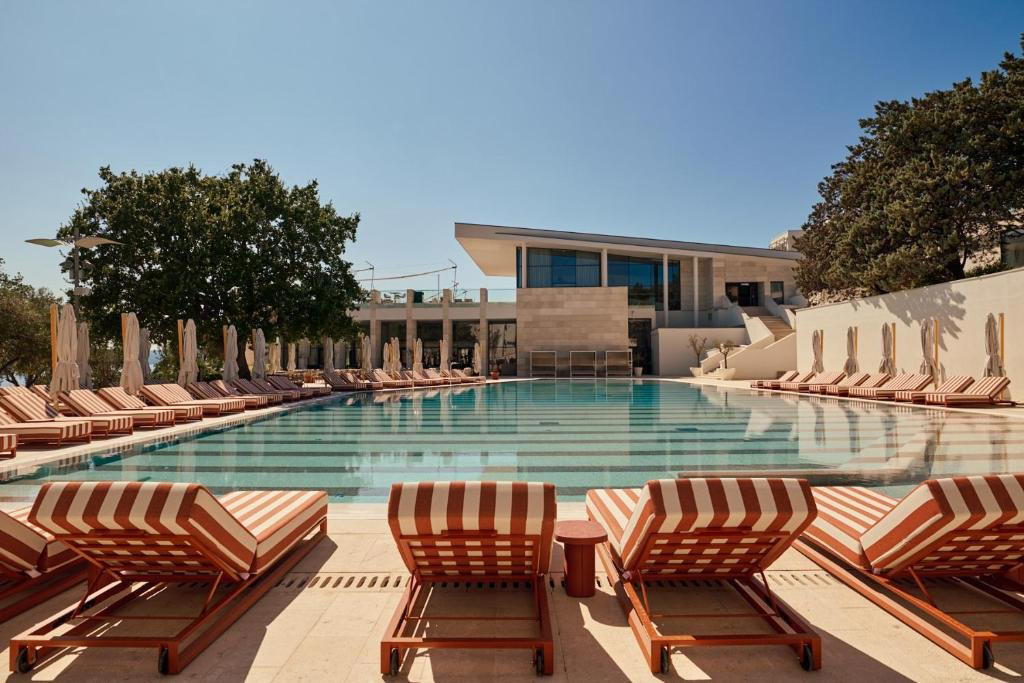
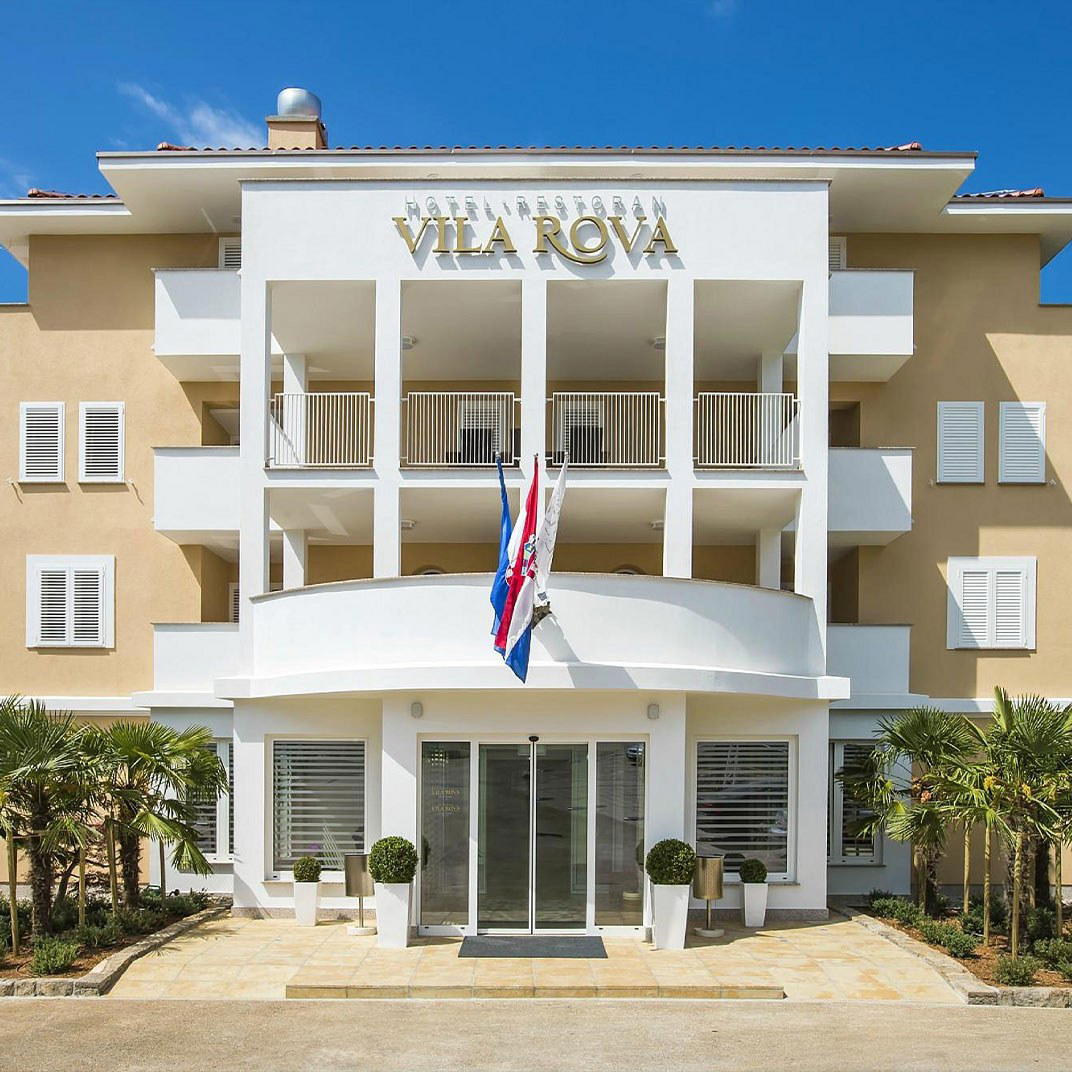
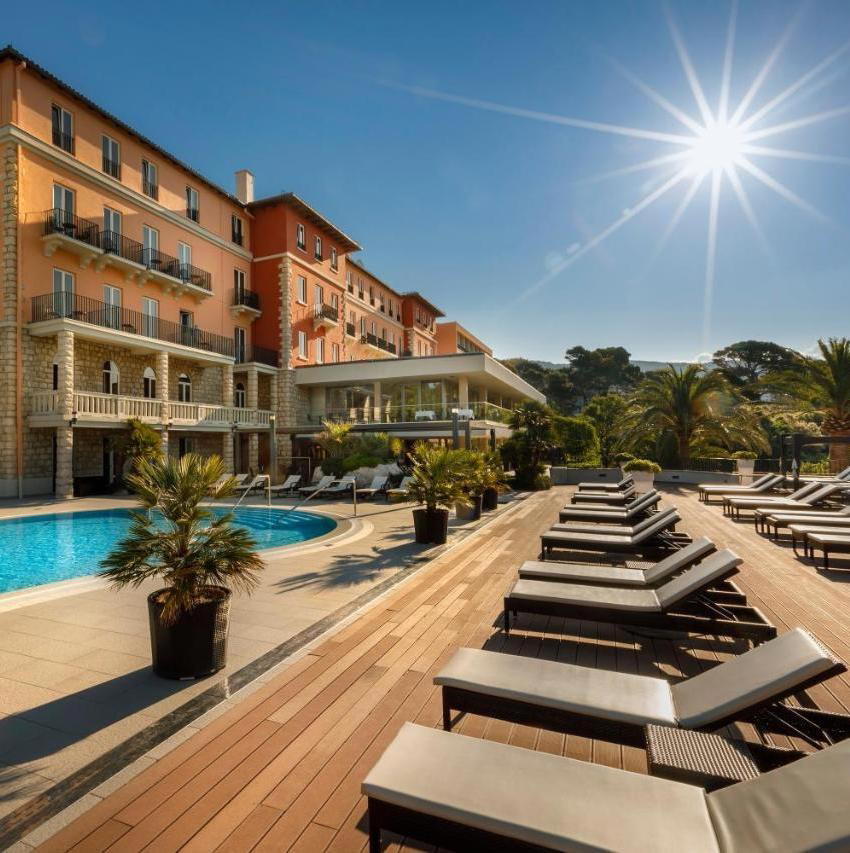
Wineries in Povile
Browse all →At a Glance
- Rustic
- Cozy
- Family
- Casual Hangout
- Date Night
- Waterfront
- Terrace
- Local Sourcing
- Waterfront
Current opening hours
- Monday
- 10 AM–11 PM
- Tuesday
- 10 AM–11 PM
- Wednesday
- 10 AM–11 PM
- Thursday
- 10 AM–11 PM
- Friday
- 10 AM–11 PM
- Saturday
- 10 AM–11 PM
- Sunday
- 10 AM–11 PM
Hours can change for holidays and private events. Last verified .
Rustic and cozy atmosphere with a welcoming local feel, enhanced by beautiful waterfront views.