Vila Rova

On the Kvarner island of Krk, Vila Rova in Malinska operates at the quieter end of Croatian coastal dining, where the sourcing logic of the Adriatic and its interior hinterland shapes what appears on the table. The address, Rova 28, places it within a residential pocket of Malinska rather than the tourist waterfront, signalling a different kind of engagement with the island's food culture. For visitors piecing together a serious eating itinerary on Krk, it belongs on the list alongside the more documented names in the region.
Pearl is the En Primeur Club membership app — saves, bookings, and concierge access live there. Same editors, same standards.
- Address
- Rova 28, 51511, Malinska, Croatia
- Phone
- +38551866100
- Website
- restoran-vila-rova.com
- Directions
- Get directions
 Saves & bookings on Pearl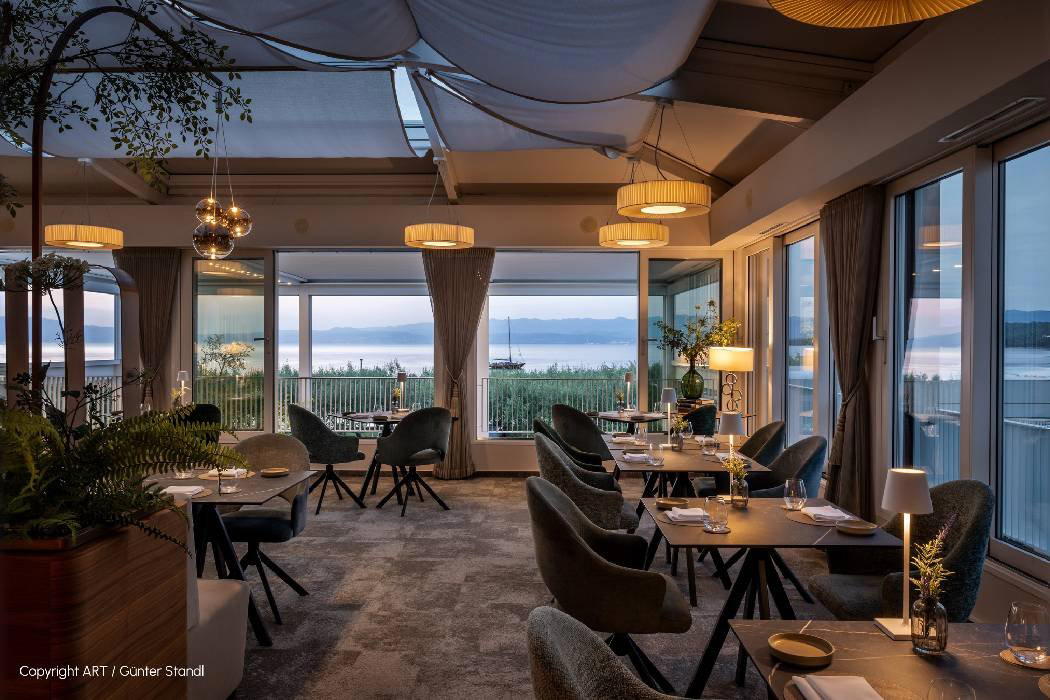
The Island Behind the Plate
Krk occupies a specific position in Croatian coastal dining that its more photographed rivals on the Dalmatian coast do not. The island is connected to the mainland by a bridge, which changes the supply logic entirely: produce, livestock, and dairy can move freely in both directions without the ferry schedules that constrain island kitchens further south. That logistical fact has allowed a handful of Krk-based tables to build sourcing relationships with the mainland interior while maintaining access to Adriatic seafood. In Malinska, on the island's western coast, Vila Rova is a restaurant at Rova 28, 51511, Malinska, Croatia, serving modern Kvarner Mediterranean cuisine.
The physical approach matters here. Malinska is not a resort town in the Dalmatian sense. It lacks the baroque density of Šibenik or the walled drama of Dubrovnik. What it offers instead is a compressed, unhurried scale, where a ten-minute walk covers most of the centre and dining choices are few enough that each one carries more weight. Vila Rova operates in that context, away from the cluster of waterfront restaurants that chase passing tourist traffic, which already says something about the clientele it draws and the register it occupies.
Sourcing in a Kvarner Context
The Kvarner Gulf has a sourcing story that Croatian coastal dining as a whole has been slow to articulate to international visitors. Lamb from the limestone pastures of Cres and Lošinj, scampi fished from the deeper channels between islands, and olive oil pressed from groves on Krk itself form the backbone of what a kitchen in this region can credibly call local. The cuisine traditions of Kvarner also draw on an older Austro-Hungarian influence that is less visible further south: dishes built around veal, game from the Gorski Kotar plateau inland, and pasta formats closer to central European egg noodles than to Dalmatian pašticada country.
For a venue on Krk, that inland access through the bridge connection is a genuine structural advantage. Kitchens in Malinska that pay attention to seasonality can reach asparagus from the Istrian border in spring, mushrooms from the Gorski Kotar forests in autumn, and freshwater fish from the Una and Mrežnica rivers in periods when Adriatic catches thin out. Whether Vila Rova's kitchen actively builds a menu around these supply lines is not something the current record confirms in detail, but the geography creates the conditions for exactly that kind of cooking. Venues that ignore the hinterland in this part of Croatia are making a conscious choice to be smaller; venues that engage with it are making a different one.
Across Croatia, the restaurants that have earned sustained critical attention have tended to be those that treat sourcing as an editorial position rather than a marketing note. Pelegrini in Sibenik built its reputation in part on rigorous engagement with Dalmatian producers. Agli Amici Rovinj in Rovinj carries Italian contemporary technique but grounds it in Istrian sourcing. In the Kvarner region specifically, Alfred Keller in Mali Lošinj has demonstrated that island kitchens can sustain a credible fine-dining proposition. The gap in the documented conversation is Krk itself, which remains underwritten relative to its food geography.
Malinska as a Dining Address
Malinska draws a predominantly Croatian and Central European returning visitor base rather than the international first-time tourist traffic that cycles through Dubrovnik or Split. That audience tends to be less interested in spectacle and more invested in consistency and value, which shapes what the better local tables prioritise. The town's dining offer is modest in volume but not in ambition at its upper end. Primorska koliba represents the more traditional konoba format in the same municipality, grounding the local scene in wood-grilled meat and roasted lamb cooked under a peka. The restaurant at Rova 28 occupies a different position within that local field, though
For visitors planning a broader Kvarner and Adriatic itinerary, the surrounding region offers clear reference points at both ends of the formality spectrum. Nebo by Deni Srdoč in Rijeka represents technically ambitious cooking in the immediate hinterland. Boskinac in Novalja on Pag combines a winery and kitchen in a model that illustrates what serious island hospitality can look like when backed by agricultural production. Further afield, Burin in Crikvenica anchors the mainland Kvarner coast's dining conversation. These venues collectively map the region's serious eating options and provide the competitive context in which a Malinska address reads.
For those crossing into Dalmatia, LD Restaurant in Korčula and Krug in Split represent the kind of table that warrants a detour, while Restaurant 360 in Dubrovnik operates at the highest price tier on the coast. Inland, Dubravkin Put in Zagreb and Korak in Jastrebarsko anchor a Zagreb-region dining itinerary worth considering for visitors moving between the coast and capital.
Planning a Visit
The restaurant's address, Rova 28 in Malinska, is set within the residential fabric of the town rather than on the main tourist circuit. Malinska is accessible by regular ferry and bus connections from Rijeka and by road via the Krk Bridge, which links the island to the A7 motorway. The town is compact enough to navigate on foot from most accommodation. Reservations are recommended. Hours: Mon: 5–10 PM; Tue: 5–10 PM; Wed: Closed; Thu: 5–10 PM; Fri: 7–10:30 AM, 1–10 PM; Sat: 7–10:30 AM, 1–10 PM; Sun: 7 AM–12 PM, 1–10 PM. Visitors combining Krk with a broader Kvarner itinerary might also consider Bodulo in Pag and Cantilly Garden Restaurant in Samobor for a wider sweep of the northern Adriatic and its hinterland dining culture.
Fast Comparison
Comparable venues nearby, for context on price, style, and recognition.
| Venue | Cuisine | Price | Awards | Notes |
|---|---|---|---|---|
| Vila RovaThis venue — the venue you are viewing | Modern Kvarner Mediterranean | $$$$ | Not listed | Not listed |
| Primorska koliba | Traditional Mediterranean Seafood | $$ | Not listed | Malinska |
| Conca d'oro | Mediterranean Seafood & Pizza | $$$ | Not listed | City Center |
| Restoran Vila Rova | Modern Croatian Mediterranean Fine Dining | $$$$ | Michelin Plate | Malinska |
| Francesca | Mediterranean Fine Dining | $$$ | Not listed | Old Town Baska |
| Restaurant Peteani | Modern Istrian Mediterranean | $$$ | Not listed | Labin old town |
Recognition history
Dated appearances from independent guides and award organizations, with the underlying list record or original source where available.
Michelin Plate
Michelin · 2026 Michelin Plate
Michelin Plate
Michelin
Continue exploring
More in Malinska Dubasnica
Restaurants in Malinska Dubasnica
Browse all →

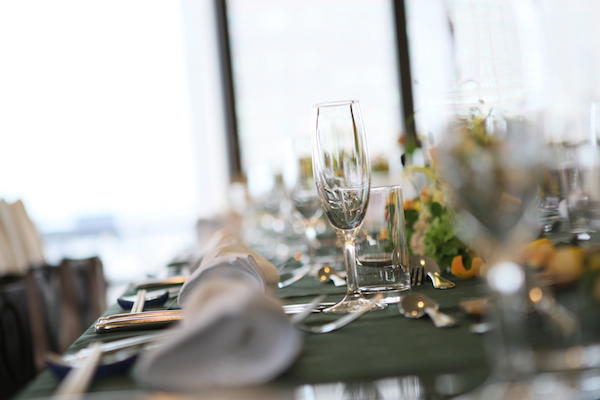
Bars in Malinska Dubasnica
Browse all →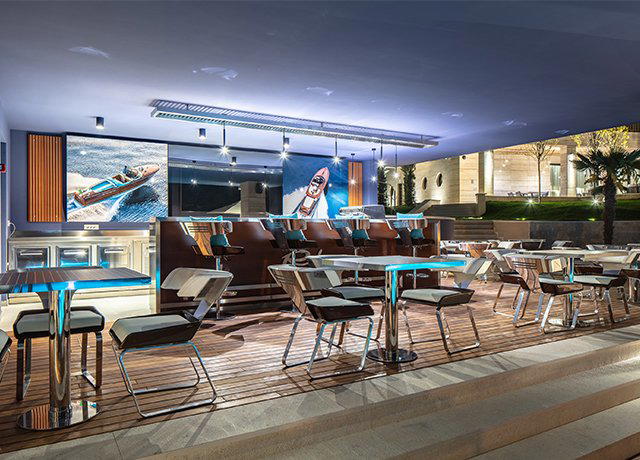
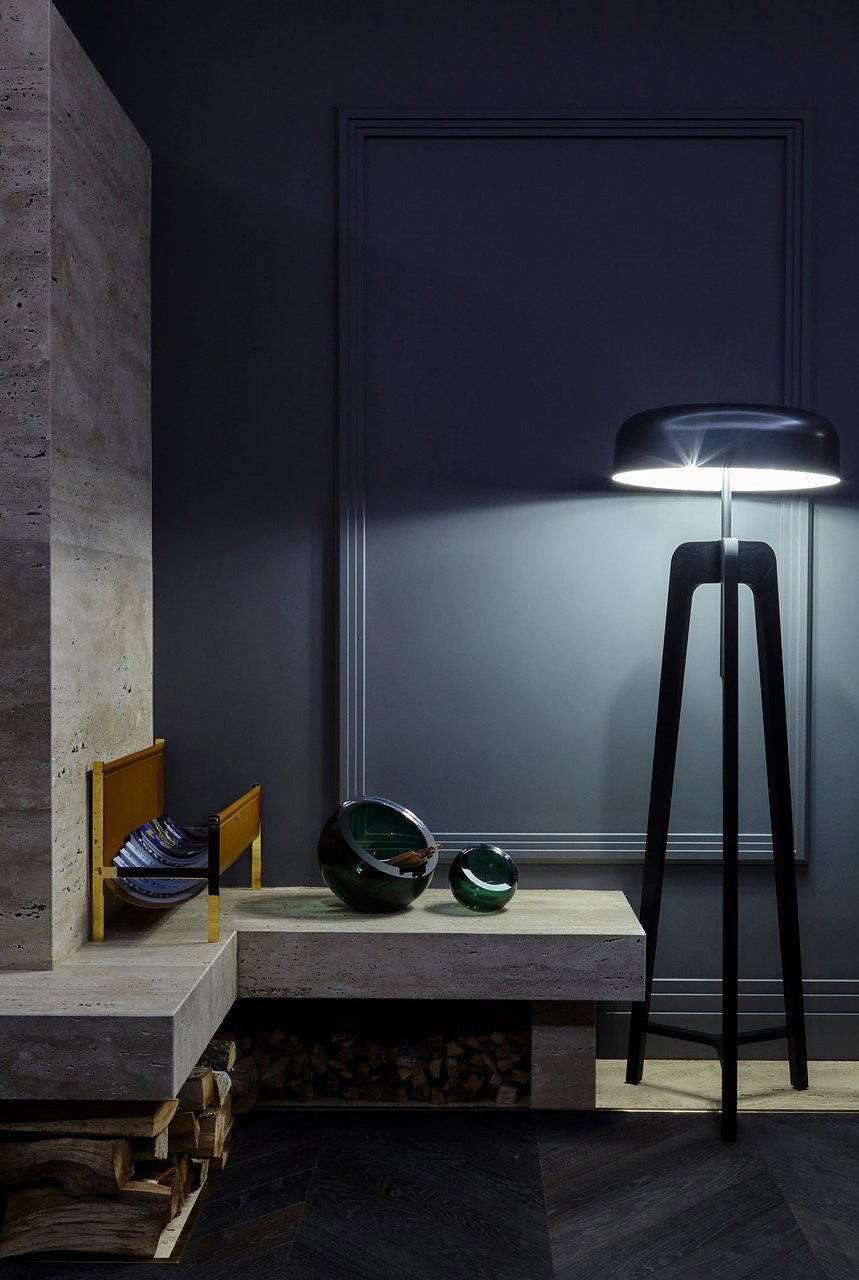
Hotels in Malinska Dubasnica
Browse all →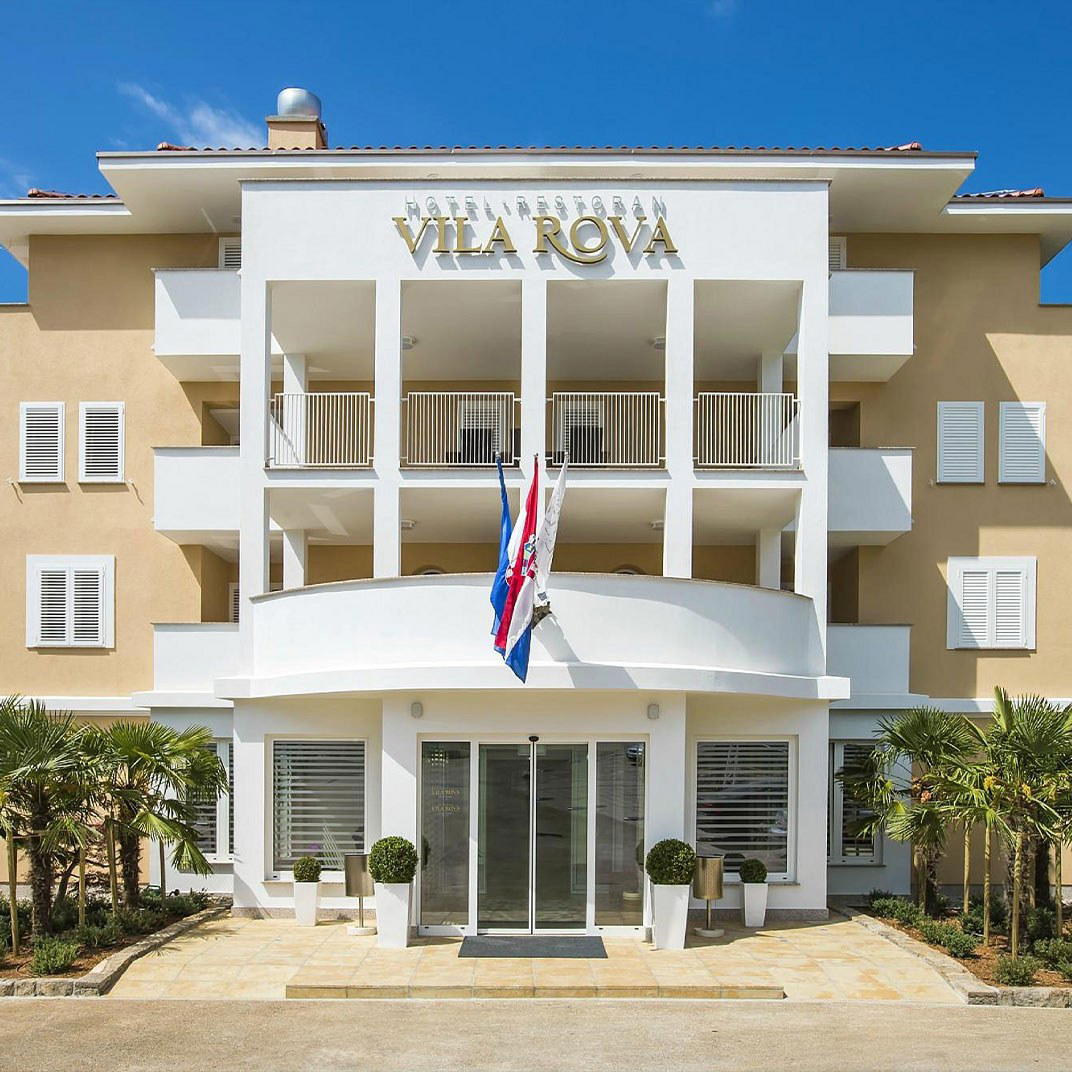
Wineries in Malinska Dubasnica
Browse all →At a Glance
- Elegant
- Scenic
- Intimate
- Sophisticated
- Date Night
- Special Occasion
- Waterfront
- Terrace
- Local Sourcing
- Waterfront
Current opening hours
- Monday
- 5–10 PM
- Tuesday
- 5–10 PM
- Wednesday
- Closed
- Thursday
- 5–10 PM
- Friday
- 7–10:30 AM, 1–10 PM
- Saturday
- 7–10:30 AM, 1–10 PM
- Sunday
- 7 AM–12 PM, 1–10 PM
Hours can change for holidays and private events. Last verified .
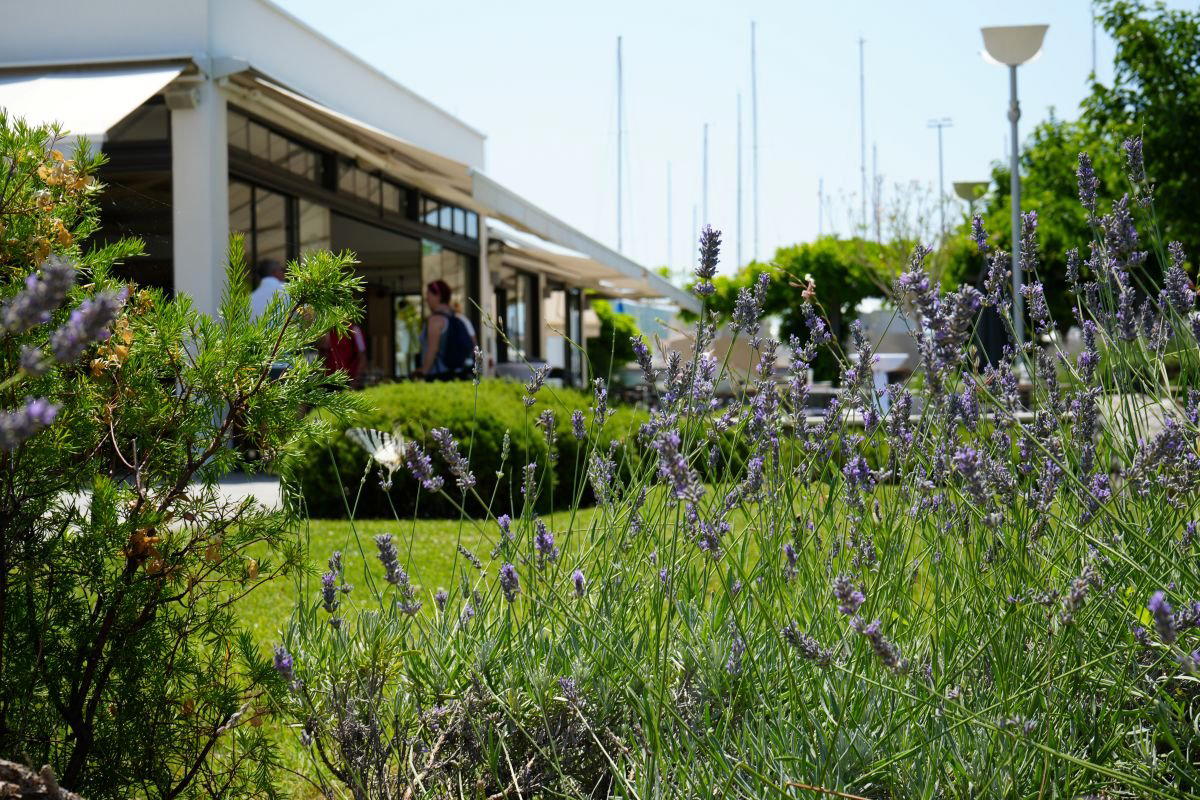
Tranquil beachfront setting with scenic sea views, shaded olive groves, and a peaceful atmosphere.