Konoba Šantek occupies a rare position in the Kvarner coastal dining scene: a traditional konoba in Rasopasno where the sourcing logic is as local as it gets, drawing on the agricultural and fishing rhythms of the surrounding villages rather than resort-facing supply chains. For travellers willing to venture beyond the Opatija Riviera's polished frontline, it represents a different register of Croatian coastal eating entirely.
Pearl is the En Primeur Club membership app — saves, bookings, and concierge access live there. Same editors, same standards.
- Address
- Rasopasno 2C, 51511, Rasopasno, Croatia
- Phone
- +38551868003
- Website
- konoba-santek.com
- Directions
- Get directions
 Saves & bookings on Pearl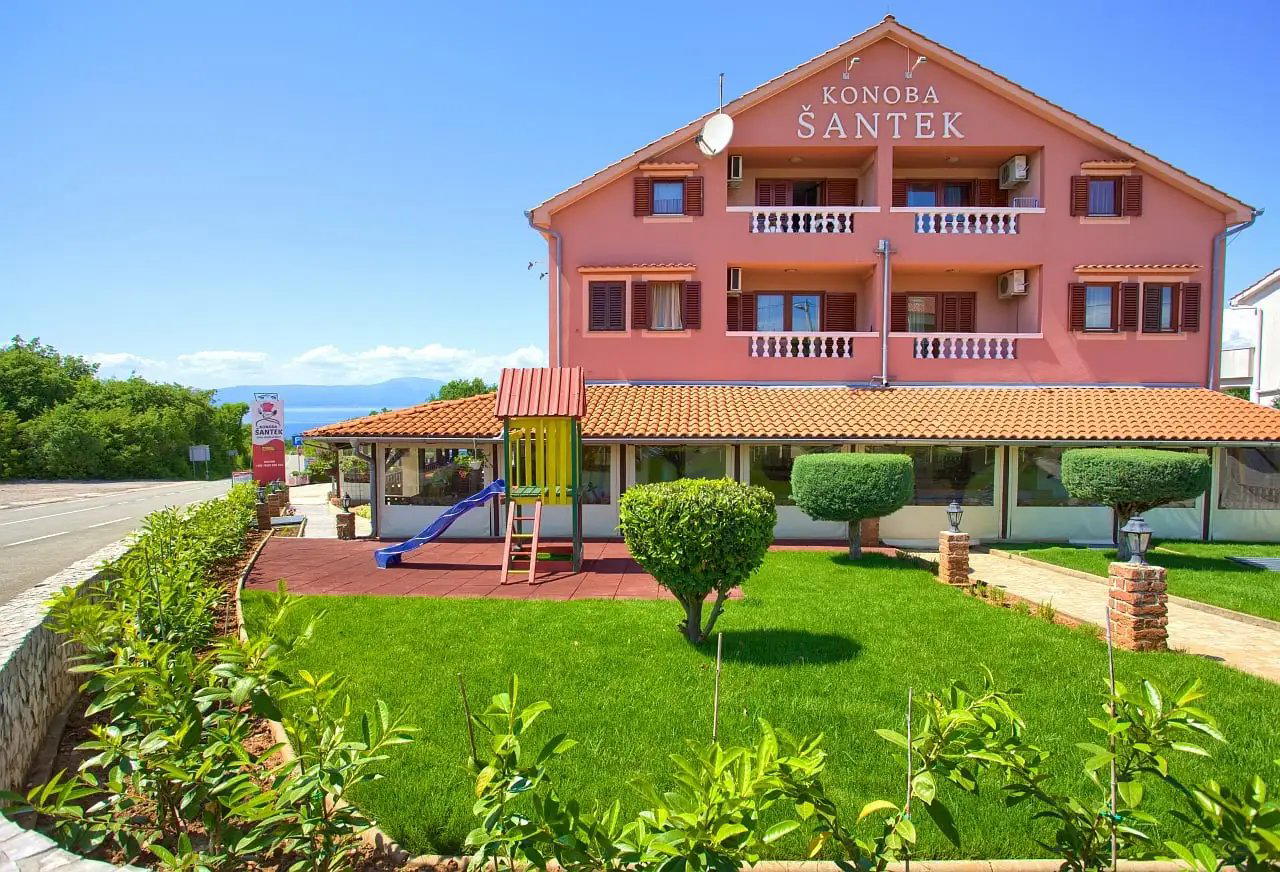
What the Kvarner Interior Tastes Like
The Croatian coast has two distinct dining modes. The first is resort-facing: polished terraces, curated wine lists, menus shaped partly by what northern European visitors expect from a Mediterranean holiday. The second is older, quieter, and considerably harder to find from a car with foreign plates. Konoba Šantek is a restaurant in Rasopasno, Croatia, with. Konoba Šantek, at Rasopasno 2C in the small settlement of Rasopasno, belongs firmly to the second category. Rasopasno sits in the Kvarner hinterland, away from the tourist infrastructure of Opatija and the ferry terminals of Rijeka, and that distance from the coast's commercial centre shapes everything about how a place like this sources and cooks.
The konoba format itself carries specific meaning in Croatia. Unlike a restaurant oriented around a chef's creative identity, the konoba tradition is built around a household logic: you eat what the land and sea near that household produce, prepared in ways that have been repeated across generations in that specific kitchen. That model is increasingly under pressure along the more visited stretches of the Adriatic, where supply chains converge and menus start to blur into one another. In places like Rasopasno, the pressure is lower, which means the sourcing discipline can remain intact.
Sourcing From the Ground Up
Kvarner region sits at an agricultural and maritime crossroads that gives any serious konoba a genuinely varied raw material base. The sea between the mainland and the islands of Krk, Cres, and Lošinj produces fish and shellfish species that rarely travel far before reaching the table. The inland hillsides carry sheep and the aromatic herbs that define the flavour of Kvarner lamb in a way that cannot be reproduced with animals grazed elsewhere. Wild asparagus appears in spring. Truffles from the Istrian and Kvarner border zones remain available to kitchens with the right supplier relationships. Olive oil from the coastal microclimate differs measurably from oils produced even a short distance inland.
For venues building their menu around what is genuinely available in the surrounding area rather than what is available on a national wholesale platform, the Kvarner larder is deep enough to sustain a kitchen year-round without repeating itself. The seasonal rhythm that results from this approach is one of the features that distinguishes traditional Kvarner konobas from their more commercially oriented counterparts along the Dalmatian coast. Dishes that appear in spring do not necessarily reappear in autumn, and that calendar-driven variability is one accurate signal that sourcing is genuinely local rather than nominally so. Nebo by Deni Srdoč in Rijeka represents the upscale end of Kvarner-region sourcing at a fine dining level; Konoba Šantek operates in a fundamentally different register, where the logic is domestic rather than gastronomic in the formal sense.
Rasopasno in the Regional Context
Understanding what Konoba Šantek offers requires locating Rasopasno within the broader Croatian dining geography. The country's more formally recognised restaurants cluster around its larger cities and most-visited coastal towns. Pelegrini in Sibenik, Restaurant 360 in Dubrovnik, and Agli Amici Rovinj in Rovinj all operate at a price point and production level oriented toward international fine dining visitors. Alfred Keller in Mali Lošinj and Boskinac in Novalja serve island communities with a more regional focus. The Kvarner hinterland, where Rasopasno sits, occupies a quieter tier where the audience is primarily Croatian and the cooking is not adjusted for external expectations.
That audience profile matters for sourcing. A kitchen cooking for local regulars and guests from neighbouring villages has no incentive to compromise on ingredient quality in the ways that high-volume tourist-facing restaurants sometimes do. The accountability runs in a different direction: not toward a reviewer or a rating body, but toward a community that has been eating this food for decades and knows exactly what it should taste like. This is the social infrastructure that keeps traditional Croatian coastal cooking honest in places that have not yet been absorbed into the resort economy.
For a broader view of how Croatian coastal dining compares across its different tiers and regions, the area's options are easy to map in more detail. Further afield, Krug in Split, LD Restaurant in Korčula, and Dubravkin Put in Zagreb each represent distinct regional approaches to Croatian ingredients at different price and formality levels.
Who Comes Here and Why It Matters
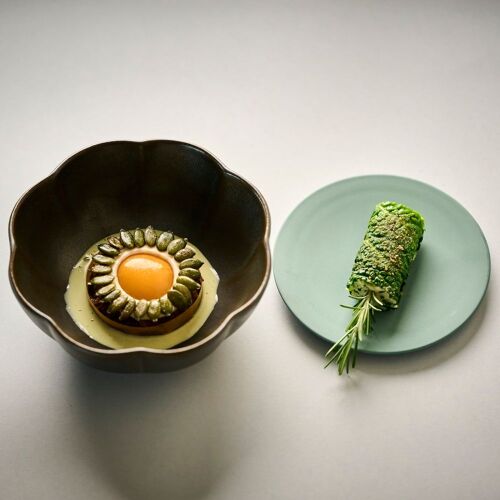
The type of diner Konoba Šantek draws signals what kind of experience it provides. Venues in this category, away from major transit routes and without the marketing apparatus of the resort dining sector, rely almost entirely on word of mouth and repeat visits. The traveller who arrives here has typically done deliberate research or followed a specific recommendation rather than stumbling in from a waterfront promenade. That self-selection tends to create a room where the expectation is already calibrated correctly: this is not a venue that will impress through theatrical presentation or elaborate tasting menus; it is a venue that will impress through the quality of what it sources and the directness of how it prepares it.
Comparable sourcing-led venues elsewhere in the country include BioMania Bistro Bol in Bol, which works within a similar philosophy on the Dalmatian island of Brač, and Bodulo in Pag, where Pag lamb and the island's particular microclimate define the sourcing logic in much the same way. Burin in Crikvenica and Cubo in Opatija sit geographically closest to Rasopasno and represent the more polished end of the Kvarner coastal dining spectrum for comparison. Cantilly Garden Restaurant in Samobor and Korak in Jastrebarsko offer points of reference for inland Croatian cooking built around local produce rather than coastal ingredients.
Planning a Visit
Rasopasno is accessible by car from Rijeka and the Kvarner coastal road, though the village's small size means it does not appear prominently on standard tourist itineraries. Visitors arriving from the Opatija Riviera are approximately in the right geographical zone; the drive takes under an hour from Opatija's centre. Given the konoba format and the small-settlement location, arriving with a reservation rather than as a walk-in is the sensible approach, particularly during the summer months when Croatian coastal tourism peaks and local dining rooms fill early. The address is Rasopasno 2C, 51511 Rasopasno. The address is Rasopasno 2C, 51511 Rasopasno.
Side-by-Side Snapshot
Comparable venues nearby, for context on price, style, and recognition.
| Venue | Cuisine | Price | Notes |
|---|---|---|---|
| Konoba ŠantekThis venue — the venue you are viewing | Traditional Croatian Grill & Roast | $$ | Not listed |
| Due Fratelli | Mediterranean Seafood | $$ | Montozi |
| Karaka | Croatian Mediterranean Seafood | $$ | Krk |
| Vele Vode | Mediterranean Seafood & Grill | $$ | Punat |
| Konoba Lanterna | Croatian Grill & Seafood | $$ | Mali Losinj |
| Lucija | Croatian Mediterranean Seafood | $$ | Povile |
Continue exploring
More in Rasopasno
Restaurants in Rasopasno
Browse all →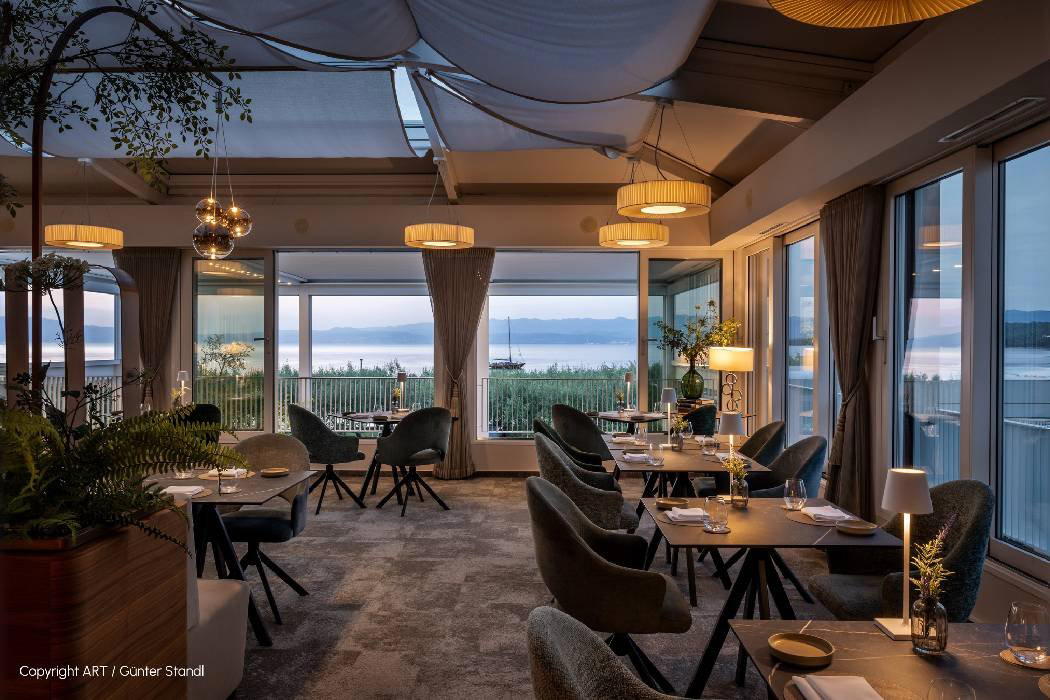
Bars in Rasopasno
Browse all →
Hotels in Rasopasno
Browse all →
Wineries in Rasopasno
Browse all →At a Glance
- Rustic
- Cozy
- Family
- Group Dining
- Casual Hangout
- Standalone
Current opening hours
- Monday
- 12–9 PM
- Tuesday
- 12–9 PM
- Wednesday
- 12–9 PM
- Thursday
- 12–9 PM
- Friday
- 12–10 PM
- Saturday
- 12–10 PM
- Sunday
- 12–9 PM
Hours can change for holidays and private events. Last verified .
Cozy tavern atmosphere with rustic charm and warm family hospitality.