Pri Kovačniku sits in the village of Fram, a quiet stretch of Styrian countryside southeast of Maribor where traditional Slovenian gostilna culture has persisted largely undisturbed by urban dining trends. The address places it within a regional tradition of farmhouse hospitality, where the kitchen and the land around it operate in close conversation. For travellers exploring Slovenia beyond Ljubljana, this is a reference point on the Styrian circuit.
Pearl is the En Primeur Club membership app — saves, bookings, and concierge access live there. Same editors, same standards.
- Address
- Planica 9, 2313 Fram, Slovenia
- Phone
- +38631330113
- Website
- kovacnik.com
- Directions
- Get directions
 Saves & bookings on Pearl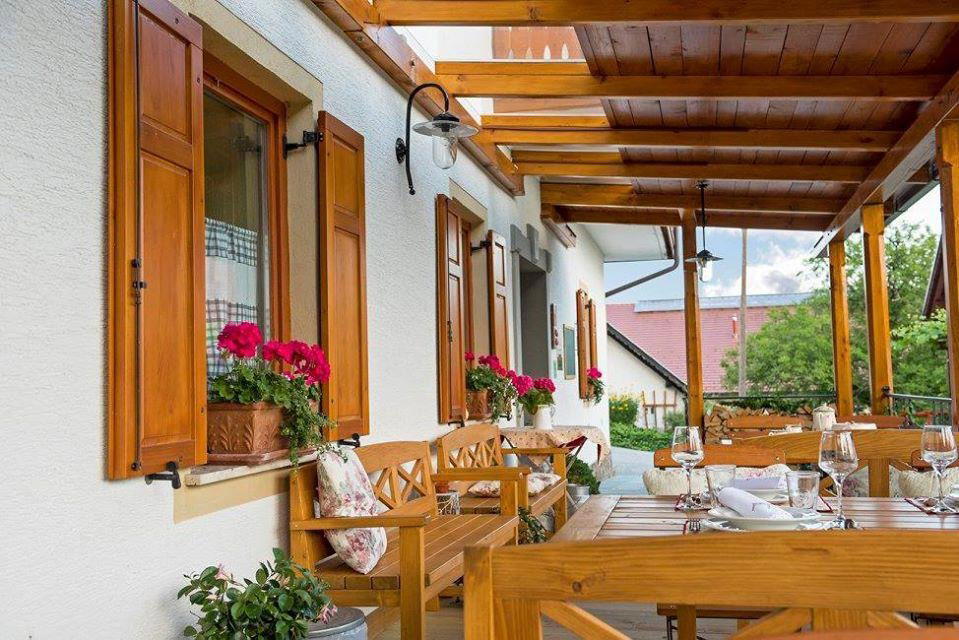
The Styrian Gostilna Tradition and Where Fram Fits
Slovenia's interior dining culture divides into two recognisable registers. The first is the modernist wave, places like Hiša Franko in Kobarid or Milka in Kranjska Gora, where creative tasting menus have drawn international attention to Slovenian produce and technique. The second, quieter register is the traditional gostilna: a farmhouse or village dining room rooted in locality, where the seasonal rhythm of Styrian agriculture sets the table rather than any chef's signature ambition. Pri Kovačniku is a Slovenian farmhouse cuisine restaurant in Fram, Slovenia, at Planica 9, with a casual dress code and reservations recommended. Fram is a village in the Drava valley southeast of Maribor, a region where rolling hills, orchard land, and modest wine country define the character of the table far more than culinary fashion does.
The word gostilna translates loosely as inn or tavern, but the concept runs deeper than translation allows. In Styria, gostilnas have historically served as the social infrastructure of rural life: places where local families ate after Sunday church, where harvest meals stretched into the evening, where pork, buckwheat, and pickled vegetables appeared not as nostalgic gesture but as the functional result of what the land produced. The name Pri Kovačniku follows a naming convention common across the region, anchoring the establishment to its location rather than to a proprietor's personal brand, a structural refusal of personality-forward hospitality that itself says something about the tradition it inhabits.
Reading the Room: What the Setting Signals
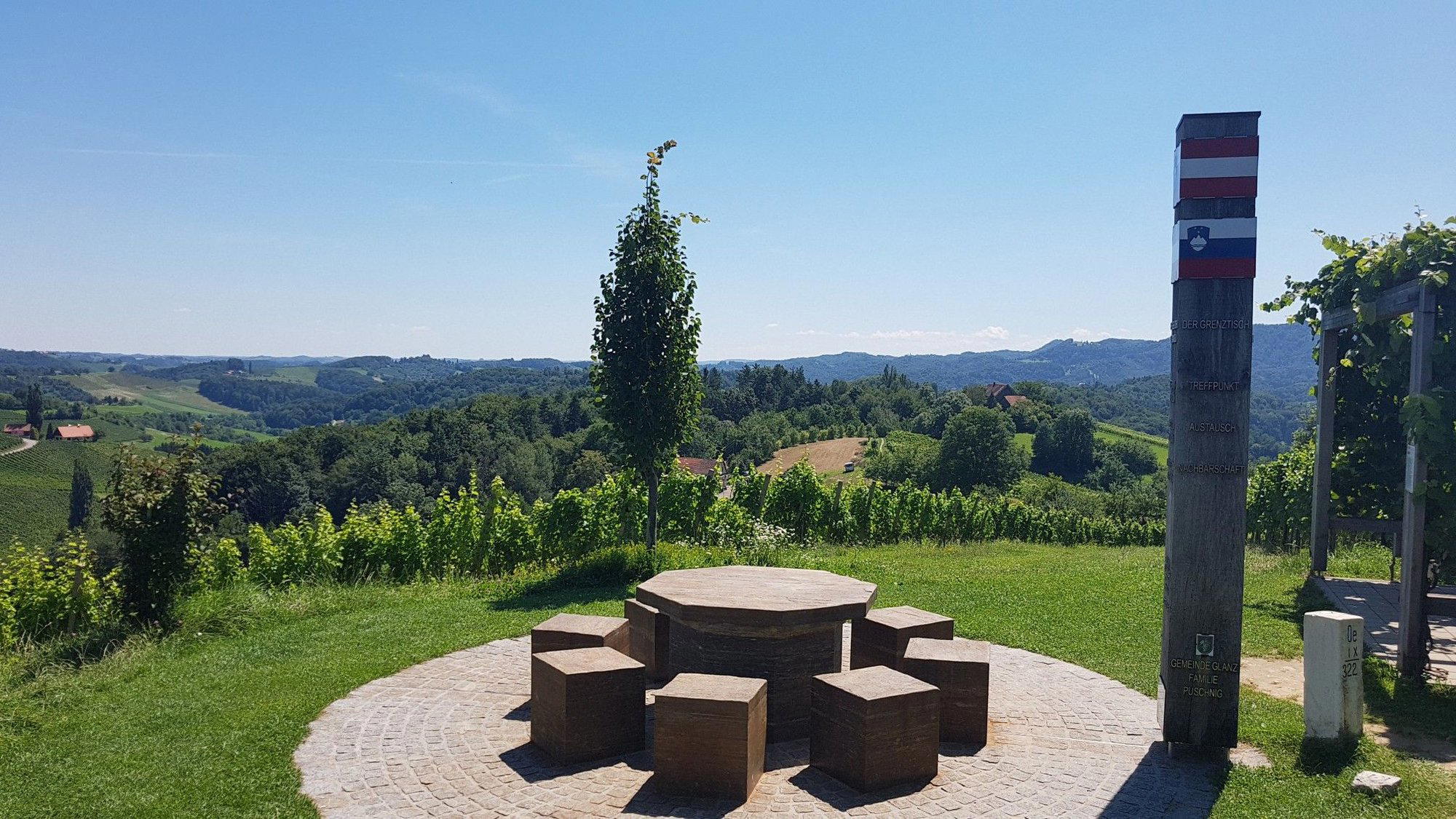
Approach Fram from the main road and the density of Ljubljana or even Maribor falls away quickly. The village sits in the kind of unhurried Slovenian countryside where agricultural buildings and residential houses share rooflines without much distinction. A traditional gostilna in this setting typically presents as a low-slung building with a shaded terrace for warmer months and interior rooms scaled for local rather than tourist volume. The physical environment is not designed as spectacle, it functions as context, signalling that the meal ahead will be grounded rather than theatrical.
This is the structural opposite of destination dining as it operates in, say, urban Slovenia or internationally reviewed venues like Restavracija Strelec in Ljubljana or Dam in Nova Gorica. Those kitchens produce food that travels conceptually, dishes that reference technique, region, and provenance with deliberate articulacy. A village gostilna like Pri Kovačniku operates on a different logic: the connection to local agriculture is assumed rather than narrated, and the dining room is not a stage for that connection but simply its natural outcome.
The Styrian Kitchen: What Cultural Context Predicts
Styrian cuisine is one of the more internally coherent regional traditions in Central Europe. Its defining ingredients, pumpkin seed oil pressed from the region's distinctive grey-shelled Styrian pumpkin, buckwheat in dumplings and porridges, freshwater fish from the Drava and Sava river systems, pork in cured, roasted, and slow-cooked forms, appear consistently across gostilnas from Maribor south to the Croatian border. The cuisine shares some structural DNA with Austrian and Hungarian farmhouse cooking, reflecting centuries of border shifts and cultural overlap, but it maintains a distinctly local identity through that pumpkin seed oil, which appears across courses from salad dressings to dessert accompaniments and gives Styrian food a nutty, dark richness that no other regional tradition quite replicates.
In a village gostilna context, the menu typically draws from this canon without heavy editorialisation. Roasted meats, seasonal soups, dishes built around cured pork fat, and potato or buckwheat preparations form the structural backbone. Vegetable cookery follows the agricultural calendar: fermented or pickled in autumn and winter, fresh and light through the spring and summer months. For visitors arriving from the modernist Slovenian dining circuit, after, say, Gostilna Pri Lojzetu in Vipava or Hiša Denk in Zgornja Kungota, the shift in register is instructive rather than disappointing. The absence of tasting menu architecture does not represent a lower standard; it represents a different set of values entirely.
Placing Pri Kovačniku in the Wider Slovenian Dining Circuit
Slovenia's premium dining scene is geographically distributed in a way that rewards travellers willing to move across the country's varied regions rather than anchoring in Ljubljana. The Soča valley has its modernist flagship. The Vipava valley has its wine-driven creativity. Styria has a cluster of venues operating across different price points and formats, from the farm-to-table ambition of Grič in Šentjošt nad Horjulom to heritage-anchored addresses in smaller villages. The restaurant, in Fram, sits within the Styrian cluster and reads most naturally as a counterpoint to the region's more formally ambitious venues, a place to understand what the culinary tradition looks like before technique and creative ambition began reshaping it.
Travellers building a Styrian itinerary might also consider Pavus in Laško or Pri Baronu, which shares the Race Fram municipality and represents a different register within the same immediate geography. The contrast between venues in close proximity is often where regional dining character becomes most legible. For a broader orientation to the area, our full Race Fram restaurants guide maps that local terrain in more detail.
Further afield, Slovenian gostilna culture appears in varied forms across the country: Gostilna Mlinar in Idrija, Gostilna Oštirka in Celje, Gostišče Neptun in Piran, and Gostišče Karavla 297 in Tržič each anchor their local food traditions in ways that collectively map the breadth of Slovenian regional cooking. Agritourism addresses like Turistična Kmetija Breg in Brda extend that pattern into the wine-producing west of the country. Understanding any one of these venues well requires understanding the tradition it inhabits, and the restaurant, in its village setting in Styria, offers a clear read on one of those traditions. Hiša Linhart in Radovljica offers yet another regional variation for those mapping the country systematically.
Planning a Visit
Fram sits within driving distance of Maribor, Slovenia's second city, making the restaurant accessible as a lunch or dinner destination on a Styrian day trip or as part of a wider regional circuit. The address at Planica 9 places it in the village proper. Reservations are recommended, particularly on weekends, when village gostilnas in Styria typically draw local families in volume. The setting is casual by nature, and dress follows accordingly: the dress code is casual. For international context on how dramatically different the fine dining register can be, even within a single country, the contrast with venues like Le Bernardin in New York City or Atomix in New York City is instructive, different traditions, different metrics, equally worthy of understanding on their own terms.
Cost Snapshot
Comparable venues nearby, for context on price, style, and recognition.
| Venue | Cuisine | Price | Notes |
|---|---|---|---|
| Pri KovačnikuThis venue — the venue you are viewing | Pohorje, Slovenian Farmhouse Cuisine | $$ | Not listed |
| Pri Baronu | Fram, Slovenian Organic Farm-to-Table | $$ | Not listed |
| Restavracija Planinka | Not listed | $$ | Ljubno ob Savinji, Ambitious Upper Savinja Cuisine |
| Gostilna Grabar | Rabelčja vas, Modern Slovenian | $$ | Not listed |
| Gostišče Karavla 297 | Podljubelj, Traditional Slovenian | $$ | Not listed |
| Gostilna pri lipi | Lackova cesta, Traditional Slovenian | $$ | Not listed |
Continue exploring
More in Race Fram
Restaurants in Race Fram
Browse all →
Bars in Race Fram
Browse all →
Hotels in Race Fram
Browse all →


At a Glance
- Rustic
- Cozy
- Scenic
- Family
- Casual Hangout
- Local Sourcing
- Farm To Table
- Mountain
Warm and homely atmosphere with a rustic farm setting surrounded by Pohorje greenery.