Gostilna Grabar sits in Rabelčja vas on the outskirts of Ptuj, Slovenia's oldest city, where the gostilna tradition roots itself in local produce, regional wine, and the kind of cooking that reflects a specific place rather than a generic contemporary menu. For travellers working through Styria and the Drava valley, it belongs to the same conversation as the broader network of destination dining that defines modern Slovenian hospitality.
Pearl is the En Primeur Club membership app — saves, bookings, and concierge access live there. Same editors, same standards.
- Address
- Rabelčja vas 15a, 2250 Ptuj, Slovenia
- Phone
- +38627782140
- Website
- gostilnagrabar.si
- Directions
- Get directions
 Saves & bookings on Pearl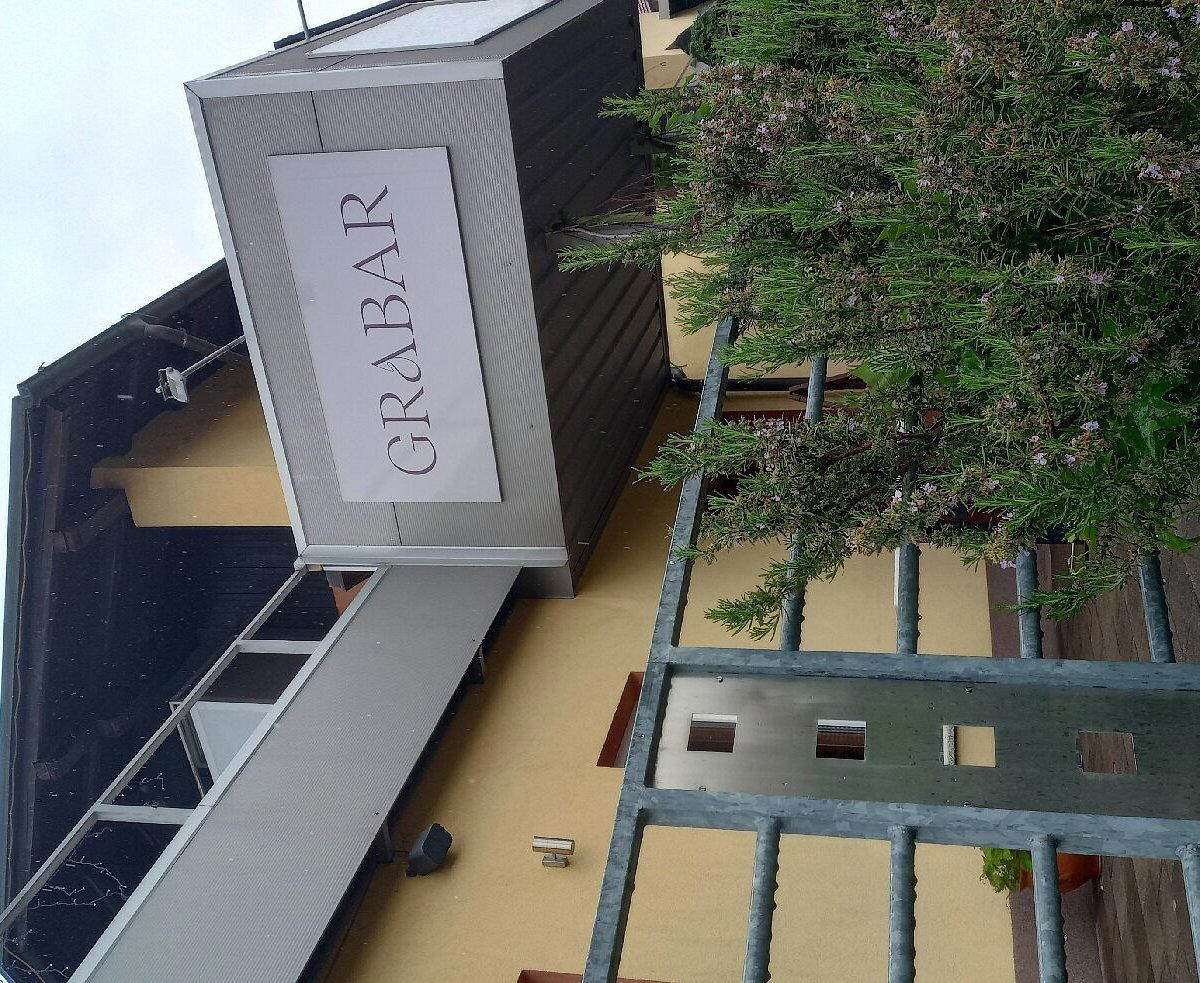
The Gostilna Tradition and Where Grabar Fits
Slovenia's gostilna format is one of Central Europe's least-discussed but most coherent dining institutions. Unlike the Austrian Gasthof or the Croatian konoba, the Slovenian gostilna occupies a specific cultural register: part farmhouse kitchen, part community anchor, part serious cooking venue. In a country where the distance between a rural inn and a Michelin-starred address has collapsed faster than almost anywhere else in the region, the gostilna has adapted without disappearing. It remains the vessel through which Slovenian cooking identity is most honestly expressed. Gostilna Grabar is a restaurant in Ptuj, Slovenia, at Rabelčja vas 15a. It serves Modern Slovenian cuisine at an approachable price tier and operates within that tradition and within the specific culinary logic of the Podravje region.
Ptuj itself provides important context. As Slovenia's oldest documented city, it sits in the Drava River valley at the southern edge of Styria, a region that shares agricultural patterns and wine culture with the Austrian province across the border. The cooking here draws from that shared geography: freshwater fish from the Drava, pork preparations with deep rural lineage, grain-based dishes, and wines from the surrounding hills that carry more in common with Südsteiermark than with the Karst or Primorska. A venue in this city is implicitly in conversation with that terroir, whether or not it announces it.
Ptuj's Position in Slovenia's Dining Conversation
Slovenia has developed among the more concentrated fine-dining scenes per capita in Europe over the past decade. The reference points are well established: Hiša Franko in Kobarid redefined what rural Slovenian cooking could mean at an international level; Hiša Denk in Zgornja Kungota and Gostilna Pri Lojzetu in Vipava demonstrate how the gostilna form can carry serious culinary ambition; Hiša Linhart in Radovljica and Grič in Šentjošt nad Horjulom extend the farm-to-table approach across the country's diverse geography. What connects them is a shared commitment to regional specificity over imported culinary idiom.
Ptuj sits slightly outside the circuits that cluster around Ljubljana and the Soča Valley, which means venues here operate in a different register of visibility. Locally, they anchor a dining culture that serves the Podravje region's own population as much as it serves visiting travellers. Gostilna Ribič and Gostilna Rozika represent the range of that local offer, and Grabar joins them in a small but coherent cluster. For a broader orientation to what Ptuj's dining scene covers, our full Ptuj restaurants guide maps the options across price points and styles.
Cultural Roots of Podravje Cooking
The Podravje kitchen is defined by proximity to the land and the river. Freshwater fish, particularly carp and trout from the Drava and its tributaries, feature alongside dishes that reflect centuries of Central European rural cooking: roasted meats, fermented vegetables, bean preparations, and a broad use of pork in forms that range from smoked cuts to refined charcuterie. The influence of the Austro-Hungarian culinary inheritance is visible in pastry technique and in the integration of sweet and savoury combinations that would feel out of place in Mediterranean-facing Slovenian cooking but sit naturally here.
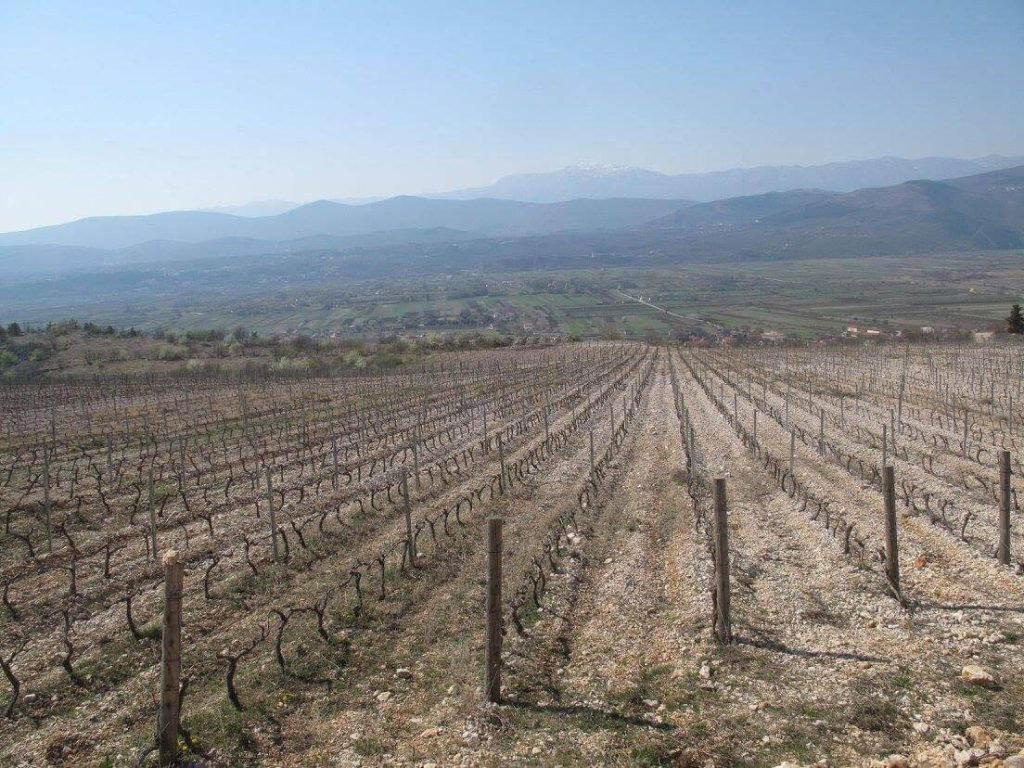
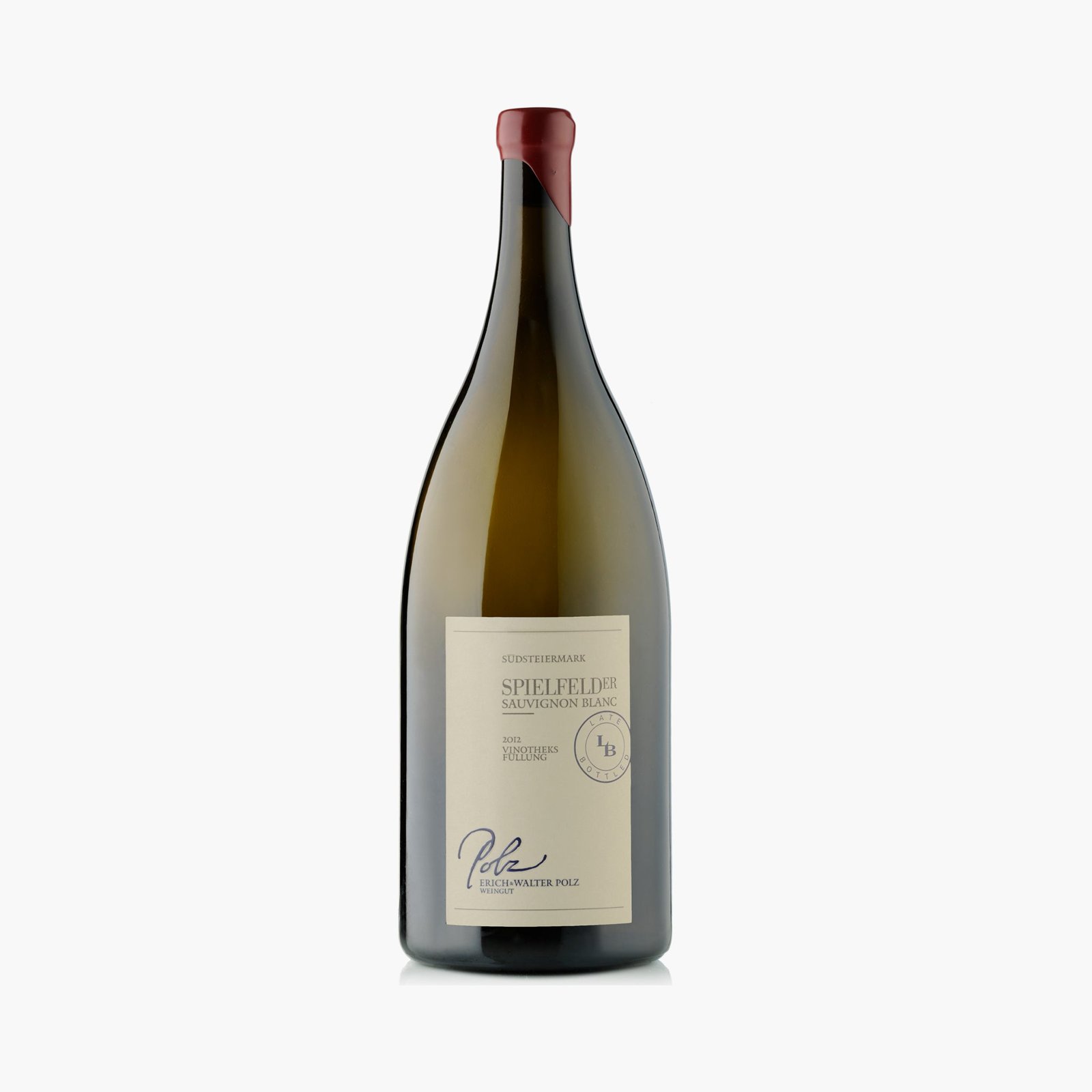
This is cooking that rewards attention to provenance. The wines of the surrounding hills, particularly from the Haloze and Jeruzalem-Ormož appellations, offer white varieties with pronounced mineral character and enough acidity to anchor the richer dishes the region produces. A gostilna operating in this geography that takes its wine list seriously will typically draw from those appellations first, supplementing with producers from the broader Podravje designation. The integration of local wine into the meal is not incidental here; it is structural.
Compared to the Vipava and Karst traditions represented by venues like Dam in Nova Gorica, Podravje cooking is heavier, more grain-forward, and more closely tied to Central European rather than Mediterranean influences. Both are legitimate expressions of Slovenian regional cooking; they simply speak different dialects of the same language. Other regional voices across the country, from Pavus in Laško and Restavracija Strelec in Ljubljana to Milka in Kranjska Gora and Gostilna Mlinar in Idrija, each mark how distinctly Slovenian cuisine varies by geography.
Approaching the Venue
Rabelčja vas is a settlement on the eastern edge of Ptuj, outside the historic core but within easy reach of the old town. Arriving here involves the characteristic Slovenian experience of transitioning from dense medieval streetscape to a more open, agricultural periphery within a short distance. Gostilna addresses in this kind of location tend to offer more space than their urban counterparts, and the immediate surroundings carry the quieter character of the Drava plain rather than the tourism footprint of central Ptuj.
Ptuj is reachable by train from Ljubljana (approximately two hours) and by road from Maribor (roughly 25 kilometres to the northwest). For travellers combining a gostilna visit with the broader Podravje wine region, the area around Jeruzalem is under an hour by car, making a day that combines regional wine and a proper lunch or dinner in Ptuj entirely practical.
Planning Your Visit
Calling ahead or arranging a reservation before visiting is advisable, particularly at weekends when local demand is higher and capacity at smaller venues fills early. The address, Rabelčja vas 15a, 2250 Ptuj, places it clearly outside the central tourist zone, so planning transport in advance is sensible. Travellers who have visited comparable venues across the country, from Gostišče Karavla 297 in Trzic and Gostišče Neptun in Piran to Turistična Kmetija Breg in Brda, will recognise the format: a setting tied to a specific place, a menu shaped by what the region produces, and a pace that assumes you are there to eat properly rather than efficiently.
For those approaching Slovenia's dining scene from a wider international frame, destinations like Le Bernardin in New York City or Atomix in New York City draw internationally. Slovenia's regional gostilna circuit operates at a different scale but with comparable seriousness of purpose at its leading examples.
Price and Recognition
Comparable venues nearby, for context on price, style, and recognition.
| Venue | Cuisine | Price | Notes |
|---|---|---|---|
| Gostilna GrabarThis venue — the venue you are viewing | Rabelčja vas, Modern Slovenian | $$ | Not listed |
| Gostilna Rozika | Ptuj center, Traditional Slovenian | $$ | Not listed |
| Gostilna Ribič | Ptuj center, Modern Slovenian Seafood | $$ | Not listed |
| Bistro Marco | Zgornja Kungota, Modern Bistro | $$ | Not listed |
| Gostilna pri lipi | Lackova cesta, Traditional Slovenian | $$ | Not listed |
| Gostišče Taverna | Not listed | $$ | Jeruzalem, Traditional Prlekija Slovenian |
Continue exploring
More in Ptuj
Restaurants in Ptuj
Browse all →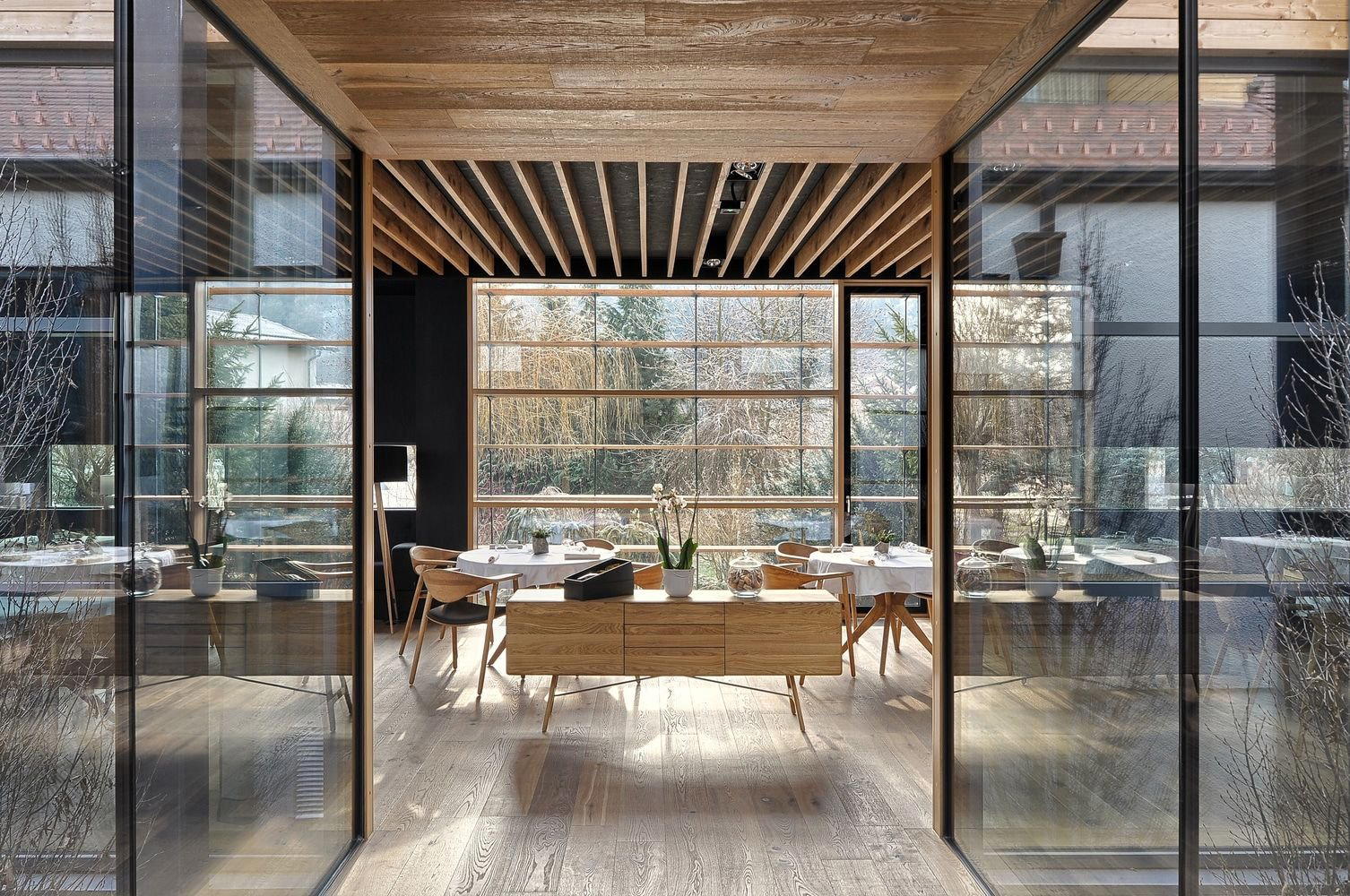
Bars in Ptuj
Browse all →
Hotels in Ptuj
Browse all →

At a Glance
- Rustic
- Cozy
- Elegant
- Scenic
- Date Night
- Celebration
- Family
- Terrace
- Historic Building
- Extensive Wine List
- Local Sourcing
- Mountain
- Street Scene
Current opening hours
- Monday
- Closed
- Tuesday
- Closed
- Wednesday
- Closed
- Thursday
- Closed
- Friday
- 12–8 PM
- Saturday
- 12–8 PM
- Sunday
- 12–4 PM
Hours can change for holidays and private events. Last verified .
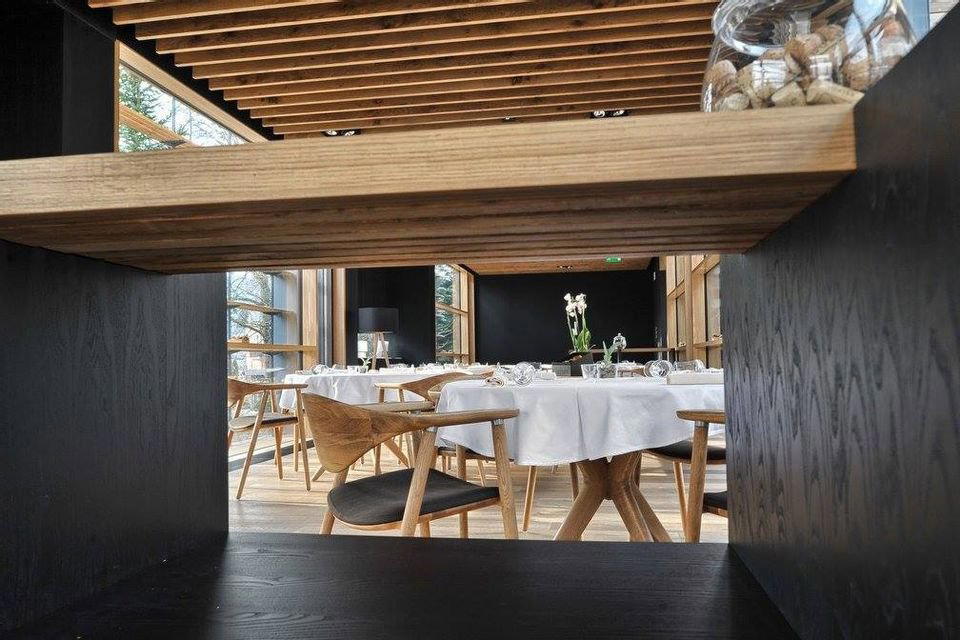
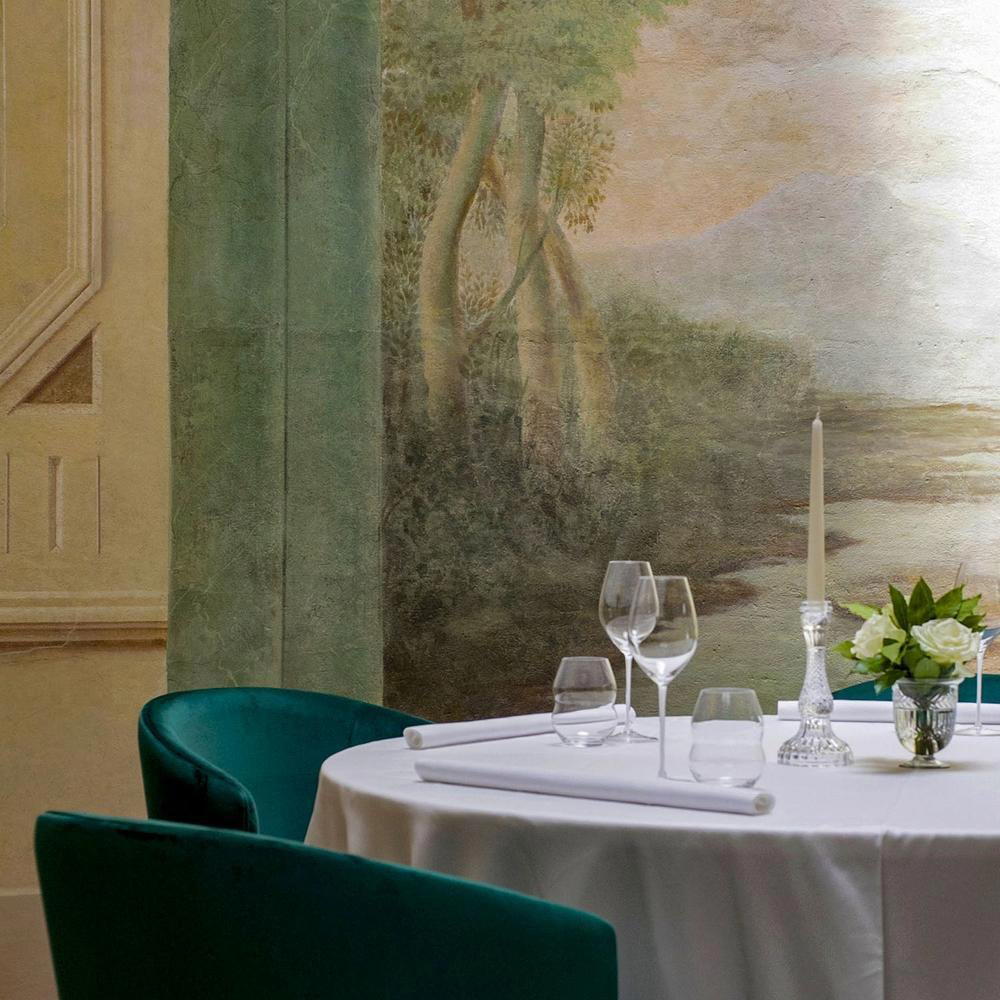
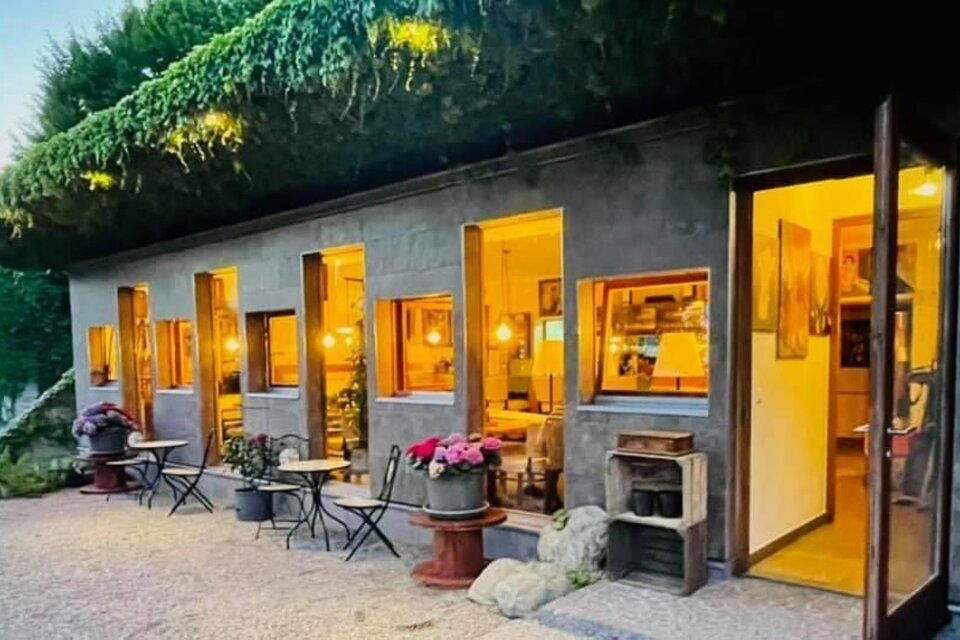
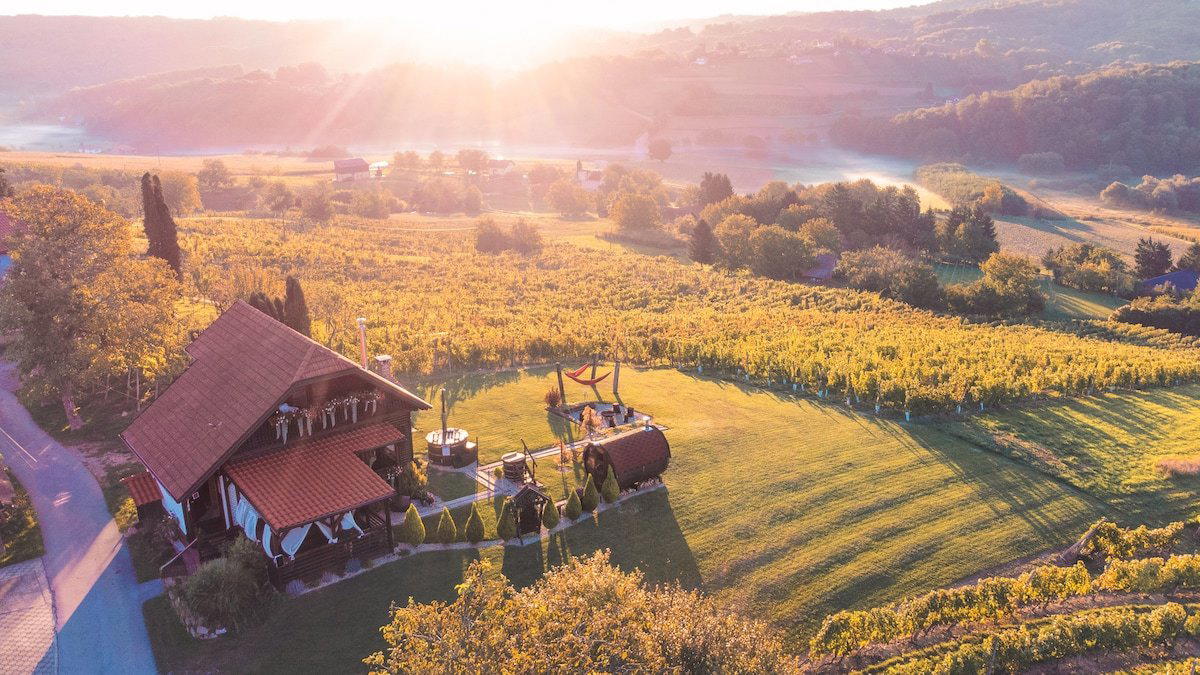
Pleasant and homely atmosphere with terrace dining overlooking the Drava valley and castle, featuring elegantly presented dishes and candlelit tables.