Pri Baronu sits in the village of Fram, southeast of Maribor, where Slovenia's rural gostilna tradition runs deepest. The kitchen draws on the agricultural character of the surrounding Dravinja valley, placing local sourcing at the centre of a menu that reads as a document of the region rather than a showcase of technique. For visitors tracing Slovenia's broader dining scene beyond Ljubljana, this is a reference point for how the country eats away from its capital.
Pearl is the En Primeur Club membership app — saves, bookings, and concierge access live there. Same editors, same standards.
- Address
- Planica 6, 2313 Fram, Slovenia
- Phone
- +38651317104
- Website
- pribaronu.si
- Directions
- Get directions
 Saves & bookings on Pearl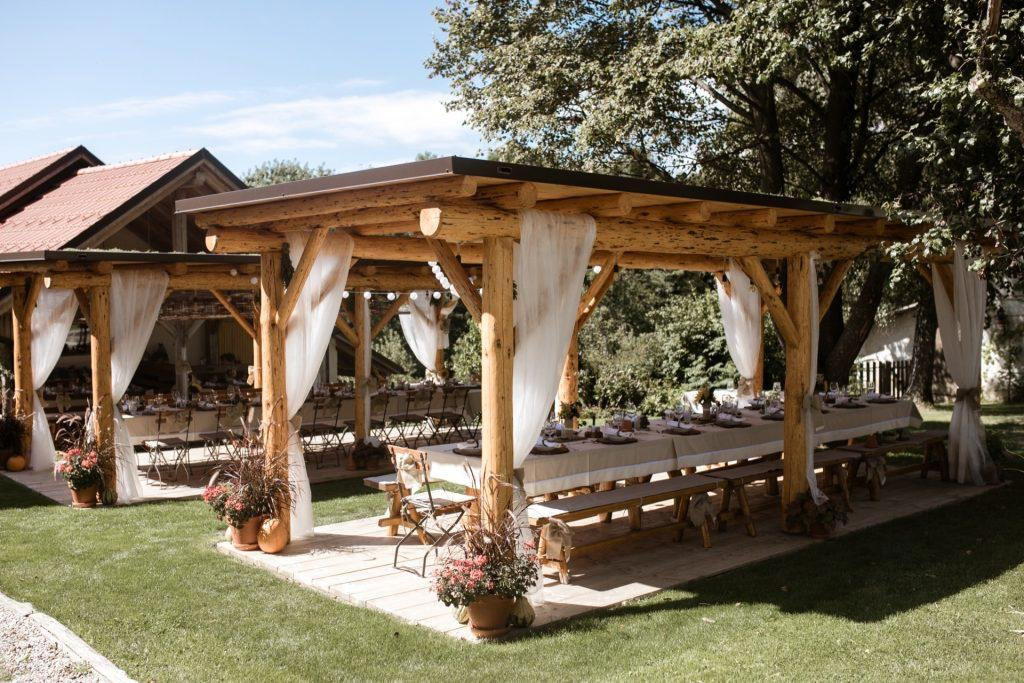
Where the Dravinja Valley Comes to the Table
Pri Baronu is a Slovenian Organic Farm-to-Table restaurant in Fram, Slovenia, with. The road through Fram passes working farms, orchards, and small holdings that have supplied local kitchens for generations, and Pri Baronu sits inside that agricultural rhythm rather than apart from it. This is the character of the Slovenian gostilna at its most settled: a building embedded in a community, a kitchen shaped by what the surrounding land produces, and a dining room that functions as a continuation of the village rather than a destination layered on top of it.
In Slovenia's broader restaurant scene, the gostilna format occupies a distinct position. It is neither the tasting-menu showcase that defines venues like Hiša Franko in Kobarid or Milka in Kranjska Gora, nor the casual konoba you might find on the Adriatic coast. It sits in between: a place that serves cooked-from-scratch food with a loyalty to regional produce, operating on the assumption that the ingredients themselves carry sufficient argument. Pri Baronu belongs to this tradition, and understanding what that tradition means in the Dravinja valley is the right frame for reading the kitchen's choices.
Sourcing as the Central Argument
The agricultural belt running between Maribor and Celje has long supplied Styrian kitchens with pork, poultry, freshwater fish, mushrooms, and field vegetables. The Styrian identity in Slovenian cooking is specific: pumpkin seed oil pressed from local cucurbita, buckwheat grown in the Prekmurje and Koroška borders, air-dried meats cured by small producers who have been supplying the same kitchens for decades. These ingredients are not decorative regional flourishes. They are structural: the oil replaces olive oil across most of the menu, the buckwheat kasha appears where other cuisines would use pasta or rice, and the pork preparations follow curing traditions that predate written recipes.
In that context, the address at Planica 6 in Fram is itself a signal. Fram is not a dining destination with a cluster of restaurants drawing urban visitors. It is a working village, and a kitchen that operates here sources from necessity as much as philosophy. The farms are close, the producers are known by name, and the menu changes as the growing season dictates.
For a broader map of how ingredient sourcing defines Slovenia's most compelling kitchens, Gostilna Pri Lojzetu in Vipava and Grič in Šentjošt nad Horjulom offer useful comparisons at the farm-to-table end of the Slovenian spectrum, both operating at the €€€€ tier where produce sourcing is foregrounded as the primary editorial statement.
The Dining Room in Context
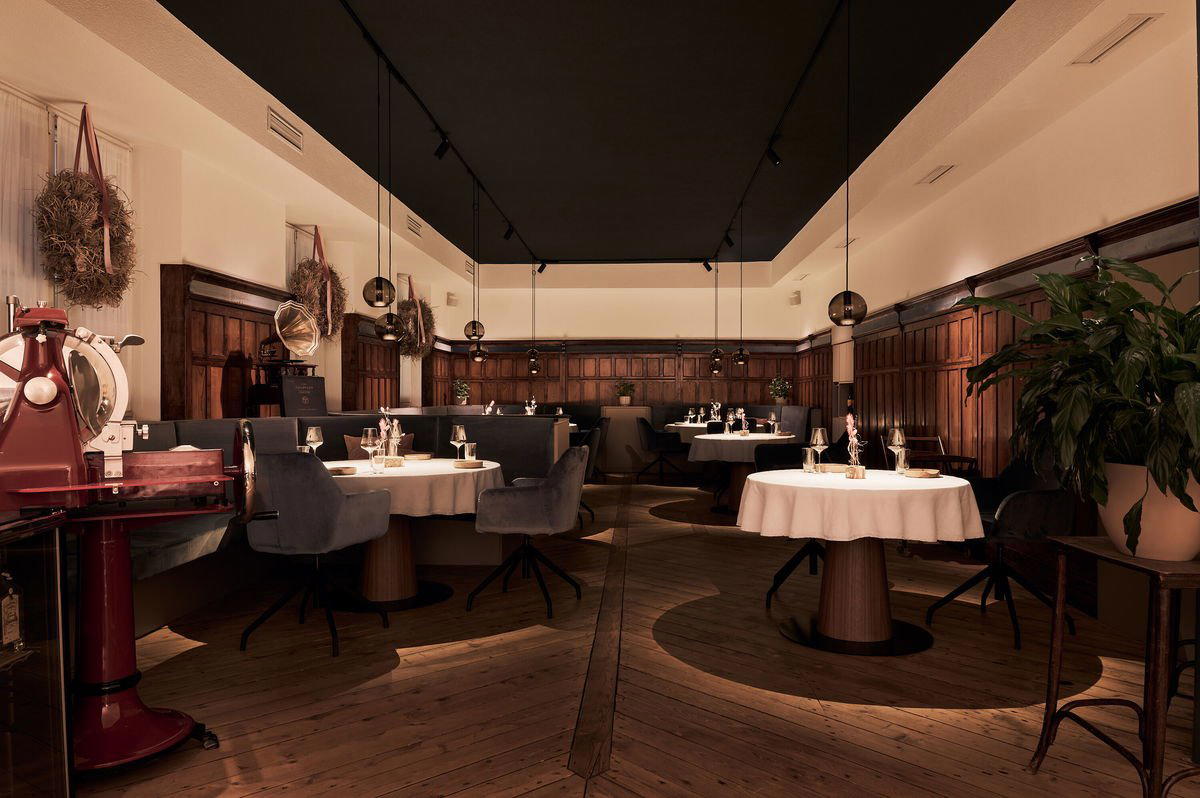
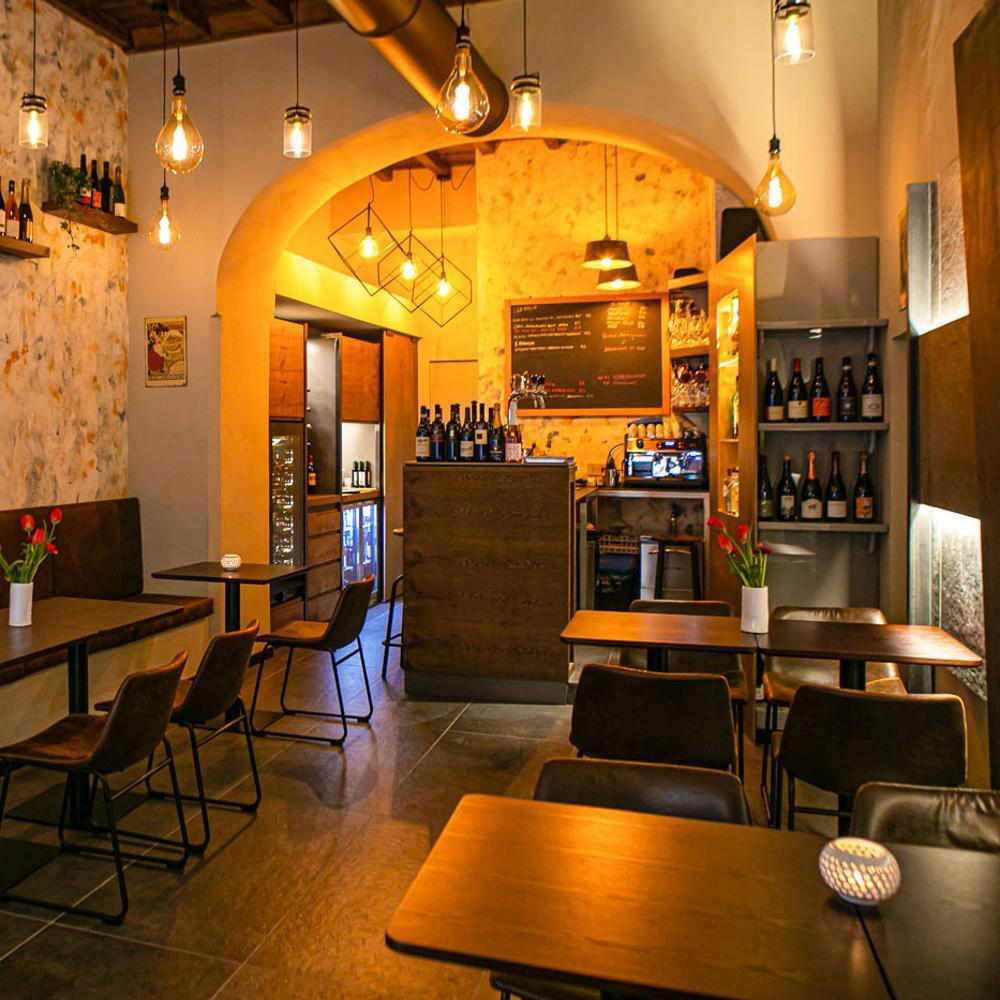
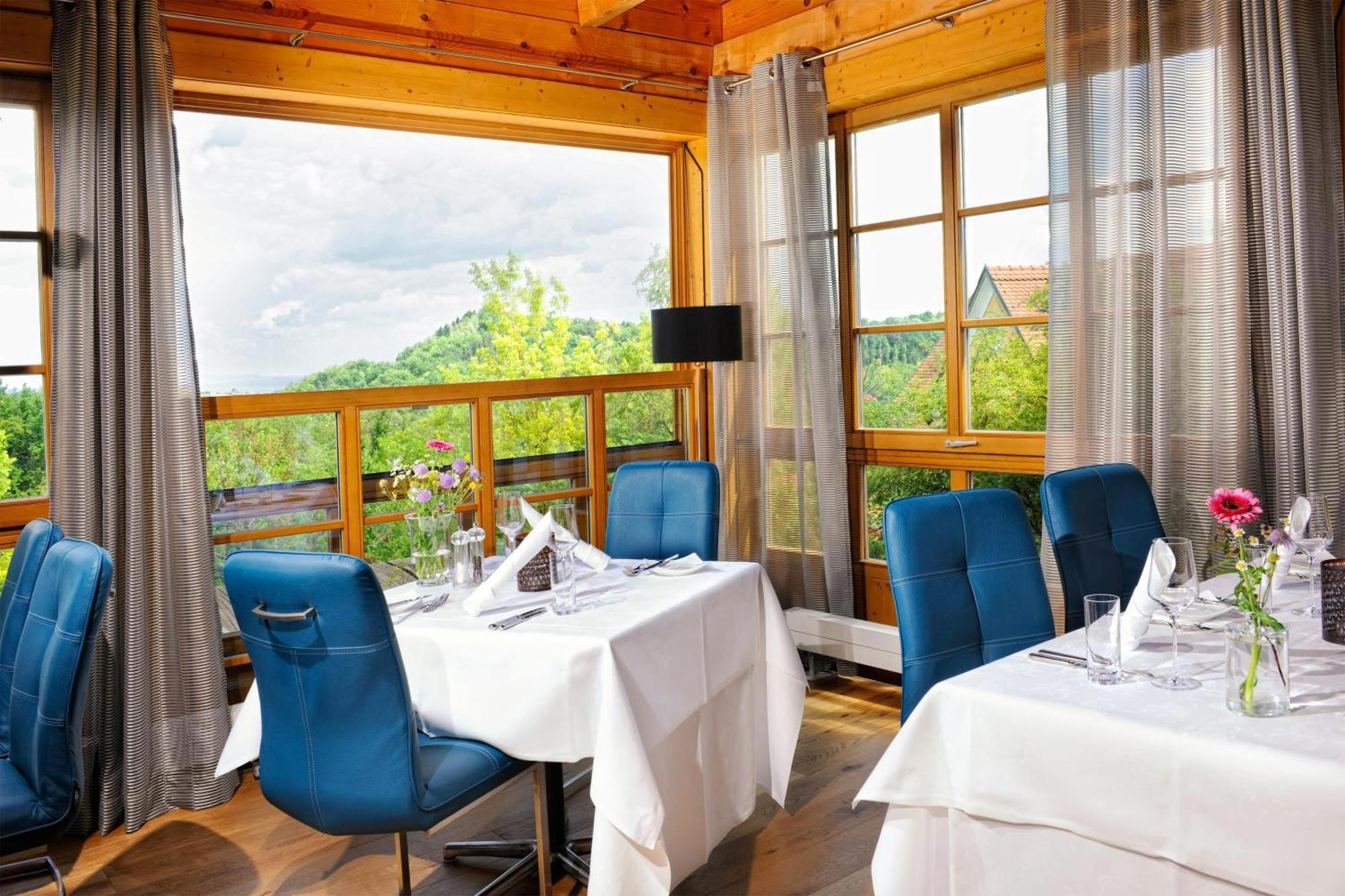
Rural Styrian dining rooms follow a pattern: wood panelling, tablecloths that skew toward cream or white, a bar that doubles as the social centre of the building, and windows that look onto a courtyard or garden rather than a street. The atmosphere is unhurried in the way that village restaurants across Central Europe tend to be unhurried, not because service is slow but because no one expects you to leave quickly. Lunch often runs into mid-afternoon. A Sunday meal is a social occasion with structural permanence.
This is relevant to how you should plan a visit. The restaurant sits within a village format, which means its rhythm is local rather than tourist-paced. The kitchen is not oriented around turnover. Arriving with time is not optional; it is part of the format. Visitors connecting this stop with Maribor, which sits roughly 15 kilometres to the north, should allow a half-day rather than a one-hour slot. Pri Kovačniku, also in the Race Fram area, offers another point of reference for the character of the local dining scene.
Placing Pri Baronu in the Slovenian Restaurant Conversation
Slovenia's dining scene has received growing international attention in the last decade, largely driven by Michelin's entry into the country and the international visibility of venues like Hiša Franko. That attention has concentrated on a specific tier: creative, technique-forward kitchens with tasting menus, strong wine programs, and reservation windows measured in months. The restaurant operates in a different register entirely. It belongs to the larger, less discussed cohort of Slovenian restaurants where the quality argument is built on produce access and cooking confidence rather than format innovation.
This cohort includes venues like Pavus in Lasko, Hiša Linhart in Radovljica, and Gostilna Mlinar in Idrija, all of which serve as regional anchors rather than destination restaurants in the conventional sense. The same pattern applies further afield: Gostišče Neptun in Piran and Gostišče Karavla 297 in Trzic serve comparable functions in their respective regions. Turistična Kmetija Breg in Brda and Gostilna Oštirka in Celje round out the picture of a country where serious eating happens well outside the venues that collect formal recognition.
For visitors whose reference points for serious dining are European capitals, the contrast is instructive. The benchmarks at venues like Le Bernardin in New York City or Atomix in New York City are built around culinary precision and format discipline. The benchmarks at a Styrian gostilna are built around provenance and seasonal fidelity. Neither framework invalidates the other; they measure different things.
For the full picture of what the Race Fram area offers, our full Race Fram restaurants guide maps the local dining options with regional context. Visitors building a wider Slovenian itinerary should also consider Dam in Nova Gorica, Restavracija Strelec in Ljubljana, and Hiša Denk in Zgornja Kungota as further reference points across the country's dining registers.
Planning Your Visit
The restaurant's address at Planica 6, 2313 Fram places it in the municipality of Race-Fram, accessible by car from Maribor via the regional road network to the southeast. Reservations are recommended, particularly for weekend lunch. The restaurant is open Saturday and Sunday from 12 to 10 PM and closed Monday through Friday. A midweek visit offers more flexibility. Given the rural setting, the restaurant is most naturally a lunch destination incorporated into a driving route through Styria.
Side-by-Side Snapshot
Comparable venues nearby, for context on price, style, and recognition.
| Venue | Cuisine | Price | Notes |
|---|---|---|---|
| Pri BaronuThis venue — the venue you are viewing | Slovenian Organic Farm-to-Table | $$ | Not listed |
| Pri Kovačniku | Slovenian Farmhouse Cuisine | $$ | Pohorje |
| Le Bistro | Mediterranean Bistro | $$ | Center |
| Restavracija Most | Slovenian Mediterranean | $$ | Central Ljubljana |
| Gostilnica Barba | Contemporary Slovenian with Mediterranean Influences | $$ | Novo Mesto |
| Sova | Modern Slovenian Fusion | $$$ | Bled center |
Continue exploring
More in Race Fram
Restaurants in Race Fram
Browse all →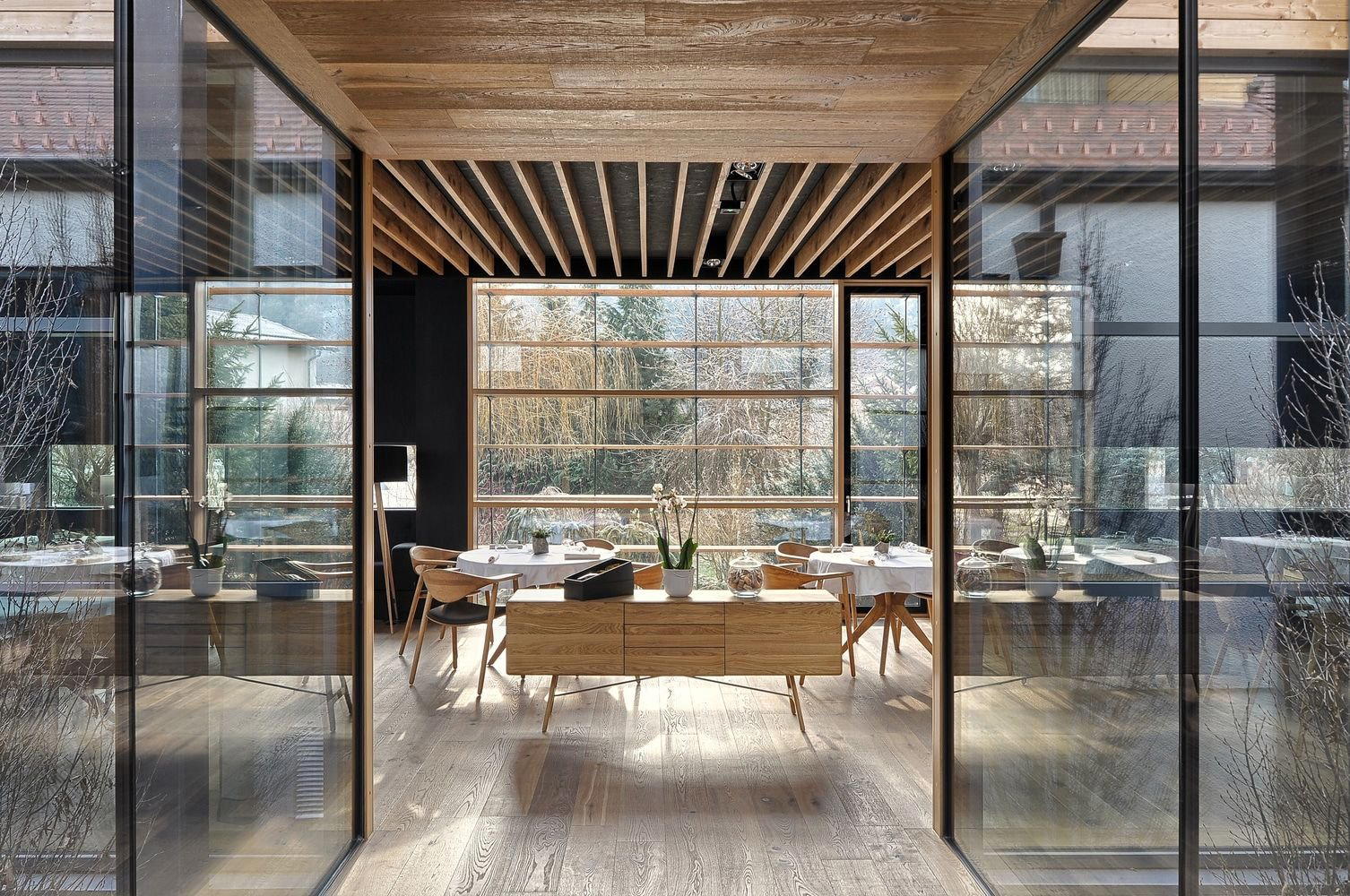
Bars in Race Fram
Browse all →
Hotels in Race Fram
Browse all →

At a Glance
- Rustic
- Cozy
- Scenic
- Quiet
- Family
- Group Dining
- Casual Hangout
- Celebration
- Garden
- Terrace
- Panoramic View
- Standalone
- Beer Program
- Farm To Table
- Organic
- Local Sourcing
- Garden
- Mountain
Current opening hours
- Monday
- Closed
- Tuesday
- Closed
- Wednesday
- Closed
- Thursday
- Closed
- Friday
- Closed
- Saturday
- 12–10 PM
- Sunday
- 12–10 PM
Hours can change for holidays and private events. Last verified .
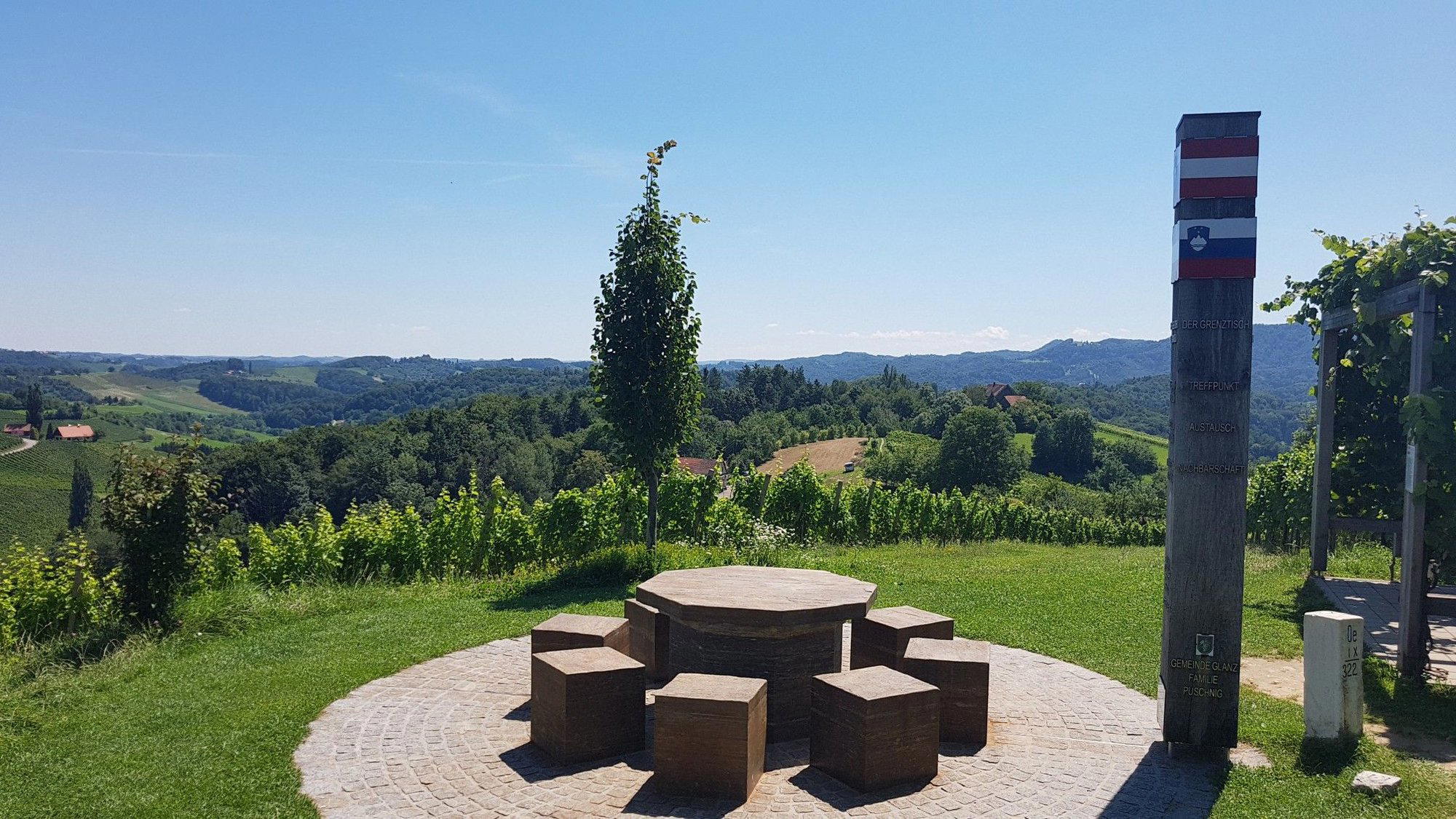
Rustic wooden interior with farm animals visible throughout, surrounded by forests and meadows at 700m elevation; warm, welcoming, and family-oriented with natural light and countryside views.