Prego
Prego occupies a measured corner of Polanco's Italian dining scene, where the neighbourhood's appetite for European technique meets Mexico City's expectations for serious, unhurried eating. Set on Alejandro Dumas 10 in Polanco IV Sección, it belongs to a tier of mid-to-upper restaurants where the room does as much work as the kitchen. For visitors orienting themselves in the city's broader dining geography, Prego offers a European reference point inside one of Mexico City's most concentrated fine-dining corridors.
 Discover on Pearl
Pearl is the En Primeur Club membership app — saves, bookings, and concierge access live there. Same editors, same standards.
- Address
- Alejandro Dumas 10, Polanco, Polanco IV Secc, Miguel Hidalgo, 11550 Ciudad de México, CDMX, Mexico
- Phone
- +525552812637
- Website
- prego.com.mx
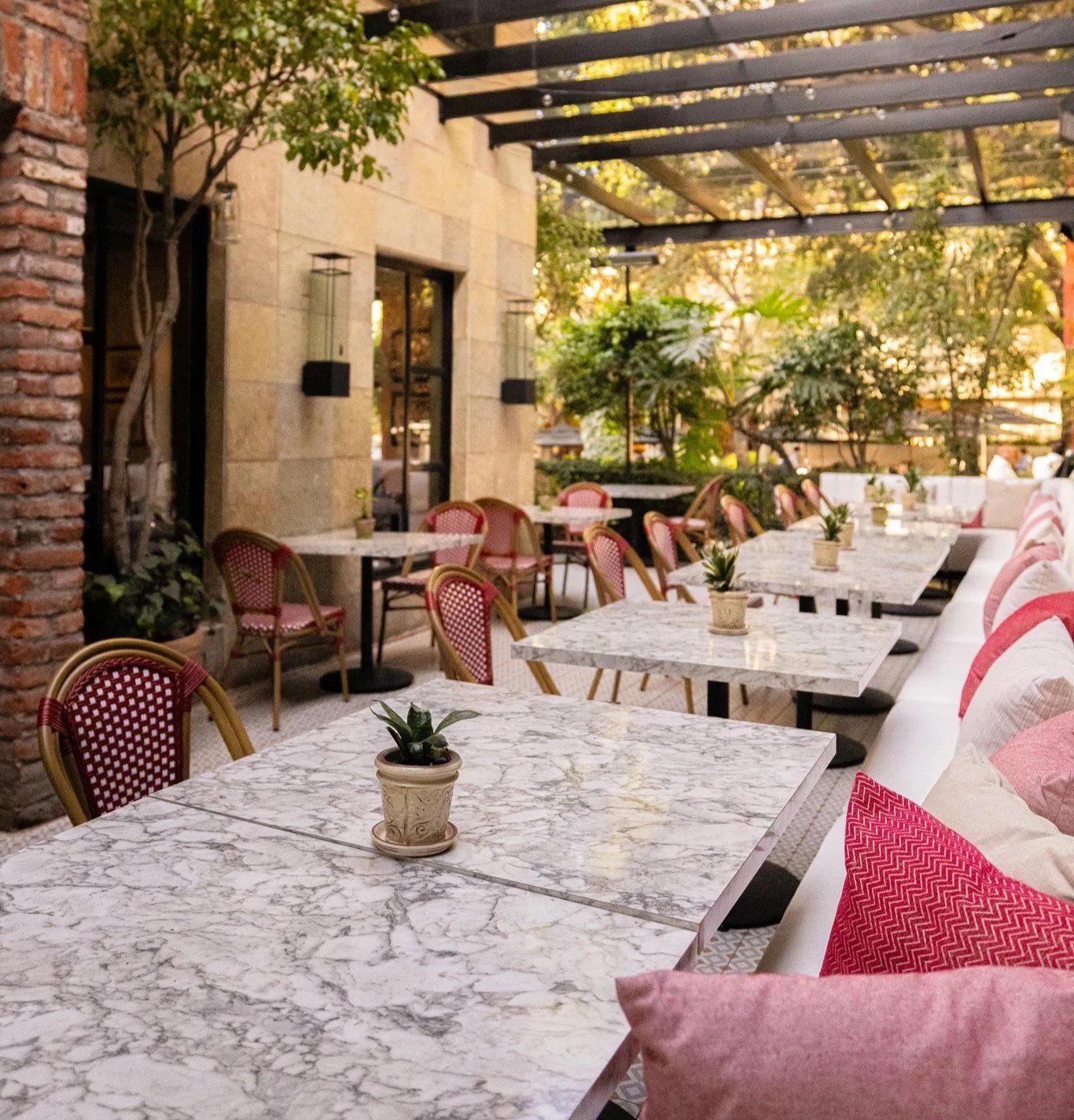
The Weight of the Room on Alejandro Dumas
Polanco's dining streets carry a particular pressure. The addresses along Alejandro Dumas and its immediate neighbours have absorbed decades of restaurant ambition, a concentration of European-inflected kitchens, private dining rooms, and wine programs that would not embarrass a comparable address in Madrid or Milan. Arriving at Prego on this street, you feel that accumulated context before you open the door: Polanco does not do casual by accident. Prego is an Authentic Italian Trattoria in Polanco, Mexico City, priced at about $45 per person. The neighbourhood's Italian contingent in particular occupies a specific register, somewhere between the accessible trattorias of Condesa and the fully formal European dining rooms that cluster around the Presidente Intercontinental, and Prego positions itself within that middle-to-upper band.
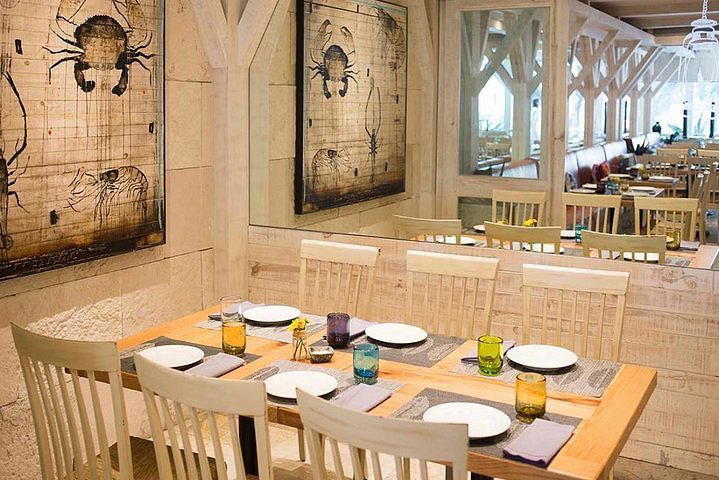
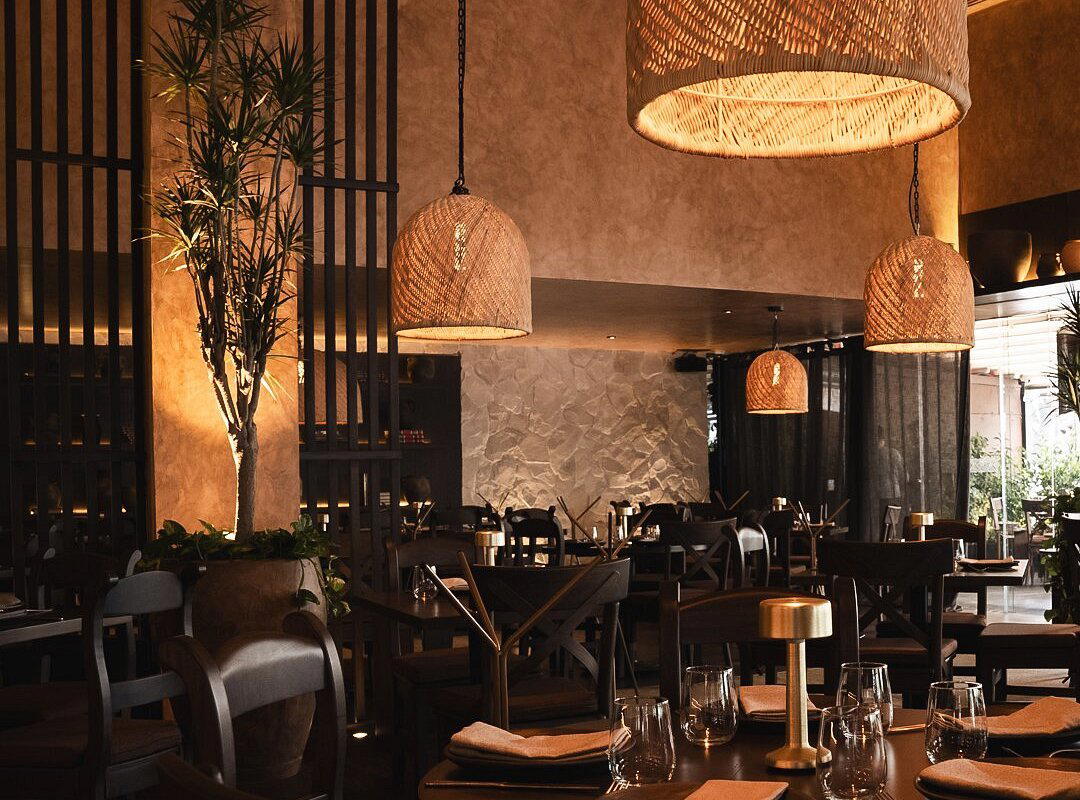
The atmosphere inside draws on what Polanco's Italian restaurants have collectively learned from their clientele: that business-lunch formality and evening leisure require the same spatial language, a room that does not shout but has enough detail to reward attention. Warm materials, considered lighting, and tables spaced to support conversation rather than proximity define this tier of the neighbourhood's European dining. Prego reads within that tradition rather than against it.
Where Italian Cooking Sits in Mexico City's Dining Order
Mexico City's relationship with Italian cuisine has matured significantly over the past fifteen years. The city moved through a phase of red-sauce accessibility and arrived somewhere more complicated: kitchens that take pasta seriously as a technical discipline, wine programs organised around Italian regions rather than international varietals, and service cultures that understand the difference between a Milanese trattoria pace and a Roman osteria pace. Rosetta, which operates in Roma Norte, represents one pole of this evolution, a kitchen that treats Italian technique as a living thing, adapted to local produce. Prego in Polanco represents a different orientation, one that serves the neighbourhood's corporate and diplomatic clientele, where continuity and reliability carry as much value as innovation.
This is not a criticism. In any serious dining city, the restaurants that hold a room's confidence over a decade or more perform a different function from the ones that generate press cycles. The question worth asking about any Polanco Italian address is whether the kitchen is technically grounded enough to justify the neighbourhood's prices, and whether the room delivers the kind of experience that makes a two-hour lunch feel earned rather than merely expensive. For readers building an itinerary that spans the full range of Mexico City's offer, Prego belongs to the European-anchor tier rather than the contemporary Mexican tier represented by Pujol, Quintonil, or Em. Those are different dining arguments, aimed at readers who want to engage with what Mexico's own culinary identity is becoming. Prego serves those who want a European register executed with Polanco-level commitment.
The Sensory Logic of a Polanco Italian Room
Sound is one of the undervalued calibrations in a Polanco dining room. The neighbourhood's better restaurants understand that noise levels function as a social signal: a room that absorbs conversation rather than amplifying it communicates a certain seriousness about the transaction at the table. Italian restaurants in this part of the city have generally landed on a middle register, animated enough to feel alive, controlled enough to allow a negotiation or a private dinner to proceed without effort. The relationship between room acoustics and dining pace matters more at lunch than dinner, and Polanco's corporate lunch culture has shaped how kitchens and front-of-house teams think about timing.
Visually, the European dining rooms along Dumas tend toward restraint with warmth: wood, fabric, low light sources rather than ceiling floods, wine storage as display. These are rooms designed to flatten the distinction between noon and eight in the evening, which suits an address that needs to perform across multiple dayparts. Sud 777, operating in a different part of the city, takes a contrasting approach with indoor-outdoor integration and a more architectural spatial vocabulary. Prego's register is closer to the enclosed, composed European room, a deliberate legibility that tells you what kind of experience to expect before you order.
Polanco rewards visitors who plan logistics around the neighbourhood rather than a single address. The cluster of serious restaurants within a few blocks of Alejandro Dumas means that if one kitchen is fully booked, alternatives are within walking distance rather than a cab ride.
| Venue | Cuisine | Price Tier | Neighbourhood |
|---|---|---|---|
| Prego | Italian | $$$ | Polanco |
| Rosetta | Italian, Creative | $$ | Roma Norte |
| Pujol | Mexican | $$$$ | Polanco |
| Quintonil | Modern Mexican | $$$$ | Polanco |
| Em | Mexican | $$$ | Polanco |
Alcalde in Guadalajara, KOLI Cocina de Origen in Monterrey, Pangea in San Pedro Garza García, and Levadura de Olla in Oaxaca each anchor their respective cities' fine-dining conversations. Coastal options worth noting include HA' in Playa del Carmen, Le Chique in Puerto Morelos, and Olivea Farm to Table in Ensenada. In Baja, Animalón in Valle de Guadalupe and Lunario in El Porvenir operate within the wine country dining format. For readers arriving from or departing to New York, Le Bernardin and Atomix represent comparable commitment levels in a different city context. In the Yucatan, Huniik in Merida provides another regional reference point.
Reputation First
Comparable venues nearby, for context on price, style, and recognition.
| Venue | Cuisine | Price | Awards | Notes |
|---|---|---|---|---|
| PregoThis venue — the venue you are viewing | Authentic Italian Trattoria | $$$ | , | |
| Santo Spirito | Authentic Italian Regional Cuisine | $$$ | , | Juarez |
| Barolo | Italian Trattoria | $$$ | , | Centro Urbano Benito Juarez |
| Forno di Casa La Mexicana | Authentic Italian Pizza and Pasta | $$$ | , | Centro Comercial Santa Fe |
| Marcello | Italian Dolce Vita Pizza & Pasta | $$$ | , | Roma Norte |
| Esca | Contemporary Italian Seafood | $$$ | , | Roma Norte |
Continue exploring
More in Mexico City
Restaurants in Mexico City
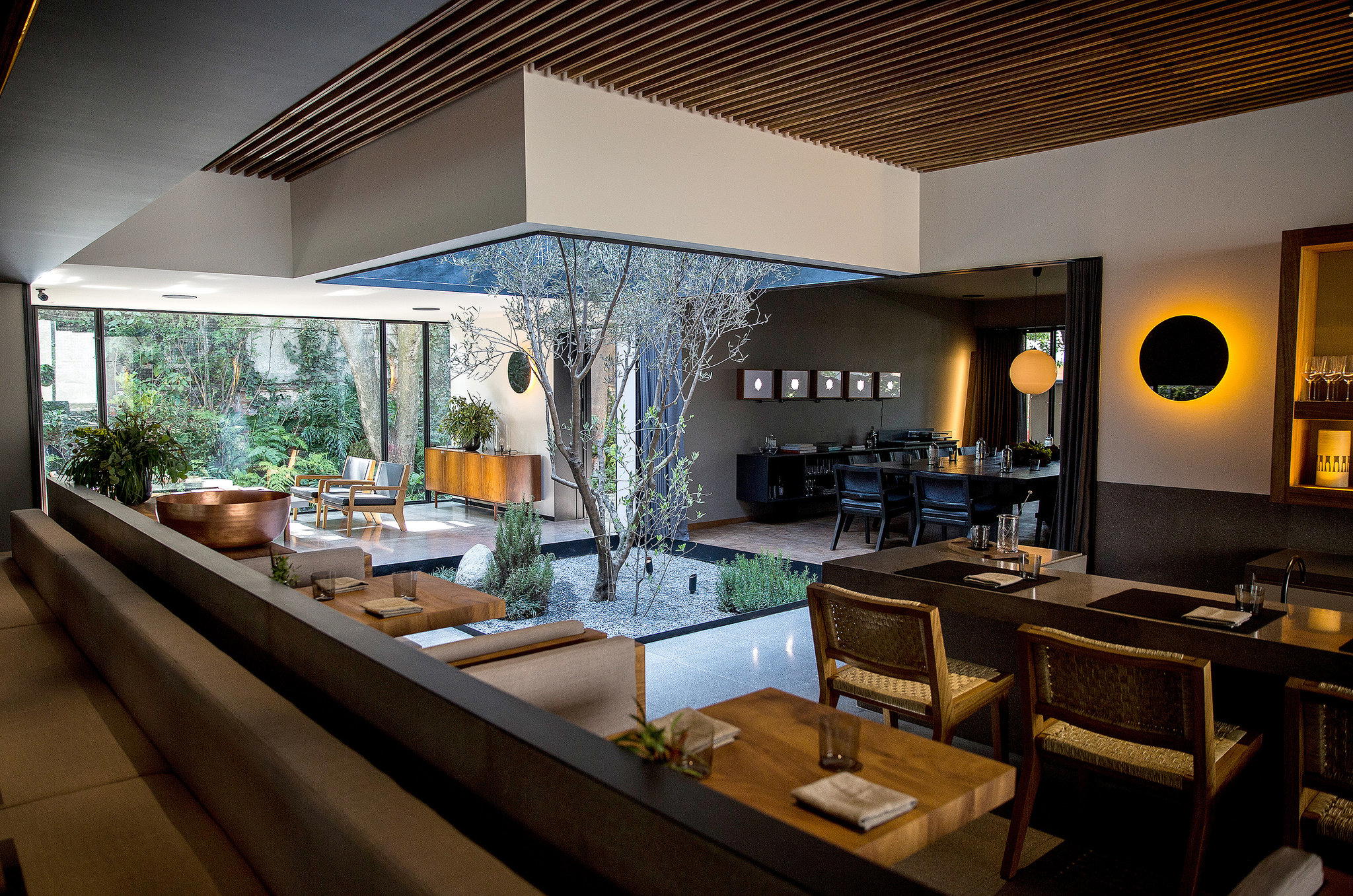
Browse all →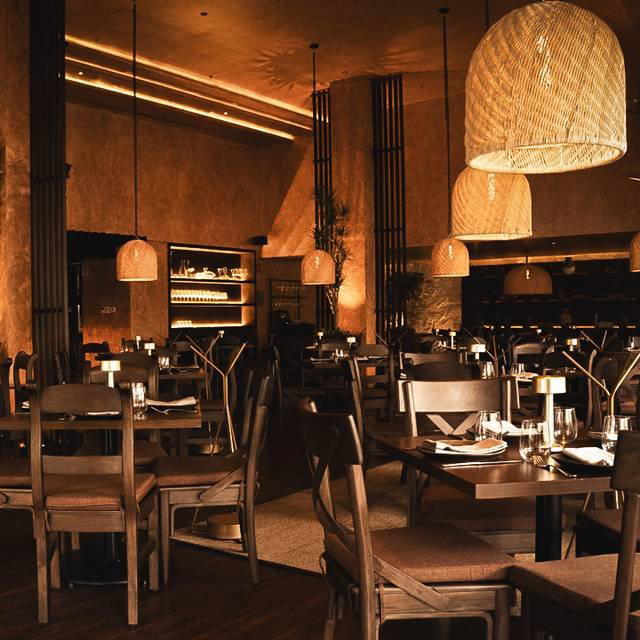
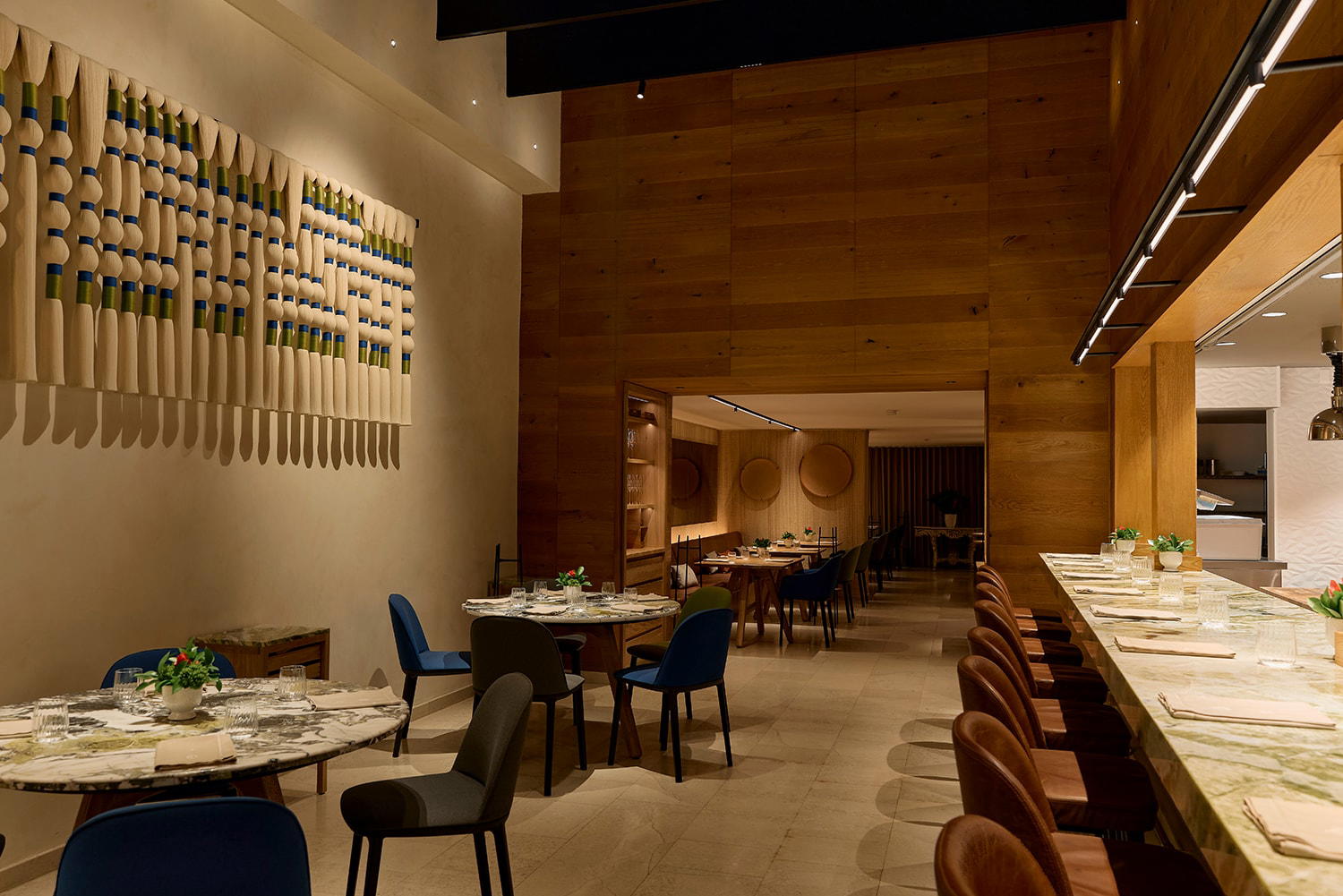
Bars in Mexico City
Browse all →
At a Glance
- Elegant
- Classic
- Cozy
- Romantic
- Date Night
- Business Dinner
- Group Dining
- Celebration
- Casual Hangout
- Open Kitchen
- Private Dining
- Terrace
- Craft Cocktails
- Beer Program
- Local Sourcing
Warm and inviting atmosphere with beautiful decor that transports guests to Italy; described as gorgeous and unassuming with lovely decor and impeccable service.