Barolo
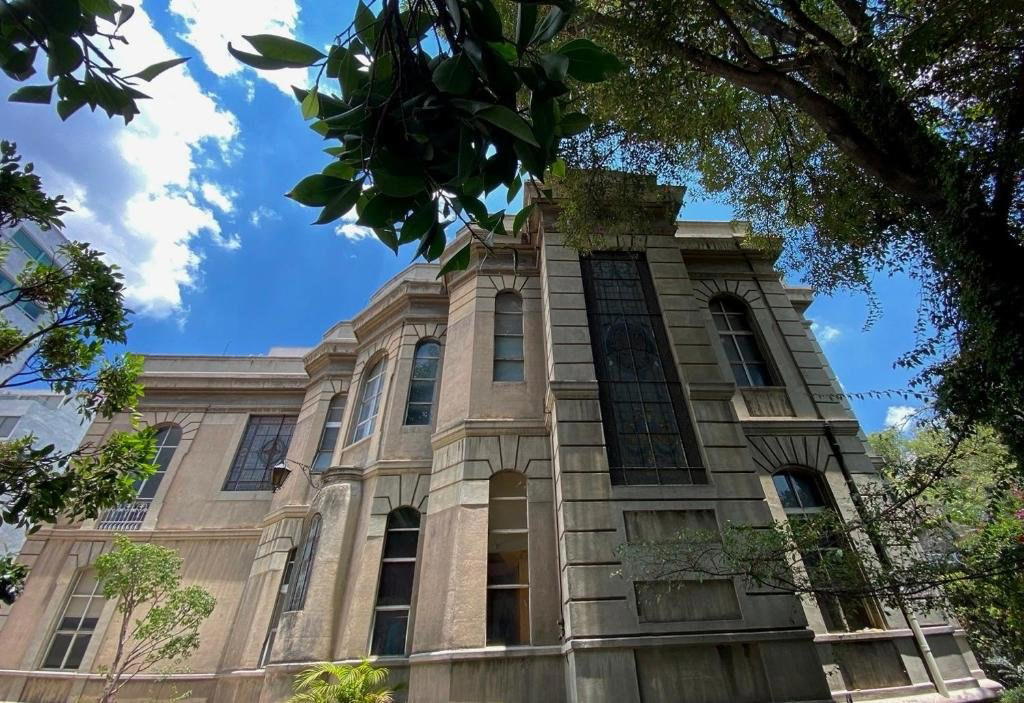
Barolo occupies a corner of Colonia Roma Norte where Italian-influenced dining meets Mexico City's appetite for ingredient-led cooking. The address on Calle Orizaba places it inside one of the capital's most food-saturated neighbourhoods, where the competition for serious diners is high and the tolerance for shortcuts is low. What that means in practice is a room that earns its place through specificity rather than spectacle.
Pearl is the En Primeur Club membership app — saves, bookings, and concierge access live there. Same editors, same standards.
- Address
- C. Orizaba 203, Roma Nte., Cuauhtémoc, 06700 Ciudad de México, CDMX, Mexico
- Phone
- +525592321964
- Website
- opentable.com
- Directions
- Get directions
 Saves & bookings on Pearl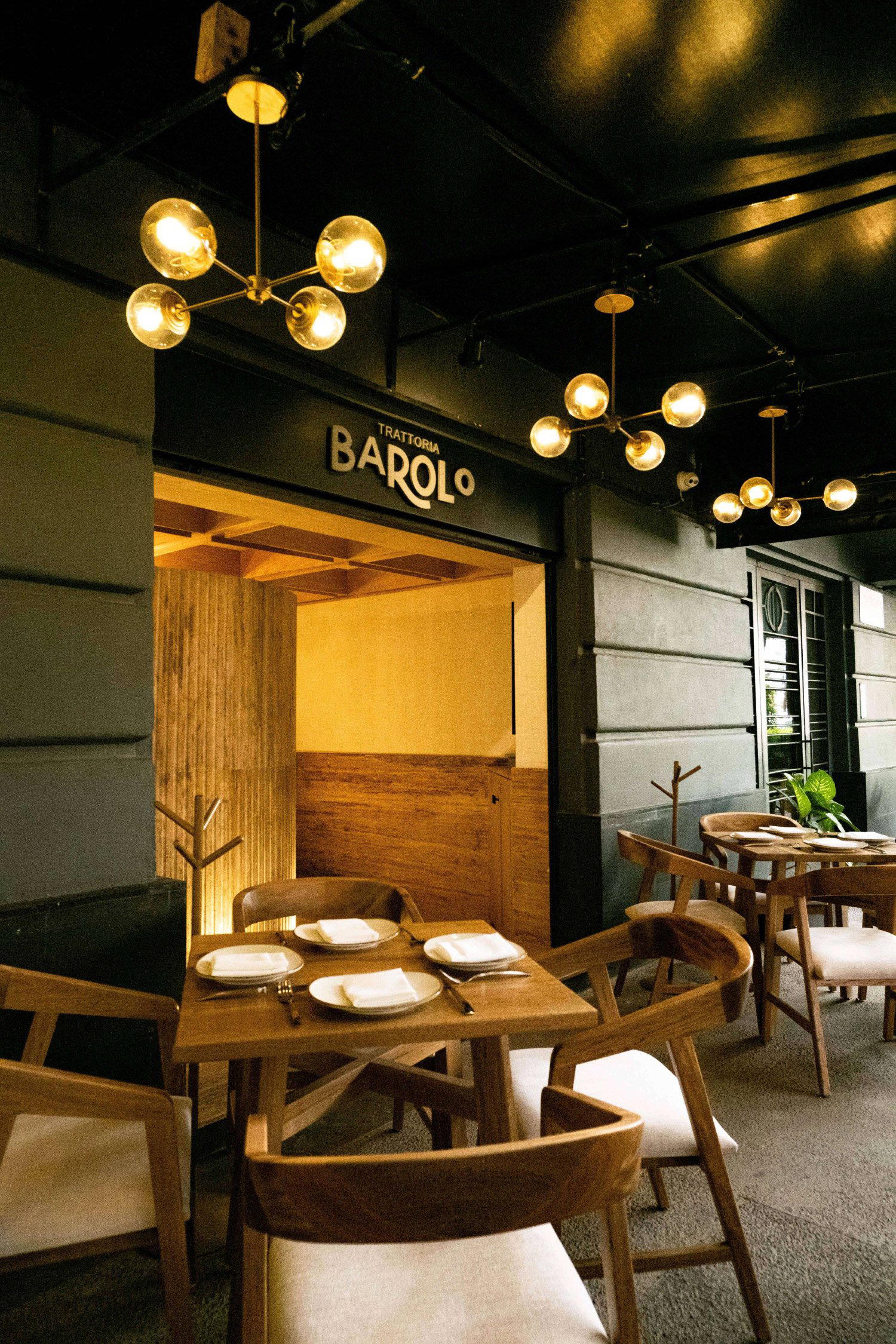
Roma Norte and the Italian Question
Mexico City's Roma Norte neighbourhood has, over the past decade, become the proving ground for a particular kind of restaurant: mid-scale in price, serious in sourcing, and European in reference without being slavishly derivative. The colonias around Álvaro Obregón and Orizaba host everything from credentialed taco counters to Michelin-adjacent tasting menus, and the dining public that moves through them is sophisticated enough to punish a restaurant that relies on concept over execution. Into this environment, Barolo on Calle Orizaba 203 positions itself as an Italian-adjacent address in a city that has, in recent years, developed a genuinely discerning relationship with imported culinary traditions.
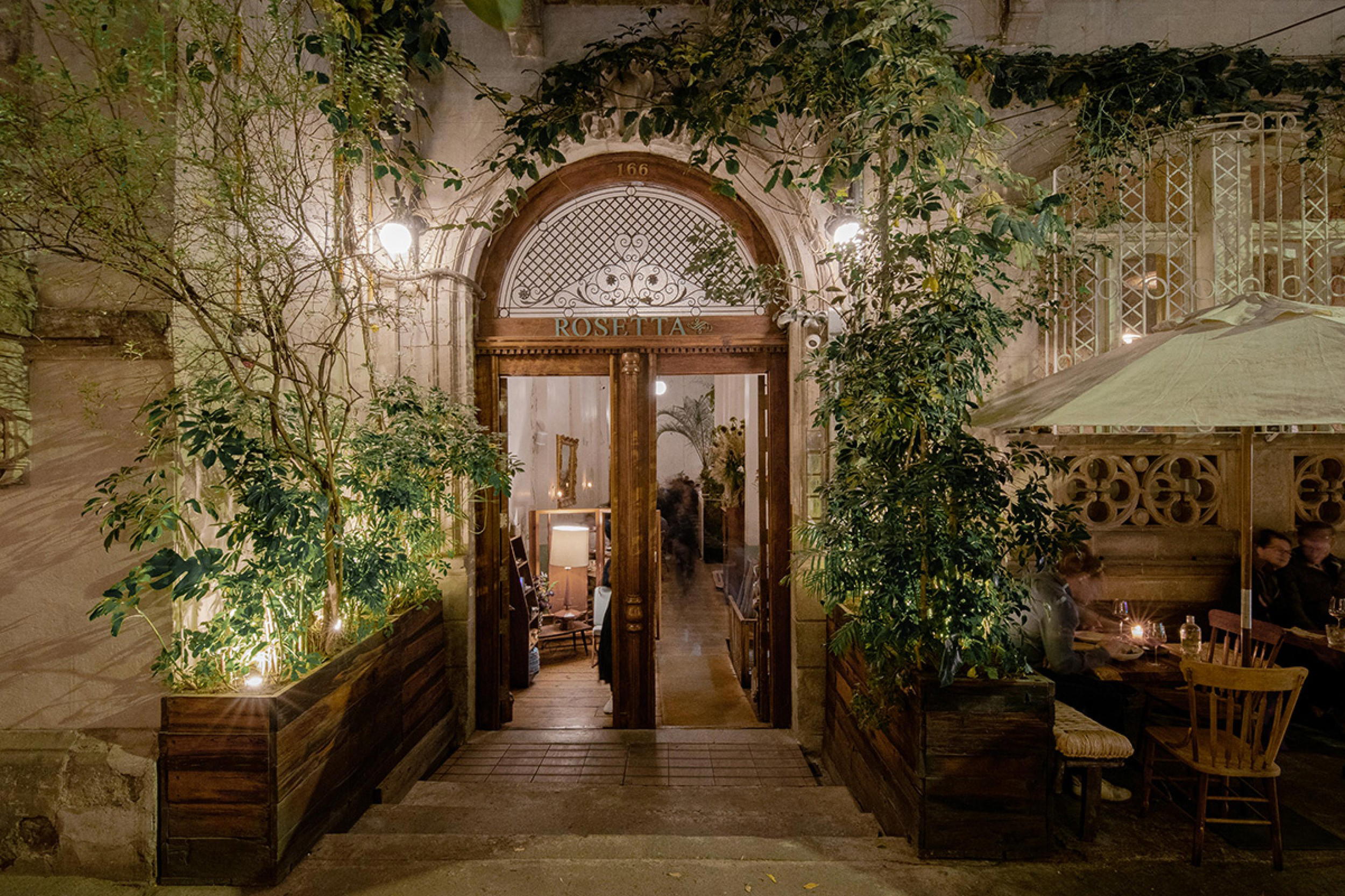
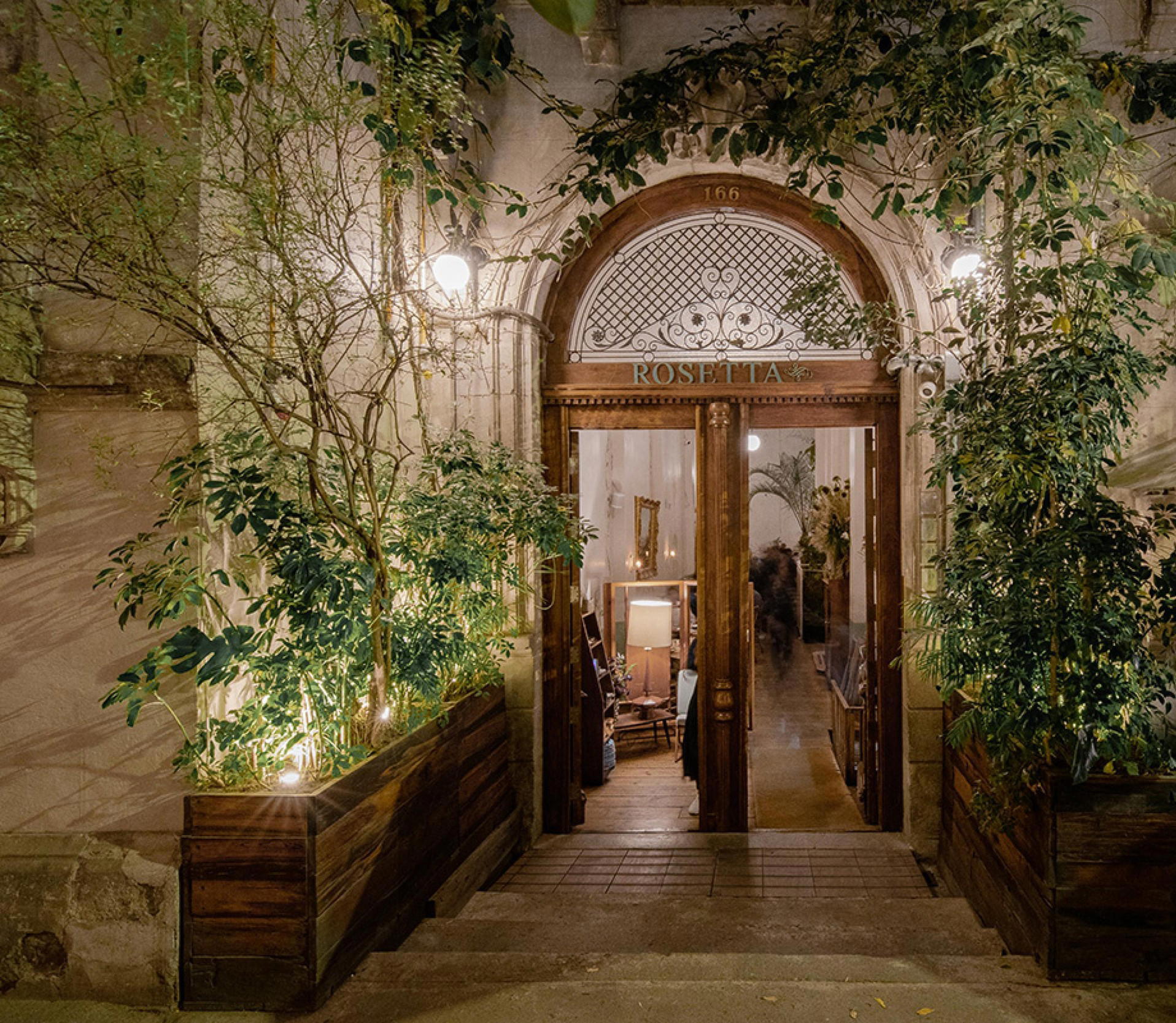
The comparison set here is instructive. Rosetta, the Elena Reygadas project a short walk away, has spent years demonstrating that Italian-inflected cooking in Mexico City can carry serious critical weight — it operates at a price point around $$, holds strong local recognition, and sources in ways that make the Roma neighbourhood feel like a coherent culinary district rather than a loose collection of restaurants. Barolo, sitting in the same zip code, enters a conversation that Rosetta has already shaped.
The Neighbourhood as Context
Roma Norte functions differently from the high-theatre districts of Polanco or the tasting-menu concentration around Presidente Masaryk. The streets around Orizaba tend to reward the kind of restaurant that reads as a neighbourhood institution rather than a destination address. The best-performing venues in this area — whether they serve contemporary Mexican like Em or build around imported wine cultures, succeed because they embed themselves in the daily rhythms of the colonia rather than positioning against the city's trophy tier.
That distinction matters when thinking about sustainability and sourcing. Roma Norte restaurants that last tend to build supplier relationships rather than rotating menus around trend ingredients. The colonia has a concentration of producers' market access and a customer base that notices when provenance disappears from the menu narrative. For an Italian-named restaurant in this setting, the sourcing question is particularly pointed: is the kitchen using the name as a reference to a wine region and its produce ethic, or is it a branding shortcut?
Italian Dining Traditions and What They Demand
The name Barolo refers, most obviously, to the Piedmontese wine appellation, one of Italy's most geographically specific and terroir-conscious designations. Barolo wine is produced from Nebbiolo grapes within a tightly delimited area of the Langhe hills, and the appellation's identity is inseparable from place, season, and slow production. Restaurants that carry that name as a signal are implicitly invoking a tradition of restraint, ingredient quality, and regional specificity that the original wine culture demands.
In practice, Italian restaurants operating under strong regional references tend to bifurcate into two types. The first uses the reference decoratively, building menus around broad Italian idioms, pasta, cured meats, Parmigiano, without meaningful connection to the discipline that made the reference worth invoking. The second treats the reference as a sourcing and philosophical commitment, working backward from what the cuisine actually requires: aged proteins, regionally specific grains, producer-level ingredient knowledge. Mexico City's food culture, particularly in Roma Norte, has become adept at distinguishing between these two approaches. The most respected Italian-influenced addresses in the city, including Rosetta, with its documented commitment to local grain sourcing and seasonal adjustment, operate firmly in the second category.
Sourcing Ethics in Mexico City's Contemporary Scene
The sustainability conversation in Mexico City's restaurant sector has moved past token gestures. At the top of the market, venues like Pujol and Quintonil have made ethical sourcing structurally visible, not as a marketing position, but as a determinant of menu architecture. Sud 777 in Pedregal has similarly built its identity around documented producer relationships. What this has done to the broader restaurant culture is raise the floor: a restaurant in Roma Norte that does not articulate its sourcing logic is conspicuous in a way it would not have been five years ago.
For a restaurant with Italian regional references, this dynamic creates an interesting pressure. Italian cuisine at its most principled is already a sustainability framework, it is built on minimising intervention, respecting seasonality, and using whole-animal or whole-plant thinking to reduce waste. The challenge for any restaurant invoking those traditions in Mexico City is whether to source Italian ingredients at significant environmental and logistical cost, or to apply Italian technique and philosophy to Mexican producers and seasonal produce. The latter approach, when executed with rigour, tends to produce the more defensible result both ethically and culinarily. It is also the approach that Roma Norte diners, who understand both traditions, are increasingly positioned to evaluate.
This tension is not unique to Mexico. Across North America, the Italian restaurant has become a test case for how seriously a kitchen engages with the gap between culinary aspiration and sourcing reality. In San Francisco, venues like Lazy Bear have demonstrated that rigorous sourcing and a strong regional food identity are not incompatible with ambition. In New York, Le Bernardin's documented supply chain transparency has set a reference point for how fine dining addresses the provenance question. Mexico City's leading restaurants have drawn comparable lessons from its own producer networks, from the organic farms of Morelos to the small-scale cheesemakers of Chihuahua.
Where Barolo Sits in a Larger Mexican Picture
Beyond the capital, Mexico's serious restaurant culture has become geographically distributed in ways that make a Roma Norte Italian address part of a broader story. Animalón in Valle de Guadalupe has made producer-to-table cooking in Baja a reference point for the country. Olivea Farm to Table in Ensenada operates explicitly within a farm-to-table framework in a wine-producing region. Levadura de Olla in Oaxaca treats fermentation and traditional preservation as sustainability tools rather than trend signals. Lunario in El Porvenir situates itself inside a wine estate, collapsing the distance between production and plate. KOLI Cocina de Origen in Monterrey, Alcalde in Guadalajara, Pangea in San Pedro Garza García, HA' in Playa del Carmen, Le Chique in Puerto Morelos, and Arca in Tulum have each, in different registers, made sourcing discipline central to their identity. The national restaurant culture that has produced this cohort is not a forgiving environment for a restaurant that treats its name as decoration rather than commitment. See our full Mexico City restaurants guide for the broader picture of how the capital fits into this national story.
Know Before You Go
Address: C. Orizaba 203, Roma Norte, Cuauhtémoc, 06700 Ciudad de México, CDMX
Neighbourhood: Colonia Roma Norte, walkable from Álvaro Obregón and the core of the colonia's restaurant strip
Booking: Contact details not confirmed, visit the address directly or search current listings for reservation options
Hours: Not confirmed, check current listings before visiting
Dress code: Roma Norte restaurants at this tier typically read smart-casual; formal dress is rarely required
How Barolo Mexico City compares with similar nearby venues.
| Venue | Cuisine | Price |
|---|---|---|
| Pargot | Mexican | $$ |
| Vigneron | Contemporary | $$ |
Continue exploring
More in Mexico City
Restaurants in Mexico City
Browse all →
Bars in Mexico City
Browse all →

At a Glance
- Cozy
- Elegant
- Date Night
- Special Occasion
- Open Kitchen
- Extensive Wine List
- Local Sourcing
Current opening hours
- Monday
- 1:30–10 PM
- Tuesday
- 1:30–10 PM
- Wednesday
- 1:30–10 PM
- Thursday
- 1:30–11 PM
- Friday
- 1:30–11 PM
- Saturday
- 1:30–11 PM
- Sunday
- 1:30–7 PM
Hours can change for holidays and private events. Last verified .
Charming corner spot with cozy, intimate atmosphere ideal for pasta aficionados.
Know Before You Go
- Getting there
- C. Orizaba 203, Roma Nte., Cuauhtémoc, 06700 Ciudad de México, CDMX, Mexico